

You’ve tried every deep conditioner on the market. You’ve done the protein treatments. You’ve switched shampoos, added oils, waited longer, rinsed faster — and your hair still doesn’t respond the way you want it to. It’s either always dry and brittle, or it gets weighed down and greasy after one product.
Here’s what nobody tells you early enough: the issue probably isn’t the products. It’s that you’re using the wrong products for your hair’s porosity.
Once you understand hair porosity, the logic of your entire hair routine clicks into place. What works for your friend’s hair might not work for yours — not because your hair is difficult, but because it’s different in a specific, definable way.
What Is Hair Porosity?

Hair porosity refers to how well your hair is able to absorb and retain moisture. Specifically, it describes the state of your hair’s cuticle layer — the outermost part of each hair strand, made up of overlapping scales (imagine roof shingles or fish scales).
When those scales lie flat and smooth, moisture has a harder time getting in — but once it’s in, it stays. That’s low porosity hair. When those scales are raised, lifted, or damaged, moisture absorbs easily but escapes just as fast. That’s high porosity hair. In the middle — scales that are neither too flat nor too open — is normal (medium) porosity hair.
Porosity is partly determined by genetics and your natural hair texture, but it can also be changed by damage — heat styling, chemical treatments (color, bleach, relaxers), and environmental factors all affect the state of your cuticle over time. So even if you were born with low porosity hair, years of highlights and flat ironing might have shifted it toward high porosity.
This is why understanding your current porosity matters more than knowing what your “natural” hair type is supposed to be.
Low Porosity Hair: Signs, What It Means, and How to Care for It

Low porosity hair has a tightly closed cuticle layer. The scales are flat and compact, which means products tend to sit on top of your hair rather than absorbing into it. Water beads up on the surface instead of soaking in quickly.
Signs you have low porosity hair:
- Your hair takes forever to get fully wet in the shower
- Products seem to just sit on your hair — you can see or feel buildup easily
- Your hair air-dries very slowly
- It’s hard to get your hair to absorb deep conditioners, no matter how long you leave them
- Your hair doesn’t take color easily (dye often comes out unevenly or fades fast)
The challenge with low porosity hair isn’t moisture quantity — it’s moisture entry. The trick is using gentle heat (a hooded dryer, steam, or even a warm shower cap) when deep conditioning to lift the cuticle just enough to let product in. Once moisture is in, low porosity hair actually retains it pretty well.
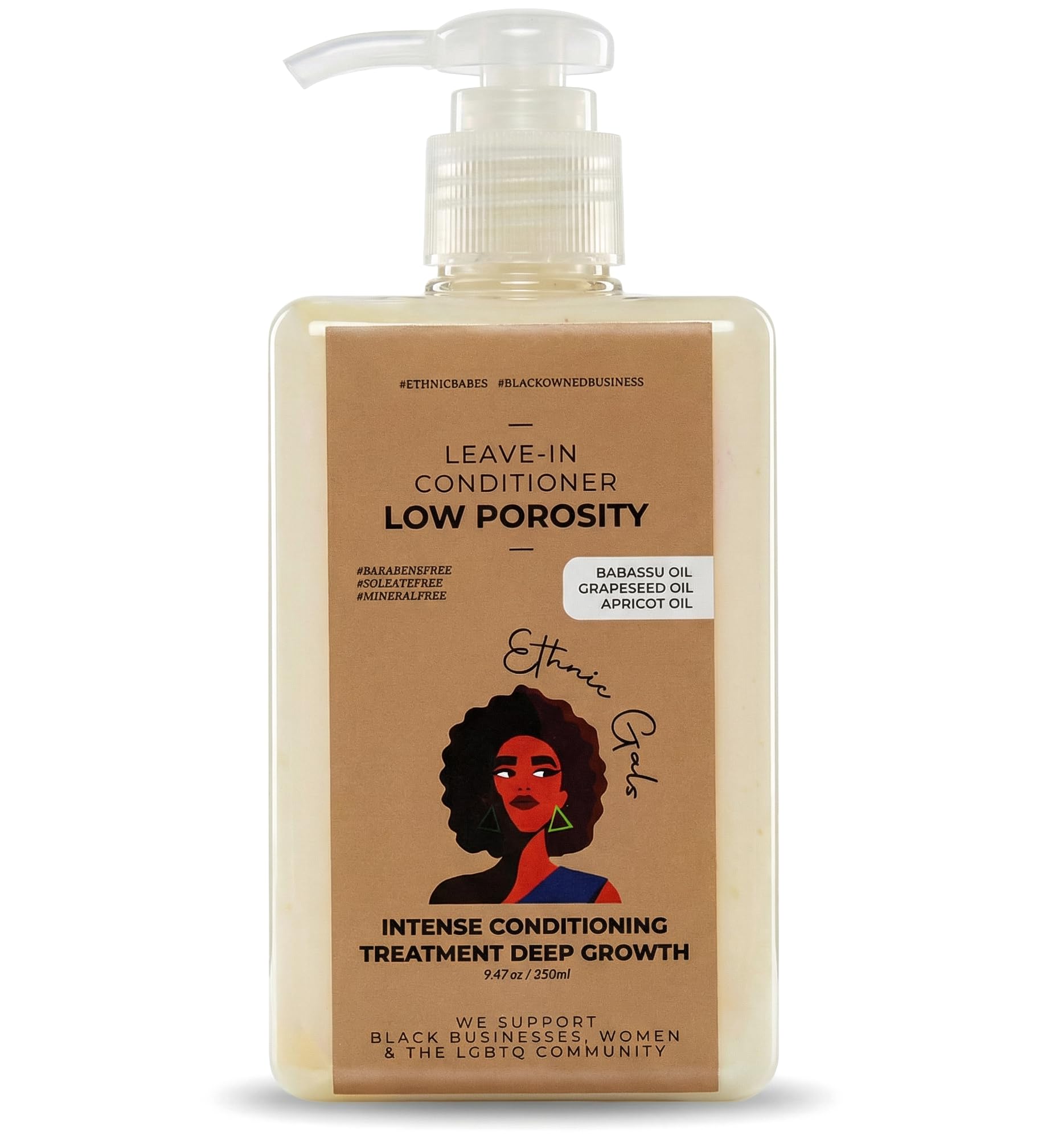
Low Porosity Leave In Conditioner with Shea Butter & Aloe
Lightweight moisture for low porosity hair — won’t weigh strands down. Humectant-rich formula helps moisture actually penetrate the cuticle.
High Porosity Hair: Signs, What It Means, and How to Care for It
High porosity hair has a raised or damaged cuticle layer. The scales are lifted, which means moisture absorbs quickly — but it escapes just as fast. High porosity hair is often the result of damage (bleaching, heat, over-processing), though some people have naturally high porosity hair, which is more common in highly textured or coily hair types.
Signs you have high porosity hair:
- Your hair absorbs water almost instantly in the shower
- It also dries quickly — sometimes too quickly, before you’ve finished styling
- Your hair is often frizzy, especially in humidity
- It tangles and breaks easily
- It soaks up products but still feels dry soon after
- Color processes very fast and also fades fast
High porosity hair needs help sealing the cuticle back down so moisture can stay in. This is where heavier products, oils, and butters actually make sense — applied after water-based products, they act as a sealant over the lifted cuticle.
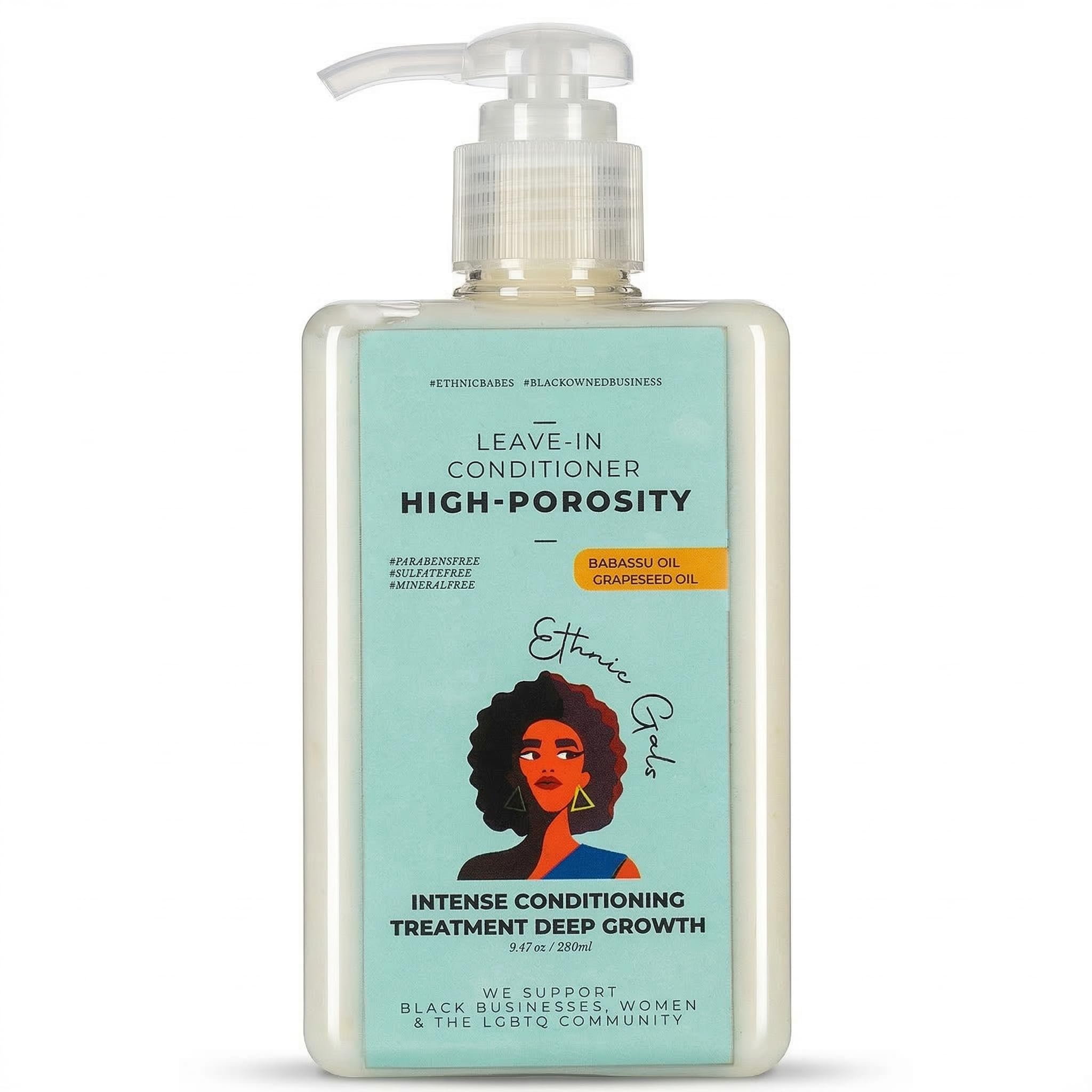
High Porosity Leave In Conditioner with Shea Butter & Aloe
Designed specifically for high porosity hair — seals the cuticle, locks in moisture, and reduces frizz.
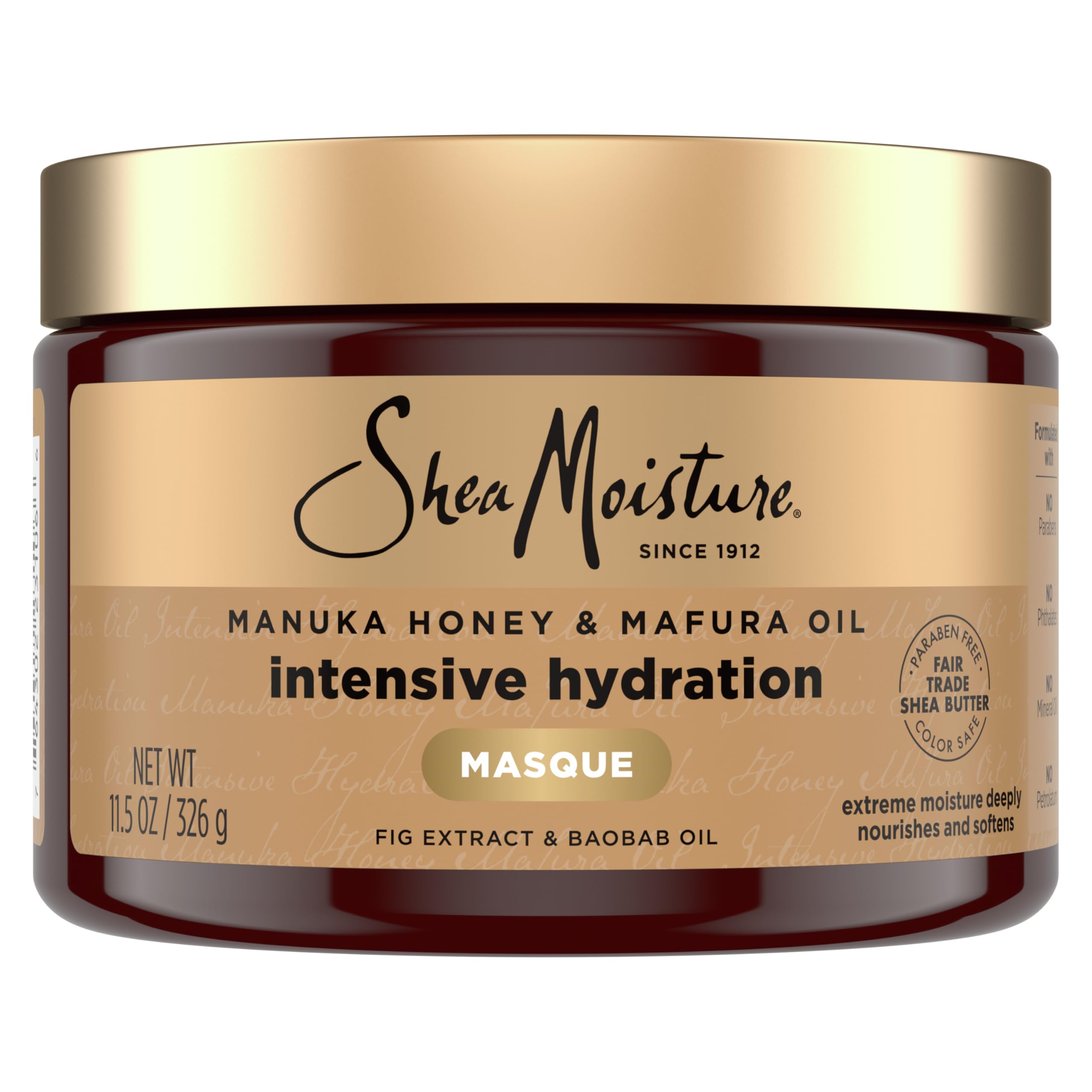
SheaMoisture Intensive Hydration Hair Masque
Manuka Honey & Mafura Oil deep conditioner. Ideal for high porosity hair that needs serious moisture locked in fast.
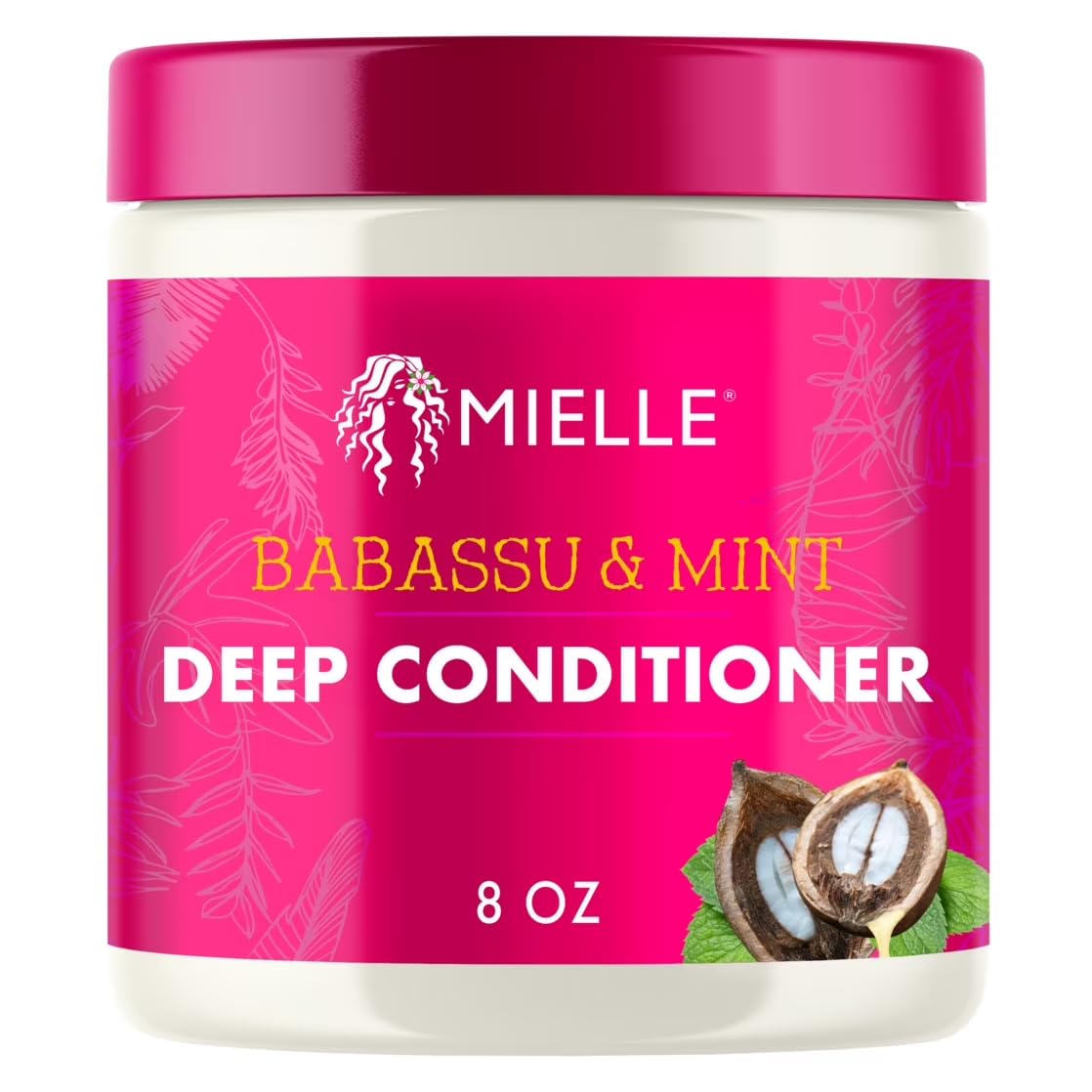
Mielle Organics Babassu & Mint Deep Conditioner
Protein-rich deep conditioner that strengthens and moisturizes. Great for high porosity hair prone to breakage.
Heat, Damage, and Your Porosity Over Time
Medium porosity: Most things work for you. Rotate between the richer formulas (SheaMoisture masque a couple times a month) and lighter ones for everyday use. Keep it balanced between moisture and protein — don’t overload on either.
One last thing: porosity can change, especially as you apply heat, color, or chemical treatments over time. Re-check your porosity every few months if you’re actively processing your hair, and adjust your routine accordingly. Your hair today isn’t necessarily your hair in six months.
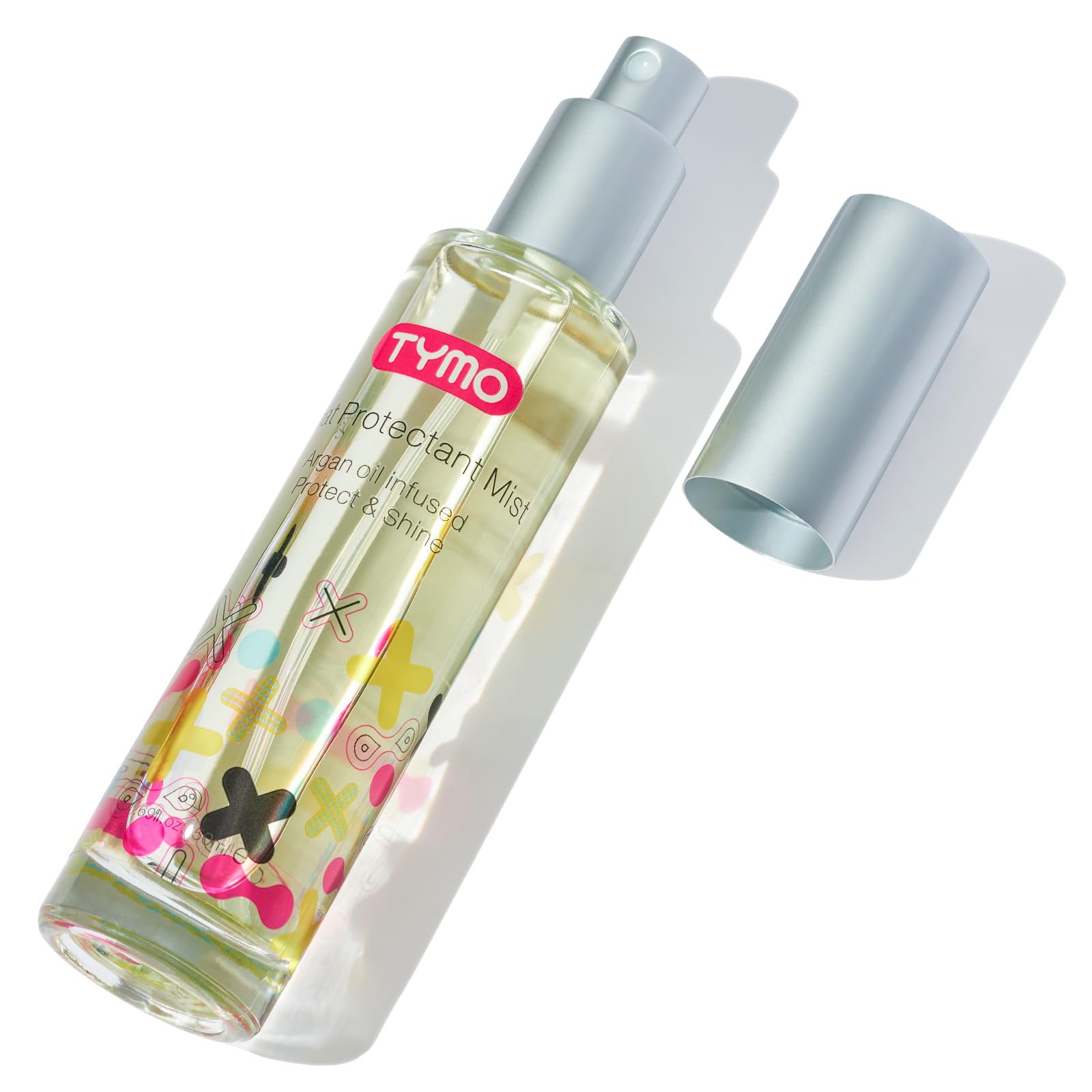
TYMO Heat Protectant Spray with Argan Oil
Essential for high porosity hair that uses heat tools. Argan oil seals the cuticle while protecting against damage.
Frequently Asked Questions
Can porosity change over time?
Yes, and it often does. Damage from heat, bleach, color, relaxers, or even environmental exposure (like hard water or sun) can shift low or medium porosity hair toward high porosity. The reverse is possible too — if you stop damaging treatments and focus on strengthening your hair, you can improve the integrity of the cuticle over time. But heavily bleached or chemically processed hair may always have some degree of high porosity.
Is high porosity hair always damaged?
Not necessarily. Some people have naturally high porosity hair due to their genetics and texture — it’s more common in coily and tightly textured hair types. In these cases, it’s not damage-related, it’s just how the cuticle naturally sits. The care approach is similar (seal, retain moisture, use protein), but the goal isn’t to “fix” something broken — just to work with your hair’s natural needs.
Why does my hair feel like straw after protein treatments?
Too much protein without enough moisture creates protein overload — the hair feels stiff, dry, and snaps easily. High porosity hair does need protein, but it needs to be balanced with deep moisture conditioning. If you’re doing protein every week, that’s likely too much. Alternate between protein treatments and pure moisture treatments to keep the balance right.
Does the float test really work?
It’s a reasonable starting point, not a definitive diagnostic. Product buildup and oiliness can skew results. Use it alongside the behavioral signs — how fast your hair absorbs water, how quickly it dries, how products feel on it — for a more complete picture. Many stylists who work with textured hair rely more on those practical observations than on the float test alone.
My hair is dry no matter what I do — is that a porosity issue?
It might be. Chronically dry hair is often a sign of either low porosity (moisture isn’t getting in) or high porosity (moisture isn’t staying in) — and the solutions are completely different. Try the float test and compare to the signs described above to figure out which you’re dealing with. Also look at your water — hard water can cause buildup and prevent proper moisture absorption regardless of porosity type. A clarifying shampoo every few weeks can make a big difference. And if you’re concerned about hair loss alongside dryness, check out how to support hair growth rate as a companion read.
What’s the best way to moisturize low porosity hair without buildup?
Use lightweight, water-soluble products. Avoid silicones (which coat the hair and trap buildup) and heavy waxes. Clarify with a sulfate shampoo every 2–4 weeks to remove buildup, and always apply products to soaking wet hair. Warm (not hot) water opens the cuticle slightly for better absorption.
How to Test Your Hair Porosity at Home
There are a few tests floating around the internet — some more reliable than others. Here’s an honest breakdown of each one, including what they get right and where they fall short.
The Float Test
This is the most commonly referenced test: drop a clean, dry strand of hair into a glass of water and watch what happens. Low porosity hair floats. High porosity hair sinks. Medium porosity hair does something in between. It’s a decent starting point, but take it with a grain of salt — product buildup, how recently you washed, and the oil content of your hair can all affect the result. Do it on freshly washed, product-free hair for the most accurate read.
The Slip Test
Take a single strand of hair and slide your fingers from tip to root (against the direction of growth). If the strand feels smooth and you can barely feel the cuticle, that’s low porosity — tightly closed cuticles. If it feels rough, bumpy, or catches on your fingers, those are raised cuticles, pointing to high porosity. This test is quick and genuinely useful, especially because it doesn’t depend on external conditions the way the float test does.
The Spray Test
Spray a small section of clean, dry hair with water. Watch what happens. Does the water bead up and sit on top of your hair before absorbing (or not absorb at all)? Low porosity. Does it absorb almost instantly? High porosity. Medium porosity falls in the middle — absorbs within a few seconds, not immediately. This is one of the more reliable visual tests and is especially useful if you have thicker hair where the float test is harder to read.
The Most Reliable Signal: How Your Hair Actually Behaves
Honestly? Pay attention to how your hair behaves day to day. Low porosity signs: products sit on top of your hair and don’t really sink in, your hair takes forever to get fully saturated in the shower, styles feel greasy quickly even without much product. High porosity signs: your hair soaks up water instantly and dries fast, frizz is your constant companion especially in humid weather, your hair feels dry again almost immediately after conditioning, color fades quickly. Medium porosity signs: hair is generally cooperative, takes well to color, holds styles without a ton of effort. These behavioral signals are often more informative than any single test.
The Biggest Mistakes People Make Based on Their Porosity
Once you know your porosity, it’s tempting to swing hard in one direction — and that’s usually where things go wrong. Here are the most common missteps, by type.
Low Porosity: Overloading With Heavy Products
This is the number one low porosity mistake. Heavy oils (castor oil, coconut oil), thick butters, and rich leave-ins sound like they should be deeply nourishing — but on low porosity hair, they don’t absorb. They just coat the outside of the hair shaft and cause buildup. Your hair ends up feeling weighed down and greasy within a day. Low porosity hair needs lightweight everything: water-based leave-ins, lighter oils like argan or grapeseed, and products applied to soaking wet hair so there’s more moisture to seal in.
High Porosity: Skipping Protein
High porosity hair has gaps and holes in the cuticle — the hair shaft literally isn’t structurally intact. Protein treatments fill those gaps temporarily, which reduces frizz, improves elasticity, and helps the hair hold moisture better. People skip protein either because they’re nervous about protein overload (which is real, but usually only an issue if you’re using protein every single wash) or because they don’t realize they need it. If your high porosity hair feels perpetually mushy when wet but dry and brittle when it dries, lack of protein is almost always part of the problem.
Everyone: Ignoring Hard Water
Hard water is one of the most underrated hair problems, and it affects every porosity type — just differently. For low porosity hair, hard water minerals create an extra layer of buildup that makes it even harder for moisture to penetrate. For high porosity hair, the minerals can cause additional roughness and dryness. If you’re doing everything “right” by porosity type and still not seeing results, test your water. A shower filter (they’re inexpensive and easy to install) can make a genuinely dramatic difference. Using a chelating shampoo monthly also helps clear mineral buildup.
Medium Porosity: Getting Complacent
Medium porosity hair is the easiest to maintain, so people with it often coast on a routine that worked five years ago and stopped checking in. The issue: porosity changes over time. Chemical processing, heat damage, aging, even a change in water source can shift your hair toward higher porosity. Medium porosity hair that starts feeling frizzy, dry, or color-resistant might be telling you it’s shifted. Retest every year or so and adjust accordingly.
Building a Full Routine by Porosity Type
Here’s how to structure your wash-day routine based on your porosity — not just individual products, but the full sequence and logic behind it.
Low Porosity Routine
The goal is to open the cuticle enough to let moisture in, then seal it with lightweight products.
- Shampoo: Use a clarifying or sulfate shampoo once a week to remove buildup — low porosity hair accumulates it fast. Follow with a lighter moisturizing shampoo if you’re washing more frequently.
- Deep Condition with Heat: Apply a lightweight deep conditioner (not a thick, rich formula) and add gentle heat — a hooded dryer, a steamer, or even a warm damp towel over a shower cap. Heat lifts the cuticle and lets conditioner actually penetrate. Leave on for 20–30 minutes.
- Light Leave-In: Apply a water-based leave-in to soaking wet hair. Diluted leave-ins work especially well. Avoid anything cream-heavy.
- Seal with a Lightweight Oil: Argan, jojoba, or grapeseed oil in small amounts to lock in the moisture you just added. A little goes a long way — start with a few drops.
High Porosity Routine
The goal is to repair the cuticle structure, flood the hair with moisture, and then lock it down so it doesn’t escape immediately.
- Protein Treatment: Once or twice a month (or more if your hair is very damaged), use a protein treatment before conditioning. Hydrolyzed proteins are the most effective because they’re small enough to actually penetrate the hair shaft.
- Heavy Conditioner: Follow with a rich, creamy conditioner and let it sit. High porosity hair can handle (and needs) heavier conditioners. Ingredients to look for: shea butter, cetyl alcohol, behentrimonium chloride.
- Butter or Oil as Sealant: While hair is still damp, layer a thick butter (shea, mango butter) or a heavier oil (castor, avocado) to seal the cuticle and slow down moisture loss. This is your most important step.
- Optional: Acidic Rinse: A diluted apple cider vinegar rinse (1 tablespoon in 2 cups of water) helps close the cuticle slightly. Use it after conditioning and before your leave-in products.
Medium Porosity Routine
You have the most flexibility here — the goal is to maintain what’s already working and watch for any shifts.
- Regular Moisturizing Shampoo: No need to clarify as aggressively as low porosity types, but a monthly clarifying wash still helps.
- Standard Deep Conditioner: A regular moisturizing deep conditioner without heat works fine. 15–20 minutes is sufficient.
- Balanced Leave-In: Medium-weight leave-ins work well. You have more room to experiment here than either extreme porosity type.
- Light-to-Medium Oil or Cream: Seal with a medium-weight oil (sweet almond, jojoba) or a light curl cream if you’re wearing your natural texture. Reassess your routine every few months to make sure your hair is still responding the same way.
You’ll Also Love
- Rosemary Oil for Hair Growth: Does It Actually Work?
- 11 Common Causes of Hair Loss in Women & How to Fix Them
- Hair Growth Rate for Women: How to Speed Up Your Growth
Free Download
Get My Daily Supplement Stack Guide
Everything I take, why I take it, and what I noticed — morning, midday, and evening. Free when you join the list.
No spam, ever. Unsubscribe anytime.