
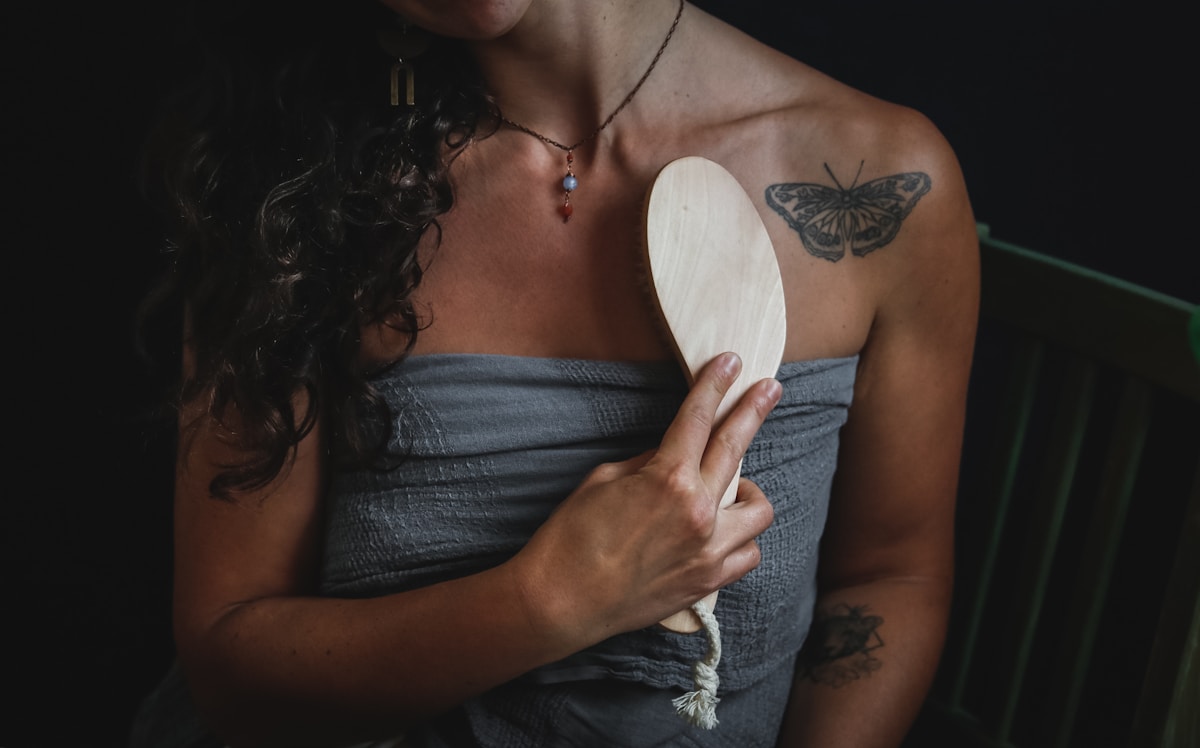

Dry brushing has been having a moment for a while now — and honestly, it’s one of those wellness habits that sounds almost too simple to be worth it. You rub a stiff brush on your dry skin before you shower. That’s it. So why do so many women swear by it?
I was skeptical too. But after actually looking into the research and trying it consistently, here’s the honest breakdown of what dry brushing does, what it doesn’t do, and whether it’s worth adding to your routine.
What Is Dry Brushing, Exactly?
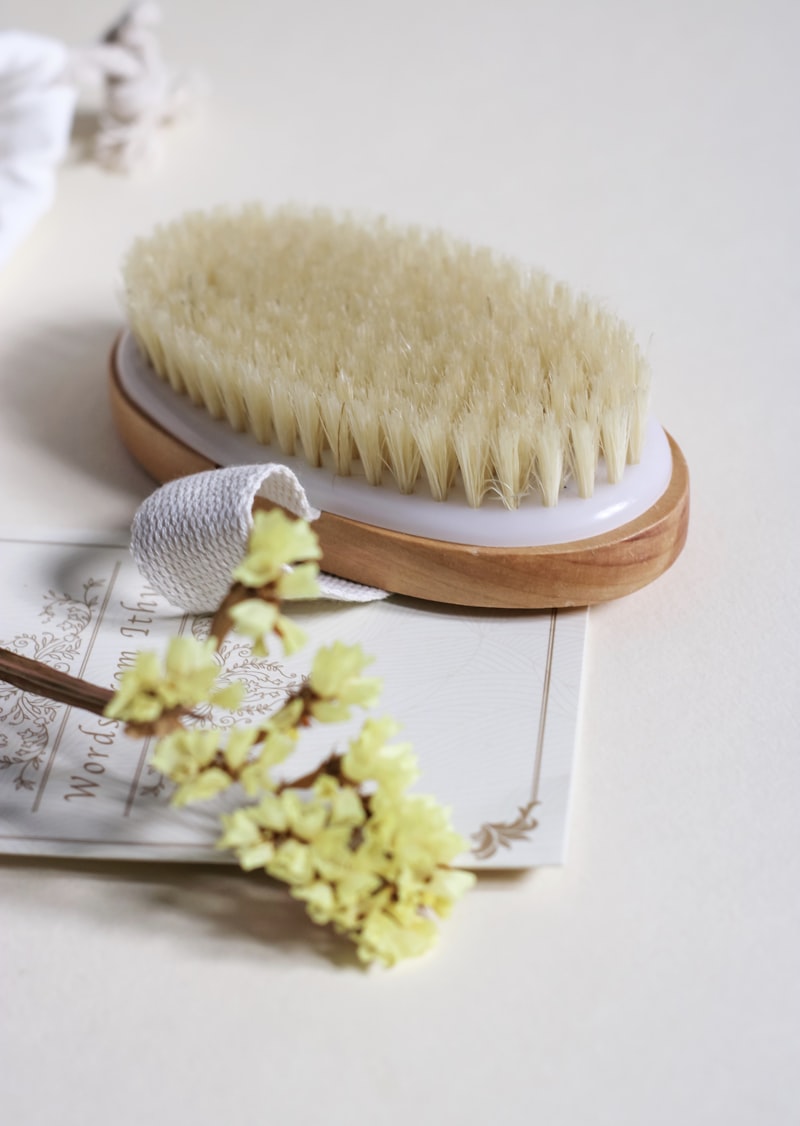
Dry brushing is exactly what it sounds like — you use a firm, natural-bristle brush to sweep across your skin in long strokes, always moving toward your heart. You do it on dry skin, before you shower (not after, not in the shower).
The practice has roots in Ayurvedic medicine, where it’s called garshana, and it’s been used for centuries in various forms across different cultures. The modern wellness world picked it back up, and now it’s everywhere — from TikTok routines to spa menus.
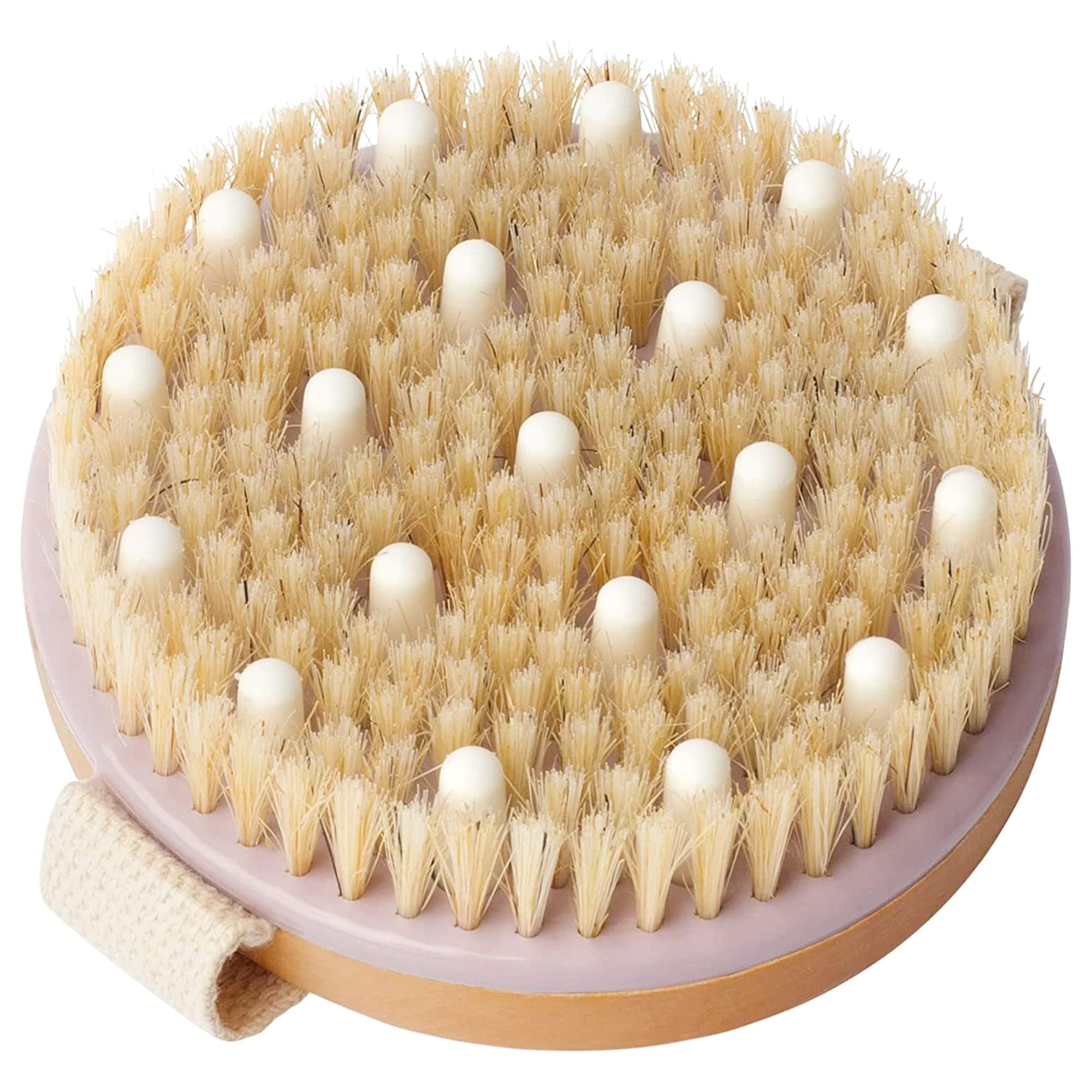
MainBasics Dry Brushing Body Brush
Top-rated dry brush for lymphatic drainage and cellulite. Natural bristles, long handle for easy back access, perfect firmness for beginners.
What Does Dry Brushing Actually Do for Your Skin?
Let’s start with the thing dry brushing definitely does: exfoliation. Physical exfoliation, specifically. The bristles slough off dead skin cells from the surface of your skin, which leaves it feeling softer and looking smoother almost immediately.
This is where the real, consistent benefit lives. Your skin naturally sheds dead cells (a process called desquamation), but that process slows down as you get older, and dry skin, rough patches, and dullness are often just a buildup of cells that haven’t shed yet. Brushing them off speeds that process up.
The other thing it does is stimulate circulation. That rosy flush you get right after? That’s blood rushing to the surface of your skin. Better circulation means more oxygen and nutrients delivered to skin cells, which over time supports healthier-looking skin. It also gives you a genuinely energizing feeling — which is why a lot of people swear by doing it in the morning rather than at night.
After you dry brush, your skin absorbs moisturizer more effectively because there’s less of a dead-skin barrier in the way. So if you’ve been slathering on body lotion and wondering why your skin still feels dry, this could be why.
Does Dry Brushing Actually Help With Cellulite? (Honest Answer)
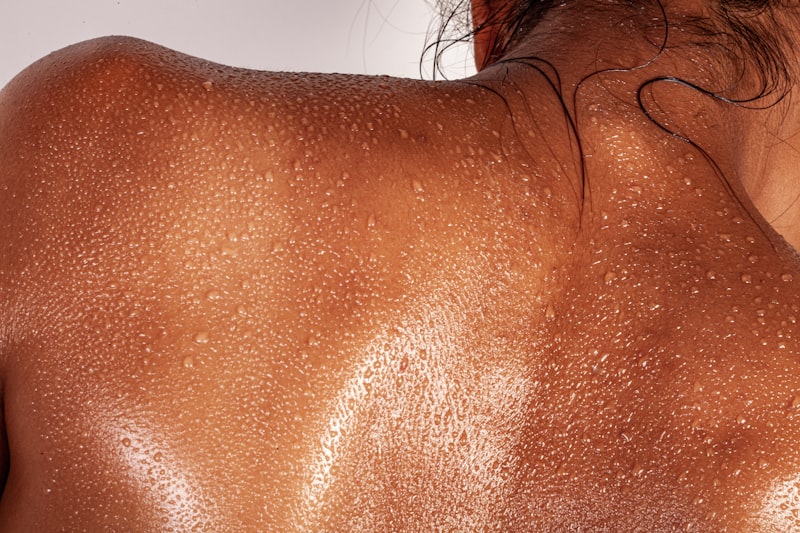
Okay, here’s where I have to be straight with you: the cellulite claims are overstated.
Cellulite is caused by fat deposits pushing through the connective tissue under your skin — it’s structural, and it affects around 80–90% of women regardless of body size or fitness level. A brush cannot change the structure of your connective tissue.
That said — the circulation boost from dry brushing can temporarily reduce the appearance of cellulite by plumping the skin slightly and improving blood flow to the area. Some women notice their skin looks smoother after consistent dry brushing. But it’s not permanent, and it’s not a treatment.
If someone is selling you a dry brush and promising it’ll eliminate cellulite, that’s marketing, not science. The honest benefit is smoother skin texture and better circulation — which are genuinely good things, just not miracles.
Does Dry Brushing Help With Lymphatic Drainage?
This one gets talked about a lot, and it’s more nuanced than the yes-or-no answer most people want.
Your lymphatic system is essentially your body’s drainage network — it moves lymph fluid (which carries white blood cells and waste products) through your body. Unlike your circulatory system, it doesn’t have a pump (no heart equivalent), so it relies on muscle movement, breathing, and external pressure to keep things flowing.
Dry brushing, when done with strokes directed toward your heart and lymph nodes, can mechanically stimulate lymph flow near the surface of your skin. Some lymphatic massage therapists use techniques very similar to dry brushing. So the idea isn’t pseudoscience — there is a physiological basis for it.
What I’d say is this: dry brushing is not a medical lymphatic drainage treatment. It’s not going to fix lymphedema or replace manual lymphatic drainage therapy. But as a daily practice that gets you moving your body, stimulating surface circulation, and directing strokes toward lymph nodes? It’s probably doing something positive. The research is limited, but the mechanism is real.
How to Dry Brush Correctly (Step by Step)
Technique matters here more than people think. Brushing randomly or too hard can irritate your skin instead of helping it.
Step 1: Start with completely dry skin. This is non-negotiable. Wet skin stretches and can be damaged by the friction. Do this before your shower, not in it.
Step 2: Start at your feet and work upward. Use long, sweeping strokes toward your heart. Feet → calves → thighs → hips. The direction matters — you want to encourage lymph flow toward the lymph nodes, which are concentrated near your groin, armpits, and neck.
Step 3: Use circular motions on your stomach and chest. For your abdomen, use gentle clockwise circles (this follows the direction of your digestive tract). Your chest is sensitive — be light here.
Step 4: Do your arms last. Brush from your hands toward your armpits. Short strokes on your forearms, longer ones on your upper arms.
Step 5: Skip your face and neck front. Unless you have a specifically designed facial dry brush, your body brush is too harsh for your face. Same with any irritated, broken, or sunburned skin — skip it entirely.
Step 6: Shower right after. Wash off all those exfoliated cells. Finish with a cool rinse if you can handle it — it tightens pores and feels amazing after the brushing.
Step 7: Moisturize immediately. Apply body oil or lotion while your skin is still slightly damp. This is when your skin absorbs it best.
The whole thing takes about 3–5 minutes. It’s fast.
How Often Should You Dry Brush?
For most people, 3–4 times a week is the sweet spot. Daily is fine if your skin tolerates it, but if you notice any redness, irritation, or sensitivity lasting more than an hour after brushing, dial it back.
If you have sensitive skin, start with once a week and see how your skin responds. You can always build up — but you can’t un-irritate already inflamed skin.
Dry brushing works best as a consistent habit rather than a one-time thing. The exfoliation and circulation benefits compound over time. Most people notice a real difference in skin texture within 2–3 weeks of regular use.
Morning is the preferred time for most people because the circulation boost is energizing — it genuinely wakes you up. But there’s no physiological reason you can’t do it at night if that’s what your schedule allows.
What to Avoid When Dry Brushing
A few things that’ll get you in trouble:
Don’t brush too hard. You should feel pressure and some friction, but not pain. Your skin shouldn’t be red and irritated for hours after. If it is, you’re pressing too hard or your brush is too stiff for your skin type.
Don’t dry brush over broken skin, eczema, psoriasis, or active acne. You’ll make all of those worse. Skip any areas with rashes, cuts, or irritation.
Don’t brush in the wrong direction. Going away from the heart (especially on your legs) doesn’t stimulate lymph flow the same way. The toward-the-heart direction is the point.
Don’t skip the moisturizer after. Dry brushing exfoliates your skin — it can feel tight and dry afterward if you don’t follow up with moisture. The brush is doing half the job; the moisturizer finishes it.
Don’t share your brush. This is personal care equipment that touches your entire body. Get your own.
Do clean your brush regularly. Once a week, wash it with mild soap, rinse thoroughly, and let it dry bristle-side down. A dirty brush puts bacteria back on your skin and breaks down the bristles faster.
Frequently Asked Questions
Can dry brushing help with ingrown hairs?
Yes, actually — this is one of the more underrated benefits. Regular exfoliation from dry brushing helps lift and prevent the dead skin buildup that traps hairs under the surface. If you’re prone to ingrown hairs on your legs or bikini area, consistent dry brushing can help reduce them over time. Just don’t brush over active ingrowns that are already inflamed.
Can I dry brush my face?
Not with a body brush — the bristles are too coarse. If you want facial dry brushing, look for a dedicated soft facial brush. Most people are better off with chemical exfoliants (like a gentle AHA) for their face anyway.
Does dry brushing help with keratosis pilaris (the little bumps on your arms)?
It can help. KP is caused by keratin buildup clogging hair follicles, and regular physical exfoliation can smooth the texture over time. It’s not a cure, but consistent dry brushing combined with a good moisturizer (look for one with urea or lactic acid) makes a noticeable difference for many people.
Should I use oil on the brush?
No — that defeats the purpose. The “dry” in dry brushing is essential. Wet or oily bristles don’t exfoliate the same way and can cause the brush to drag rather than sweep. Apply oils and moisturizers after your shower, not before or during brushing.
Is dry brushing safe during pregnancy?
Generally yes, but be gentle — pregnancy skin can be more sensitive, and your belly skin is stretching and more prone to irritation. Skip the belly area if you’re unsure, and talk to your OB if you have any concerns. The leg and arm strokes for circulation are usually fine.
How long until I see results?
You’ll feel the exfoliation benefit immediately — softer skin within the first session. For texture improvement and more consistent results, give it 2–3 weeks of regular use. The circulation benefits are cumulative, so the longer you stick with it, the more you’ll notice.
You’ll Also Love
- How to Repair Your Skin Barrier (and the Best Products to Use)
- Gut Health for Women: Where to Start and What to Buy
- How to Use Gua Sha the Right Way — Step-by-Step Guide
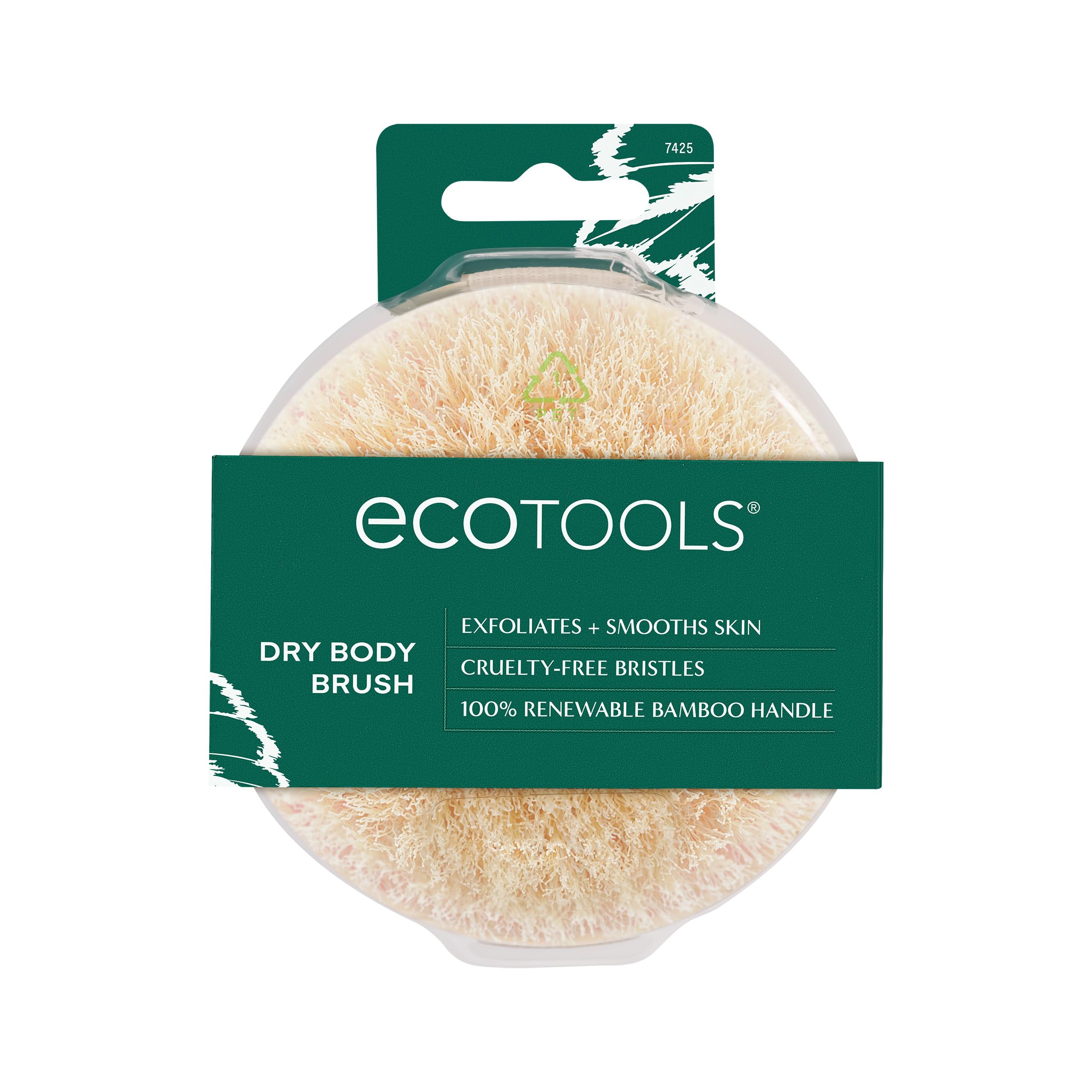
EcoTools Dry Body Brush
Cruelty-free, plant-based bristles that exfoliate and smooth without scratching. Great for sensitive skin and eco-conscious routines.
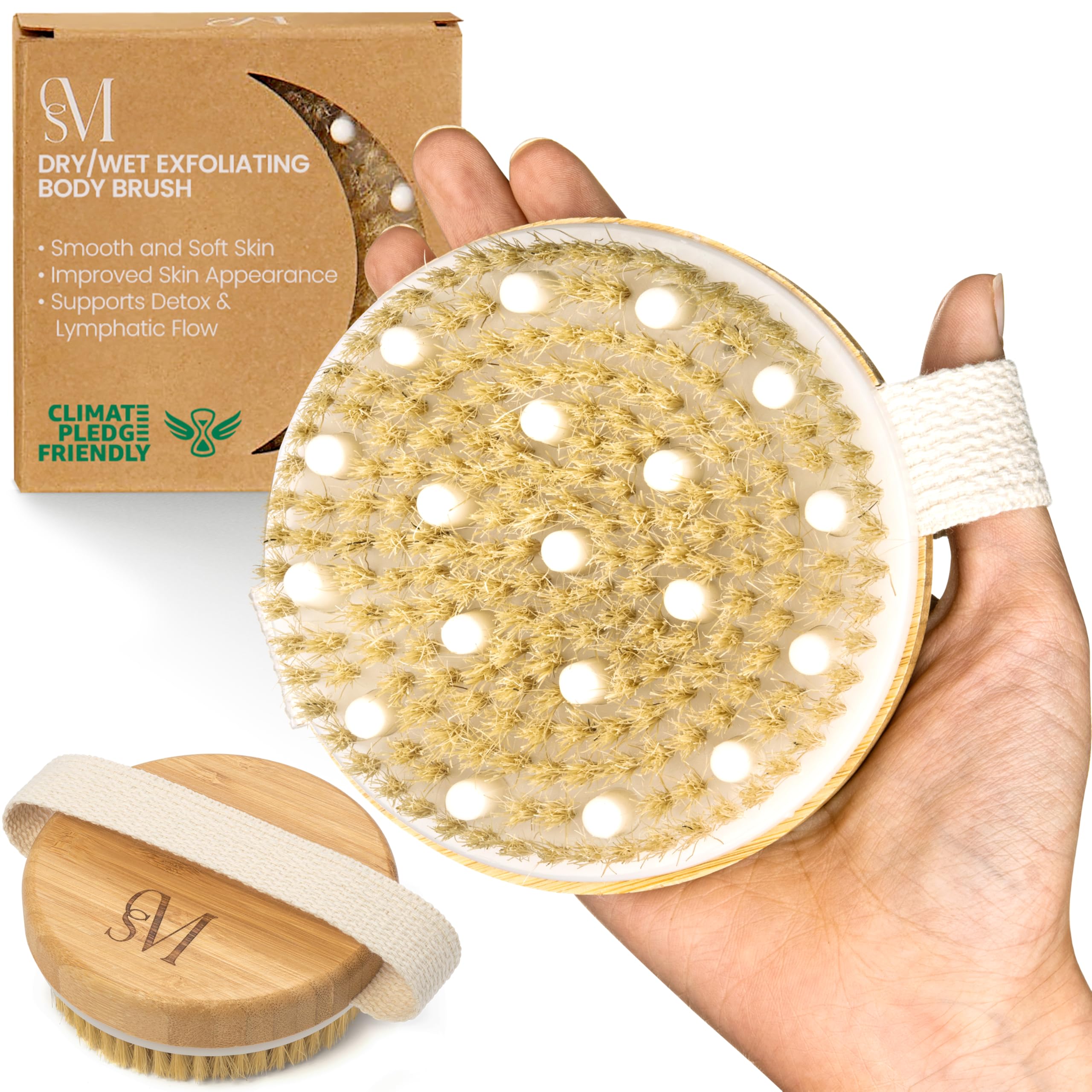
CSM Natural Boar Bristle Dry Body Brush
Professional-grade natural boar bristle brush for serious lymphatic drainage and exfoliation. Firm bristles, ergonomic handle.
How to Dry Brush Correctly (Step by Step)
Dry brushing takes about five minutes and the technique actually matters — do it right and your skin feels incredible; do it wrong and you’ll just irritate yourself. Here’s the full breakdown.
Start With Completely Dry Skin
This is non-negotiable. Wet or damp skin stretches and drags under the brush, which can cause micro-tears and irritation. Do this before you shower, not after. Your brush should be dry too — store it somewhere it can air out between uses rather than in an enclosed cabinet.
Direction: Always Toward the Heart
Brush in long, sweeping strokes moving in the direction of your lymphatic flow — which means toward the heart. Start at your feet and work up your legs. Then move to your hands and brush up your arms. On your torso, brush upward toward your chest. On your back, brush upward toward your shoulders. This directional technique is what supports lymphatic drainage (helping your body clear waste and reduce fluid retention) rather than just exfoliating at random.
Pressure Guidance
Firm enough to feel the bristles engaging with your skin — not so hard that it stings or leaves red marks. A light pink flush is normal; scratches or significant redness mean you’re pressing too hard or your brush is too stiff. Areas with thinner skin (inner arms, chest, stomach) need gentler pressure. Thicker-skinned areas like the soles of your feet and calves can handle more. Always start lighter than you think you need to and increase gradually.
How Long and How Often
A full-body dry brush session takes about 3–5 minutes. You don’t need to spend more time than that — the goal is coverage, not intensity. For most people, 2–3 times per week is ideal. Daily dry brushing is fine if your skin tolerates it, but for sensitive skin types, start with once a week and gauge your reaction before increasing frequency.
What to Do After Dry Brushing
What you do immediately after dry brushing is almost as important as the brushing itself. Your skin is freshly exfoliated, your pores are clear, and absorption is at its peak — this is the best possible moment to nourish it.
Shower Right Away
Step into the shower immediately after brushing to rinse away the dead skin cells you just loosened. A lukewarm shower is better than hot — your skin is already stimulated from the brushing, and hot water can push it into irritation territory. A brief cool rinse at the end is optional, but it helps close pores and leaves skin feeling incredibly smooth.
Moisturize While Skin Is Still Damp
This is the move. After you pat dry (gently — don’t rub), apply body lotion or oil while your skin is still slightly damp. The moisture on your skin helps the product absorb better and locks in hydration. This is when you’ll feel the biggest difference from dry brushing — the combination of exfoliated skin and immediate moisture makes your skin feel genuinely silky.
What to Look for in a Post-Brush Body Lotion
After dry brushing, you want ingredients that replenish your skin barrier rather than just sit on top of it. Key ones to look for:
- Ceramides: These are lipids that make up part of your skin barrier. Dry brushing can temporarily disrupt the barrier, so ceramides help rebuild it immediately. They’re found in products like CeraVe Moisturizing Cream and other barrier-repair formulas.
- Shea Butter: Rich, occlusive, and deeply nourishing. Works especially well as a body butter on dry or rough areas (elbows, knees, heels) that you’ve just exfoliated.
- Body Oils: Jojoba, sweet almond, rosehip, or body oil blends absorb beautifully into freshly exfoliated skin. Apply to damp skin and they feel far less greasy than you’d expect. Great for overall glow and softness.
- Glycerin or Hyaluronic Acid: Humectants that draw moisture into the skin. Found in most quality body lotions — they’re what give skin that plump, hydrated feeling throughout the day.
Avoid anything heavily fragranced right after brushing — your skin is more permeable and reactive in that moment, and synthetic fragrances on freshly exfoliated skin can cause irritation even if they’re normally fine for you.
Who Should Avoid Dry Brushing
Dry brushing is not for everyone, and there are some situations where it can do real harm rather than good.
- Eczema: Dry brushing on eczema-affected skin will almost certainly cause a flare. The mechanical exfoliation disrupts an already compromised skin barrier and can trigger significant irritation, redness, and itching. If you have eczema, skip dry brushing on affected areas entirely.
- Psoriasis: Similar issue — psoriasis plaques have a damaged skin barrier and are prone to the Koebner phenomenon, where physical trauma to the skin triggers new lesions. Dry brushing over psoriasis can make it worse, not better.
- Active Body Acne: Brushing over active breakouts spreads bacteria and irritates already-inflamed skin. If you’re dealing with chest acne or back acne, avoid those areas. Once breakouts have fully cleared, you can gradually reintroduce dry brushing to help with post-acne texture.
- Sunburned Skin: This should be obvious but sunburned skin is damaged skin — dry brushing on a sunburn will be painful and will delay healing. Wait until the burn has fully resolved.
- Broken or Irritated Skin: Any cuts, rashes, raw skin, or open wounds are a hard no. This includes freshly waxed or shaved skin — wait at least 24 hours before dry brushing recently waxed areas.
If you have a chronic skin condition, check with your dermatologist before starting dry brushing. For everyone else, listen to your skin — if it’s consistently red or irritated after sessions, dial back the frequency or pressure before assuming dry brushing “isn’t for you.”
Frequently Asked Questions
How often should you dry brush?
Two to three times per week is the sweet spot for most people. That’s frequent enough to see real results — smoother texture, better circulation, more even skin tone — without overdoing the exfoliation. Daily brushing is fine for those with tougher skin who tolerate it well. If you’re new to it, start with once a week and increase gradually based on how your skin responds.
Can you dry brush your face?
Not with a regular body dry brush — the bristles are far too stiff for facial skin. If you want to dry brush your face, you’d need a dedicated, ultra-soft facial dry brush (some exist), and even then, the technique is much lighter and less frequent than body dry brushing. For most people, the face already gets plenty of exfoliation from face washes, toners, and chemical exfoliants. Adding dry brushing on top can easily push into over-exfoliation territory. Honestly, it’s easier and more effective to just use a gentle chemical exfoliant or a konjac sponge for the face and save dry brushing for the body.
Does dry brushing actually reduce cellulite?
Temporarily and superficially — yes. Permanently — no. Dry brushing increases circulation and causes mild, temporary tissue swelling from the mechanical action, which can make skin look smoother in the short term. Some people swear by consistent dry brushing as part of a longer-term approach to reducing the appearance of cellulite. But cellulite is structural (it’s how fat is stored in relation to connective tissue), and no topical or mechanical treatment can eliminate it. If dry brushing makes you feel better about your skin and you enjoy it, great — just go in with realistic expectations about what it can and can’t do.
How do you clean a dry brush?
Once a week or every two weeks, wash your brush with warm water and a small amount of gentle soap or shampoo. Work the soap through the bristles with your fingers, rinse thoroughly, and shake out excess water. Then lay it bristle-side down on a clean towel to dry — don’t store it in a humid bathroom cabinet before it’s fully dry, or the wooden base can warp. If you skip cleaning it regularly, dead skin cells, bacteria, and oils accumulate in the bristles, which defeats the whole hygiene purpose of the practice.
You’ll Also Love
- How to Use Gua Sha the Right Way (Step-by-Step Guide)
- Azelaic Acid Benefits for Skin (And the Best Products on Amazon)
- What Does Retinol Actually Do to Your Skin?
Free Download
Get My Daily Supplement Stack Guide
Everything I take, why I take it, and what I noticed — morning, midday, and evening. Free when you join the list.
No spam, ever. Unsubscribe anytime.