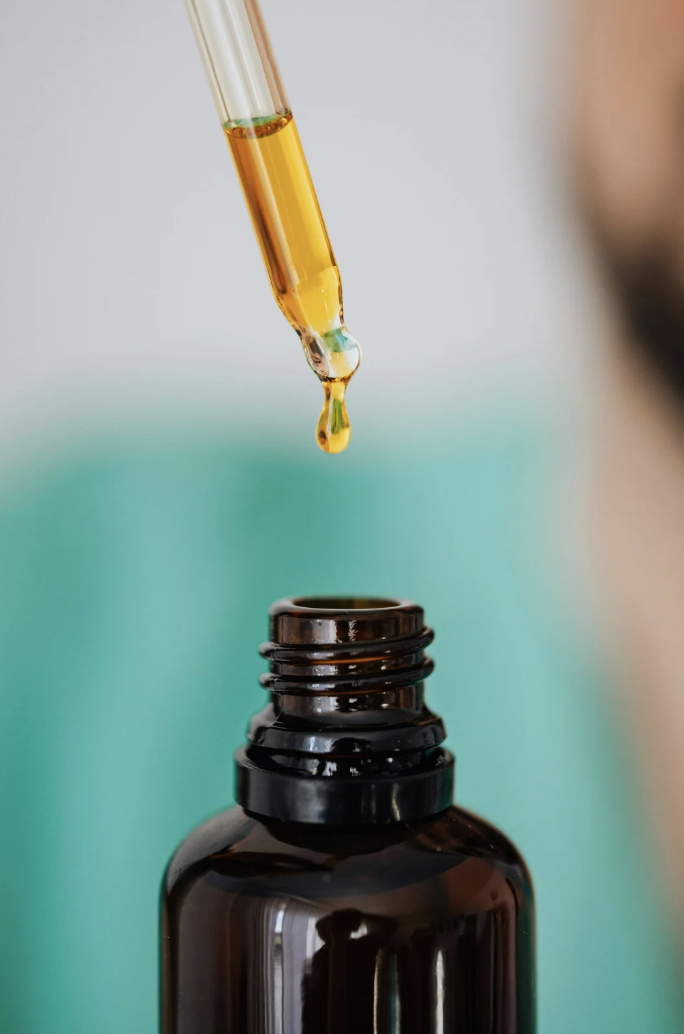

Retinol is one of the most talked-about skincare ingredients of the last 30 years. It’s in serums, creams, eye treatments, and even body lotions. But most people using it couldn’t tell you what it actually does — and more importantly, why it sometimes makes things worse before they get better.
What Is Retinol?
Retinol is a form of vitamin A. It belongs to a family of compounds called retinoids, which also includes tretinoin (prescription-strength), retinaldehyde, and retinyl palmitate. Retinol is the over-the-counter version — strong enough to produce real results, gentle enough to use without a prescription.
When you apply retinol to your skin, your body converts it into retinoic acid — the active form that actually communicates with your skin cells. This conversion process is why retinol is gentler than tretinoin (which is retinoic acid), but also why it takes longer to see results.
What Retinol Actually Does (The Science)
1. It Speeds Up Cell Turnover
Your skin naturally sheds and replaces itself every 28–40 days (longer as you age). Retinol accelerates this process — pushing newer, fresher cells to the surface faster. This is why skin looks brighter and more even-toned with consistent use: you’re seeing newer skin more often.
2. It Stimulates Collagen Production
Retinol signals fibroblasts (the cells responsible for making collagen) to ramp up production. More collagen = firmer, plumper skin with fewer fine lines. This is the mechanism behind retinol’s reputation as an anti-aging powerhouse. The catch: it takes months of consistent use to see this benefit.
3. It Unclogs Pores
Because retinol speeds up cell turnover, it prevents dead skin cells from piling up inside pores and forming blockages. Over time, regular retinol use can visibly reduce pore size and keep breakouts at bay — which is why dermatologists recommend it for acne as much as for aging.
4. It Fades Hyperpigmentation
By accelerating cell turnover, retinol helps fade dark spots, post-acne marks, and sun damage faster than they’d fade on their own. It also inhibits melanin production slightly, which helps prevent new spots from forming.
Why Does Retinol Make Skin Worse at First?
The dreaded “retinol uglies” are real — and completely normal. When you first start using retinol, you might experience:
- Dryness and flaking
- Redness and irritation
- Purging (a temporary breakout as clogged pores clear out)
- Increased sensitivity to sun
This happens because your skin isn’t used to the accelerated cell turnover. The good news: it typically subsides within 4–8 weeks as your skin adjusts. If you push through (carefully), you come out the other side with significantly better skin.
How to Use Retinol Without Wrecking Your Skin
Start Low and Slow
Begin with a low concentration (0.025%–0.1%) and use it just 1–2 nights per week. Give your skin 4 weeks to adjust before increasing frequency. Jumping to 0.5% or 1% every night as a beginner is a fast track to irritation.
Apply at Night Only
Retinol degrades in sunlight and makes skin more sun-sensitive. Always apply it at night, after cleansing, and always — always — wear SPF the next morning.
Buffer It If Needed
If irritation is an issue, try the “sandwich method”: apply moisturizer first, then retinol on top, then another layer of moisturizer. This slows absorption slightly and reduces irritation while still delivering results.
Don’t Mix With These
Avoid using retinol on the same night as AHAs/BHAs (like glycolic or salicylic acid), benzoyl peroxide, or vitamin C. These combinations can over-irritate skin and compromise your barrier. Alternate nights instead.
How Long Until You See Results?
- 4–6 weeks: Skin texture starts to improve, pores look smaller
- 8–12 weeks: Dark spots begin to fade, skin tone evens out
- 6+ months: Visible reduction in fine lines and firmer-looking skin
Retinol is a long game. It’s one of the few skincare ingredients with decades of clinical research behind it — but only if you use it consistently and correctly.
If you’re just starting out, I’d recommend something like RoC Retinol Correxion Line Smoothing Serum — it’s one of the most well-researched OTC retinol formulas out there, and the concentration is beginner-friendly enough that you can actually stick with it.
The Bottom Line
Retinol works. It’s not hype — it’s one of the most studied skincare ingredients in existence. But it requires patience, a slow introduction, and consistent SPF use. Get those three things right, and it genuinely delivers.