


I got my routine bloodwork back last spring and my doctor called me — which is never a good sign. She said my vitamin D was low. Not borderline low. Clinically deficient. My level was 18 ng/mL. The optimal range is 40–60. I live in Florida. I thought I was fine.
That was the beginning of me actually understanding what vitamin D does in the body, and why deficiency is so much more consequential than most people realize. This isn’t a post about taking supplements because it’s trendy. It’s a post about a nutrient that affects your mood, your immune system, your hormones, your bones, your sleep, and your cancer risk — and that most adults, including people who live in sunny climates, are critically short on.
The Deficiency Epidemic Nobody Talks About
Let me give you some numbers that should make you want to get your levels tested immediately. An estimated 40–42% of adults in the United States are vitamin D deficient. In some studies looking specifically at women of reproductive age, that number climbs higher. And that’s using the conventional cutoff of 20 ng/mL — if you use the more functional medicine cutoff of 30 ng/mL, the prevalence jumps to over 60%.
Why is this happening despite the fact that sunlight literally synthesizes vitamin D in human skin? Several reasons:
- Modern indoor life. We spend 90% of our time inside. Office work, commuting in cars, evening Netflix. Even people who “go outside” may not be getting meaningful sun exposure.
- Sunscreen blocks synthesis. SPF 15 reduces vitamin D synthesis by 99%. We’re correctly protecting our skin from UV damage, but the trade-off is virtually zero vitamin D production.
- Latitude and season. If you live north of Atlanta, you cannot synthesize vitamin D from the sun for roughly 4–6 months of the year — the sun is at too low an angle.
- Skin tone. Melanin reduces vitamin D synthesis. People with darker skin tones need significantly more sun exposure to produce the same amount of vitamin D, making deficiency even more common in communities of color.
- Age. Skin’s ability to synthesize vitamin D decreases significantly with age. By 70, the synthesis capacity is roughly 75% reduced compared to younger adults.
- Obesity. Vitamin D is fat-soluble and gets sequestered in adipose tissue, making it less bioavailable. The more body fat, the more vitamin D gets “trapped.”
I live in Miami. I thought I was immune to this. I was wrong. My levels were 18 ng/mL. I now know I was lucky to have actually been tested — most people never are.
How to Get Tested
The test is called a 25-hydroxyvitamin D test, or 25(OH)D. It’s a simple blood draw, covered by most insurance plans, and you should ask for it at your next annual. You can also order it yourself through services like LabCorp OnDemand or any direct-to-consumer lab.
Here’s how to read your results:
- Below 20 ng/mL: Deficient. Supplement aggressively and retest in 3 months.
- 20–29 ng/mL: Insufficient. Still too low. Supplement and optimize.
- 30–39 ng/mL: Conventional “sufficient” range, but many practitioners target higher.
- 40–60 ng/mL: Optimal range for most functional medicine practitioners and the range associated with the broadest health benefits in research.
- 60–80 ng/mL: Fine for most people, but don’t chase higher without supervision.
- Above 100 ng/mL: Toxicity risk. Only possible from extreme supplementation, not from sun.
The Benefits of Vitamin D3 for Women

Mood Regulation and Depression Prevention
Vitamin D receptors are found throughout the brain, including in the regions involved in mood regulation. Vitamin D influences serotonin synthesis and the activity of several mood-regulating pathways. The research on vitamin D and depression is now substantial: a 2022 meta-analysis of 41 randomized controlled trials found that vitamin D supplementation significantly reduced depression scores. Women with seasonal affective disorder are almost universally deficient.
When I got my levels up to 52 ng/mL over about three months, the change in my baseline mood was notable. It’s subtle in the way nutritional shifts tend to be — not like taking a mood-altering drug. More like the underlying gray fog lifted and I felt more like myself. My doctor said this is one of the most consistent things she sees in practice.
Immune System Function
Vitamin D is not just a vitamin; it functions more like a hormone, with receptors on virtually every immune cell in the body. It modulates both innate and adaptive immune responses, helping regulate inflammation and improving the body’s ability to fight pathogens. A landmark 2017 meta-analysis in the BMJ found that vitamin D supplementation reduced the risk of acute respiratory infections by 12% overall — and by 70% in people who were severely deficient.
If you’re someone who gets sick every winter, getting sick easily, or dealing with chronic low-grade inflammation, vitamin D status is one of the first things to investigate. It’s not a magic immune pill, but deficiency clearly impairs immune function and supplementation to adequate levels helps restore it.
Bone Density and Calcium Absorption
This is the most well-known benefit, but let me be specific about why it matters. Calcium gets all the credit for bone health, but calcium cannot be properly absorbed from the gut without adequate vitamin D. Without D3, you can take all the calcium you want and your bones won’t benefit. Vitamin D also regulates osteocalcin, a protein involved in bone mineralization.
Women start losing bone density in their mid-30s, and the rate accelerates dramatically after menopause. Getting vitamin D levels optimized now is one of the best investments you can make in your future bone health. A 2022 review found that vitamin D supplementation reduced fracture risk by 15% in older adults — and that benefit was concentrated in people who were actually deficient to begin with.
Hormonal Balance and Menstrual Health
Vitamin D receptors are found in ovarian tissue, and vitamin D plays a role in estrogen and progesterone production, FSH signaling, and the regulation of menstrual cycle function. Deficiency is strongly associated with polycystic ovarian syndrome (PCOS): studies have found that 67–85% of women with PCOS are vitamin D deficient. Supplementation in PCOS has been shown to improve menstrual regularity and insulin sensitivity.
Even in women without PCOS, vitamin D affects progesterone production, and low progesterone is a major driver of PMS, luteal phase defects, and irregular cycles. Getting vitamin D levels optimized is often one of the first recommendations a reproductive endocrinologist makes.
Cognitive Function and Sleep Quality
Vitamin D deficiency is associated with cognitive impairment, poorer concentration, and brain fog. Several studies have found that women with lower vitamin D levels perform worse on tests of attention, processing speed, and working memory. There’s also growing research showing links between vitamin D deficiency and sleep disorders — specifically reduced sleep duration and poor sleep quality. Vitamin D receptors in the brain regulate melatonin production and circadian rhythm function.
D3 vs. D2: Why It Matters Which Form You Take
There are two forms of supplemental vitamin D: D2 (ergocalciferol, derived from plant/fungal sources) and D3 (cholecalciferol, derived from lanolin/animal sources or lichen for vegan forms). This distinction matters: a large meta-analysis found that D3 raises serum vitamin D levels roughly 87% more effectively than D2. It also maintains elevated levels for longer.
If your supplement just says “vitamin D” without specifying D3, check the label. Always take D3.
Why You Should Take D3 with K2
This is a combination I wish I’d known about from the start. Vitamin D significantly increases calcium absorption from the gut — which is great for bones. But there’s a catch: if you’re taking high-dose vitamin D, you want to make sure that calcium gets deposited into your bones and not your arteries.
That’s where vitamin K2 (specifically the MK-7 form) comes in. K2 activates proteins called matrix Gla protein and osteocalcin, which direct calcium away from arterial walls and into bone tissue. Taking D3 at higher doses without K2 may increase arterial calcification risk over time. Taking them together directs the calcium where you actually want it.
Every D3 supplement I recommend comes combined with K2 MK-7 for this reason.
My Top Pick: Micro Ingredients Vitamin D3 + K2
Micro Ingredients Vitamin D3 5,000 IU + K2 MK-7 100mcg
This is what I take and recommend most. D3 5,000 IU paired with K2 as MK-7 in a single softgel, made with virgin coconut oil for optimal fat-soluble absorption. 300 count means an entire year’s supply. Non-GMO, easy to swallow, 29,000+ reviews. Great value and genuinely effective.
How Much Vitamin D Should You Take?
This depends entirely on your current levels. There is no one-size-fits-all answer, and this is a case where getting tested matters:
- If you’re severely deficient (<20 ng/mL): Your doctor may recommend 50,000 IU per week (prescription D2 or over-the-counter D3) for 8–12 weeks to correct the deficiency quickly. This should be supervised.
- If you’re insufficient (20–29 ng/mL): 4,000–5,000 IU daily is typically appropriate. Retest in 3 months.
- If you’re in the low-sufficient range (30–39 ng/mL): 2,000–3,000 IU daily to push toward optimal.
- If you’re already at 40+ ng/mL: 1,000–2,000 IU daily for maintenance is likely sufficient.
Always take vitamin D3 with a fat-containing meal. It’s fat-soluble and absorbs significantly better in the presence of dietary fat. I take mine with breakfast or dinner.
More D3+K2 Options
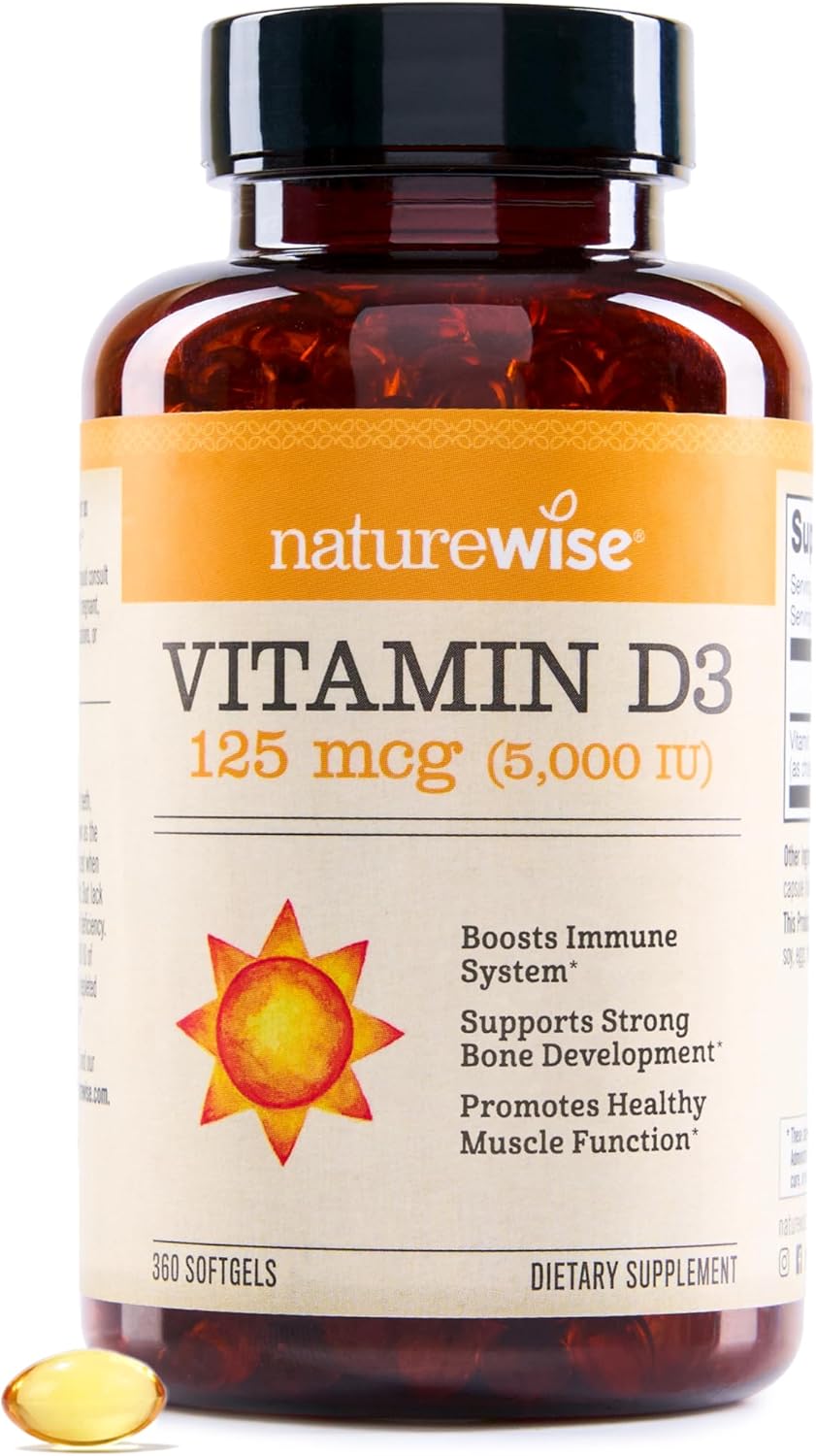
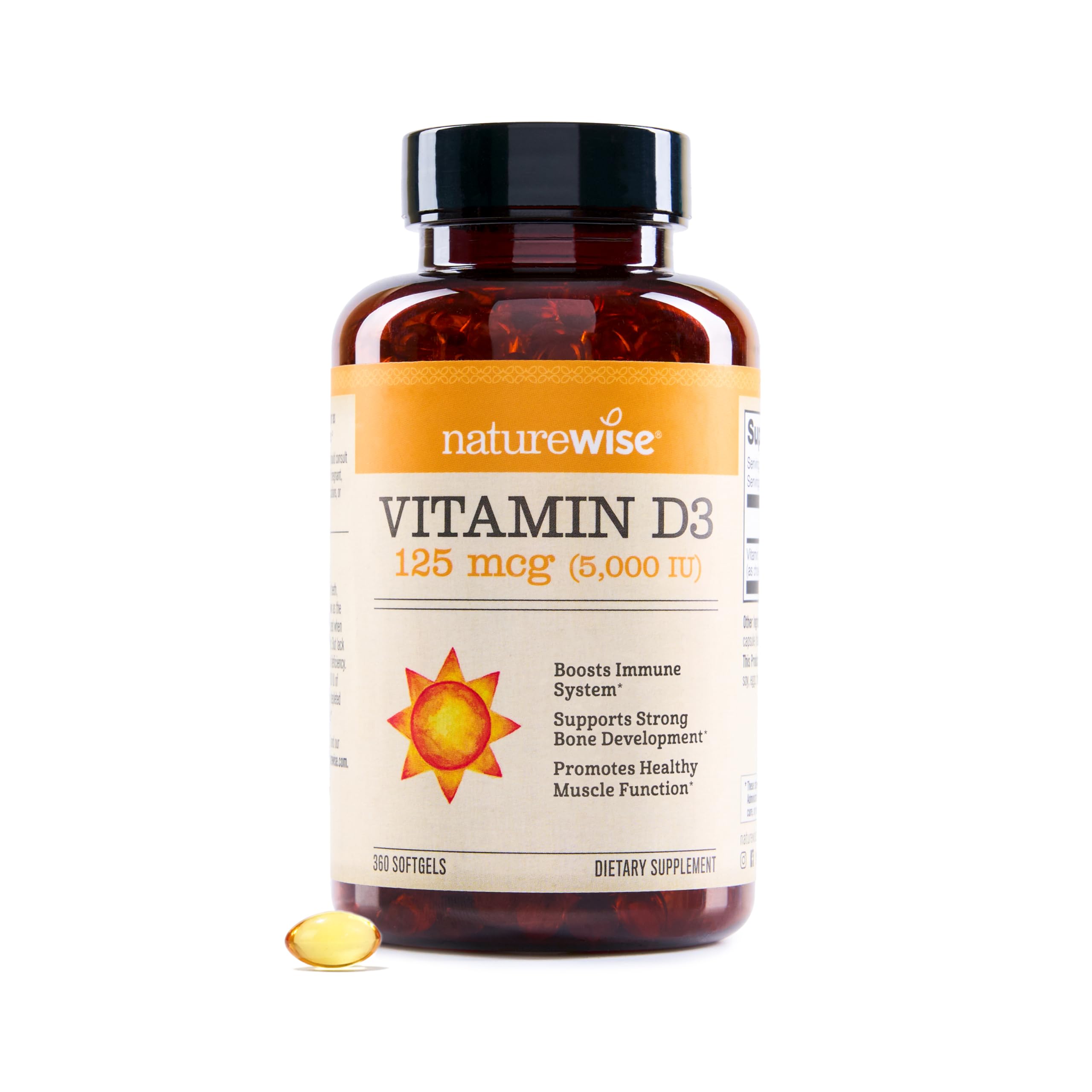
NatureWise Vitamin D3 5,000 IU in Organic Olive Oil
#1 bestseller in Vitamin D Supplements on Amazon with 191,000+ reviews. Mini softgel makes it extremely easy to swallow. In organic extra virgin olive oil for fat-soluble absorption. Non-GMO, gluten-free. The easiest entry point if you’re just starting out with D3 supplementation.
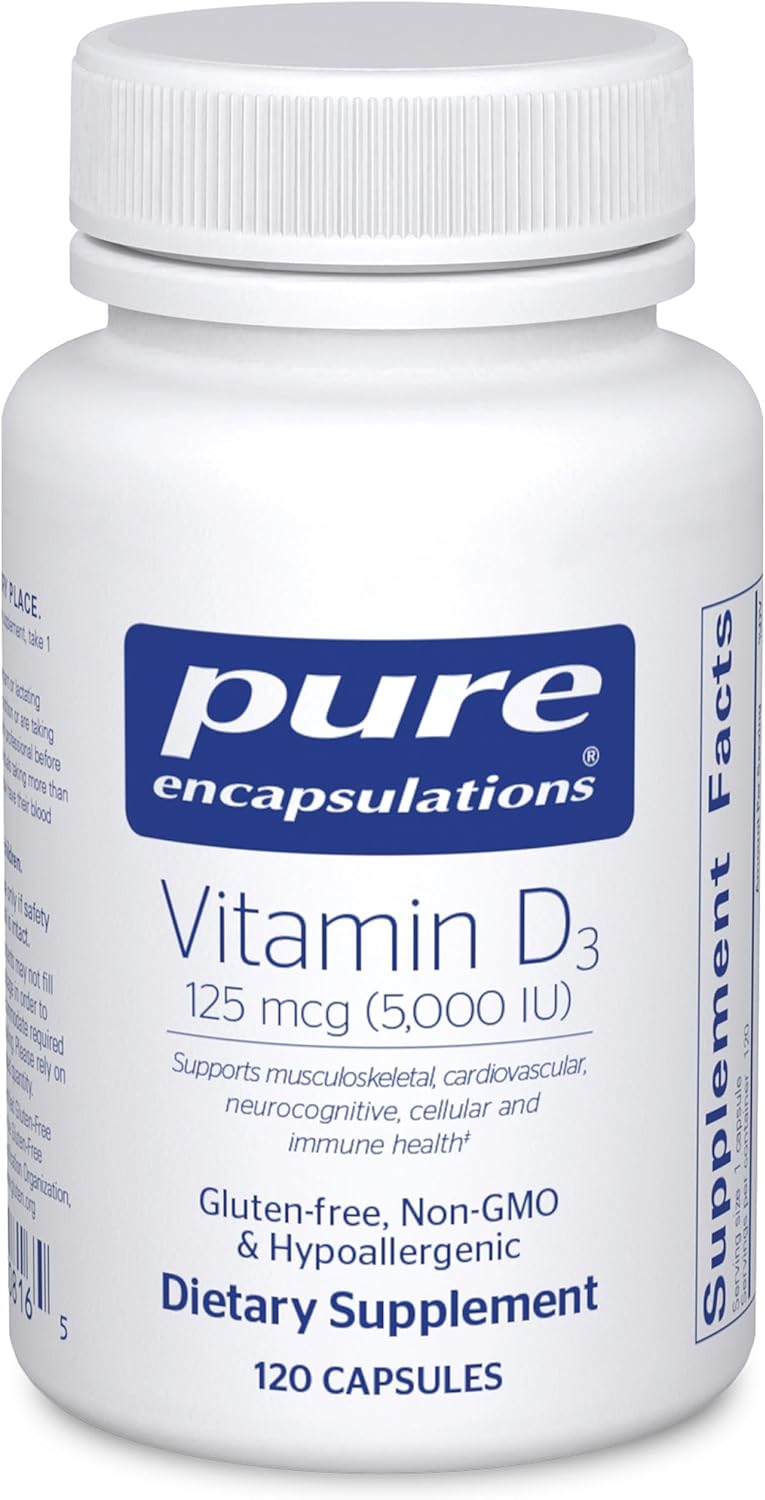
Pure Encapsulations Vitamin D3 & K2
Premium clinical-grade D3+K2 from the practitioner-trusted brand. Hypoallergenic, free of common allergens and fillers, third-party tested. For those who want absolute confidence in supplement purity. Ideal for anyone with sensitivities or who has been recommended supplementation by a healthcare provider.
Signs of Vitamin D Deficiency in Women: A Complete Checklist
Most people who are vitamin D deficient don’t know it. The symptoms are often subtle, dismissed as “just being tired” or chalked up to stress. Here’s what vitamin D deficiency actually looks like in women — and why you should take it seriously if several of these apply to you:
- ✔ Persistent fatigue and low energy — Not the tired-after-a-long-day kind. The deep, unshakeable exhaustion that doesn’t improve with rest. Vitamin D plays a role in mitochondrial function and cellular energy production.
- ✔ Frequent colds, flu, or infections — If you seem to catch every illness that goes around, impaired immune function from D deficiency is a likely contributor.
- ✔ Bone or back pain — Vitamin D is essential for calcium absorption. Without it, bones can become soft and painful, especially in the lower back and hips.
- ✔ Depression or persistently low mood — This is one of the most consistent findings in D deficiency research. Women report a noticeable “gray fog” that lifts when levels are corrected.
- ✔ Slow wound healing — Vitamin D plays a role in collagen formation and inflammation control. Poor healing after cuts, surgery, or injury can indicate deficiency.
- ✔ Hair loss — Vitamin D receptors are involved in hair follicle cycling. Diffuse hair thinning and excessive shedding are associated with low vitamin D, especially in women with alopecia areata.
- ✔ Muscle weakness or pain — Unexplained muscle aches, weakness, or heaviness in the legs — particularly noticeable when climbing stairs — is a classic deficiency symptom.
- ✔ Brain fog and difficulty concentrating — Difficulty focusing, processing information slowly, or feeling mentally “off” are documented symptoms of insufficient vitamin D levels.
- ✔ Mood swings and PMS — Women with PMS and PMDD often have lower vitamin D levels. The nutrient affects progesterone production and serotonin activity, both of which influence cyclical mood symptoms.
- ✔ Poor sleep quality — Trouble falling asleep, waking frequently, or feeling unrefreshed despite adequate sleep hours may be linked to vitamin D’s role in melatonin and circadian rhythm regulation.
Important: These symptoms can all have other causes. But if you have several of them and haven’t been tested for vitamin D deficiency, that should be your next step. A 25(OH)D blood test is inexpensive, covered by most insurance, and can be requested at your next annual exam or ordered directly through a lab service.
How Much Vitamin D Do Women Actually Need? A Dosage Breakdown by Life Stage
The official RDA for vitamin D is embarrassingly low — 600–800 IU per day, set by the Institute of Medicine. This recommendation was designed to prevent rickets in otherwise healthy people, not to achieve the blood levels associated with immune protection, mood regulation, cancer risk reduction, or hormonal health. Most vitamin D researchers and functional medicine practitioners work with different targets.
Here’s a practical guide to vitamin D dosage for women, broken down by life stage and situation:
Teens and Young Adult Women (Ages 15–30)
Maintenance dose (if levels are already 40+ ng/mL): 1,000–2,000 IU daily
Optimization dose (if levels are 30–39 ng/mL): 2,000–4,000 IU daily
Correction dose (if levels are below 30 ng/mL): 4,000–5,000 IU daily; retest at 3 months
Young women tend to respond well to supplementation and often reach optimal levels relatively quickly. If you’re in this group and dealing with PMS, irregular cycles, or frequent illness, D deficiency is worth ruling out.
Women of Reproductive Age (Ages 30–50)
If planning pregnancy or currently pregnant: The evidence strongly supports 4,000 IU daily as a safe and effective target for pregnant women. Higher levels during pregnancy are associated with reduced preeclampsia risk, lower rates of preterm birth, and improved neonatal outcomes. Your OB or midwife should be monitoring your levels.
If dealing with PCOS, irregular cycles, or fertility concerns: 4,000–5,000 IU daily. Studies have shown significant improvements in insulin sensitivity, menstrual regularity, and AMH levels with vitamin D optimization in this population.
General maintenance (if levels are adequate): 2,000–3,000 IU daily with periodic retesting
Perimenopausal and Menopausal Women (Ages 45–60)
This is arguably the most important group to get optimal. Estrogen decline dramatically affects calcium metabolism and bone density, and vitamin D is the critical partner to calcium during this transition.
General recommendation: 3,000–5,000 IU daily, with testing every 6 months initially. Pair with K2 (MK-7) at 100–200 mcg to ensure calcium directs to bone rather than arterial walls.
Women Over 60
Skin’s capacity to synthesize vitamin D from sunlight decreases roughly 75% with age. Combined with less outdoor time and reduced kidney efficiency in converting D to its active form, older women are at very high risk for deficiency.
Recommendation: 4,000–5,000 IU daily. Many practitioners in this age group target blood levels of 50–60 ng/mL for bone protection and cognitive preservation. Fracture prevention studies show the most benefit in women with levels consistently above 40 ng/mL.
A Note on Testing Before Dosing
These are general guidelines, not medical prescriptions. The right dose for you depends on your current levels, your body weight, your absorption efficiency, and your overall health status. Vitamin D is fat-soluble and accumulates — you can overshoot, though toxicity requires truly excessive doses over extended periods. Get your baseline tested. Then use these guidelines to inform your supplementation strategy, and retest in 3 months to confirm your response.
The Best Time to Take Vitamin D3
Timing matters more for vitamin D than for most supplements, and getting it right can meaningfully affect how much you absorb.
With a Meal Containing Fat
Vitamin D is fat-soluble. Without dietary fat present, your gut absorbs significantly less of it. A study published in the Journal of Bone and Mineral Research found that taking vitamin D with a meal containing the most fat increased absorption by 50% compared to taking it on an empty stomach.
This means: take your D3 with breakfast, lunch, or dinner — whichever meal is most substantial and reliably includes some fat. Even a small amount of fat (a handful of nuts, olive oil, eggs, avocado) is sufficient.
Morning vs. Evening
There’s some evidence that vitamin D may affect sleep quality when taken in the evening. Vitamin D plays a role in regulating melatonin production and circadian rhythms — and for some people, an evening dose appears to interfere with sleep onset.
The general recommendation: take it in the morning or at lunch, not at dinner or before bed. This is anecdotally reported to be the practice of many practitioners who’ve noticed sleep disruption in patients who dose in the evening.
Consistency Over Timing
The most important thing is consistency. Vitamin D builds up in your system over weeks and months. Missing doses frequently is far more impactful than the difference between morning and afternoon. Pick a meal where you can reliably remember to take it — whether that’s breakfast or lunch — and keep the habit.
Do You Need to Take It Every Day?
Research shows that weekly or even monthly high-dose supplementation can work for some people, but daily dosing produces more stable blood levels with fewer peaks and troughs. Daily dosing at 2,000–5,000 IU is preferred for most women over a weekly mega-dose unless prescribed by your doctor.
Vitamin D3 and Weight Loss: What the Research Actually Shows
If you’ve searched “vitamin D3 and weight loss,” you’ve probably found a mix of enthusiastic claims and cautious disclaimers. Here’s where the science actually stands — and why vitamin D might matter if you’re working on your weight.
The Fat Sequestration Problem
Vitamin D is stored in adipose (fat) tissue. This means that in people with higher body fat percentages, significant amounts of vitamin D get “sequestered” — locked in fat stores and unavailable for use in the body. This is one reason why obesity is strongly correlated with vitamin D deficiency: the fat tissue acts like a vitamin D sink.
This also creates a cycle: deficiency may make it harder to lose weight, and being overweight makes deficiency more likely. Higher doses of vitamin D are often needed for overweight women to achieve the same blood levels as thinner women taking the same dose.
Vitamin D and Insulin Sensitivity
Multiple studies have shown that vitamin D deficiency impairs insulin sensitivity and glucose metabolism. Correcting deficiency has been shown to improve insulin response — which affects hunger hormones, fat storage, and energy regulation. For women with prediabetes, insulin resistance, or PCOS, this is particularly relevant.
Does Vitamin D Directly Burn Fat?
Not in a direct, dramatic way. Vitamin D supplementation doesn’t cause weight loss on its own in people without deficiency. But in deficient women, correcting levels may support weight loss efforts by improving energy, reducing fatigue (making exercise more accessible), normalizing hormones, and improving insulin sensitivity.
A 2011 study found that women with adequate vitamin D levels lost more body fat during a 12-week weight loss program than those who were deficient. Another study found that parathyroid hormone — elevated when vitamin D is low — promotes fat cell growth, and that normalizing vitamin D levels reduced this effect.
Bottom line: If you’re working on your weight and also vitamin D deficient, correcting your deficiency should be a priority — not as a magic weight loss pill, but as removing a metabolic obstacle that may be working against you.
Vitamin D3 and Depression: What You Need to Know
Of all vitamin D’s effects, the connection to mood and depression is one of the most robust and personally meaningful to many women who discover it. This is not alternative medicine conjecture — it’s supported by a substantial and growing body of research.
The Mechanism
Vitamin D receptors (VDRs) are found throughout the brain, including in the prefrontal cortex, hippocampus, and areas involved in emotion regulation and reward processing. Vitamin D influences:
- Serotonin synthesis — specifically, it increases expression of tryptophan hydroxylase, the enzyme that converts tryptophan to serotonin
- Dopamine activity — research suggests D deficiency may impair dopaminergic function
- Neuroinflammation — vitamin D has anti-inflammatory effects in the brain, and neuroinflammation is increasingly understood as a driver of depression
What the Research Shows
A landmark 2022 meta-analysis published in Critical Reviews in Food Science and Nutrition analyzed 41 randomized controlled trials and found that vitamin D supplementation significantly reduced depression scores across study populations. The benefit was most pronounced in people who were actually deficient.
A separate systematic review found that women with seasonal affective disorder (SAD) — the well-established winter depression pattern — are almost universally vitamin D deficient and that supplementation significantly improves SAD symptoms in controlled trials.
Postpartum depression has also been linked to severe vitamin D deficiency. This is particularly concerning given that many women become more deficient during pregnancy (the baby draws on maternal stores) and breastfeeding.
My Experience
When my levels climbed from 18 to 52 ng/mL over three months of consistent supplementation, the change in my baseline mood was real and notable. Not dramatic in the way of taking a medication — more like the removal of a weight I’d been so accustomed to carrying that I’d stopped noticing it. My functional medicine doctor says this is one of the most consistent patient experiences she encounters in practice.
If you’re experiencing depression, especially with a seasonal pattern, or chronic low mood that hasn’t responded well to other interventions, getting a vitamin D test and correcting any deficiency is low-hanging fruit worth grabbing.
Frequently Asked Questions About Vitamin D Supplements for Women
What are the main vitamin D3 benefits for women?
The key benefits of vitamin D3 for women include improved mood and reduced risk of depression, stronger immune function, better bone density and calcium absorption, hormonal balance (especially relevant for PCOS), healthier menstrual cycle regulation, improved sleep quality, and reduced inflammation. Vitamin D deficiency is also linked to higher risks of certain cancers, cardiovascular disease, and autoimmune conditions — making optimization one of the highest-leverage health interventions available.
What are the symptoms of vitamin D deficiency in women?
Common symptoms include persistent fatigue, frequent illness or infections, bone or back pain, depression or low mood, hair loss, muscle weakness, brain fog, poor sleep, and worsened PMS. Many women have no obvious symptoms despite clinically low levels — the only way to know your status is a 25(OH)D blood test.
What are the best vitamin D supplements for women?
Look for D3 (cholecalciferol) rather than D2 — D3 raises blood levels roughly 87% more effectively. Paired with K2 MK-7 is ideal for directing calcium to bones rather than arteries. Our top picks include the Micro Ingredients D3+K2 combo (5,000 IU D3 + 100 mcg K2 MK-7), NatureWise D3 5,000 IU in olive oil, and Pure Encapsulations D3+K2 for those with sensitivities.
Is 5000 IU vitamin D3 safe for women?
Yes, for most women, 5,000 IU daily is both safe and effective — especially if you’re currently deficient. Studies involving doses up to 10,000 IU daily over extended periods have not shown toxicity in healthy adults. That said, having your levels tested is recommended so you can confirm you’re hitting the optimal 40–60 ng/mL range rather than overcorrecting.
Can you take vitamin D3 every day?
Yes, and daily dosing is preferred over weekly mega-doses for most women. Daily supplementation produces more stable blood levels. Consistency is more important than the specific time of day you take it — but take it with a fat-containing meal for best absorption.
Should I take vitamin D3 with K2?
Yes, especially at doses of 2,000 IU or higher. Vitamin D significantly increases calcium absorption, and K2 (specifically MK-7) ensures that calcium ends up in your bones rather than your arterial walls. Taking high-dose D without K2 over extended periods may contribute to arterial calcification risk. Every D3 supplement we recommend comes paired with K2.
Does vitamin D help with vitamin D supplements for women’s weight loss?
Indirectly, yes — particularly if you’re deficient. Correcting vitamin D deficiency may improve insulin sensitivity, reduce fatigue (making exercise more accessible), and support hormonal balance. It’s not a weight loss supplement on its own, but deficiency appears to be a metabolic obstacle that can work against weight management efforts.
How long does it take for vitamin D3 to work?
Blood levels typically improve significantly within 8–12 weeks of consistent supplementation. Mood improvements are often noticed within 4–8 weeks. Bone density changes take months to years to be measurable on DEXA scans. Immune benefits are more immediate — studies show improved resistance to respiratory illness within weeks of correction. Retest at 3 months to confirm you’ve reached your target range.
You’ll Also Love
- Magnesium Glycinate Benefits for Women (And Why This Form Is Worth It)
- 10 Benefits of Magnesium for Women (And Why You’re Probably Deficient)
- Ashwagandha Benefits for Women: What It Actually Does
- Cycle Syncing Explained: How to Work With Your Hormones
Free Download
Get My Daily Supplement Stack Guide
Everything I take, why I take it, and what I noticed — morning, midday, and evening. Free when you join the list.
No spam, ever. Unsubscribe anytime.