


Here’s something that might surprise you: nearly 42% of Americans are vitamin D deficient, and women are disproportionately affected. If you’ve been feeling tired, moody, or just “off” — this might be exactly why. Let’s talk about why vitamin D is so important for us as women, how to know if you’re deficient, and the best supplements to actually fix it.
Why Vitamin D Is So Important for Women
Vitamin D isn’t really a vitamin — it’s a prohormone, meaning your body converts it into a hormone that affects hundreds of bodily functions. For women specifically, getting enough vitamin D is crucial for:
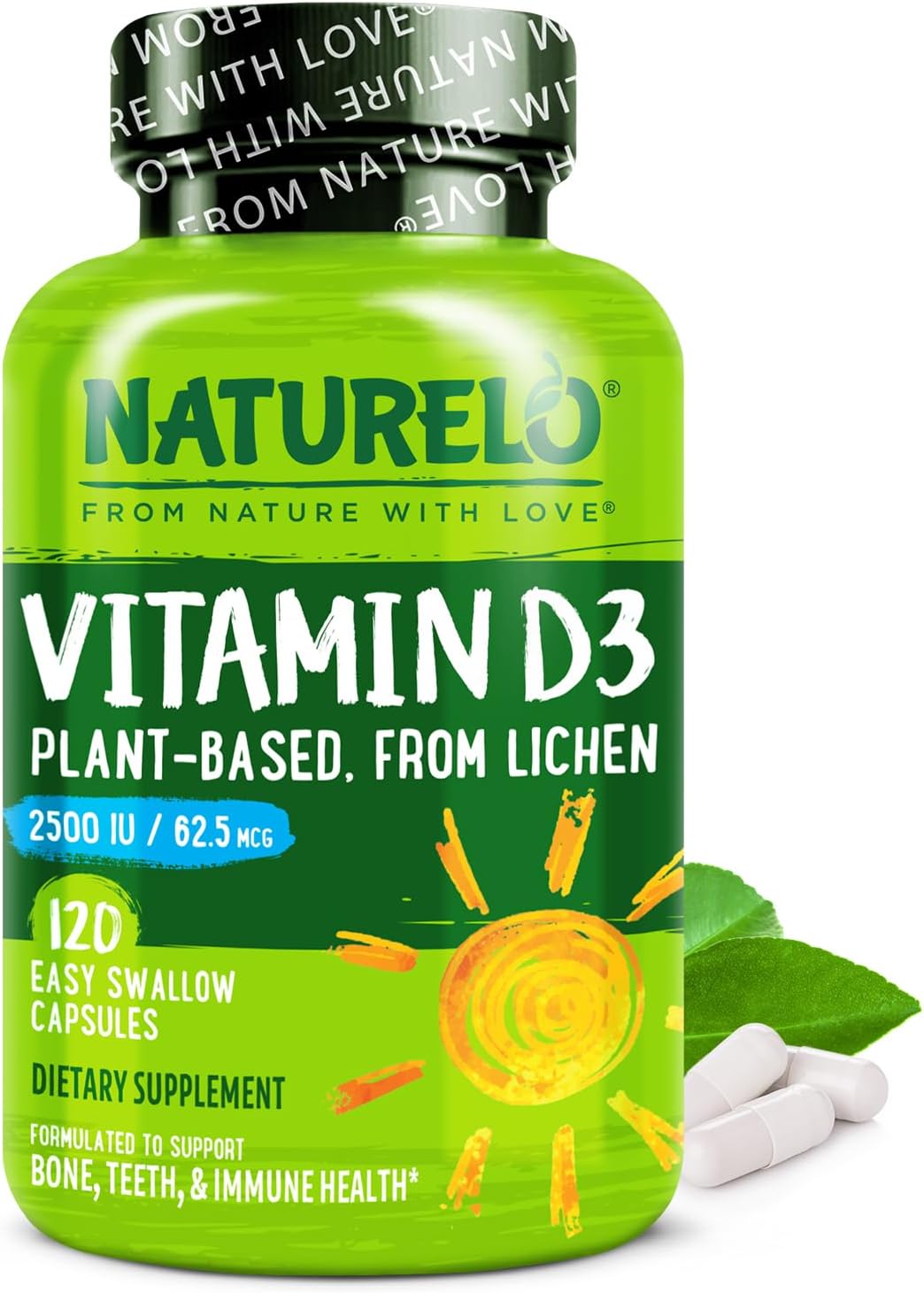
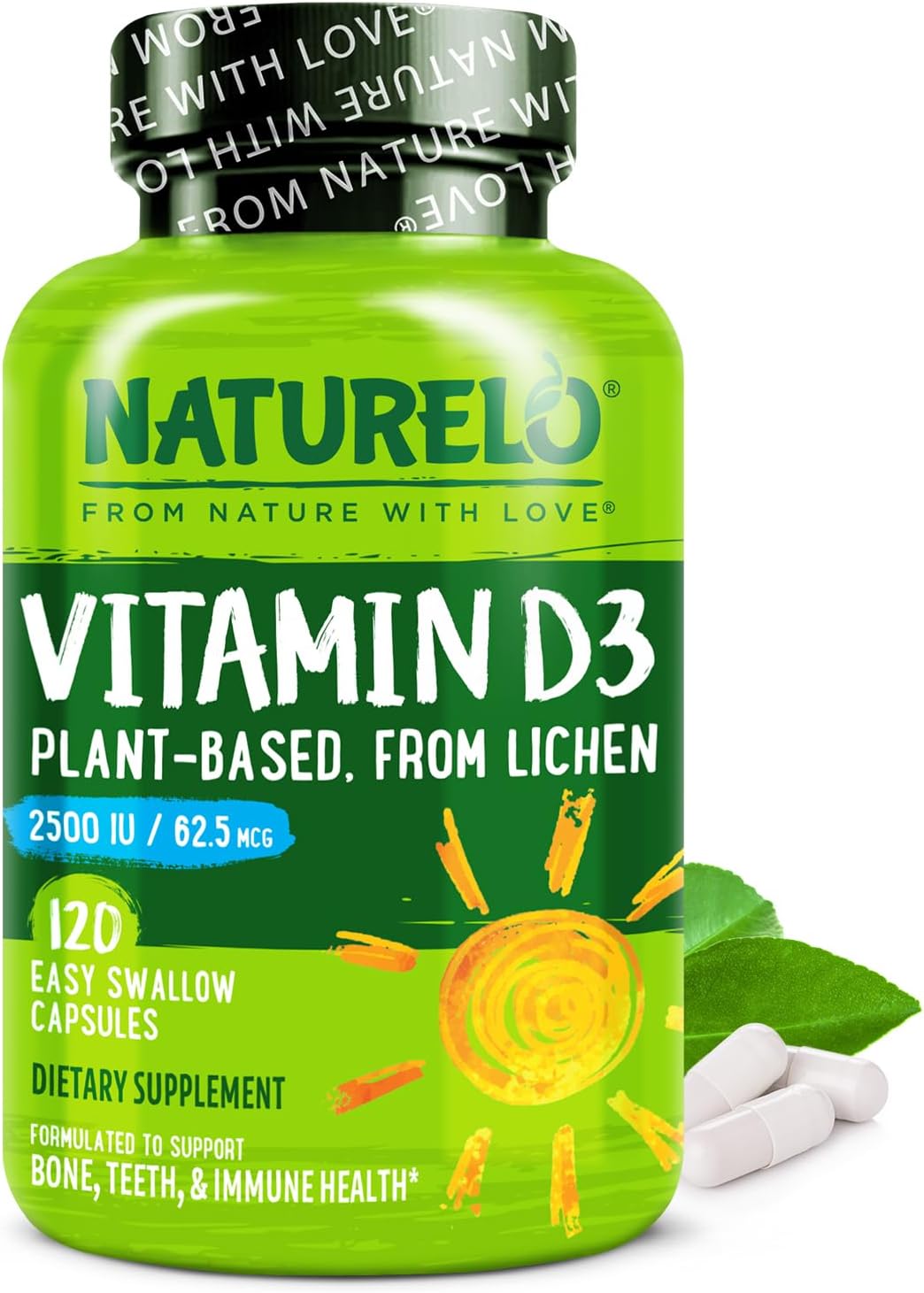
NATURELO Vitamin D – 2500 IU – Plant Based from Lichen – Natural D3 Su
The most bioavailable form of vitamin D — easy to take and worth every penny.
- Bone health — Vitamin D helps your body absorb calcium. Without it, you’re at much higher risk for osteoporosis and fractures, especially after menopause.
- Hormonal balance — Low vitamin D is linked to PCOS, irregular periods, and fertility issues.
- Mood and mental health — There’s strong evidence connecting vitamin D deficiency to depression, anxiety, and seasonal affective disorder (SAD).
- Immune function — Vitamin D is essential for a properly functioning immune system.
- Energy levels — Deficiency is one of the most common (and overlooked) causes of chronic fatigue.
Signs You Might Be Vitamin D Deficient

The tricky thing about vitamin D deficiency is that symptoms are vague and easy to attribute to other things. Watch for:
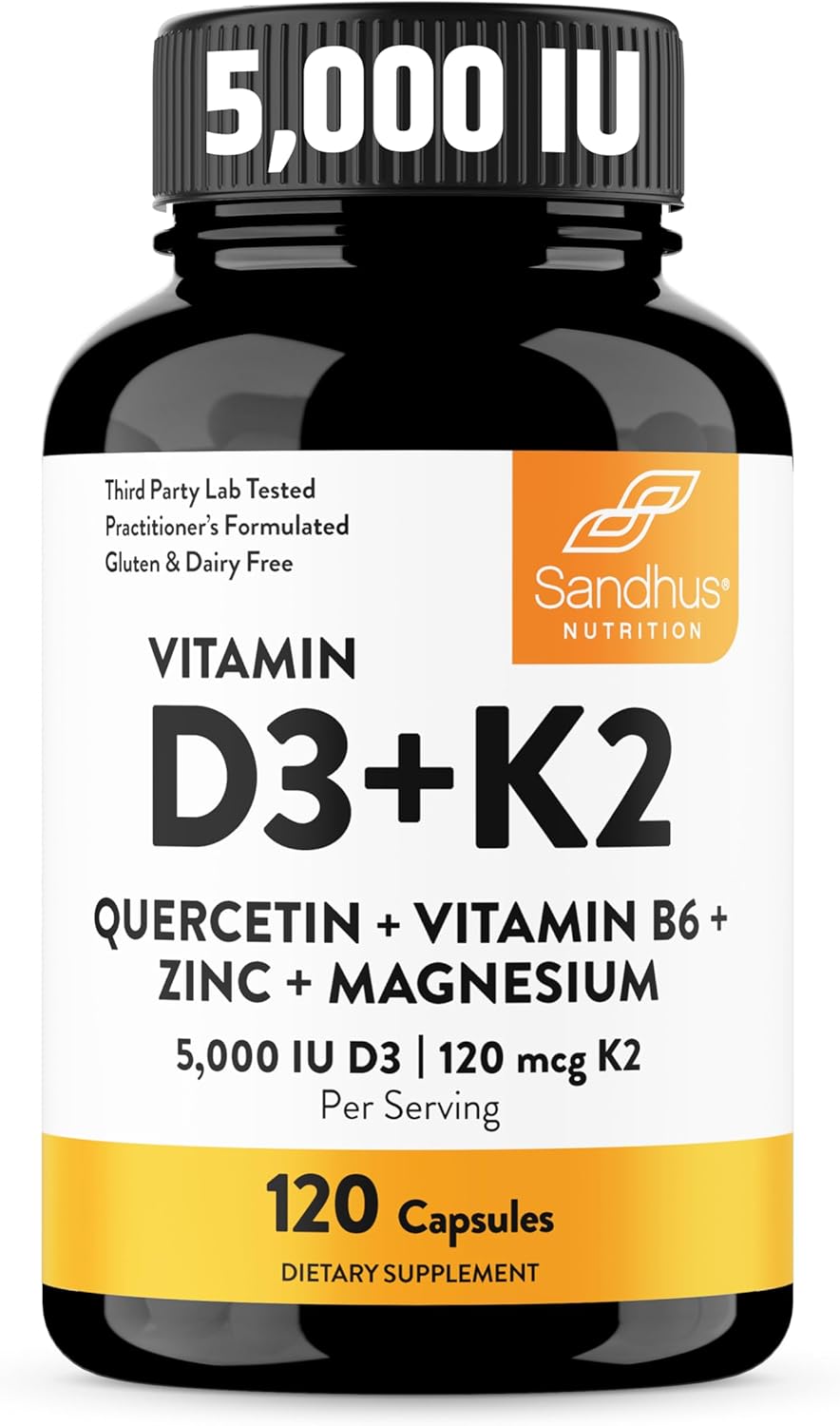
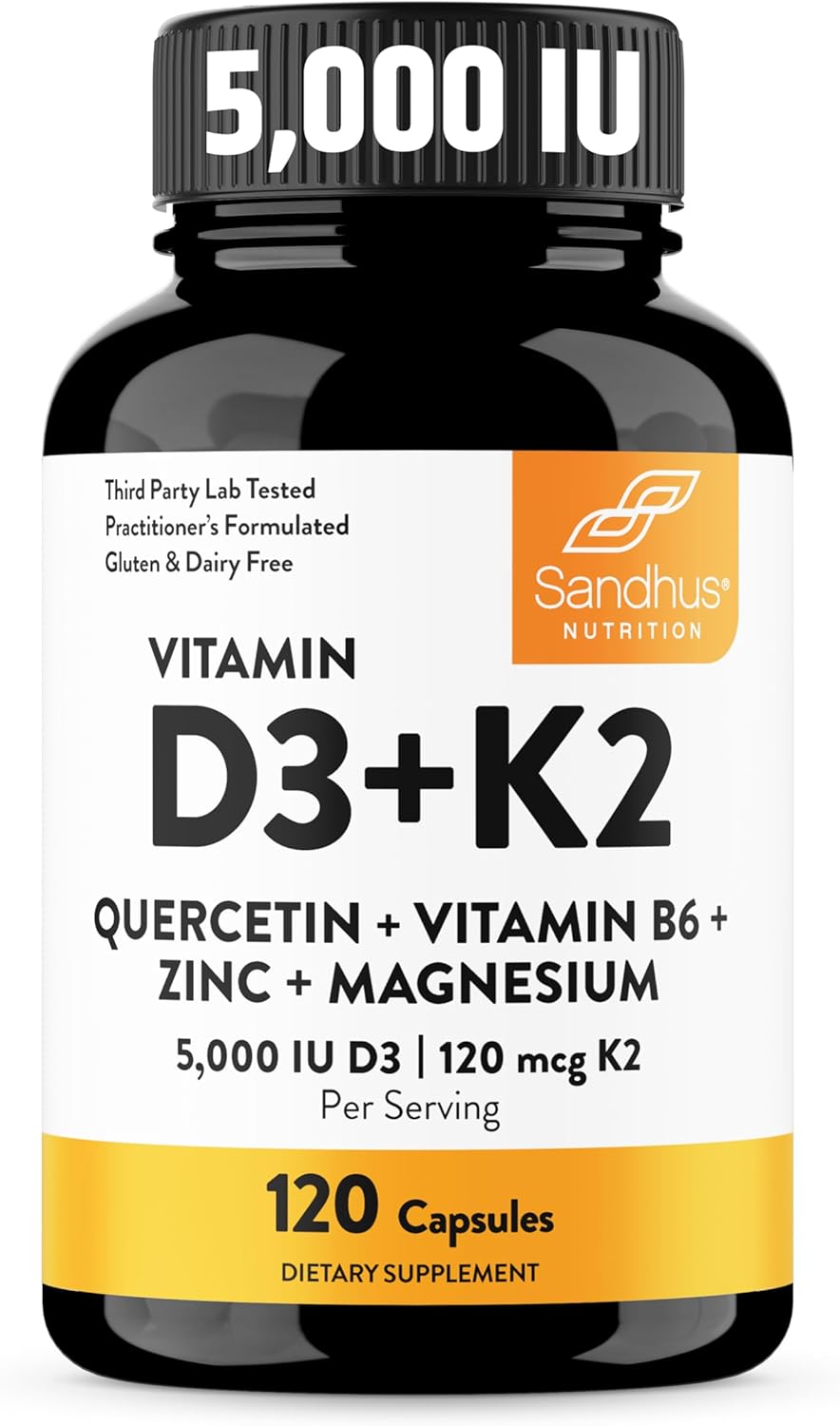
Sandhu's Vitamin D3 K2 Magnesium 5000 IU, 120mcg K2 Capsules 120 C
D3 and K2 together for optimal absorption — what most doctors actually recommend.
- Persistent fatigue even after a full night’s sleep
- Frequent illness or infections
- Bone pain or aching muscles
- Low mood, depression, or anxiety
- Hair loss (yes, really!)
- Slow wound healing
- Brain fog or difficulty concentrating
The only way to know for sure is a blood test. Ask your doctor for a 25-hydroxyvitamin D test — you want your levels to be between 40-60 ng/mL for optimal health. Most labs flag “deficiency” at under 20, but many functional medicine doctors consider anything under 40 to be suboptimal.
Why Are So Many Women Deficient?

A few reasons why vitamin D deficiency is so widespread among women:
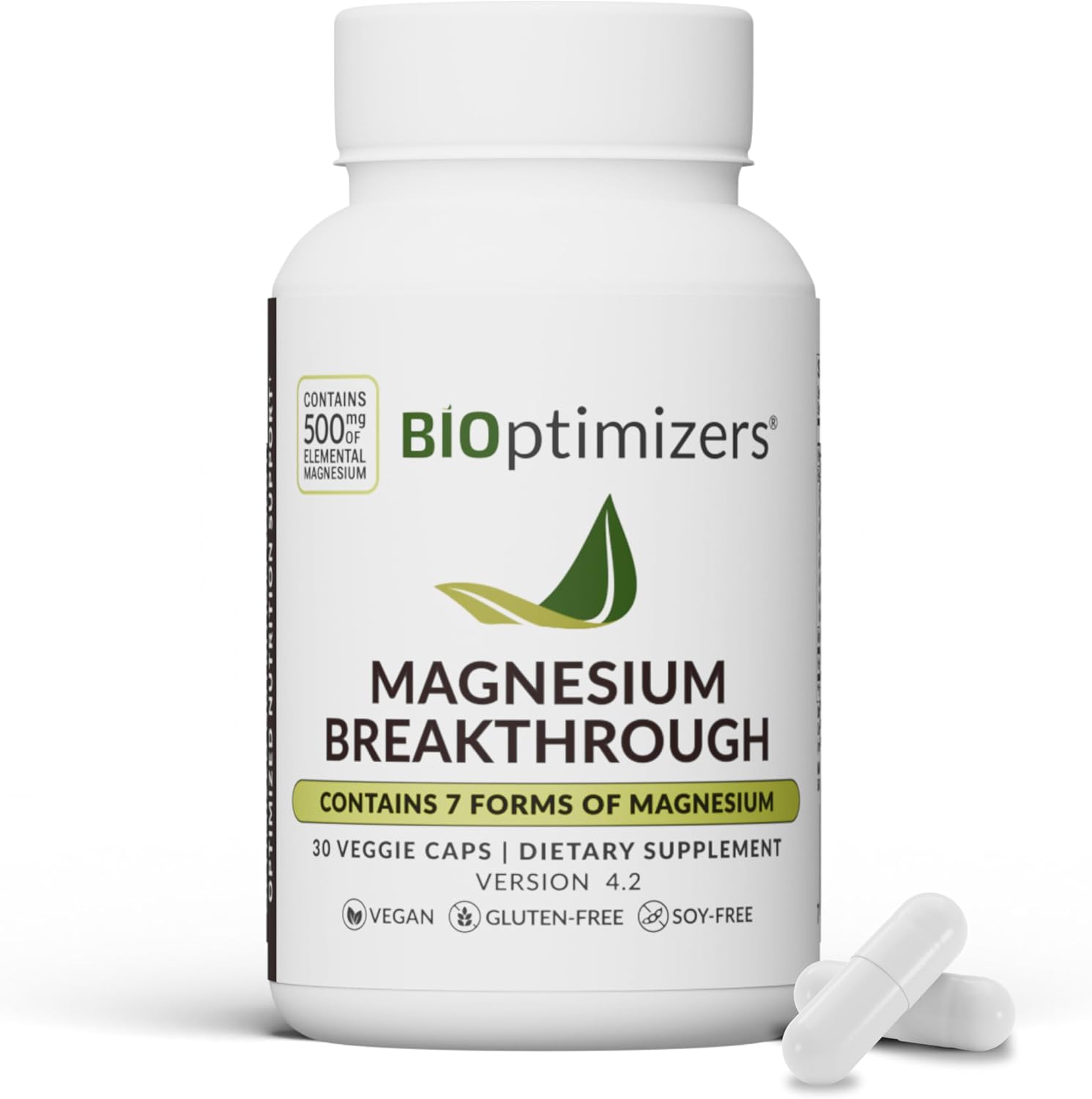
BIOptimizers Magnesium Breakthrough Supplement with 500mg – 7 Forms of
Magnesium works alongside vitamin D and supports better sleep, mood, and muscle recovery.
Sunscreen Use
We absolutely should be wearing SPF — but it also blocks the UVB rays your skin needs to synthesize vitamin D. Even SPF 15 blocks about 93% of UVB rays. Most dermatologists agree that a few minutes of unprotected sun exposure on your arms and legs a few days a week is fine for most people, but it’s often not enough to maintain adequate levels.
Indoor Lifestyle

Most of us spend the majority of our time indoors. If you live above the 37th parallel (that’s basically anything north of Atlanta in the US), you can’t make vitamin D from sunlight at all during winter months.
Dietary Sources Are Limited

Very few foods naturally contain significant amounts of vitamin D — mainly fatty fish, egg yolks, and fortified foods. It’s incredibly difficult to get enough from diet alone.
How Much Vitamin D Should You Take?
Most adults need at least 2,000-4,000 IU of vitamin D3 per day to maintain optimal levels, though if you’re deficient, you may need higher doses temporarily under medical supervision.
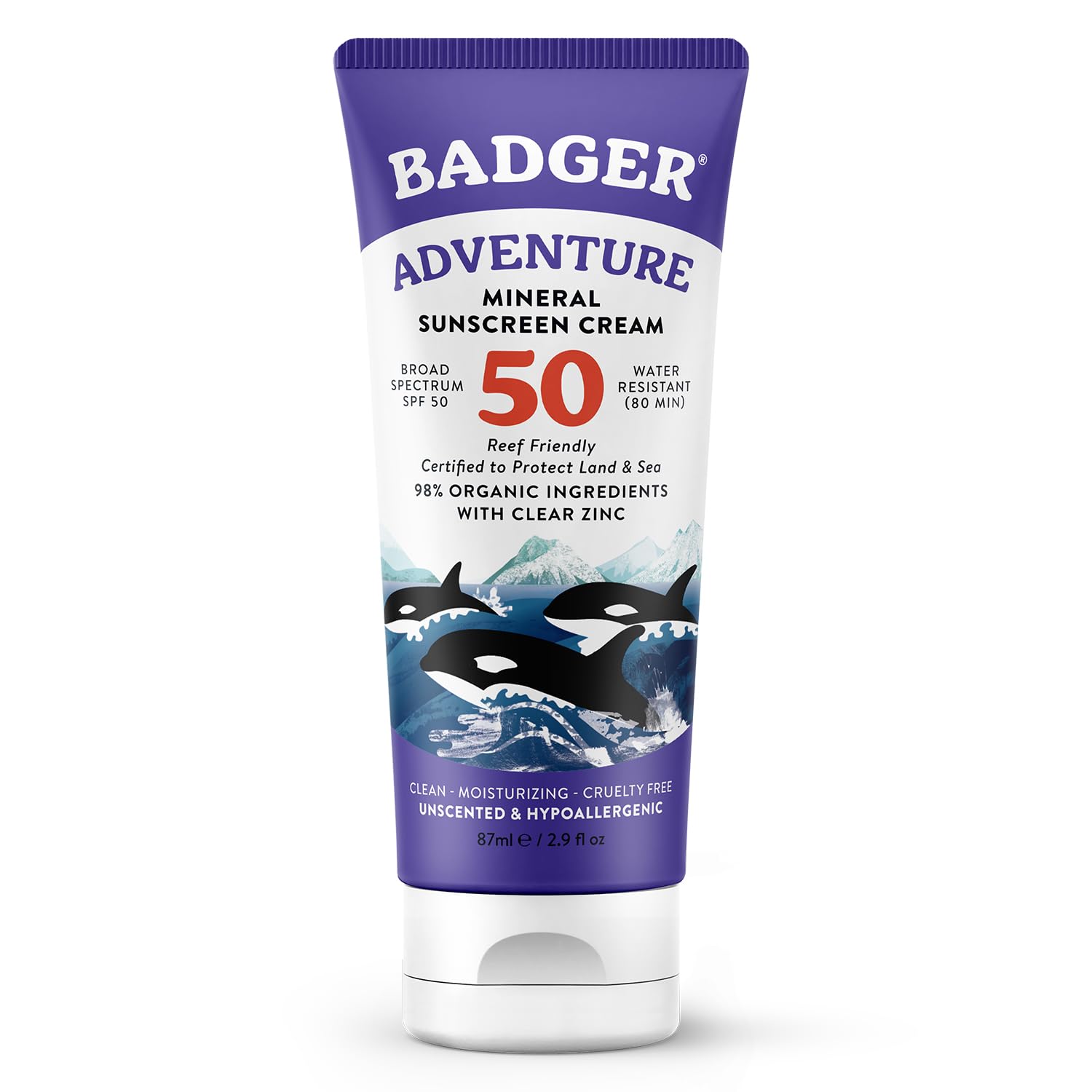
Badger Mineral Sunscreen SPF 50 Zinc Oxide Sunscreen with 98% Organic
Protect your skin while still getting some sun — this SPF works without blocking all vitamin D synthesis.
A few important notes:
- Always choose vitamin D3 (cholecalciferol) over D2 — it’s significantly more effective at raising blood levels
- Take vitamin D with a meal containing fat, since it’s fat-soluble
- Pair it with vitamin K2 — K2 helps direct calcium to your bones rather than your arteries
- Magnesium is also important — your body needs it to convert vitamin D to its active form
How to Get More Vitamin D Naturally
The most efficient way to raise Vitamin D levels is sun exposure — about 10–30 minutes of midday sun on your arms and legs a few times per week can maintain adequate levels for most people. But factors like sunscreen use, skin tone, geographic location, and time of year all affect how much D your body actually produces.
Food sources of Vitamin D are limited but worth knowing: fatty fish (salmon, mackerel, sardines), egg yolks, and fortified foods like milk and orange juice all contribute. But for most people, diet alone isn’t enough to reach optimal levels.
Signs Your Vitamin D Supplement Is Working
After 4–8 weeks of consistent supplementation with an adequate dose, many women report:
- Improved mood and reduced feelings of seasonal depression
- Better sleep quality and easier mornings
- Less muscle weakness and fatigue
- Fewer colds and infections
The only way to know for sure is bloodwork. A 25-hydroxyvitamin D test is simple, often covered by insurance, and gives you a concrete number to work with. Aim for levels between 40–60 ng/mL for optimal health — not just the bare minimum to avoid deficiency.
You Might Also Like
Frequently Asked Questions
What does Vitamin D deficiency look like in women?
Common signs include persistent fatigue, low mood or depression, muscle weakness, frequent illness, and bone or joint pain. Hair loss and impaired wound healing can also be signs of low Vitamin D.
How much Vitamin D should women take daily?
Most health organizations recommend 600–800 IU daily, but many doctors suggest 1,000–2,000 IU for women who are deficient. Always test your levels before supplementing heavily.
Shop All Recommendations
Everything featured — click to shop on Amazon:
NATURELO Vitamin D – 2500 IU – Plant Based from Lichen – Natural D3 Su
The most bioavailable form of vitamin D — easy to take and worth every penny.
Sandhu's Vitamin D3 K2 Magnesium 5000 IU, 120mcg K2 Capsules 120 C
D3 and K2 together for optimal absorption — what most doctors actually recommend.
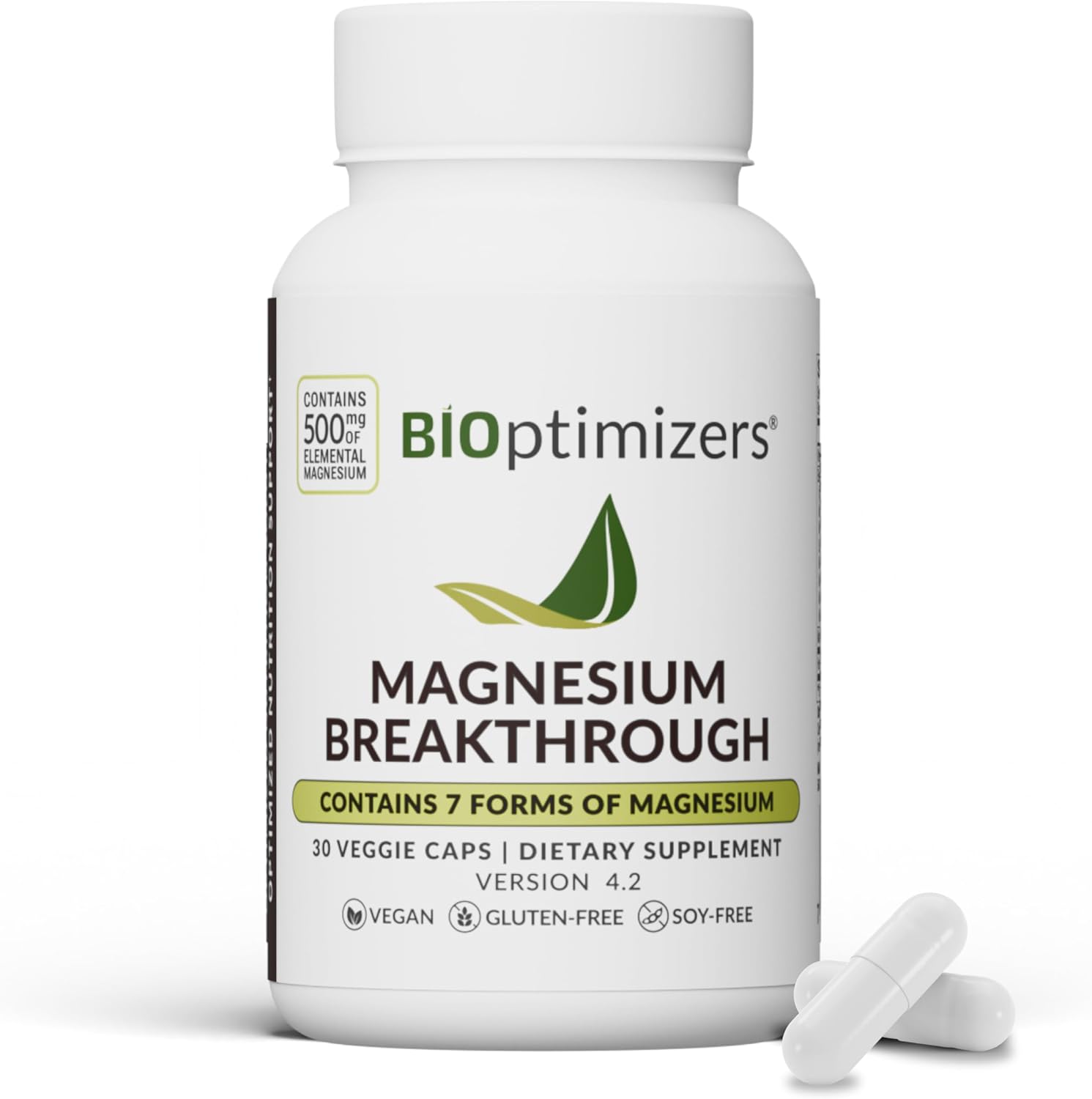
BIOptimizers Magnesium Breakthrough Supplement with 500mg – 7 Forms of
Magnesium works alongside vitamin D and supports better sleep, mood, and muscle recovery.
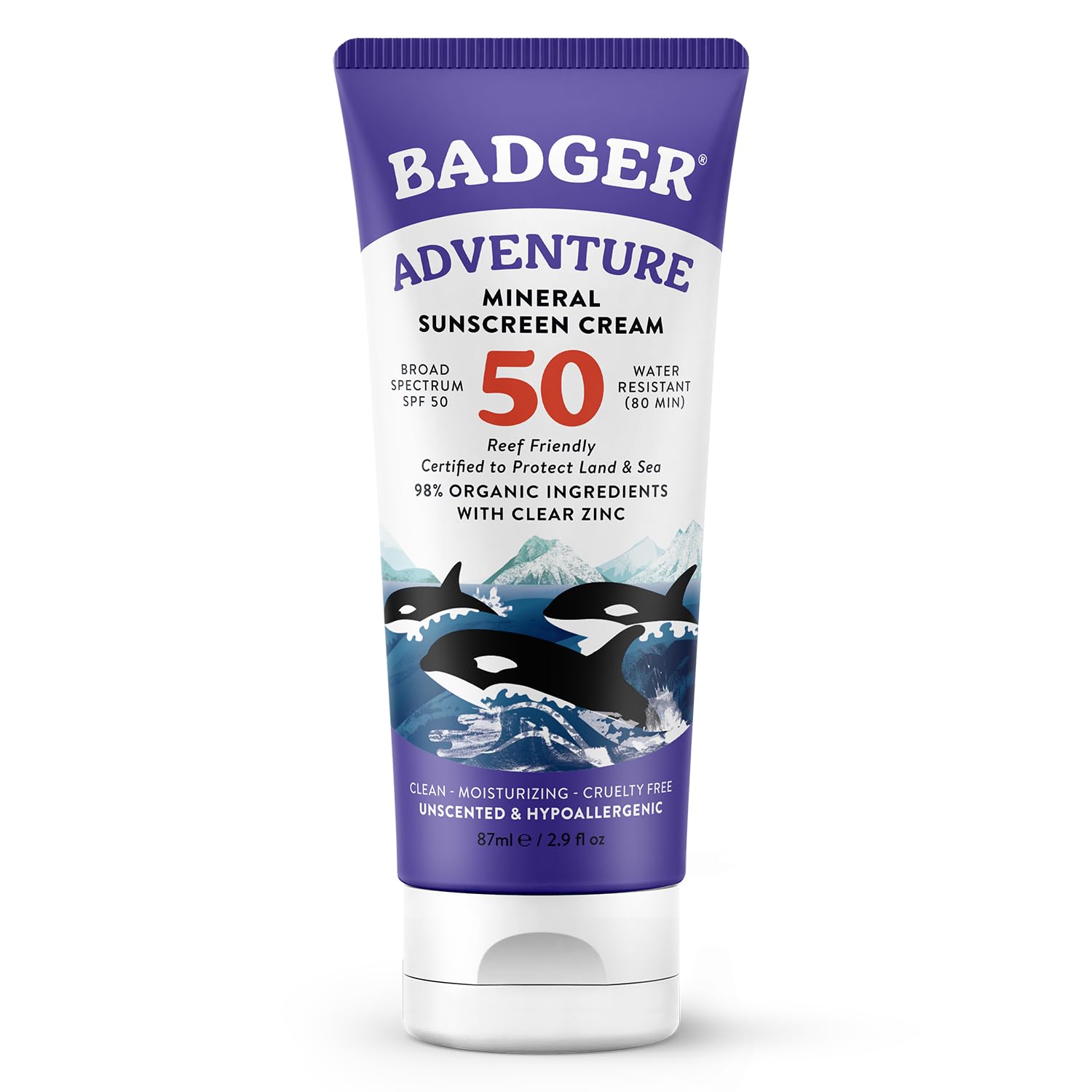
Badger Mineral Sunscreen SPF 50 Zinc Oxide Sunscreen with 98% Organic
Protect your skin while still getting some sun — this SPF works without blocking all vitamin D synthesis.
As an Amazon Associate I earn from qualifying purchases at no extra cost to you.

Pingback: The Best Vitamins for Women (And What Each One Actually Does for Your Body) - The Madison Effect