

There was a period in my life — about two years ago — when I felt completely broken. Not dramatically broken, not in a way anyone could see from the outside. Just persistently, inexplicably off. My joints ached when I climbed stairs. My stomach was constantly bloated, even when I ate meticulously clean for a week straight. My brain felt wrapped in cotton wool. The exhaustion didn’t improve with sleep. My skin looked dull and inflamed even on my best days.
I blamed stress. I blamed my thyroid (which checked out normal). I blamed getting older, a demanding work schedule, not exercising enough, exercising too much. I tried elimination diets, went dairy-free for two months, gave up gluten for six weeks. Minor improvements, but nothing that felt like a real answer.
Then a functional medicine practitioner I’d started seeing looked at my lab results and said something that changed how I think about my health: “Your inflammatory markers are elevated. Everything you’re describing — the joint pain, the brain fog, the digestive issues, the fatigue — these are all manifestations of chronic low-grade systemic inflammation. Before we add any pharmaceutical interventions, let’s address the inflammation directly.”
She suggested I look into turmeric and ginger supplementation. I was skeptical — these felt like things my grandmother put in soup, not serious anti-inflammatory interventions. But I trusted her, so I tried it. The results genuinely surprised me.
Six weeks in, my knee pain had noticeably improved. Eight weeks in, the bloating was substantially better. By three months, my brain fog had lifted in a way I hadn’t felt in years. I’m not claiming it was a miracle — I made other changes too — but the turmeric and ginger stack was, unambiguously, a significant part of what helped me feel better. Here’s everything I know about it.
What Are Turmeric and Ginger?
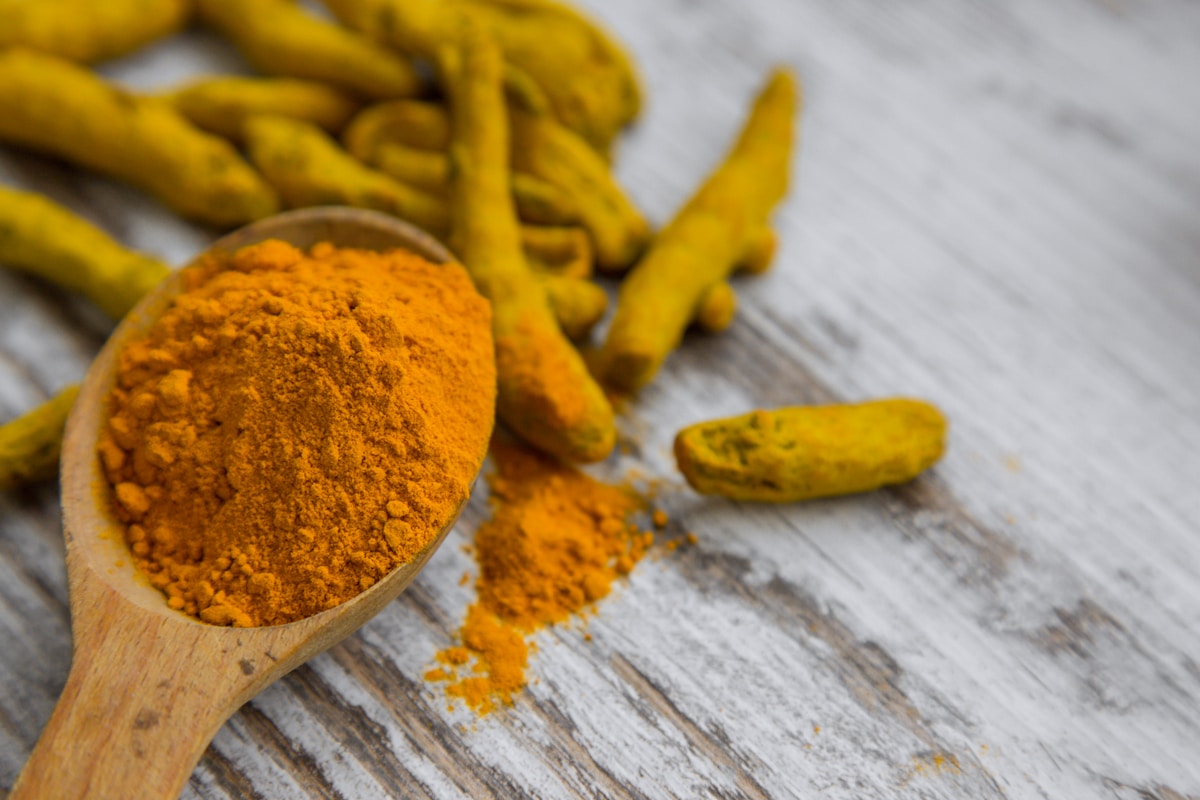
Turmeric is a bright orange-yellow rhizome (root) spice in the ginger family, native to South Asia and widely used in Ayurvedic and traditional Chinese medicine for thousands of years. The compound responsible for most of its health benefits is curcumin, a polyphenol that gives turmeric its vivid color. Curcumin makes up roughly 2–5% of fresh turmeric by weight, which is why supplements standardized to high curcuminoid content (usually 95%) are far more potent than just eating turmeric in food.
Ginger is turmeric’s botanical cousin — another rhizome with its own rich medicinal history. Its active compounds, gingerols (in fresh ginger) and shogaols (in dried ginger and supplements), have significant anti-inflammatory and antioxidant properties. Ginger has been used clinically and traditionally for digestive distress, nausea, joint pain, and immune support.
Together, these two roots target inflammatory pathways through complementary mechanisms. They work synergistically — meaning the combined effect is greater than either root alone — and when you add black pepper extract (piperine) to the equation, you get a genuinely powerful anti-inflammatory protocol backed by substantial clinical evidence.
The Science Behind Curcumin: What It Actually Does
Curcumin is one of the most extensively studied natural compounds in biomedical research, with over 12,000 peer-reviewed papers published on its effects. Here’s the core mechanism:
At the cellular level, curcumin inhibits NF-kB (nuclear factor kappa-light-chain-enhancer of activated B cells) — a transcription factor that acts as a master switch for hundreds of genes involved in the inflammatory response. When NF-kB is activated, it turns on the production of inflammatory cytokines like TNF-alpha, IL-1beta, IL-6, and COX-2. Curcumin essentially blocks this switch, reducing the body’s inflammatory signaling at the source.
It also directly inhibits COX-2 enzymes — the same enzymes targeted by NSAIDs like ibuprofen and naproxen. This is why curcumin is sometimes compared to these medications for joint pain relief, though the effect is gentler, cumulative rather than immediate, and without the gastrointestinal and cardiovascular side effects associated with long-term NSAID use.
Additionally, curcumin is a powerful antioxidant that neutralizes free radicals and upregulates the body’s own antioxidant defense enzymes, including superoxide dismutase and catalase.
Why Black Pepper Is Non-Negotiable
I cannot stress this enough. Please do not waste your money on a turmeric supplement that doesn’t include black pepper extract (piperine). Here’s why.
Curcumin has notoriously poor bioavailability in its natural form. When you consume plain curcumin, the liver rapidly metabolizes and conjugates it before it can be absorbed into the bloodstream and reach your tissues. Studies have found that plain curcumin supplementation results in negligible plasma concentrations — essentially, most of it is excreted before it can do anything.
Piperine — the active compound in black pepper — inhibits the liver enzymes and intestinal transporters that metabolize curcumin so quickly. A landmark 1998 study by Shoba et al. found that 20mg of piperine alongside 2 grams of curcumin increased curcumin bioavailability in human subjects by 2,000%. Two thousand percent. That’s not a typo.
Most high-quality supplements include 5–10mg of BioPerine (the patented black pepper extract used in clinical research) per serving. Look for “BioPerine” or “piperine” on the label. If it’s not there, put it back on the shelf.
The Benefits I Experienced (And What Research Supports)
Anti-Inflammatory Support
This is the core benefit, and for me it was the most life-changing. Multiple meta-analyses of randomized controlled trials confirm that curcumin supplementation significantly reduces serum levels of CRP (C-reactive protein) and IL-6 — two of the primary biomarkers of systemic inflammation. A 2017 meta-analysis in Critical Reviews in Food Science and Nutrition found consistent anti-inflammatory effects across 8 RCTs.
In practical, embodied terms: the persistent, background sense of achiness that I’d lived with for years started to ease. It wasn’t dramatic or immediate — it took about four weeks to really notice — but once it did, looking back, I realized how much that chronic low-level discomfort had been costing me in terms of energy, mood, and motivation.
Joint Pain and Mobility
This is probably the most well-documented clinical application of curcumin. Multiple RCTs have compared curcumin to ibuprofen for knee osteoarthritis pain management, and the results are remarkable: curcumin performs comparably to the NSAID on pain and function metrics, with fewer gastrointestinal side effects.
A 2014 study in Clinical Interventions in Aging found that 1,500mg/day of curcumin produced similar reductions in knee pain and stiffness to 1,200mg/day of ibuprofen, with better tolerability. If you take ibuprofen regularly for joint discomfort, this should get your attention.
Ginger adds an important layer here. Research from the University of Miami found that ginger extract significantly reduced knee pain in patients with osteoarthritis compared to placebo, with improvement in function and reduction in disability. Gingerols inhibit prostaglandin and leukotriene synthesis — additional inflammatory pathways that curcumin doesn’t cover as thoroughly.
Digestive Health and Gut Support
Ginger is extraordinary for digestion. It stimulates gastric acid and enzyme secretion, accelerates gastric emptying (meaning food moves through your stomach faster, reducing bloating and discomfort), and has potent anti-nausea effects backed by decades of clinical research. Ginger is one of the few natural compounds with Level A evidence for nausea — meaning it’s been validated in multiple high-quality trials.
Turmeric supports bile production and flow, which helps with fat digestion and absorption. It also has documented anti-ulcer properties and may help maintain the integrity of the gut lining. Several small studies have found improvements in symptoms of IBS and inflammatory bowel conditions with curcumin supplementation.
My bloating — which had been a persistent, miserable companion for years — improved dramatically within two to three weeks of starting this supplement. Whether it was primarily the ginger, the turmeric, or the combination, I can’t say for certain. But something worked.

Brain Fog and Cognitive Function
This was a slower-building benefit that I didn’t fully recognize until I looked back at how much clearer I felt at the three-month mark. Emerging research suggests curcumin may increase levels of BDNF (brain-derived neurotrophic factor) — a protein that promotes the survival and growth of neurons and is strongly associated with cognitive function, mood regulation, and resistance to stress-related cognitive decline.
A 2018 randomized, double-blind, placebo-controlled study from UCLA found that 90mg of a highly bioavailable curcumin formulation (Theracurmin) twice daily for 18 months significantly improved memory and attention in adults without dementia, compared to placebo. Brain scans also showed less amyloid and tau accumulation in key brain regions.
Mood and Emotional Wellbeing
Several studies have found curcumin supplementation improves depression scores, likely through multiple mechanisms: BDNF upregulation, modulation of serotonin and dopamine signaling, and reduction of neuroinflammation (which is increasingly understood to be a contributing factor in depression). A 2014 meta-analysis found curcumin significantly improved depressive symptoms compared to placebo across multiple trials.
Dosage and How to Take It
For meaningful anti-inflammatory and joint benefits, aim for 500–1,500mg of curcuminoids per day. Most standardized supplements provide 95% curcuminoids, so check the label for curcuminoid content specifically, not just turmeric root powder weight.
Always take your turmeric and ginger supplement with a meal containing some fat — curcumin is fat-soluble and absorbs significantly better in the presence of dietary fat. I take mine with breakfast, which usually includes eggs, avocado, or a smoothie with almond butter.
Expect 4–8 weeks of consistent daily use before noticing the full benefits. Digestive improvements often come faster (1–2 weeks); joint and cognitive benefits take longer. Consistency is everything.
My Top Picks
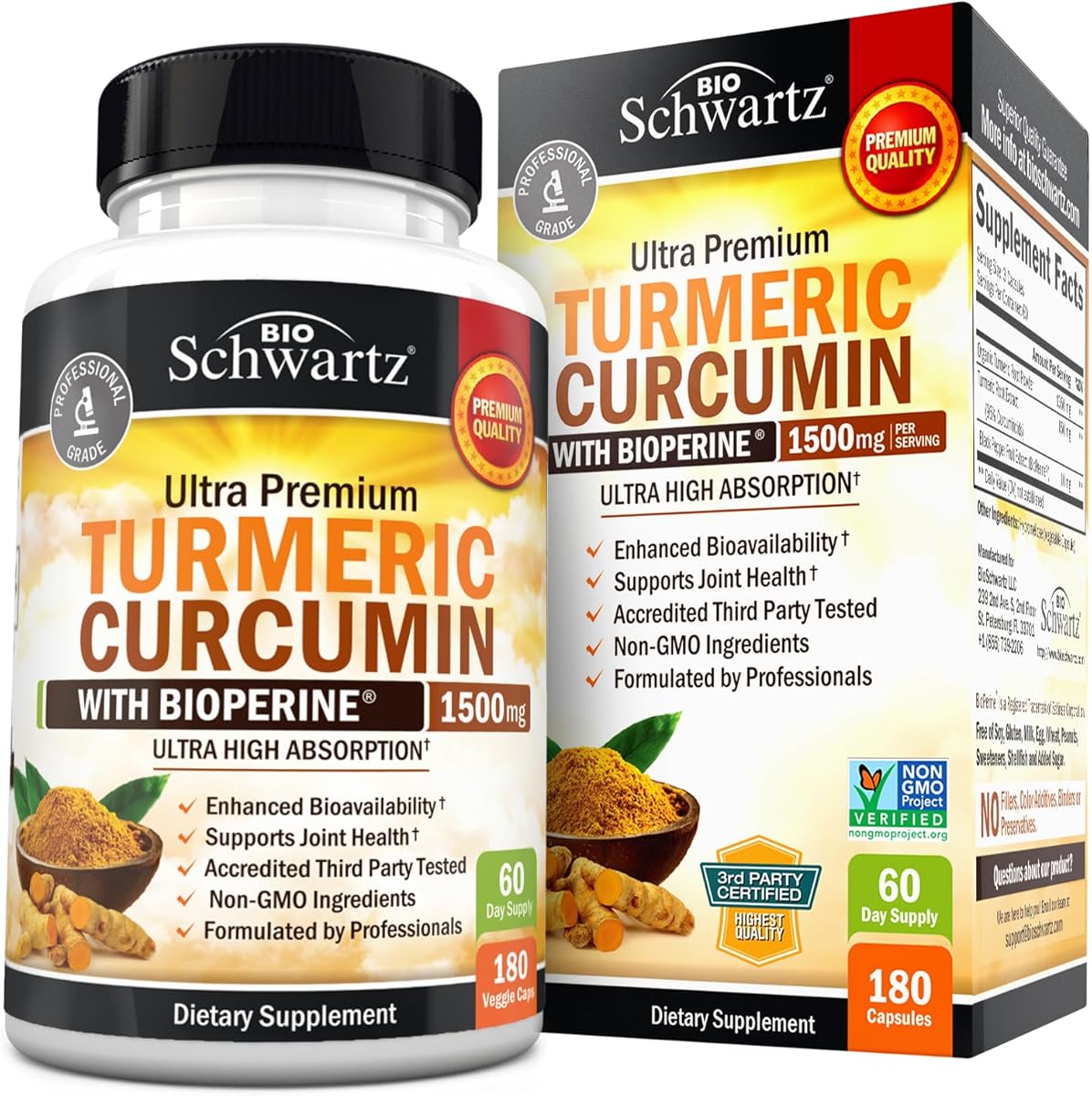
Turmeric Curcumin with Black Pepper Extract 1500mg
Ultra-potent formula with standardized 95% curcuminoids and BioPerine black pepper extract for maximum absorption. Specifically formulated for joint support and anti-inflammatory benefits. Thousands of verified reviews.
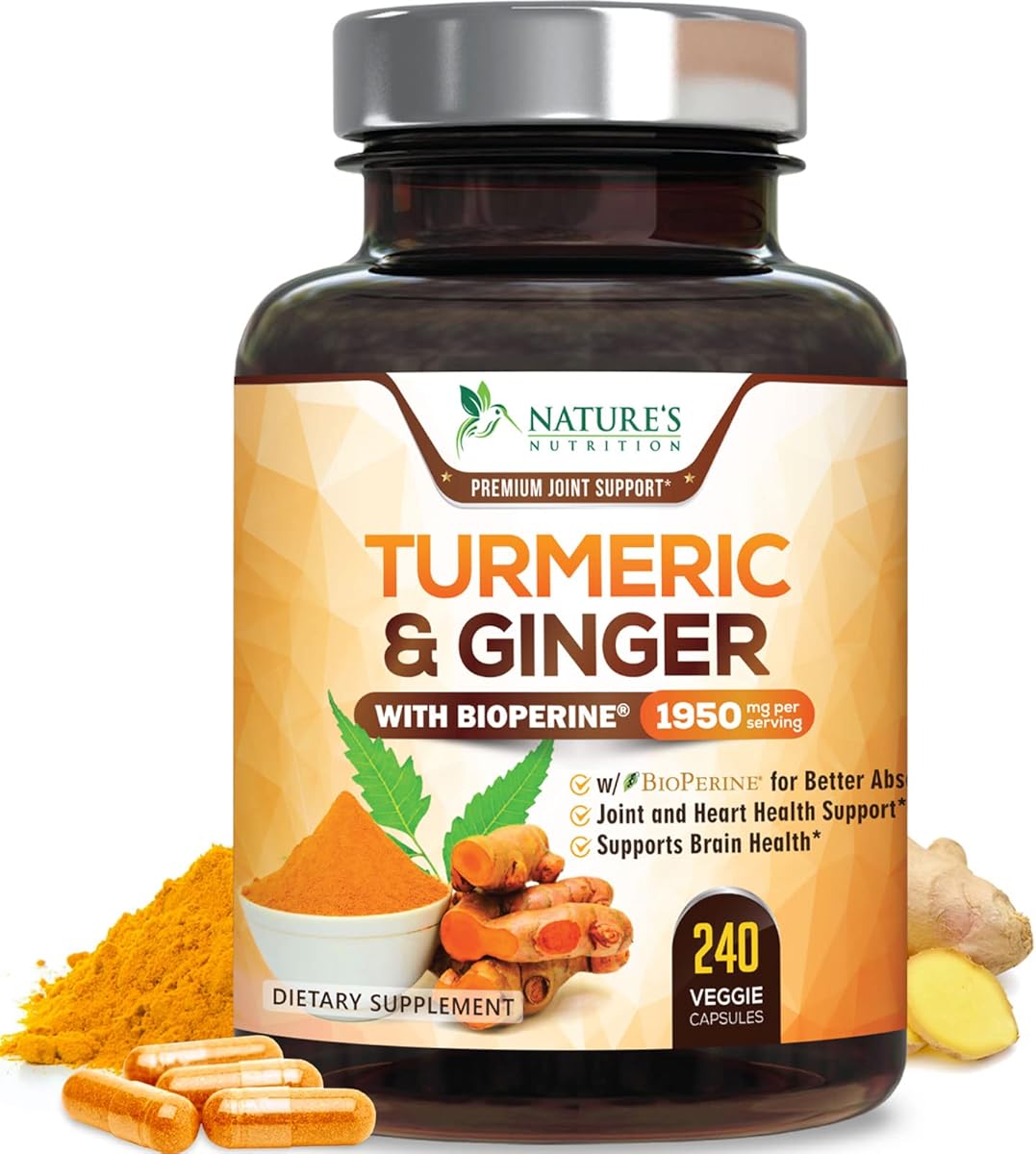
Turmeric Curcumin with Organic Turmeric & Ginger
Premium formula combining 95% curcuminoid extract with organic turmeric root and ginger root, plus BioPerine. Third-party tested for purity. Great if you specifically want the ginger + turmeric combination in one well-formulated supplement.
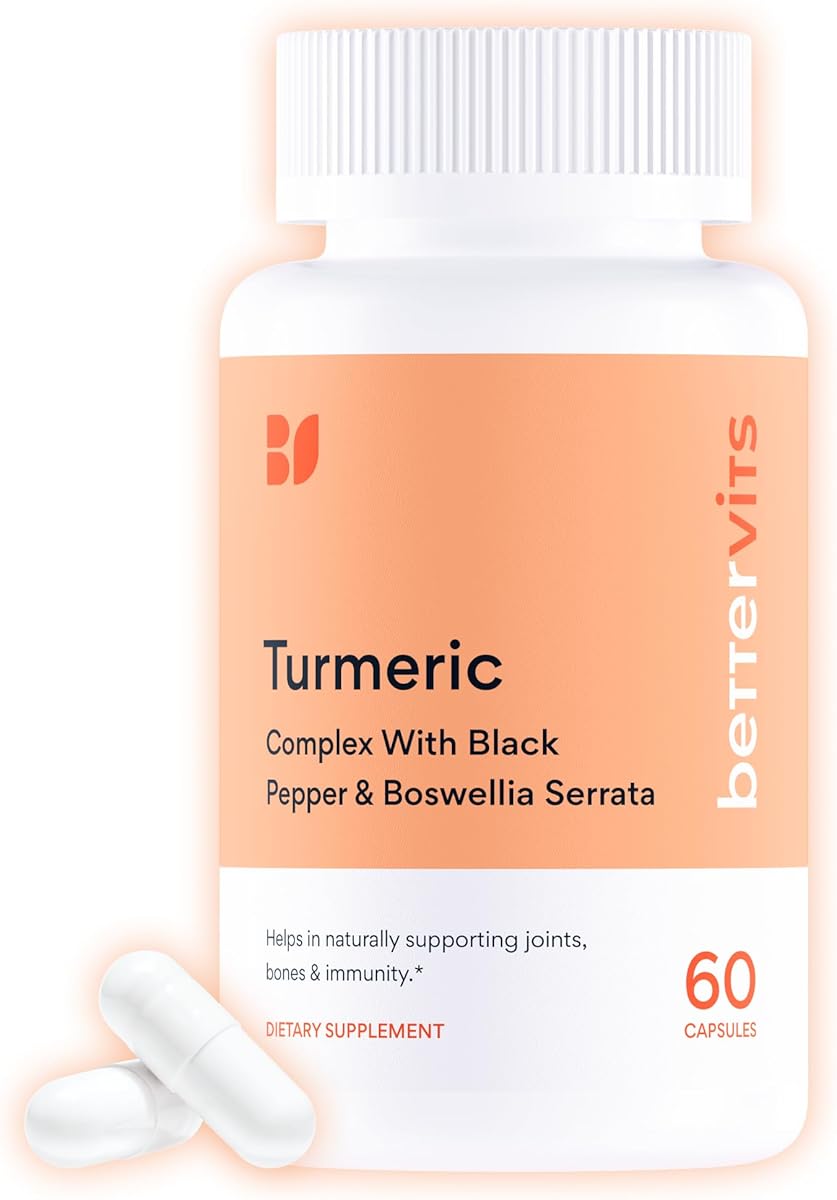
Bettervits Turmeric Curcumin with Black Pepper & Boswellia
Triple-action formula combining turmeric curcumin, black pepper extract, and Boswellia serrata — a resin with its own substantial anti-inflammatory research, particularly for joint health. A great choice for those wanting comprehensive support.
Frequently Asked Questions
How long does it take turmeric and ginger to work?
Digestive improvements often come within 1–2 weeks. Anti-inflammatory and joint benefits typically take 4–8 weeks of consistent daily use. The effects are cumulative — they build over time.
Can I take turmeric and ginger if I’m on blood thinners?
Both curcumin and ginger have mild blood-thinning properties. If you’re taking anticoagulants like warfarin, clopidogrel, or high-dose aspirin, check with your doctor before adding these supplements. For most healthy people, this isn’t a concern at standard doses.
What’s the best time to take turmeric and ginger?
With a meal that contains fat — morning or evening, whichever is more consistent for you. The key is daily consistency, not timing optimization.
Can turmeric stain my skin yellow?
Not at typical supplement doses in capsule form. Sprinkling raw turmeric powder on food can slightly tint your skin over time at very high quantities, but capsules bypass this entirely.
Is turmeric the same as curcumin?
No. Turmeric is the whole root or spice; curcumin is the specific active polyphenol compound within it. Turmeric powder is only 2–5% curcumin by weight. Supplements standardized to 95% curcuminoids are far more potent than plain turmeric spice or powder.
Immune and Cardiovascular Benefits
Beyond the anti-inflammatory and digestive benefits, the turmeric and ginger combination offers meaningful immune and cardiovascular support that’s worth knowing about.
Curcumin has documented immunomodulatory effects — it can help regulate an overactive immune response (important in autoimmune conditions) while also supporting the immune system’s ability to detect and clear pathogens. Multiple studies have found curcumin effective at reducing inflammatory biomarkers associated with chronic disease risk, including elevated fibrinogen and homocysteine levels that predict cardiovascular events.
Ginger also contributes meaningfully here. Research has found that ginger supplementation reduces LDL cholesterol oxidation, improves blood lipid profiles, and has mild blood pressure-lowering effects. A 2016 meta-analysis of randomized controlled trials found significant reductions in fasting blood glucose, total cholesterol, and LDL cholesterol with ginger supplementation — all markers relevant to metabolic and cardiovascular health.
I’m not suggesting these supplements replace cardiovascular medications or lifestyle interventions for people with significant heart disease risk. But for women in their 30s and 40s looking to proactively support their long-term health, the combination of anti-inflammatory, lipid-modulating, and antioxidant effects from turmeric and ginger is genuinely meaningful.
Who Benefits Most from Turmeric and Ginger Supplements?
Based on both the research and my own experience, here are the women who I think benefit most from this supplement combination:
- Women with joint aches and stiffness — whether from exercise, a desk job, aging, or early arthritis
- Women with chronic bloating or digestive discomfort — the ginger component in particular is remarkable for gut motility and comfort
- Women experiencing brain fog or fatigue connected to chronic low-grade inflammation
- Anyone managing elevated inflammatory markers on blood tests (high CRP, elevated ESR)
- Women with inflammatory skin conditions — rosacea, eczema, and acne all have inflammatory components that can respond to systemic anti-inflammatory support
- Anyone who takes NSAIDs regularly and wants to reduce their reliance on them over time
If none of these apply to you, the preventative argument is still solid. Chronic inflammation is one of the most significant drivers of accelerated aging and age-related disease, and building dietary and supplementary anti-inflammatory habits in your 30s pays dividends decades later.
Disclosure: This post contains affiliate links. As an Amazon Associate, I earn from qualifying purchases at no extra cost to you.
Free Download
Get My Daily Supplement Stack Guide
Everything I take, why I take it, and what I noticed — morning, midday, and evening. Free when you join the list.
No spam, ever. Unsubscribe anytime.