
Rosemary oil went from a niche herbal remedy to one of the most talked-about hair growth treatments after a 2015 clinical study put it head-to-head with minoxidil — and it held its own. That’s not a small thing. Minoxidil is the active ingredient in Rogaine, one of the few FDA-approved treatments for hair loss. The fact that a plant-based oil performed comparably is remarkable, and it’s why rosemary oil has exploded in popularity since that research became widely known. But like most things in beauty, how you use it matters as much as whether you use it. Here’s everything you need to know to actually see results.
The 2015 Study That Changed Everything
The study, published in SKINmed Journal, compared rosemary oil (specifically Rosmarinus officinalis) to 2% minoxidil in patients with androgenetic alopecia (the most common form of hair loss, affecting both men and women). Over six months, both groups saw a significant increase in hair count — and the rosemary group actually reported less scalp itching than the minoxidil group, which is a common side effect of minoxidil use.
The mechanism? Rosemary inhibits the binding of DHT (dihydrotestosterone) to androgen receptors in the scalp. DHT is the hormone responsible for miniaturizing hair follicles in androgenetic alopecia, so blocking it at the follicle level directly addresses the root cause of that type of hair loss. It also improves scalp circulation, which delivers more nutrients to follicles and creates better conditions for growth across all hair types, not just those with androgenetic alopecia.

Botanic Hearth Hair Oil with Biotin
$17.63
Rosemary plus biotin — ideal for thinning hair or anyone experiencing shedding.

Botanic Hearth Rosemary Hair Oil
$12.73
Lightweight and non-greasy — easy to use daily without weighing hair down.
Pure Essential Oil vs. Pre-Diluted: Which Is Right for You?
This is where people often make a mistake. Pure rosemary essential oil is highly concentrated — you cannot apply it directly to your scalp without diluting it, as it can cause irritation or even chemical burns. If you buy pure rosemary essential oil, you need to dilute it yourself: typically 2-4 drops per tablespoon of carrier oil (jojoba, argan, or coconut oil all work well). That’s about a 1-2% dilution, which is what the research supports for scalp use.
Pre-diluted rosemary oils are already blended with a carrier oil and are formulated for scalp application. These are easier and safer for most people, especially beginners. The trade-off is slightly less control over concentration, but for general hair wellness and growth support, a good pre-diluted formula works beautifully. If you have significant hair loss and want to precisely match the study protocol, a DIY dilution gives you more control. For everyone else, a pre-diluted formula is more practical.

Artnaturals Rosemary Castor Hair Oil + Massager
$14.22
Comes with a scalp massager — the combo of oil and massage is what really moves the needle.
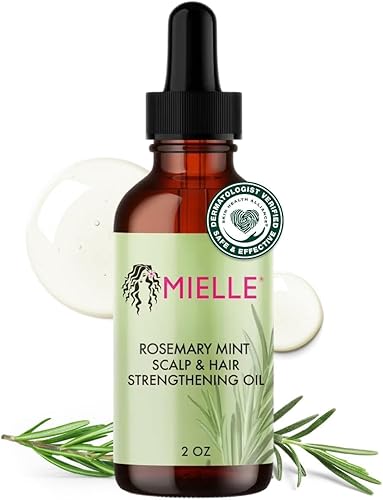
Mielle Organics Rosemary & Mint Oil
$8.71
The most popular rosemary oil on Amazon — smells incredible and works well as a daily scalp serum.
How to Use Rosemary Oil the Right Way
Application method matters more than most people realize. The goal is to get the oil in contact with the scalp — not the hair — and to use massage to drive circulation. Here’s the protocol that works: Apply your rosemary oil directly to the scalp, parting your hair in sections to access the scalp directly. Use your fingertips (or a scalp massager, which is even better) to massage the oil into the scalp for at least four to five minutes. This isn’t optional — the mechanical stimulation from massage amplifies the circulation-boosting effect of the oil significantly. Studies on scalp massage alone have shown hair thickness improvements over time.
You can leave the oil on for 30 minutes before shampooing, or overnight for deeper treatment. If you go overnight, use a silk hair wrap or sleep cap to protect your pillowcase. Wash out thoroughly in the morning — leftover oil on the scalp can clog follicles if it builds up. Apply at least three to four times per week for best results.
How Long Until You See Results?
The six-month study timeline is a realistic benchmark. You’re likely to see your hair feeling thicker and looking healthier within the first month or two, as the oil conditions the scalp and reduces breakage. Actual new growth — measurably more hairs in the growth phase — takes longer to become visible, usually three to six months of consistent use.
The biggest mistake people make is giving up at six weeks because they’re not seeing dramatic changes. Hair grows slowly (about half an inch per month) and changes in the growth cycle take time to show at the surface. Keep a “before” photo and check in every 30 days. You’ll likely notice more than you think when you compare side by side.

ATOANY Rosemary Oil with Scalp Massager
$11.69
Pure rosemary plus a quality scalp massager bundled together for great value.

Kitsch Rosemary Oil for Hair Growth
$15.18
A pre-wash treatment formula with castor and jojoba — designed to be left on before shampooing.
Dos and Don’ts
Do: Dilute properly if using pure essential oil. Massage for at least four minutes each application. Use consistently — three to four times a week minimum. Wash out thoroughly. Combine with a scalp massager for enhanced results. Be patient — commit to three to six months before evaluating.
Don’t: Apply undiluted essential oil directly to your scalp. Use on broken or irritated scalp skin. Expect overnight results. Apply only to the hair lengths (it needs to reach the scalp). Skip the massage — it’s not optional, it’s part of what makes this work.
How to Add It to Your Wash Day Routine
The most effective way to use rosemary oil for hair growth is as a pre-wash scalp treatment — and it’s simpler than it sounds. Here’s how to work it into your existing wash day without adding significant time:
- Part your hair into sections to expose the scalp.
- Apply your rosemary oil blend (pre-diluted or mixed with a carrier oil) directly to the scalp along each part line.
- Massage for 4 to 5 minutes — this step is important. The massage itself increases blood flow to follicles, independent of the oil. Use your fingertips, not your nails, with circular pressure.
- Leave on for 30 to 60 minutes before shampooing. Set a timer and do something else. You need meaningful contact time — applying and immediately washing defeats the purpose.
- Shampoo and condition as normal.
On non-wash days, you can also apply a lighter amount to the scalp and leave it in — no rinsing required. This is actually great for daily use because the oil continues working without needing to be removed.
One common mistake: applying the oil right before you step into the shower and rinsing after 5 minutes. That contact time is too short. The 30-minute minimum isn’t a suggestion — it’s where the efficacy lives.
Can You Use Rosemary Oil Every Day?
Yes — and if you can, you should. Daily use produces faster results than 2 to 3 times per week, because you’re consistently supporting follicle circulation and the DHT-inhibiting effects of rosemary without gaps.
A few important distinctions:
- Pre-diluted rosemary oil blends (designed for scalp application) are safe for daily use — apply like a serum and leave in.
- Pure rosemary essential oil should always be diluted before use — typically 2 to 3 drops per tablespoon of carrier oil. Undiluted essential oil applied to the scalp daily will cause irritation.
Overuse itself isn’t a risk with properly diluted oil. If you develop any scalp sensitivity — itching, flaking, or redness — reduce frequency and double-check your dilution ratio. This is almost always the cause.
The core principle: consistency is the strategy. Hair growth cycles run 3 to 6 months long. Skipping days doesn’t just pause progress — it interrupts the cumulative signaling effect. Make it as automatic as a skincare step and results come faster.
Rosemary Oil vs. Other Hair Growth Methods
Here’s an honest breakdown of where rosemary oil sits relative to other commonly used approaches:
- Minoxidil (Rogaine) — clinically proven and produces comparable results to rosemary oil at the 6-month mark (supported by a notable 2022 study). Minoxidil works faster initially but comes with side effects for some users: scalp irritation, initial shedding, and the well-known requirement to continue forever to maintain results.
- Biotin supplements — support overall hair health and keratin production, but don’t directly stimulate follicle growth. Best as a complementary supplement if your diet is deficient, not as a standalone solution.
- DHT-blocking shampoos — work by reducing dihydrotestosterone (the hormone responsible for follicle miniaturization in pattern hair loss). Complementary to rosemary oil, not redundant. Using both together makes sense.
- PRP (Platelet-Rich Plasma) treatments — clinically effective, but invasive, expensive ($500 to $2,000+ per session), and require multiple rounds. Worth considering for significant hair loss after other methods are optimized.
For most people starting their hair growth journey: rosemary oil is the right first step. Safe, affordable, and with solid evidence behind it.
Signs It’s Working
Managing expectations here is important — the first signs that rosemary oil is working are not what most people expect. You won’t wake up one morning with visibly thicker hair. Hair growth is slow and changes are cumulative. Here’s what to actually look for:
- Less hair in the drain — shedding reduction almost always comes before new growth appears. If you used to lose alarming amounts of hair while washing and now you don’t, that’s a real, meaningful change.
- Scalp feels healthier — less itchiness, less dryness, less irritation. A healthy scalp environment is the foundation of growth.
- Baby hairs appearing at the hairline, along your part line, or at the temples — these are new growth cycles being triggered. They look like short, fine hairs at the edges.
- Existing hair feeling thicker and stronger — existing strands can become more resilient as the follicle is better nourished.
The most reliable tracking method: progress photos every 4 weeks in consistent lighting, same angle, same hair style. Day-to-day changes are too subtle to notice visually — but 8 or 12 weeks of side-by-side comparison often shows dramatic difference you wouldn’t have noticed otherwise.
Shop All Recommendations
Botanic Hearth Hair Oil with Biotin
$17.63
Rosemary plus biotin — ideal for thinning hair or anyone experiencing shedding.
Botanic Hearth Rosemary Hair Oil
$12.73
Lightweight and non-greasy — easy to use daily without weighing hair down.
Artnaturals Rosemary Castor Hair Oil + Massager
$14.22
Comes with a scalp massager — the combo of oil and massage is what really moves the needle.
Mielle Organics Rosemary & Mint Oil
$8.71
The most popular rosemary oil on Amazon — smells incredible and works well as a daily scalp serum.
ATOANY Rosemary Oil with Scalp Massager
$11.69
Pure rosemary plus a quality scalp massager bundled together for great value.
Kitsch Rosemary Oil for Hair Growth
$15.18
A pre-wash treatment formula with castor and jojoba — designed to be left on before shampooing.
Frequently Asked Questions
Can I use rosemary oil every day?
Daily use is generally fine if your scalp tolerates it well. Start with three to four times per week and adjust based on how your scalp responds. Some people find daily use too heavy and do better with an every-other-day routine.
Does rosemary oil work for all types of hair loss?
The best evidence is for androgenetic alopecia (pattern hair loss). For hair thinning related to stress, nutritional deficiency, or hormonal shifts, rosemary oil’s circulation-boosting properties are still helpful, but addressing the root cause is important too. For alopecia areata (autoimmune hair loss), evidence is limited.
Can I put rosemary oil in my regular shampoo or conditioner?
You can, though the contact time is shorter than leaving it on the scalp. It’s better than nothing, but dedicated scalp application with massage will give you better results. Consider it a complement rather than a replacement for direct scalp application.