

If you’re in your mid-to-late 30s and something just feels… off — your energy isn’t what it was, your sleep has gotten worse, your periods are changing, and you find yourself more anxious or irritable than usual — perimenopause might be starting. And you’re not imagining it.
Most people assume perimenopause is a 50s thing. The reality? It commonly begins in the late 30s to mid-40s, and for some women, even earlier. The medical community calls this “early perimenopause” but most women just call it confusing — because nobody warned them.

What Is Perimenopause, Exactly?
Perimenopause is the transition period before menopause — the years when your hormones (estrogen and progesterone especially) start fluctuating more dramatically as your ovarian reserve begins to decline. It’s not a switch that flips. It’s a gradual shift that can last anywhere from 2 to 10 years.
What makes it tricky in your 30s is that your periods may still be regular, your FSH (follicle-stimulating hormone) levels might look “normal” on basic labs, and most doctors won’t mention perimenopause until you’re closer to 45. So women spend years feeling like something is wrong with them — cycling through anxiety diagnoses, thyroid checks, and exhaustion they can’t explain.
Early Perimenopause Symptoms Women Often Miss
These are the signs that often get misattributed to stress, burnout, or just “getting older”:
- Sleep changes: Waking between 2–4 AM and struggling to fall back asleep is a classic early sign — driven by progesterone decline and cortisol shifts.
- Cycle changes: Shorter cycles (less than 26 days), heavier periods, or new PMS symptoms like breast tenderness and bloating that weren’t there before.
- Increased anxiety: Estrogen has a direct effect on serotonin — as it fluctuates, so does your mood. Perimenopausal anxiety often comes on suddenly and feels disproportionate to circumstances.
- Brain fog: Difficulty concentrating, forgetting words mid-sentence, feeling mentally slower — all linked to estrogen fluctuations affecting neurotransmitters.
- Temperature sensitivity: Early hot flashes are often subtle — a sudden warmth in the face or neck, not the dramatic sweating most people picture.
- Joint aches: Estrogen has an anti-inflammatory effect — as it drops, joint discomfort (especially in hips, knees, and fingers) becomes more common.
- Low libido and vaginal dryness: Often dismissed as stress-related but frequently tied to declining estrogen and testosterone.
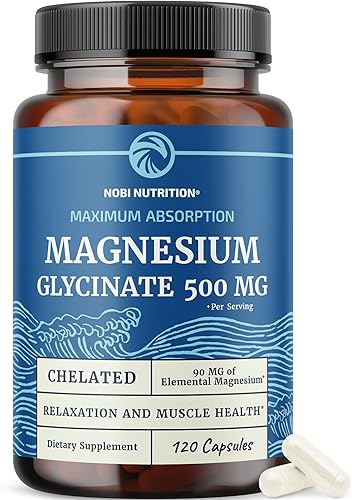
Magnesium Glycinate 500mg | High Absorption | Sleep, Muscle, Bone, Hea
Low magnesium accelerates during perimenopause — glycinate form is the most effective for sleep, mood, and hot flash reduction.
What Actually Helps: A Practical Starting Point
You don’t need to overhaul your entire life — but a few targeted changes make a significant difference in how you feel day to day.
Prioritize sleep above everything. Perimenopause disrupts sleep in multiple ways — progesterone decline removes its natural sedative effect, cortisol spikes at night, and body temperature regulation shifts. Magnesium glycinate before bed, cooler sleeping conditions, and consistent sleep timing all help more than most supplements.
Magnesium Glycinate 500mg | High Absorption | Sleep, Muscle, Bone, Hea
Low magnesium accelerates during perimenopause — glycinate form is the most effective for sleep, mood, and hot flash reduction.
Reduce cortisol load. High cortisol worsens every perimenopause symptom — it competes with progesterone, disrupts sleep, and accelerates hormonal decline. Adaptogens like ashwagandha, prioritizing recovery, and reducing chronic stressors are the least-discussed but most impactful interventions.
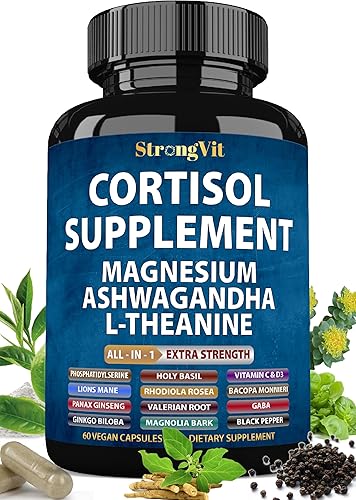
StrongVit Cortisol Supplements for Women and Men with Magnesium, Ashwa
An adaptogen that directly supports the HPA axis — helps flatten the cortisol spikes that worsen almost every perimenopause symptom.
Consider targeted supplementation. Certain supplements have meaningful research behind them for perimenopause symptoms specifically:
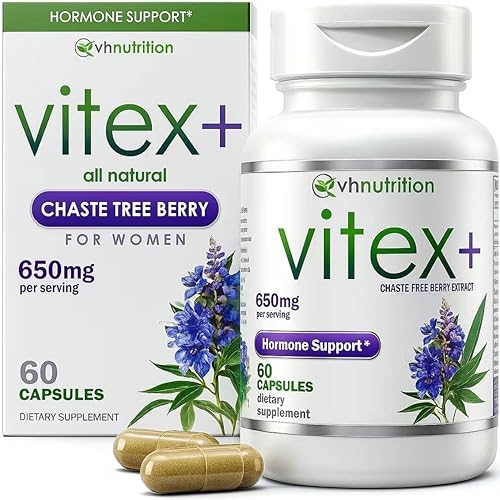
VH Nutrition VITEX+ | Vitex Chasteberry Supplement for Women | Hormona
A well-studied herb for hormone balance — shown to reduce PMS and early perimenopause symptoms including mood swings and irregular cycles.
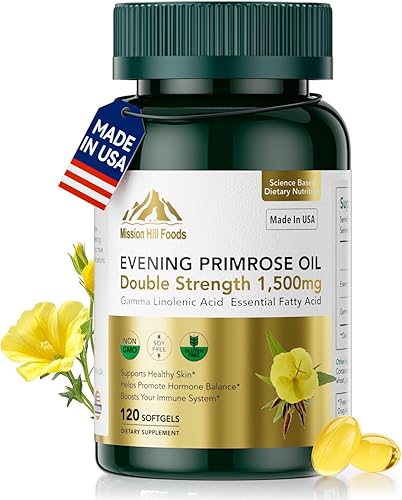
1500mg Evening Primrose Oil Capsules for Women | 240mg High GLA (16%)
Evening primrose oil supports hormonal balance and is commonly used for breast tenderness, hot flashes, and skin dryness in perimenopause.
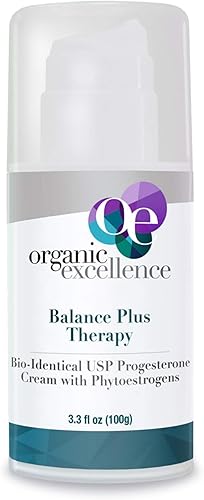
Organic Excellence Balance Plus Therapy – USP Bioidentical Organic Pro
Topical progesterone cream used by many women to support progesterone levels — worth discussing with your doctor as part of a broader approach.
Sleep Support for Perimenopause
Sleep disruption is often the most quality-of-life-destroying symptom of early perimenopause. Beyond magnesium, small environmental changes make a real difference:
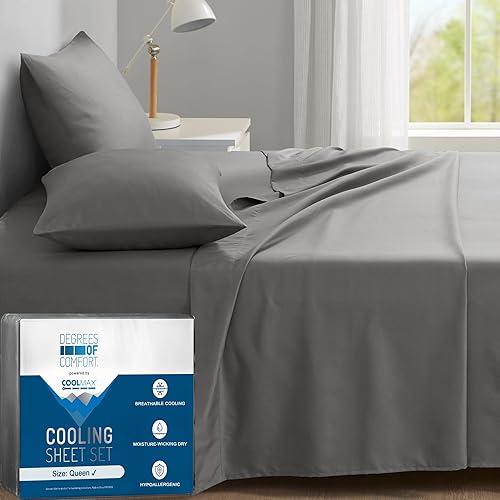
Degrees of Comfort Coolmax® Cooling Bed Sheets Queen Size for Hot Slee
Temperature-regulating sheets specifically designed for night sweats — a genuine quality-of-life upgrade for anyone dealing with perimenopause sleep disruption.

When to Talk to a Doctor
If your symptoms are significantly affecting your quality of life, it’s worth having a hormone panel done — ideally FSH, LH, estradiol, progesterone, testosterone, and thyroid. Ask specifically for a perimenopause workup, not just a standard panel. Many doctors won’t bring it up unless you ask.
Hormone replacement therapy (HRT) has been significantly rehabilitated by recent research — for most women under 60 who begin it during perimenopause, the benefits outweigh the risks. It’s worth an informed conversation with a provider who stays current on women’s health research.
Frequently Asked Questions
Can perimenopause start in your 30s?
Yes — perimenopause can begin in the late 30s, and for women with certain risk factors (autoimmune conditions, early family history, stress, or prior ovarian surgery) it can start even earlier. The average age of onset is 40–44, but it’s not uncommon in the late 30s.
What are the first signs of perimenopause?
Early signs often include sleep disruption (especially waking at 2–4 AM), cycle changes, increased anxiety, brain fog, and subtle temperature sensitivity. These often precede more obvious symptoms like hot flashes by several years.
What supplements help with perimenopause symptoms?
Magnesium glycinate (sleep and anxiety), ashwagandha (cortisol and stress), Vitex/chasteberry (cycle regulation and hormone balance), and evening primrose oil (hot flashes and breast tenderness) all have meaningful research support for perimenopause symptoms.
You Might Also Like
Shop All Recommendations
Magnesium Glycinate 500mg | High Absorption | Sleep, Muscle, Bone, Hea
Low magnesium accelerates during perimenopause — glycinate form is the most effective for sleep, mood, and hot flash reduction.
VH Nutrition VITEX+ | Vitex Chasteberry Supplement for Women | Hormona
A well-studied herb for hormone balance — shown to reduce PMS and early perimenopause symptoms including mood swings and irregular cycles.
StrongVit Cortisol Supplements for Women and Men with Magnesium, Ashwa
An adaptogen that directly supports the HPA axis — helps flatten the cortisol spikes that worsen almost every perimenopause symptom.
1500mg Evening Primrose Oil Capsules for Women | 240mg High GLA (16%)
Evening primrose oil supports hormonal balance and is commonly used for breast tenderness, hot flashes, and skin dryness in perimenopause.
Degrees of Comfort Coolmax® Cooling Bed Sheets Queen Size for Hot Slee
Temperature-regulating sheets specifically designed for night sweats — a genuine quality-of-life upgrade for anyone dealing with perimenopause sleep disruption.
Organic Excellence Balance Plus Therapy – USP Bioidentical Organic Pro
Topical progesterone cream used by many women to support progesterone levels — worth discussing with your doctor as part of a broader approach.
As an Amazon Associate I earn from qualifying purchases at no extra cost to you.