
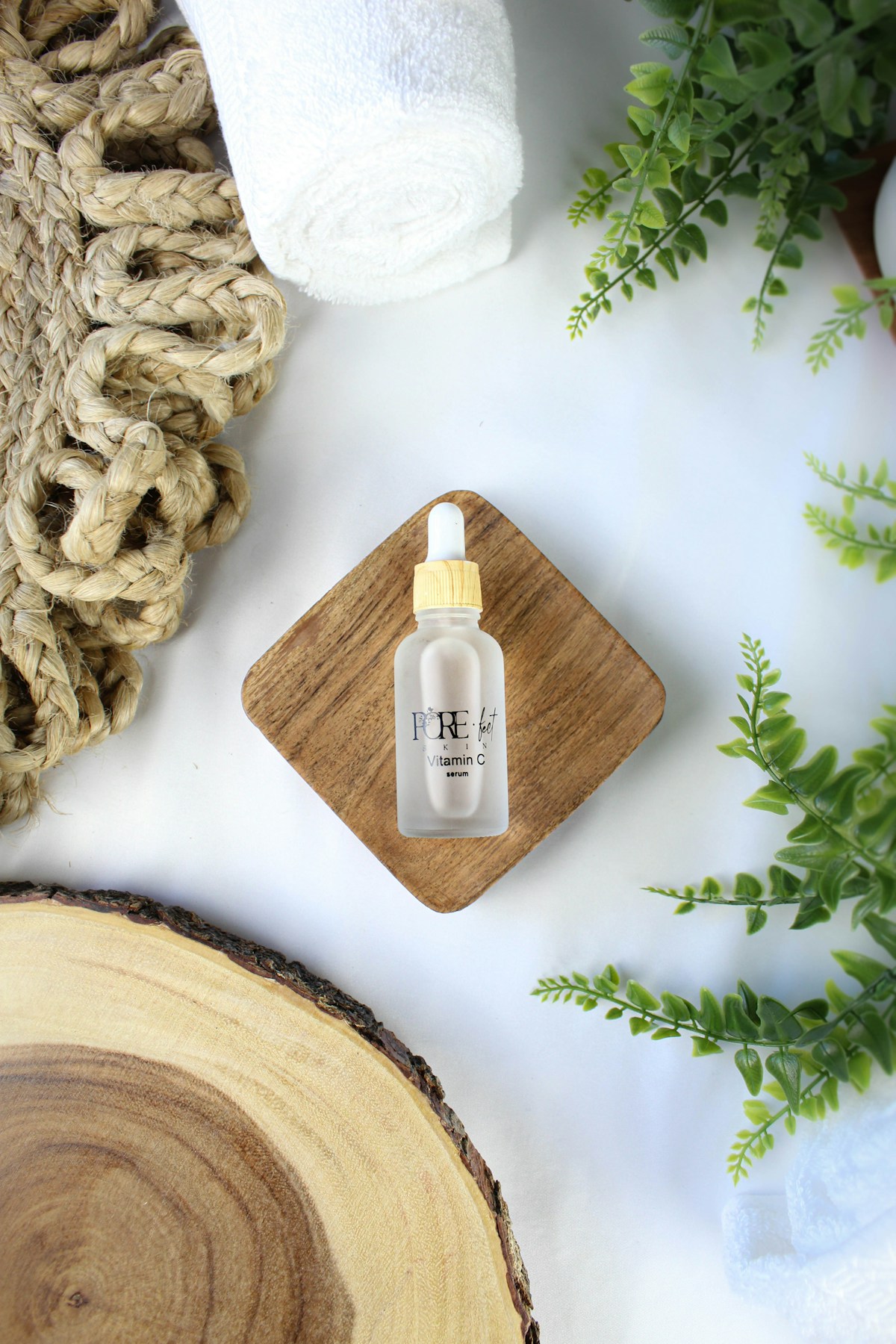

If you’ve spent any time building a skincare routine, you’ve probably heard something like: “Don’t mix niacinamide and vitamin C — they cancel each other out.” Maybe you’ve been keeping them on opposite sides of your routine for years because of it. Maybe you bought both and then panicked about layering them.
Here’s the thing: that advice is outdated. The science has moved on, and the fear of combining these two ingredients is mostly based on a misunderstanding of some very old chemistry. Let’s clear this up properly.
What Is Niacinamide and What Does It Do?
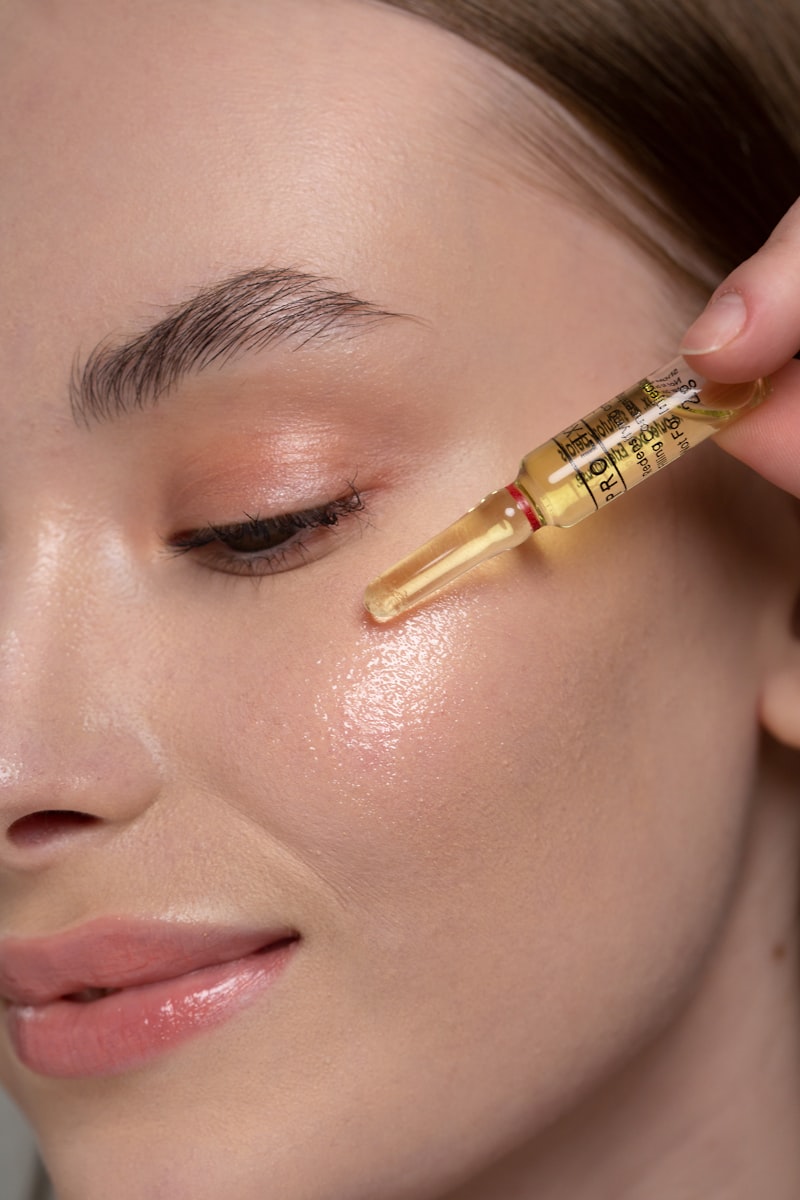
Niacinamide is a form of vitamin B3, and it is genuinely one of the most well-researched, multi-tasking skincare ingredients available. It works on so many different skin concerns that it ends up in products across every price point, from drugstore serums to luxury creams.
Here’s what it actually does: niacinamide strengthens your skin barrier by boosting ceramide production, which means better moisture retention and less sensitivity over time. It regulates sebum production, making it a go-to for oily and acne-prone skin. It visibly reduces pore appearance (not size — pores don’t open and close, but they can look smaller when they’re less congested). It fades hyperpigmentation and dark spots by interfering with the transfer of melanin to skin cells. And it has anti-inflammatory properties, which helps calm redness and irritation.
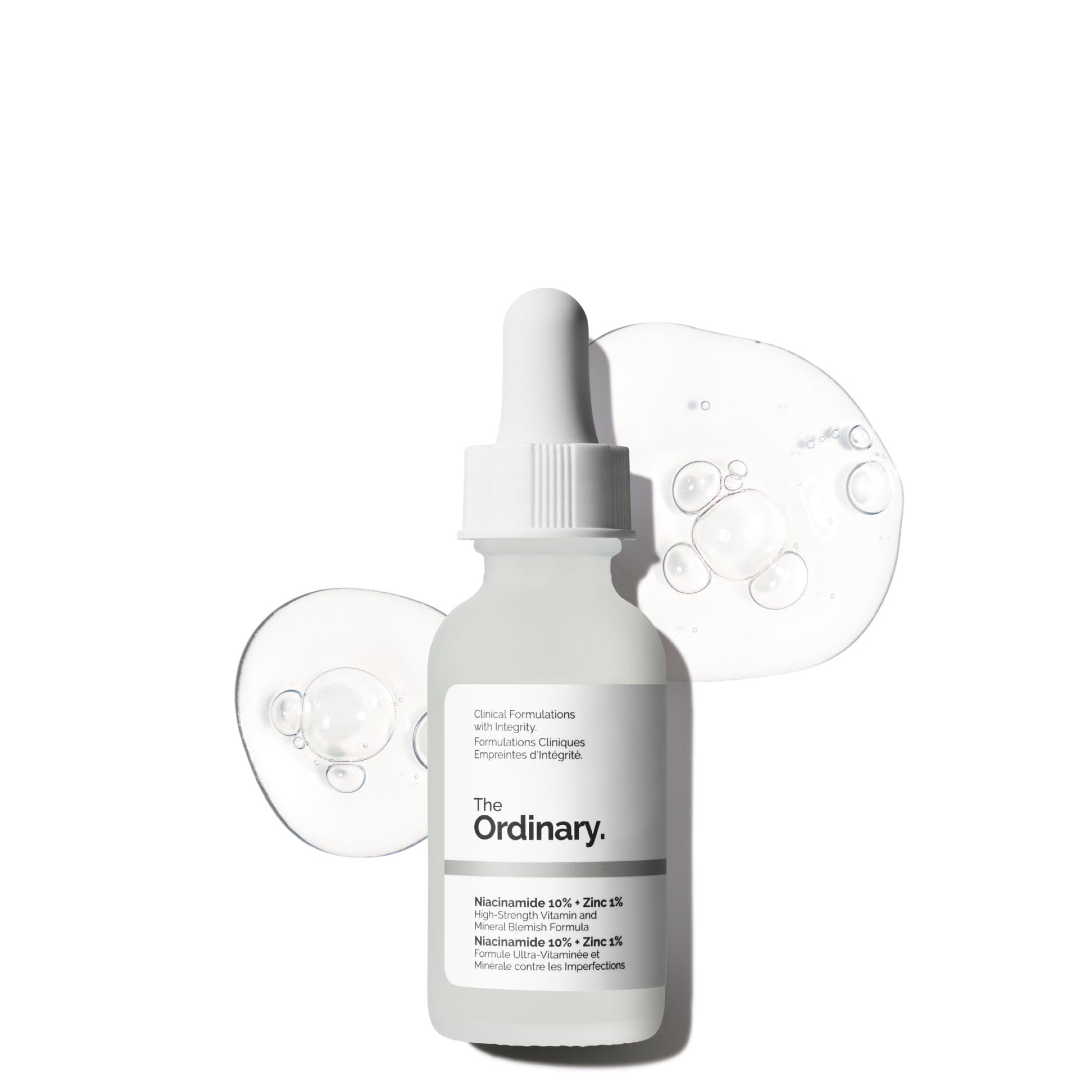
The Ordinary Niacinamide 10% + Zinc 1%
The cult-classic niacinamide serum. Reduces blemishes, minimizes pores, and balances oil. Perfect standalone niacinamide with no actives to conflict.
What Is Vitamin C and What Does It Do for Skin?
Vitamin C (ascorbic acid in its pure form) is one of the most powerful antioxidants you can put on your skin. In skincare, “antioxidant” isn’t just a buzzword — it means the ingredient actively neutralizes free radicals, which are the unstable molecules that cause oxidative stress and accelerate skin aging.
UV exposure, pollution, and environmental stressors all create free radicals that damage collagen and skin cells. Vitamin C intercepts that damage. It also inhibits the enzyme (tyrosinase) responsible for melanin production, which means it actively works to fade dark spots and even out skin tone. And it’s a co-factor in collagen synthesis — your skin literally needs it to produce collagen effectively.
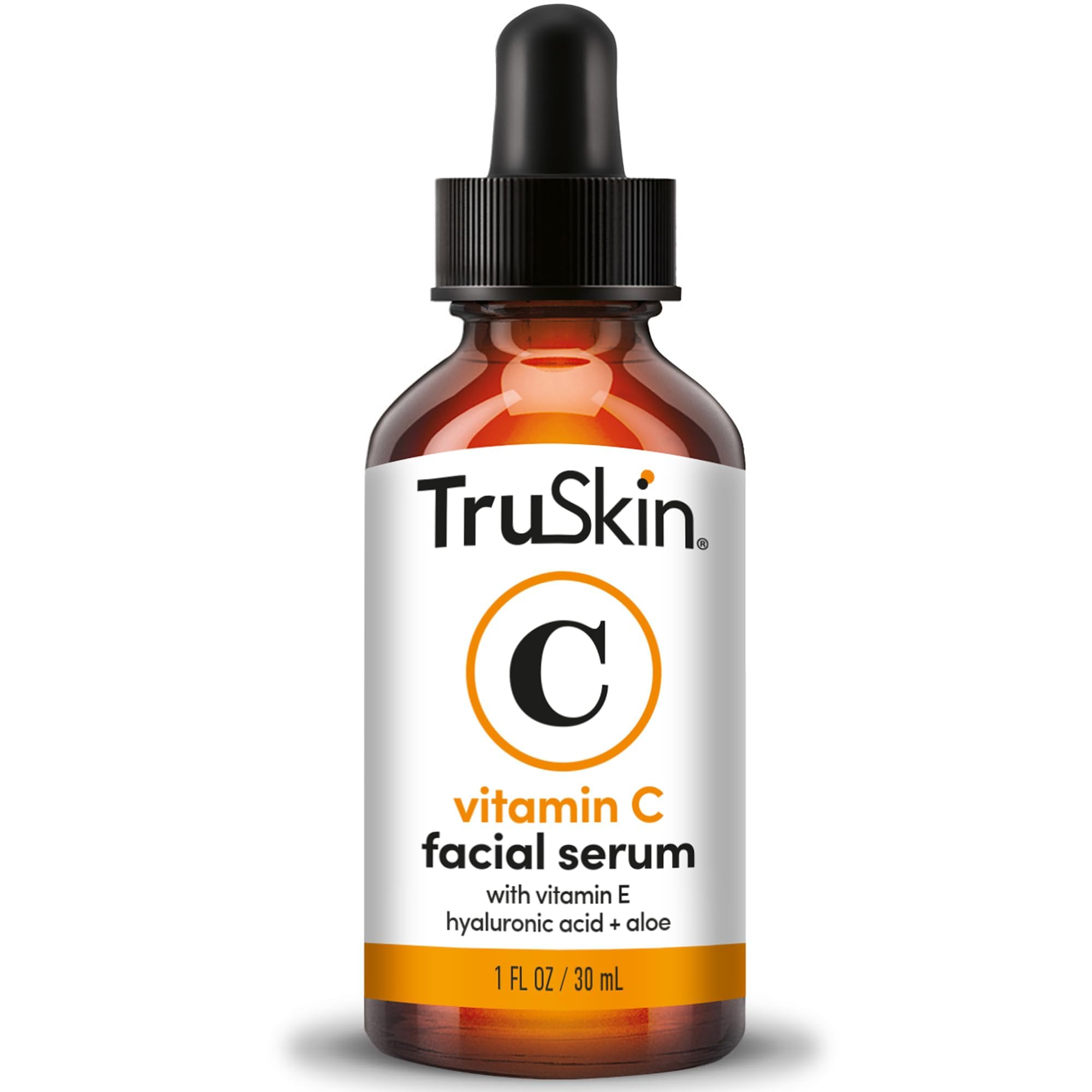
TruSkin Vitamin C Serum for Face
A bestselling Vitamin C serum with hyaluronic acid and Vitamin E. Brightens dark spots, evens skin tone, and works beautifully alongside niacinamide.
The Old Myth: Why People Thought You Couldn’t Use Them Together

The concern about mixing niacinamide and vitamin C comes from a real chemical reaction — just one that was misapplied to skincare.
In theory, niacinamide and ascorbic acid can react to form a compound called nicotinic acid (also called niacin). Nicotinic acid can cause flushing — the same kind of flushing you get from high-dose niacin supplements. That sounds alarming when you first hear it.
Here’s the problem with that reasoning: the reaction that forms nicotinic acid requires high heat and a sustained reaction time. Your skin is not a chemistry lab. At normal temperatures, applied to skin for a few minutes before you rinse or move on with your routine, the amount of nicotinic acid formed is negligible — studies have found the quantities are so small they’re essentially irrelevant.
The other concern was that niacinamide (which is closer to neutral pH) and vitamin C (which is acidic, typically pH 2.5–3.5) would destabilize each other — that the pH mismatch would make the vitamin C less effective. This one has more nuance to it, but in practice, formulated products are designed to account for pH considerations. And if you’re layering them (applying one, waiting a few minutes, applying the other), the pH of each product doesn’t dramatically affect the other one.
The myth got traction because it sounds very scientific and specific. But the actual evidence for it being a real problem in real skincare use is pretty thin.
The Real Answer: Yes, You Can Use Them Together
Dermatologists, cosmetic chemists, and peer-reviewed research have largely landed in the same place: using niacinamide and vitamin C together is fine, and the combination is actually complementary.
Both ingredients target hyperpigmentation but through different mechanisms — niacinamide blocks melanin transfer, vitamin C blocks melanin production. Together, they hit the dark spot problem from two angles. Both are antioxidants (niacinamide has antioxidant properties too), so they support each other in protecting skin from environmental damage. And niacinamide’s barrier-strengthening effects can actually help your skin tolerate vitamin C better, especially if you’re new to it or have sensitive skin.
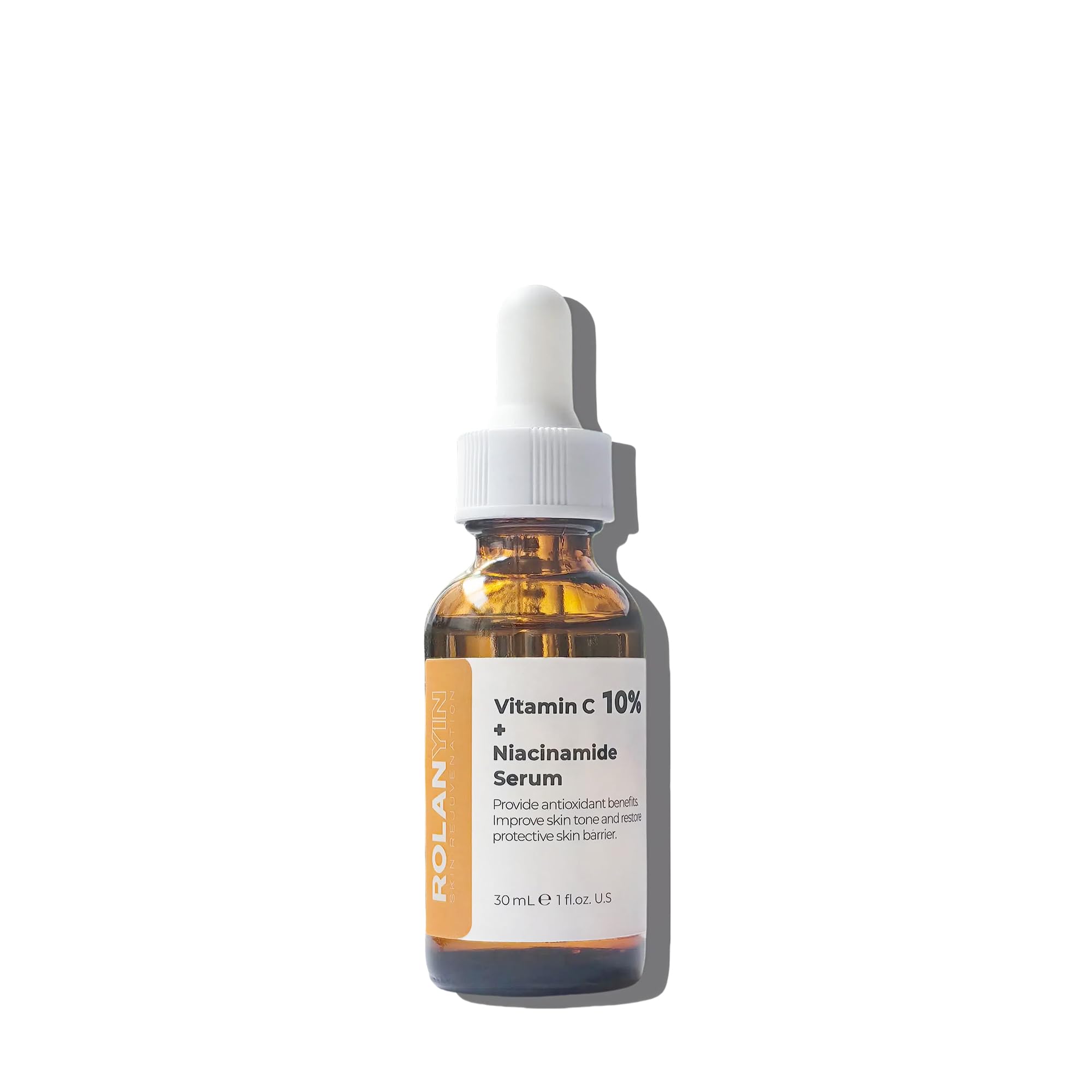
ROLANYIN Vitamin C 10% + Niacinamide Serum
Combines both actives in one bottle — ideal if you want a simplified routine. Hydrating formula that reduces fine lines and brightens.
How to Layer Them Correctly in Your Routine
If you’re using separate products, here’s how to think about it:
The simplest approach: Vitamin C in the morning, niacinamide in the evening (or both times). Vitamin C is your morning antioxidant defense — it pairs perfectly with SPF because they work synergistically against UV damage. Niacinamide works at any time but is particularly good in your PM routine because it supports skin barrier repair overnight.
If you want to use both in the same routine: Apply vitamin C first (it’s thinner, more acidic, and needs to absorb directly against clean skin). Wait 2–3 minutes. Then apply niacinamide. Layering thin-to-thick is the general rule for serums anyway, and vitamin C serums tend to be thinner than niacinamide serums.
Order of application (morning example):
- Cleanser
- Vitamin C serum — let it absorb for 2–3 minutes
- Niacinamide serum (if using both AM)
- Moisturizer
- SPF (non-negotiable if you’re using vitamin C — it sensitizes skin to sun)
One thing to be aware of: if you’re also using retinol, keep that for your PM routine and don’t stack too many actives at once. Vitamin C + niacinamide is fine. Adding retinol on top in the same routine step is where you might start seeing irritation.
Best Formulas to Use (What We Actually Recommend)
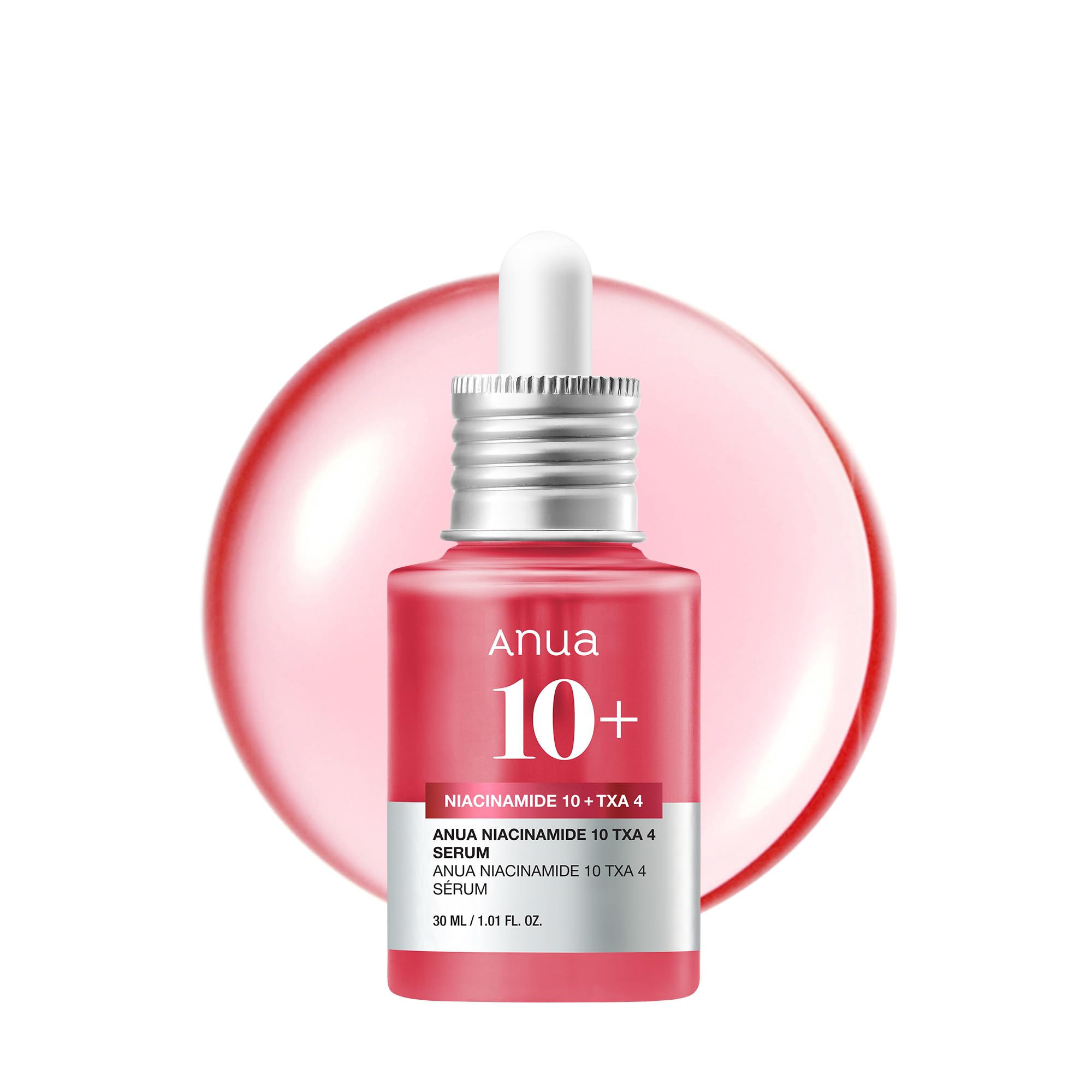
Anua Niacinamide 10% + TXA 4% Serum
High-potency niacinamide with tranexamic acid for dark spot correction. One of the most popular niacinamide serums for hyperpigmentation.
For vitamin C, your choice depends a lot on your skin type and sensitivity level. TruSkin is great for beginners and tolerant skin. Naturium’s complex formula is better if you’ve had irritation from pure ascorbic acid before. If you want a pharmacy option that’s been around forever and has an enormous body of positive reviews, look at SkinCeuticals C E Ferulic — it’s expensive but it’s the one cosmetic chemists point to as the gold standard. It’s worth it if vitamin C brightening is a priority for you.
If you want to skip the layering question entirely, a combined formula like ROLANYIN’s does the work in one step — especially good for a simpler routine or if you travel frequently.
Also: whatever vitamin C serum you use, store it in a cool, dark place or in the fridge. Once it turns orange-brown, it’s oxidized and mostly useless. Fresh is everything with vitamin C.
Who Should Avoid One or the Other
Neither ingredient is dangerous, but there are some situations worth knowing about:
If your skin is very reactive or sensitized: Start with niacinamide only. It’s more universally tolerated and will help strengthen your skin barrier before you introduce vitamin C. Once your barrier is in better shape, add vitamin C gradually.
If you have rosacea: Pure ascorbic acid (low pH vitamin C) can be irritating. Look for vitamin C derivatives like ascorbyl glucoside or sodium ascorbyl phosphate — these are more pH-neutral and much gentler. Niacinamide is actually beneficial for rosacea because of its anti-inflammatory and barrier effects.
If you’re using exfoliating acids (AHAs/BHAs) regularly: Be mindful of how many actives you’re stacking. Vitamin C on top of a freshly exfoliated face can feel stingy. Space out your acid exfoliation nights from your vitamin C mornings and you’ll be fine.
Niacinamide and extremely high concentrations: Some people report a temporary flush or tingling from very high-concentration niacinamide (above 10%). If that happens, it’s not dangerous — just dial back to 5% or use it less frequently until your skin adjusts.
Frequently Asked Questions
Do niacinamide and vitamin C actually cancel each other out?
No. The chemistry behind this concern involves a reaction that doesn’t meaningfully occur at room temperature in the short contact time of a skincare routine. The amount of nicotinic acid potentially formed is negligible and won’t cause any visible flushing. You can use them together safely.
Which one should I use first if I’m applying both in the same routine?
Vitamin C goes first — it needs direct contact with clean skin and works best at a lower pH close to the skin surface. Wait 2–3 minutes, then apply niacinamide. For the rest of your routine, continue thinnest to thickest.
Can I use niacinamide every day?
Yes — niacinamide is one of the most tolerable actives in skincare. Daily use is appropriate for most people. Start once a day and build to twice daily if desired. It’s one of the few ingredients you can use consistently without a cycling approach.
What percentage of vitamin C should I use?
Most effective formulas are in the 10–20% range for pure ascorbic acid. Above 20%, you get more irritation without significantly more benefit. If you’re new to vitamin C or have sensitive skin, start at 10% and see how your skin responds before going higher.
Will vitamin C make my skin more sensitive to the sun?
Vitamin C itself isn’t photosensitizing the way retinol is, but because it’s an active treatment, using it without SPF means your freshly treated skin is unprotected. Always follow with SPF 30+ in the morning when using vitamin C — the antioxidant protection of vitamin C and SPF actually work synergistically, so this combination is genuinely more effective than either alone.
Can I use niacinamide with retinol?
Yes, and it’s actually a great combination. Niacinamide helps offset some of the irritation that can come with retinol use by strengthening the skin barrier. Many people layer them in their PM routine without any issues. If you’re just starting retinol, check out the beginner retinol guide for how to introduce it gradually.
You’ll Also Love
- How to Repair Your Skin Barrier (and the Best Products to Use)
- The Best Retinol Products for Beginners That Won’t Destroy Your Skin
- How to Use Gua Sha the Right Way — Step-by-Step Guide
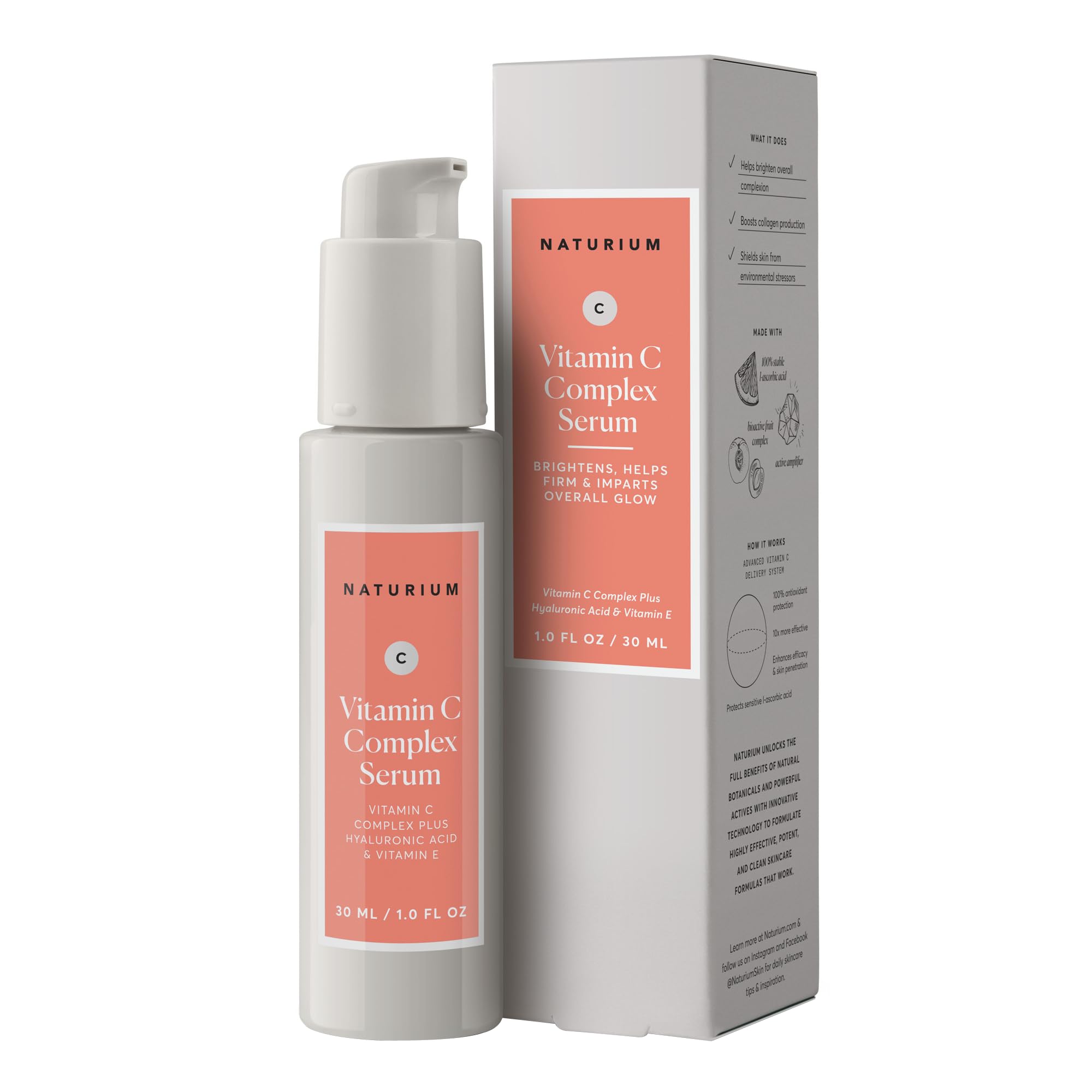
Naturium Vitamin C Complex Face Serum
A stable, non-irritating Vitamin C formula with hyaluronic acid. Great for beginners or those with sensitive skin.
How to Layer Niacinamide and Vitamin C in Your Routine
This is where most people get tripped up — not whether to use both, but how to actually layer them in a routine that makes sense.
The Basic Rule: Thinnest to Thickest
Serums go on before moisturizer, always. Within your serum step, apply the thinner, more watery formula first and the thicker one second. Most vitamin C serums are thin and water-based, so they typically go on first. Niacinamide serums vary — if yours is similarly thin, apply it right after. If it’s more of a lightweight lotion consistency, it goes after your vitamin C.
AM vs. PM Placement
Both niacinamide and vitamin C are well-suited for morning use. Vitamin C is particularly useful in the AM because it boosts SPF effectiveness and helps neutralize free radicals from UV and pollution. Niacinamide in the morning helps with oil control throughout the day and doesn’t cause photosensitivity. A simple morning sequence: cleanser → vitamin C serum → niacinamide serum (or a combined formula) → moisturizer → SPF. At night, niacinamide works beautifully layered with other actives. Vitamin C at night is fine, but it’s not as essential — you’re not getting the antioxidant-boosting benefits if you’re sleeping.
What NOT to Mix With Each
With vitamin C: avoid layering directly with AHAs and BHAs (like glycolic acid or salicylic acid) in the same step — the pH mismatch can reduce effectiveness and increase irritation. Also avoid using with benzoyl peroxide, which oxidizes vitamin C. With niacinamide: niacinamide is one of the most compatible ingredients in skincare — it plays well with almost everything, including retinol, peptides, hyaluronic acid, and SPF. The old concern about niacinamide and vitamin C creating niacin (which causes flushing) is largely debunked at normal skincare concentrations. You’re fine to use them together.
Common Mistakes When Using Vitamin C
Vitamin C is one of the most effective skincare ingredients available — and also one of the easiest to use wrong. Here’s what actually matters.
Using an Oxidized Serum
Vitamin C (especially L-ascorbic acid) oxidizes when exposed to air and light. An oxidized serum turns yellow, then orange, then brown — and at that point it’s not just less effective, it can actively cause skin discoloration. If your serum has changed color, replace it. To slow oxidation: store your vitamin C serum in a cool, dark place (a medicine cabinet works better than a sunny bathroom counter), close the cap tightly after each use, and don’t buy huge bottles you’ll take months to finish.
Applying to Damp Skin
Most vitamin C serums are pH-dependent — they work best at a low pH (around 3.5), which is below the normal pH of wet skin. Applying to wet or damp skin dilutes the formula and raises the pH, reducing penetration and effectiveness. Pat your skin dry after cleansing before applying vitamin C. Wait a full minute or two for skin to return to its normal pH.
Layering With AHAs/BHAs
Using vitamin C right before or after an exfoliating acid is a common mistake. Both are low-pH products, and layering them increases the risk of irritation — especially for sensitive skin — without adding extra benefit. If you want to use both, separate them: vitamin C in the morning, exfoliating acids at night. Or alternate nights if you’re using AHAs/BHAs regularly.
Skipping SPF
This one is non-negotiable. Vitamin C sensitizes your skin to UV damage and degrades faster in sunlight. If you’re applying it in the morning and not following with SPF, you’re essentially doing the opposite of what you’re trying to achieve. Daily SPF 30+ is the minimum; SPF 50 is better. The vitamin C + SPF combination is genuinely one of the most effective anti-aging pairings in skincare — but only if you actually use both.
Signs Your Skin Is Responding Well (and When to Adjust)
Results from vitamin C and niacinamide aren’t overnight — but they’re also not invisible. Here’s what to watch for at each stage.
Weeks 1–2: Setting the Baseline
In the first two weeks, you shouldn’t expect dramatic changes. What you should be monitoring is tolerance. Mild tingling from vitamin C (especially L-ascorbic acid at higher percentages) is normal. Persistent burning, redness, or new breakouts are not — if you’re experiencing those, either your concentration is too high, you’re using a formula that doesn’t agree with your skin, or you’re layering with something incompatible. Niacinamide at standard percentages (5–10%) rarely causes irritation, but if you’ve never used it before, some people do experience a brief adjustment period.
Weeks 3–4: Early Brightness
Around week three to four, most people start to notice that their skin looks brighter and more even — not dramatically, but noticeably. Hyperpigmentation and dark spots won’t be gone, but they may start to look less sharp or prominent. Oil control from niacinamide often becomes apparent before the brightening does. If you’re not seeing any change at all by week four, check whether your vitamin C has oxidized or whether your formula is a stable derivative (like ascorbyl glucoside) that works more gradually.
Weeks 6–8: Measurable Results
By week six to eight, you should see real, measurable improvement in skin tone and texture if you’ve been consistent. Hyperpigmentation visibly lighter. Skin looking more even in photographs and natural light. Fine lines may appear slightly less pronounced (vitamin C supports collagen synthesis over time). This is also when you’ll notice how your skin is handling the routine long-term — if you’ve had zero irritation and are seeing results, stay the course.
Signs to Watch For
Watch out for: persistent redness or a warm, flushed feeling (may indicate niacinamide sensitivity — rare, but happens); new breakouts concentrated where you apply products (check whether a formula contains comedogenic ingredients); increased dryness or flaking (reduce frequency or add more moisture). On the positive side: skin that looks “lit from within,” faster fading of sun damage, and a more consistent texture are all signs the routine is working.
Frequently Asked Questions
Can you use niacinamide every day?
Yes — niacinamide is one of the most well-tolerated active ingredients in skincare. Daily use at 5–10% is standard and safe for most skin types. Some formulas go up to 20%, which is effective but more likely to cause flushing in sensitive individuals. If you’re new to niacinamide, starting with a 5% formula once daily is a smart approach before committing to twice daily.
Does vitamin C serum expire?
Yes, and faster than most people realize. An opened vitamin C serum (especially L-ascorbic acid) is typically good for 3–6 months before oxidation becomes a real issue. An unopened, properly sealed bottle can last up to a year. The color change is your clearest indicator — pale yellow is fine, darker orange or brown means it’s turned. If yours has gone dark, stop using it on your face.
What percentage of niacinamide is actually effective?
Studies show visible benefits starting at 2%, with the most research supporting 4–5% for pore-minimizing, brightening, and oil control effects. 10% shows additional benefits for hyperpigmentation specifically. You don’t need to go higher than 10% — beyond that, there’s little added benefit and higher risk of irritation or flushing. Most well-formulated products sit in the 5–10% range.
Should you use vitamin C in the morning or at night?
Morning is generally the better choice, because vitamin C acts as an antioxidant against UV and environmental damage throughout the day. It also pairs naturally with SPF. That said, it works perfectly fine at night if that’s what fits your routine — you’ll still get the brightening and collagen benefits, just not the daytime antioxidant protection. If your skin is sensitive, starting at night can be a gentler way to introduce a new vitamin C formula.
You’ll Also Love
- Azelaic Acid Benefits for Skin (And the Best Products on Amazon)
- Best Tinted Sunscreen for Women (That Doesn’t Feel Like Sunscreen)
- What Does Retinol Actually Do to Your Skin?
- How to Use Gua Sha the Right Way (Step-by-Step Guide)
Free Download
Get My Daily Supplement Stack Guide
Everything I take, why I take it, and what I noticed — morning, midday, and evening. Free when you join the list.
No spam, ever. Unsubscribe anytime.