
Bloating is one of those things that feels deeply personal and deeply unfair. You eat the same salad your coworker ate and you’re three sizes bigger by 3 PM. Here’s what I’ve learned after years of trying to figure out my own gut: it’s not just about what you eat. For women especially, bloating is tied to hormones, gut bacteria composition, stress, and where you are in your cycle. The good news is that once you understand what’s actually happening, you can make targeted choices instead of just suffering through it. Here are the natural remedies that have actually helped me — and the ones that have research behind them.
Why Women Bloat More Than Men (It’s Hormonal)
Women are significantly more prone to bloating than men, and it’s not in your head. Estrogen and progesterone directly affect gut motility — how quickly food moves through your digestive system. In the week before your period, progesterone slows gut motility, which means food moves more slowly and gas builds up. During your period itself, prostaglandins (the compounds responsible for cramping) also affect the intestines, causing more bloating and unpredictable digestion.
Women also have a higher prevalence of IBS, which disproportionately causes bloating. And research shows that women’s gut microbiome composition is different from men’s, responding differently to dietary shifts and stress hormones. So if you feel like you’re fighting harder than everyone around you — you probably are, and there are real physiological reasons for it.

Arrae Fast-Acting Bloating Relief
$29.97
Designed specifically for fast relief — uses digestive enzymes plus herbs like fennel and artichoke.
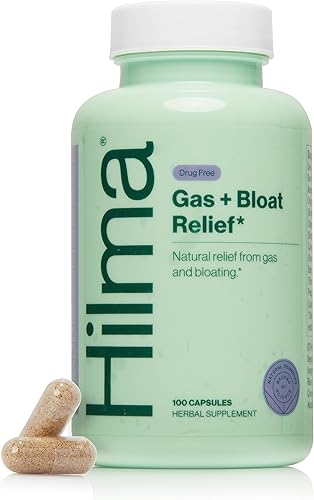
Hilma Natural Gas & Bloating Relief
$25.00
Doctor-formulated with lemon balm, fennel, and peppermint — works within about 30 minutes.
Immediate Relief: What to Do Right Now
If you’re bloated right now and need relief fast, here are the things that actually work. First: movement. Even a 10-minute walk after eating significantly accelerates gastric emptying and helps gas move through. Don’t sit still after a meal if you’re prone to bloating. Second: positioning. Lying on your left side specifically is helpful because of where your colon sits — it can help gas move toward the exit. Gentle abdominal massage (clockwise, following the path of the colon) also moves things along quickly.
Specific teas work well too. Peppermint tea is one of the most studied remedies for bloating — peppermint relaxes the smooth muscles of the GI tract, helping trapped gas escape. Ginger tea is a close second, especially if bloating is accompanied by nausea or cramping. Fennel seed tea is excellent for gas specifically. Make a cup, drink it slowly, and pair it with that 10-minute walk.
Heat also helps — a heating pad on your abdomen relaxes the abdominal muscles and can provide near-immediate comfort while you wait for other remedies to kick in.

Physician’s CHOICE Probiotics for Women
$23.97
A women-specific probiotic blend for long-term gut and hormonal balance.
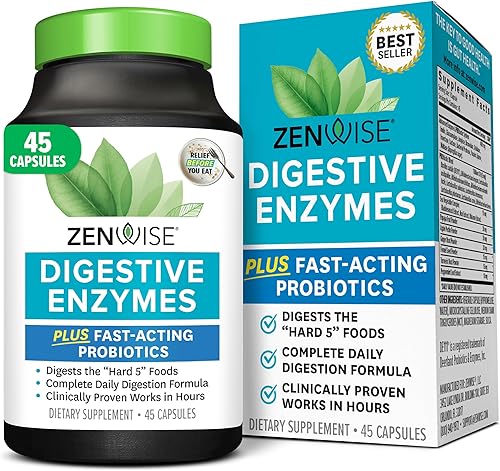
Zenwise Health Digestive Enzymes
$14.97
Take with meals to break down food more efficiently — great if you bloat after eating.
Supplements That Actually Have Research Behind Them
There are a lot of supplements marketed for bloating, but the evidence isn’t equal across the board. Here’s what actually has clinical backing. Digestive enzymes are probably the most immediately effective supplement for bloating after eating — they help break down food more completely, reducing the amount of undigested material that ferments in the gut and causes gas. Taking them before or with meals makes the biggest difference.
Probiotics have solid research for long-term gut health, but the key is choosing strains that have been studied specifically for bloating. Lactobacillus acidophilus and Bifidobacterium longum are among the most researched. A women-specific probiotic that accounts for hormonal fluctuations is even better. Don’t expect overnight results with probiotics — most studies show significant improvement after four to eight weeks of consistent use.
Herbal supplements with fennel, artichoke, and peppermint have good evidence for symptom relief. They work by relaxing intestinal muscles and stimulating bile production, which aids digestion. These tend to act faster than probiotics and can provide relief within 30-60 minutes.

Hilma Bloating Relief for Women
$17.46
Organic blend with ginger and chamomile — gentle and effective for daily use.

Legendairy Milk Digestive Enzymes
$19.79
A comprehensive enzyme blend that handles proteins, fats, and carbohydrates.
Foods to Cut First (Even “Healthy” Ones)
Before you start adding supplements, it’s worth looking at what you’re eating that might be making things worse. The usual suspects are well known — carbonated drinks, beans, cruciferous vegetables like broccoli and cauliflower, and processed foods with lots of additives. But some “healthy” foods catch people by surprise.
Protein shakes are a major culprit, especially if they contain whey (a dairy derivative) or sugar alcohols like xylitol and sorbitol. Kombucha, despite its gut-health reputation, contains carbonation and yeast that can worsen bloating in some people. Raw onions and garlic are high in FODMAPs (fermentable carbohydrates that the gut struggles to digest). Even apple cider vinegar, despite its wellness reputation, can worsen bloating in people with slow gastric emptying. If you’re bloating consistently and can’t figure out why, try eliminating these before anything else.
Building a Long-Term Gut Health Routine
Short-term fixes are useful, but the real goal is building a gut that doesn’t fight you every day. That means consistency over time: a daily probiotic, regular digestive enzyme use with heavier meals, plenty of fiber from diverse plant sources (aim for 30 different plant foods a week — this is easier than it sounds), and managing stress, since the gut-brain connection is very real and stress hormones directly affect digestion.
Sleep matters too. Poor sleep disrupts the gut microbiome within days. Eating on a consistent schedule helps regulate digestive rhythms. And staying adequately hydrated keeps things moving — dehydration is a very common and very overlooked cause of bloating and constipation.
How Your Menstrual Cycle Affects Bloating
If you feel bloated at the exact same time every month and wonder why — your cycle is almost certainly the answer. The week before your period, progesterone rises and causes two things that directly impact bloating: water retention and slowed digestion. Progesterone is a smooth muscle relaxant, which means the muscles lining your gut move waste through more slowly. The result? More gas, more pressure, more discomfort.
Estrogen also plays a role — fluctuations in estrogen affect how your body regulates fluid, which is why the classic “period bloat” involves both puffiness and digestive sluggishness.
What actually helps during the luteal phase (the week before your period):
- Reduce excess sodium — it amplifies water retention significantly
- Avoid alcohol, which compounds both bloating and mood fluctuations
- Increase magnesium — it helps reduce cramping and supports gut motility
- Be gentle with your gut — this isn’t the week to try aggressive detoxes or new high-fiber foods
Tracking your cycle and anticipating this pattern is more empowering than fighting it each month. When you know it’s coming, you can plan around it.
The Gut-Stress Connection
The gut-brain axis is one of the most underappreciated relationships in the body — and once you understand it, a lot of things click. Stress directly affects gut motility through the vagus nerve, which connects your brain and digestive system in a two-way communication channel.
When cortisol is elevated — whether from work, relationships, poor sleep, or just chronic low-grade stress — digestion slows, gut bacteria composition shifts toward less beneficial strains, and the intestinal lining can become more permeable. This isn’t psychological weakness. It’s physiology.
This is why so many people with anxiety also have IBS or chronic digestive issues. The gut has its own nervous system (the enteric nervous system) and it responds to emotional states just as strongly as the stomach responds to food.
The practical implication: managing stress IS managing gut health. No probiotic or elimination diet will fully solve bloating if chronic stress is the root cause. Meditation, breathwork, adequate sleep, and reducing stressors aren’t “nice-to-haves” — they’re core gut health interventions.
Foods That Actually Help With Bloating
Rather than focusing only on what to eliminate, let’s talk about what to add that actively soothes and supports the gut:
- Ginger — reduces GI inflammation and promotes motility. Fresh ginger tea is one of my go-to’s.
- Fennel — relaxes the smooth muscles of the intestines, which is why it’s been used as a digestive remedy for centuries. Fennel seeds work too.
- Pineapple — contains bromelain, an enzyme that aids protein digestion and reduces inflammation.
- Kiwi — contains actinidin, another digestive enzyme, plus high fiber. One of the best fruits for gut health.
- Cucumber — high water content helps flush excess sodium and reduce water retention.
- Peppermint tea — antispasmodic, directly relaxes intestinal muscles.
- Plain yogurt with live cultures — adds beneficial bacteria that aid fermentation and gas management.
The goal isn’t a perfect diet — it’s a balanced one. These additions work alongside sensible reductions of known triggers like excess fiber all at once, carbonated drinks, and artificial sweeteners.
Building a Daily Anti-Bloat Routine
Consistency beats perfection here. Here’s a simple framework that actually fits into a real day:
Morning:
- Warm lemon water before coffee — stimulates digestion and liver function gently
- Probiotic supplement with breakfast (timing matters — food buffers stomach acid)
- Eat breakfast without rushing — stress while eating directly impairs digestion
During the day:
- Chew each bite thoroughly — at least 20 chews. Digestion starts in the mouth and most of us skip this entirely.
- Smaller, consistent meals rather than skipping and then overeating
- A short walk after lunch — even 10 minutes significantly improves gastric emptying
Evening:
- Peppermint or chamomile tea after dinner
- No eating 2 to 3 hours before bed — overnight digestion is less efficient
- Magnesium glycinate before sleep — supports gut motility and reduces cramping
Shop All Recommendations
Arrae Fast-Acting Bloating Relief
$29.97
Designed specifically for fast relief — uses digestive enzymes plus herbs like fennel and artichoke.
Hilma Natural Gas & Bloating Relief
$25.00
Doctor-formulated with lemon balm, fennel, and peppermint — works within about 30 minutes.
Physician’s CHOICE Probiotics for Women
$23.97
A women-specific probiotic blend for long-term gut and hormonal balance.
Zenwise Health Digestive Enzymes
$14.97
Take with meals to break down food more efficiently — great if you bloat after eating.
Hilma Bloating Relief for Women
$17.46
Organic blend with ginger and chamomile — gentle and effective for daily use.
Legendairy Milk Digestive Enzymes
$19.79
A comprehensive enzyme blend that handles proteins, fats, and carbohydrates.
Frequently Asked Questions
Why do I bloat more before my period?
Progesterone peaks in the week before your period and slows gut motility, meaning food and gas move through your system more slowly. This is completely normal and tends to resolve once your period starts. Supporting digestion with enzymes and anti-bloat herbs during this week can help significantly.
Are digestive enzymes safe to take every day?
For most people, yes. They’re naturally produced by your body anyway — supplementing just adds more of what you already make. If you have a specific digestive condition, check with your doctor first, but for healthy adults they’re generally very well tolerated.
How long does it take for probiotics to work for bloating?
Most research shows meaningful improvement after four to eight weeks of daily use. Some people notice changes sooner, but expect to commit to at least a month before evaluating whether it’s working for you.