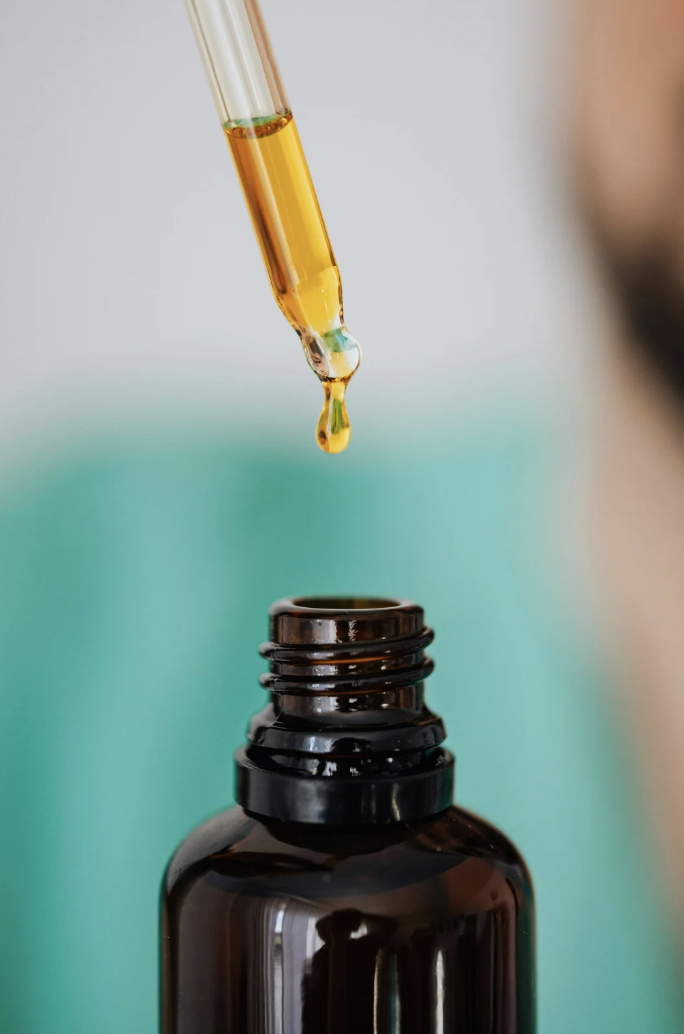


I used to think anxiety was just a personality trait. Like, some people worry more than others — that’s just how it is. It took me a long time to understand that what I was experiencing was a physiological response, not a character flaw. Chronic stress and anxiety have measurable effects on your hormones, your sleep, your digestion, and your long-term health — and that means they can also be approached physiologically, not just mentally. I’m not here to tell you supplements replace therapy or medication. But I am here to tell you that the right combination of lifestyle changes and well-researched natural remedies made a genuinely meaningful difference for me. Here’s what actually works.
What Chronic Stress Does to Your Body (It’s More Than You Think)
When you’re stressed, your adrenal glands pump out cortisol — your body’s primary stress hormone. In short bursts, cortisol is useful. It helps you deal with a crisis. The problem is when stress becomes chronic and cortisol stays elevated. Chronically high cortisol suppresses immune function, disrupts sleep architecture, increases inflammation, throws off blood sugar regulation, and directly interferes with estrogen and progesterone production. For women especially, this hormonal cascade can show up as irregular cycles, worsened PMS, fatigue that doesn’t resolve with sleep, and an inability to lose weight despite doing everything “right.”
The anxiety you feel isn’t just in your head — it’s running through your entire endocrine system. This is why addressing anxiety from a physiological angle (sleep, nutrition, movement, targeted supplements) can have real, measurable effects beyond just “feeling calmer.”

Live Conscious Ashwagandha with L-Theanine
$23.75
KSM-66 ashwagandha (the clinically studied form) plus L-theanine for calm without drowsiness.
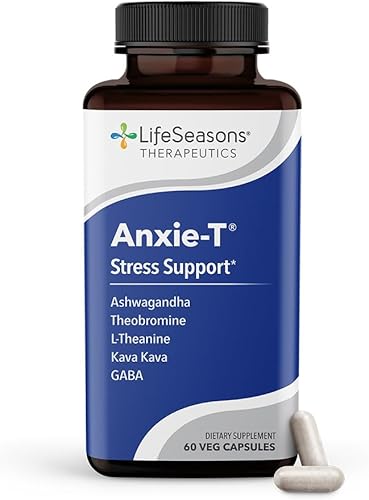
LifeSeasons Anxie-T Stress Relief
$32.99
A comprehensive blend including GABA, passionflower, and valerian for multi-pathway stress support.
Adaptogens Explained Simply
You’ve probably heard the word “adaptogen” thrown around a lot, and it can sound like wellness buzzword territory. But adaptogens are a real, well-defined category of herbs with a specific quality: they help your body adapt to stress by modulating the HPA (hypothalamic-pituitary-adrenal) axis — the system that controls your cortisol response.
The most researched adaptogens for anxiety are ashwagandha, rhodiola rosea, and holy basil. Ashwagandha (specifically the KSM-66 extract, which is the form used in most clinical studies) has the strongest evidence — multiple randomized controlled trials show it significantly reduces cortisol levels and self-reported anxiety scores after 60-90 days of use. Rhodiola has good evidence specifically for stress-induced fatigue and burnout. Holy basil has antioxidant and anti-inflammatory properties that support the stress response more broadly.
The key thing to understand: adaptogens aren’t sedatives. They don’t make you drowsy or numb. They work over time to regulate your stress response so it fires more appropriately — not as an over-reaction to every email that comes in.

Arrae Calm Cortisol Manager
$39.99
Targets cortisol specifically — ideal if your anxiety spikes at certain times of day.

Nature’s Bounty Ashwagandha KSM 66
$9.88
The budget pick that still uses the KSM-66 extract — same active compound, fraction of the price.
Magnesium: The Most Underrated Anxiety Remedy
If I could only take one supplement for anxiety, it would be magnesium. Most adults are deficient in it, and magnesium plays a role in over 300 enzymatic reactions in the body — including regulating the nervous system and GABA receptors (the same receptors that anti-anxiety medications target). Low magnesium is directly associated with increased anxiety, poor sleep, muscle tension, and irritability.
The form matters here. Magnesium glycinate is the best choice for anxiety and sleep — it’s highly absorbable and doesn’t cause the digestive upset that magnesium oxide can. Take 200-400mg before bed and give it two to three weeks before judging the results. Many people report noticeably better sleep within the first week, which itself reduces anxiety substantially.
Lifestyle Habits That Actually Move the Needle
No supplement replaces the basics. Here are the non-negotiables. Sleep is the most powerful anxiety intervention there is — even one night of poor sleep elevates cortisol and amplifies the amygdala’s threat response. If you’re doing everything else right but sleeping six hours a night, you’re fighting uphill.
Breathwork is genuinely powerful and works within minutes. The physiological sigh (double inhale through the nose, long exhale through the mouth) has been shown in Stanford research to reduce anxiety faster than other breathing techniques. Box breathing (inhale 4 counts, hold 4, exhale 4, hold 4) activates the parasympathetic nervous system within a few cycles. Cold exposure — even just a 30-second cold shower — produces a norepinephrine release that improves mood and focus for hours after. Regular aerobic exercise reduces baseline cortisol over time and is one of the best-studied interventions for anxiety. These aren’t optional lifestyle bonuses — for managing anxiety, they’re the foundation.
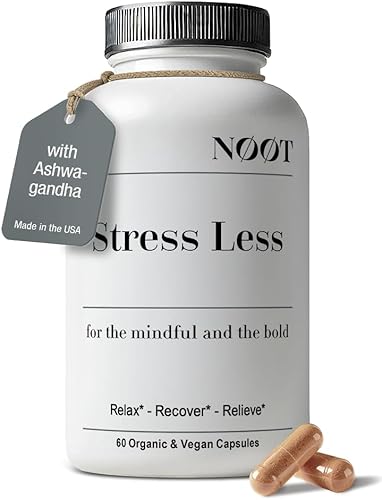
NOOT Stress Less Adaptogen Mix
$9.99
A thoughtful adaptogen blend including rhodiola, ashwagandha, and holy basil.

OLLY Goodbye Stress Softgels
$18.69
GABA, ashwagandha, and L-theanine in one softgel — a popular, accessible option.
What Has Real Clinical Backing vs. What’s Overhyped
In the anxiety supplement space, a lot of things are overhyped. CBD has mixed evidence at best for anxiety — some studies are promising, many are poorly designed, and the dose and form vary widely. Lavender capsules (like Silexan) actually do have solid clinical trial data. L-theanine (found in green tea and available as a supplement) has good evidence for reducing the physical symptoms of stress without causing drowsiness — it pairs well with ashwagandha. GABA as a supplement is more complicated because it doesn’t cross the blood-brain barrier easily in supplemental form, though some formulations address this.
The most evidence-backed approach: KSM-66 ashwagandha + magnesium glycinate + L-theanine as a baseline, layered with consistent sleep, movement, and breathwork. Add or swap based on what resonates with your specific pattern of anxiety.
The Role of Sleep in Anxiety
Sleep and anxiety have a frustrating relationship: anxiety makes it harder to sleep, and poor sleep makes anxiety significantly worse. It’s one of the most vicious cycles in mental health — and it’s completely physiological, not a willpower issue.
REM sleep is where the brain processes and regulates emotional experiences. When you don’t get enough of it, your amygdala (the brain’s threat-detection center) becomes hyperreactive the next day — everything feels more threatening, more overwhelming, more anxiety-provoking. Consistently sleeping less than 7 hours keeps cortisol elevated throughout the day, which perpetuates both the anxiety and the sleep disruption.
Sleep hygiene basics that actually make a difference:
- Consistent bedtime and wake time — even on weekends. This is the single most important factor for sleep quality.
- Cool, dark room — body temperature needs to drop to initiate sleep; a cooler room supports this.
- No screens 30 minutes before bed — blue light suppresses melatonin and keeps the nervous system alert.
- Magnesium glycinate supplementation — well-supported for sleep quality and anxiety reduction. 300 to 400mg before bed is a common starting point.
If sleep is severely disrupted, addressing it directly — through therapy, sleep hygiene, or both — is often more effective than treating anxiety alone.
Breathwork: The Fastest Free Tool
If I could recommend one anxiety tool that requires no money, no equipment, and works within 30 seconds, it’s breathwork. And not the vague “just breathe” advice — I mean specific, science-backed techniques that directly regulate your nervous system.
The techniques worth knowing:
- The physiological sigh — double inhale through the nose (two quick inhales, one after the other to fully inflate the lungs), then one long exhale. This is the fastest way to activate the parasympathetic nervous system and is literally what the body does automatically to release tension. Takes 30 seconds.
- Box breathing — inhale for 4 counts, hold for 4, exhale for 4, hold for 4. Great during panic or high-stress moments. Used by Navy SEALs for a reason.
- 4-7-8 breathing — inhale for 4 counts, hold for 7, exhale for 8. Excellent for winding down before sleep.
These aren’t placebo. They directly regulate CO2 levels and heart rate variability — two measurable markers of nervous system state. The long exhale specifically activates the vagus nerve and shifts the body from sympathetic to parasympathetic mode.
What to Eat (and Avoid) for Anxiety
Blood sugar dysregulation is one of the most overlooked contributors to anxiety. When blood sugar drops rapidly — which happens after high-sugar meals, refined carbs, or skipping meals — the body releases adrenaline and cortisol to compensate. These hormones feel exactly like anxiety symptoms: racing heart, shakiness, irritability, sense of dread.
Foods and substances to reduce:
- High sugar and refined carbohydrates — cause blood sugar spikes and crashes
- Too much caffeine, especially on an empty stomach — amplifies cortisol and triggers fight-or-flight
- Alcohol — short-term GABA boost followed by a rebound that significantly worsens anxiety the next day
Foods that actively support anxiety reduction:
- Complex carbs with protein — stabilize blood sugar and support serotonin production
- Omega-3 fatty acids (fatty fish, walnuts, flaxseed) — reduce neuroinflammation and support mood regulation
- Fermented foods (yogurt, kimchi, kefir) — support the gut-brain axis and GABA production
- Magnesium-rich foods (dark chocolate, leafy greens, pumpkin seeds) — magnesium deficiency is strongly linked to anxiety
Building a Daily Stress Regulation Routine
The research is clear: consistency in your daily anchors reduces background anxiety more than any single intervention. Here’s a structure that actually works:
Morning anchor:
- No phone for the first 20 minutes — starting the day without reactive input lowers baseline cortisol
- 5 minutes of sunlight exposure — regulates circadian rhythm and serotonin production
- Protein-rich breakfast — stabilizes blood sugar for the whole morning
Midday reset:
- 3 physiological sighs at lunch — intentional nervous system reset
- A short walk outside, even 10 minutes — movement clears cortisol and improves afternoon focus
Evening wind-down:
- Consistent bedtime — non-negotiable for anxiety management
- Dim lights after 9pm — supports melatonin production naturally
- Magnesium glycinate before sleep
- Gratitude journal — 3 specific items. This trains your brain’s attention toward positive inputs over time, literally rewiring how the brain scans for threat vs. safety.
Weekend priority: genuine social connection. It’s the single most protective factor against chronic anxiety that the research consistently finds.
Shop All Recommendations
Live Conscious Ashwagandha with L-Theanine
$23.75
KSM-66 ashwagandha (the clinically studied form) plus L-theanine for calm without drowsiness.
LifeSeasons Anxie-T Stress Relief
$32.99
A comprehensive blend including GABA, passionflower, and valerian for multi-pathway stress support.
Arrae Calm Cortisol Manager
$39.99
Targets cortisol specifically — ideal if your anxiety spikes at certain times of day.
Nature’s Bounty Ashwagandha KSM 66
$9.88
The budget pick that still uses the KSM-66 extract — same active compound, fraction of the price.
NOOT Stress Less Adaptogen Mix
$9.99
A thoughtful adaptogen blend including rhodiola, ashwagandha, and holy basil.
OLLY Goodbye Stress Softgels
$18.69
GABA, ashwagandha, and L-theanine in one softgel — a popular, accessible option.
Frequently Asked Questions
How long does ashwagandha take to work for anxiety?
Most clinical studies show significant results after 60 to 90 days of daily use. Some people notice subtle effects within two to three weeks. It’s not a fast-acting remedy — think of it like building a physiological foundation rather than taking something that kicks in within an hour.
Can natural remedies replace medication for anxiety?
For some people with mild to moderate anxiety, yes — particularly when combined with lifestyle changes. For moderate to severe anxiety, natural remedies work best as a complement to, not a replacement for, professional treatment. Always talk to your doctor before stopping or adjusting any medication.
What’s the difference between stress and anxiety?
Stress is typically a response to a specific external stressor that goes away when the stressor is removed. Anxiety persists even when there’s nothing specific to be stressed about — it’s a background state of worry or threat anticipation. Both respond to many of the same interventions, but anxiety often benefits from more targeted support.