

If you could only add one supplement to your routine, a strong case could be made for magnesium. It’s involved in over 300 biochemical reactions in your body — and yet surveys consistently show that a majority of women don’t get enough of it through diet alone.
The effects of low magnesium are frustratingly vague: poor sleep, muscle tension, anxiety, headaches, fatigue. Symptoms that are easy to dismiss or attribute to stress. But for many women, simply optimizing magnesium levels makes a noticeable difference within weeks.

What Magnesium Actually Does for Women
Magnesium isn’t one-trick supplement — it works across almost every system in your body:
- Sleep quality: Magnesium regulates melatonin and activates the parasympathetic nervous system — your “rest and digest” mode. Low magnesium is directly linked to insomnia and poor sleep quality.
- Stress and anxiety: Magnesium modulates the HPA axis (your stress response system) and regulates cortisol. Women under chronic stress deplete magnesium faster, creating a feedback loop.
- Muscle function and cramps: Magnesium and calcium work together to regulate muscle contractions. Deficiency causes cramps, tension, and restless legs.
- Hormone balance: Magnesium supports thyroid function, helps regulate estrogen metabolism, and can reduce PMS symptoms including cramps and mood changes.
- Blood sugar regulation: Magnesium improves insulin sensitivity — especially relevant for women with PCOS or blood sugar fluctuations.
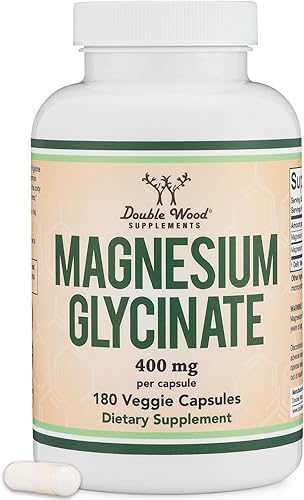
Magnesium Glycinate 400mg | 180 Capsules | Sleep, Muscle, & Heart
The most bioavailable form of magnesium — gentle on the stomach and best for sleep and anxiety relief.
The Different Types of Magnesium (And Which One You Need)
This is where most people get confused. Not all magnesium supplements are equal — the form matters a lot for absorption and what it’s most effective for:
- Glycinate: The gold standard for sleep, anxiety, and muscle relaxation. Highly absorbable and gentle on digestion. This is my top recommendation for most women.
- Citrate: Well-absorbed and has a mild laxative effect — good if you also deal with constipation. A solid all-rounder.
- Threonate: The only form shown to cross the blood-brain barrier. Best for cognitive support, focus, and memory.
- Oxide: The most common and cheapest form — but also the least absorbed. Avoid this one.
- Topical (oil/lotion): Absorbed through the skin — great for muscle soreness and local relaxation, but evidence for systemic effects is weaker.
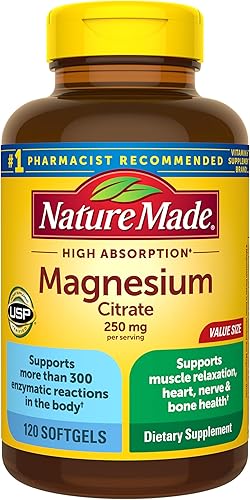
Nature Made Magnesium Citrate 250 mg per serving, Magnesium Supplement
A well-absorbed option that also supports digestion — great for those who deal with stress-related gut issues.

The Best Magnesium Supplements on Amazon
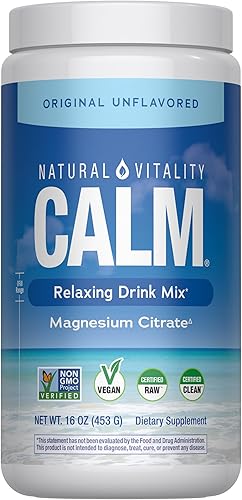
Natural Vitality Calm, Magnesium Supplement, Anti-Stress Drink Mix Pow
The cult-favorite magnesium powder — mix into water at night and feel the difference in your sleep within days.
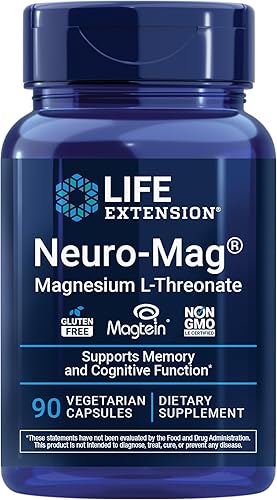
Life Extension Neuro-Mag Magnesium L-Threonate, Memory Health, Quick T
The form that crosses the blood-brain barrier — supports focus, memory, and cognitive health.

ArtNaturals Magnesium Oil Spray 12 oz + Body Massage Lotion Set 8oz fo
Topical magnesium absorbs through the skin — great for muscle soreness and relaxation before bed.

How Much Magnesium Should You Take?
The RDA for magnesium for women is 310–320mg per day, but many functional medicine practitioners recommend 400mg for women dealing with sleep issues, anxiety, or PMS. Start at a lower dose (200mg) and work up — too much too fast can cause loose stools.
Take it at night for sleep benefits — most women notice a difference within 1–2 weeks of consistent use. If you’re taking any medications, check with your doctor first as magnesium can interact with certain antibiotics and heart medications.
Frequently Asked Questions
What does magnesium do for women?
Magnesium supports sleep, stress response, muscle function, hormone balance, and blood sugar regulation. Most women don’t get enough through diet, making supplementation particularly beneficial.
What is the best form of magnesium for sleep?
Magnesium glycinate is the most recommended form for sleep — it’s highly bioavailable, gentle on the stomach, and specifically supports the relaxation response that leads to better sleep quality.
When should I take magnesium?
Most women get the best results taking magnesium at night, 30–60 minutes before bed. This aligns with its calming, sleep-supporting effects.
You Might Also Like
Shop All Recommendations
All magnesium picks — click to shop on Amazon:
Magnesium Glycinate 400mg | 180 Capsules | Sleep, Muscle, & Heart
The most bioavailable form of magnesium — gentle on the stomach and best for sleep and anxiety relief.
Nature Made Magnesium Citrate 250 mg per serving, Magnesium Supplement
A well-absorbed option that also supports digestion — great for those who deal with stress-related gut issues.
Natural Vitality Calm, Magnesium Supplement, Anti-Stress Drink Mix Pow
The cult-favorite magnesium powder — mix into water at night and feel the difference in your sleep within days.
Life Extension Neuro-Mag Magnesium L-Threonate, Memory Health, Quick T
The form that crosses the blood-brain barrier — supports focus, memory, and cognitive health.
ArtNaturals Magnesium Oil Spray 12 oz + Body Massage Lotion Set 8oz fo
Topical magnesium absorbs through the skin — great for muscle soreness and relaxation before bed.
As an Amazon Associate I earn from qualifying purchases at no extra cost to you.