
I’ll be honest — when I first got a gua sha tool, I had no idea what I was doing. I’d seen the satisfying videos on TikTok and figured I’d just scrape it around my face and call it a day. Spoiler: that’s not how it works, and doing it wrong can actually cause bruising or puffiness instead of reducing it. Once I learned the actual technique, though? Game changer. Real de-puffing, a more sculpted jawline, and a complexion that looks genuinely rested. The tool matters, but technique matters more. Here’s everything I wish someone had told me before I started.
What Is Gua Sha and Why Does Technique Matter?
Gua sha is a traditional Chinese medicine practice that’s been adapted for facial use. The idea is simple: you use a flat, curved tool to apply light pressure and long strokes across the skin, which stimulates circulation, encourages lymphatic drainage, and releases tension in the facial muscles. Think of it like a mini massage that your face has been desperately needing.
The reason technique matters so much is that the face has specific lymph nodes and drainage pathways. You need to move fluid toward those drainage points — primarily down toward the neck and collarbone — not just scrub the tool randomly around your face. Moving in the wrong direction can temporarily push fluid the wrong way and actually increase puffiness. So before you grab your tool, it’s worth understanding the basics of how to hold it and which way to move it.

Kitsch Stainless Steel Gua Sha
$12.73
A bestselling stainless steel option — great for beginners, easy to clean, and cool to the touch.

PLANTIFIQUE Rose Quartz Gua Sha
$12.00
Rose quartz stays naturally cool and is gentler on sensitive skin.
How to Hold Your Gua Sha Tool (Angle and Pressure)
This is the thing nobody talks about enough. The angle of the tool is everything. You want to hold it almost flat against your skin — about 15 to 30 degrees — not perpendicular. If you hold it too upright, you’re essentially poking your face rather than gliding across it, and you won’t get the smooth, fluid-moving stroke you’re after.
As for pressure: lighter than you think. Gua sha should never hurt. You’re not trying to break up tissue the way you might with deep muscle work on the body — the goal is gentle stimulation of the lymphatic system, which lives just under the skin. Use enough pressure that you feel the tool connecting with your skin, but your skin shouldn’t turn red immediately. If you’re seeing redness that doesn’t fade in a few minutes, ease up.
A good rule: if it hurts, you’re doing it wrong. The motion should feel like a firm but loving sweep across your face.
The Right Way to Do Lymphatic Drainage
Here’s the sequence that actually works. Always start at the neck — three to five downward strokes on each side to open up the lymph nodes there and create a “drain” for the fluid to flow toward. Then move to the face and always sweep outward and downward.
For the jawline: start at the chin and sweep outward toward the ear, then down the neck. For the cheekbones: start at the nose and sweep out toward the temple, then down. For the forehead: sweep from the center outward to the temples, then down the sides of the face. For under the eyes (use the small curved notch on your tool): go gently from the inner corner outward. Always end each area by sweeping down the neck.
Do each stroke five to ten times per area. The whole routine takes about five minutes once you know what you’re doing — and it’s incredibly relaxing.

BAIMEI IcyMe Gua Sha Tool
$7.49
Best budget pick with thousands of 5-star reviews — a great entry point.

BAIMEI Gua Sha & Jade Roller Set
$7.99
Combo set — use the roller for product application, gua sha for sculpting.
When to Use Gua Sha in Your Skincare Routine
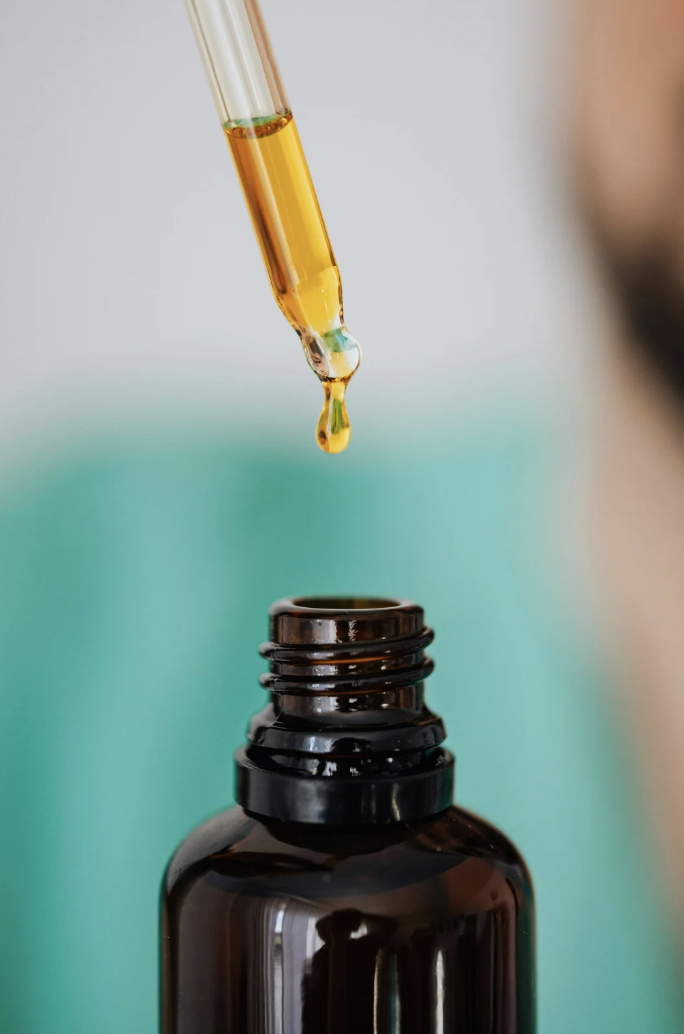
Always use gua sha on a well-lubricated face — never on dry skin. You need slip so the tool can glide without dragging or irritating. The best options are a facial oil or a rich serum. I like to use it after my serum but before my moisturizer, so the tool helps press the active ingredients into the skin.
Morning is actually my favorite time for gua sha because it’s incredible for depuffing — especially that morning face-swell from sleep. Evening works great too if you want to wind down and release tension from the day. Just avoid doing it right after any exfoliation, retinol, or acids, since your skin barrier will be more sensitive and you don’t want to add mechanical stimulation on top of that.
As for frequency: daily is totally fine if you’re being gentle. I aim for four to five times a week and notice a real difference when I’m consistent versus when I skip it for a few days.

BAIMEI Jade Roller & Gua Sha
$9.99
A classic jade set with over 54,000 reviews — hard to argue with that.

Rena Chris Gua Sha Facial Tools
$3.99
Shockingly affordable — ideal if you want to try gua sha before committing to a pricier tool.
Common Gua Sha Mistakes to Avoid
Beyond the angle and pressure issues, a few other mistakes will cost you results. First: using the tool on dry skin. I said it above but it bears repeating — always have a slippery surface to work with. Second: going in random directions. Pick a direction and be intentional — outward and downward, always. Third: pressing too hard when you’re trying to “fix” a problem area faster. More pressure doesn’t equal more results here. Fourth: skipping the neck prep. If you don’t open up the drainage pathways in the neck first, you’re just moving fluid around with nowhere to go.
One more: thinking you’ll see permanent results from one session. Gua sha works cumulatively. The de-puffing you see immediately is real, but the long-term benefits (improved circulation, more defined facial contour, healthier-looking skin) come from consistent practice over weeks and months. Think of it like exercise — one workout feels great, but a year of consistent training is what changes your body.
How to Choose the Right Gua Sha Tool
Not all gua sha tools are created equal — and the one you choose actually matters for your results and experience. Stainless steel is the most hygienic option; it stays the coolest against your skin and is easiest to clean thoroughly. It’s my top recommendation for beginners. Jade and rose quartz are the traditional choices — they feel luxurious, hold a slight natural coolness, and have centuries of use behind them. If you love the ritual element, these deliver it.
Shape is equally important. Most gua sha tools have multiple edges designed for different areas:
- The curved notch hugs the jawline perfectly for sculpting and de-puffing
- The flat edge works best on cheeks and forehead for broad strokes
- The pointed tip can work around the nose bridge and under-eye area
My honest beginner tip: start with a stainless steel tool or an affordable jade option under $20 before investing in a premium stone. The technique matters far more than the material. Once you’ve built the habit and know what movements work for your face, then upgrade if you want to.
The Best Oils to Use With Gua Sha
This is non-negotiable: you need slip. Doing gua sha on dry skin will cause micro-tears and irritation — always, always use a facial oil first. Here are the best options:
- Rosehip oil — lightweight, anti-aging, packed with vitamin A and essential fatty acids. Great for most skin types.
- Jojoba oil — the closest to skin’s natural sebum, so it absorbs beautifully without clogging pores. Works for oily and combination skin.
- Squalane — non-comedogenic, ultra-lightweight, and excellent for acne-prone skin. Doesn’t feel greasy at all.
- Vitamin C facial oils — the brightening bonus. You’re massaging actives deeper into the skin while you work.
What to avoid: thick creams don’t provide enough slip and the tool will drag. Pure essential oils without a carrier are too harsh and can cause irritation. Stick to facial oils — 3 to 4 drops is all you need to cover your whole face and neck.
How Often Should You Do Gua Sha?
The honest answer: 4 to 5 times per week is where you’ll see visible, cumulative results. Once a week is genuinely better than nothing, but the real transformation happens with consistency over 4 to 6 weeks. Think of it like going to the gym — one session doesn’t change your body; the habit does.
Timing also matters:
- Morning is best for de-puffing — you’ll see the most dramatic immediate difference after waking up when lymphatic fluid has pooled overnight.
- Evening is better for tension release and relaxation — working the jaw and neck before bed helps with grinding and stress-holding patterns.
A word of caution: more is not always more. Too much pressure or doing it every single day without rest can cause skin irritation, broken capillaries, or over-stimulation. Keep strokes light to medium — you should feel movement, not pain. If your skin is red for more than 30 minutes after, you’re pressing too hard.
My Morning Gua Sha Routine (Step by Step)
Here’s exactly what I do, start to finish — the whole thing takes about 7 minutes:
- Wake up and splash cold water on my face (activates lymphatics, reduces initial puffiness)
- Apply 3 to 4 drops of facial oil to my face and neck while skin is still slightly damp
- Neck first — always start here to open drainage pathways. 5 slow downward strokes on each side of the neck.
- Jawline — use the curved notch, chin to ear. 5 strokes each side, holding gentle upward pressure.
- Cheekbone to temple — flat edge, following the bone. 5 strokes each side.
- Under-eye area — switch to the small curved edge, very gentle outward strokes. Only 3 strokes here — this skin is delicate.
- Forehead — flat edge, upward strokes from brow to hairline. 5 strokes across.
- Finish with a quick jade roller pass to seal everything in.
That’s it. It sounds like a lot, but once you’ve done it a few times it becomes completely automatic.
Shop All Recommendations
Kitsch Stainless Steel Gua Sha
$12.73
A bestselling stainless steel option — great for beginners, easy to clean, and cool to the touch.
PLANTIFIQUE Rose Quartz Gua Sha
$12.00
Rose quartz stays naturally cool and is gentler on sensitive skin.
BAIMEI IcyMe Gua Sha Tool
$7.49
Best budget pick with thousands of 5-star reviews — a great entry point.
BAIMEI Gua Sha & Jade Roller Set
$7.99
Combo set — use the roller for product application, gua sha for sculpting.
BAIMEI Jade Roller & Gua Sha
$9.99
A classic jade set with over 54,000 reviews — hard to argue with that.
Rena Chris Gua Sha Facial Tools
$3.99
Shockingly affordable — ideal if you want to try gua sha before committing to a pricier tool.
Frequently Asked Questions
How often should I use gua sha?
Daily is fine if you’re being gentle, but four to five times a week is a great starting point. Consistency over time is what delivers visible results.
Should I use oil or serum with gua sha?
Either works — you just need enough slip so the tool glides without dragging. A few drops of facial oil or a generous layer of serum is ideal. Avoid water-based products alone, as they absorb too quickly.
Can gua sha really depuff my face?
Yes — and the effect is pretty immediate. By stimulating lymphatic drainage, gua sha helps move fluid that tends to accumulate overnight (especially around the eyes and jawline). Most people notice visible depuffing within one session.