

Hair loss and thinning affects 1 in 4 women at some point in their lives — and it often starts much earlier than most expect. Whether you’re noticing more hair in the shower drain, a wider part line, thinning around the temples, or just want thicker, longer hair than what you’re currently working with, the good news is that there are proven, science-backed ways to stimulate hair growth and regain what you’ve lost.
In this comprehensive guide, we’ll cover why women experience hair loss, the most effective treatments and supplements, lifestyle changes that make a real difference, and product recommendations to support your hair growth journey from root to tip.
Why Is My Hair Falling Out?
Before you can fix the problem, you need to understand what’s causing it. Hair loss in women is typically caused by one or more of the following factors:
- Hormonal changes — Pregnancy, postpartum, menopause, PCOS, and thyroid disorders all create hormonal shifts that directly affect hair follicle health
- Nutritional deficiencies — Low levels of iron, biotin, vitamin D, zinc, and protein deprive follicles of the building blocks they need to produce hair
- Chronic stress — Elevated cortisol pushes hair follicles into the shedding phase prematurely, causing telogen effluvium
- Over-styling and heat damage — Flat irons, curling wands, tight hairstyles, and chemical treatments weaken and break hair over time
- Genetics — Female pattern hair loss (androgenetic alopecia) is inherited and affects up to 40% of women by age 50
- Medical conditions — Autoimmune disorders, scalp conditions, and certain medications can trigger hair loss
The most common type of hair loss in women is female pattern hair loss, caused by DHT (dihydrotestosterone) hormone gradually shrinking follicles over time. Unlike men who typically see a receding hairline, women usually notice diffuse thinning along the part line, at the crown, and at the temples.
Is It Actually Possible To Regrow Hair?
The short answer: yes — especially with early intervention. The key is identifying the cause and taking action before the follicles become permanently damaged. Hair loss from stress, nutritional deficiencies, and hormonal fluctuations is often fully reversible. Even genetic female pattern hair loss can be significantly slowed and partially reversed with the right treatments.
Most hair growth treatments take 3-6 months to show visible results because of the natural hair growth cycle. Consistency is essential — give any treatment at least 3 months before evaluating its effectiveness.
Here are the most effective, evidence-based approaches for stimulating hair growth in women:
Proven Ways To Stimulate Hair Growth
1. Biotin and Hair Growth Supplements
Biotin (Vitamin B7) is one of the most well-known and well-researched hair growth nutrients. It directly supports keratin production — the structural protein that makes up your hair. Biotin deficiency, while uncommon, leads to hair thinning and brittleness. Even women with adequate biotin levels often see improvements in hair thickness, strength, and growth rate when supplementing.
For maximum results, look for a comprehensive hair growth formula that combines multiple growth-supporting nutrients rather than biotin alone. The most effective supplements typically include:
- Biotin (5,000-10,000 mcg) — supports keratin production
- Collagen peptides — provides amino acids that build hair protein and strengthen the dermis
- Vitamin D — stimulates hair follicle cycling and activates dormant follicles
- Zinc — supports tissue growth and keeps oil glands around follicles functioning
- Iron — essential for oxygen delivery to hair follicles (especially important for women with heavy periods)
- Omega-3 fatty acids — nourish follicles from within and reduce scalp inflammation
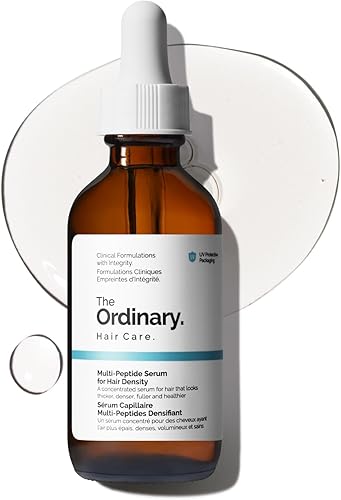
The Ordinary Multi-Peptide Serum for Hair Density, Peptide-Powered For
A biotin-infused scalp serum that strengthens roots and supports visibly thicker, fuller hair over time.
2. Daily Scalp Massage
Scalp massage is one of the simplest, most affordable, and surprisingly effective hair growth strategies. Regular scalp massage increases blood circulation to the follicles, delivering more oxygen and nutrients directly to the root where hair growth happens. A landmark 2016 study published in ePlasty found that participants who performed daily scalp massage for 24 weeks experienced significant increases in hair thickness.
Here’s how to do it effectively:
- Use your fingertips (not nails) to apply firm but gentle pressure in circular motions
- Cover your entire scalp — hairline, temples, crown, sides, and nape
- Spend at least 4-5 minutes per session, ideally daily
- For even better results, use a silicone scalp massager tool during shampooing
- You can add a few drops of rosemary essential oil (diluted with a carrier oil), which has been shown in studies to be as effective as minoxidil for hair growth
Looking for the best product for this? Check out Scalp Massager for Hair Growth — one of our top picks on Amazon.
3. Minoxidil (Rogaine for Women)

Minoxidil is the only FDA-approved topical treatment proven to regrow hair in women. It works by prolonging the anagen (growth) phase of the hair cycle and increasing blood flow to follicles. The standard dose for women is 2% or 5% minoxidil, applied directly to the scalp once or twice daily. Most women begin to see results after 3-4 months of consistent use.
Important things to know about minoxidil:
- It requires ongoing use — if you stop, the regrown hair will gradually shed
- You may experience initial increased shedding during the first 2-4 weeks — this is normal and means the treatment is working (pushing old hairs out to make room for new growth)
- It’s available over the counter at pharmacies and online, no prescription needed
- Apply to a dry scalp for best absorption
4. Eat a Hair-Growth-Friendly Diet
No supplement can replace a balanced, nutrient-rich diet — and what you eat has a direct impact on your hair’s growth rate, thickness, and overall health. Your hair is made almost entirely of protein (keratin), so adequate protein intake is non-negotiable. The best foods for hair growth include:
- Eggs — rich in protein, biotin, and zinc
- Salmon and fatty fish — excellent source of omega-3 fatty acids and vitamin D
- Spinach and leafy greens — packed with iron, folate, and vitamin C (which helps iron absorption)
- Sweet potatoes — loaded with beta-carotene, which your body converts to vitamin A for scalp health
- Nuts and seeds — provide vitamin E, zinc, and healthy fats
- Greek yogurt — protein-rich with vitamin B5, which supports blood flow to the scalp
- Berries — packed with vitamin C and antioxidants that protect follicles from damage
5. Reduce Heat Damage and Protect Your Hair
All the growth stimulation in the world won’t help if your hair is breaking off faster than it’s growing. Heat damage from flat irons, curling wands, and blow dryers weakens the hair shaft and causes breakage that mimics hair loss. To protect your hair:
- Limit heat styling to 2-3 times per week maximum
- Always use a heat protectant spray before any heat styling
- Keep styling tools on medium heat settings (under 350°F when possible)
- Air-dry whenever possible
- Sleep on a silk or satin pillowcase to reduce friction-based breakage
- Use a wide-tooth comb and detangle from the ends up
- Avoid tight hairstyles that pull on the hairline (traction alopecia)
6. Manage Stress Proactively
Chronic stress is one of the most significant but least addressed causes of hair loss in women. When your body is under constant stress, elevated cortisol levels disrupt the hair growth cycle, pushing more follicles into the shedding phase and shortening the active growth phase. Stress-related hair loss (telogen effluvium) typically shows up 2-3 months after a stressful period, which is why many women don’t make the connection.
Effective stress management strategies for hair health include:
- Regular exercise (even 30 minutes of walking daily)
- Meditation or deep breathing practices
- Getting 7-8 hours of quality sleep
- Journaling or talk therapy
- Setting boundaries and reducing overcommitment
- Adaptogenic supplements like ashwagandha, which has been shown to lower cortisol levels
You Might Also Like
You Might Also Like
Frequently Asked Questions
How long does it take to see hair regrowth?
Most women begin to notice visible improvements in hair thickness and growth within 3-6 months of consistent treatment. This timeline reflects the natural hair growth cycle — new hairs need time to enter the active growth phase and grow long enough to be visible. Supplements, minoxidil, and lifestyle changes all require patience and consistency to deliver results.
Can thinning hair grow back in women?
In many cases, yes. Hair loss caused by stress, nutritional deficiencies, hormonal changes (like postpartum), and lifestyle factors is often fully reversible once the underlying cause is addressed. Even female pattern hair loss can be significantly improved with treatments like minoxidil and proper supplementation, though ongoing treatment is usually needed to maintain results.
What’s the best vitamin for hair growth?
While biotin gets the most attention, the truth is that hair growth requires a combination of nutrients working together. Biotin, iron, vitamin D, zinc, and collagen are all critical. That’s why a comprehensive hair growth supplement is typically more effective than taking any single vitamin. If you can only pick one, start with biotin — but consider a multi-nutrient formula for the best results.
Does scalp massage really work for hair growth?
Research says yes. Multiple studies have demonstrated that regular scalp massage increases hair thickness and can activate dormant follicles by increasing blood flow. While scalp massage alone may not be sufficient for significant hair loss, it’s an excellent complementary therapy that enhances the effectiveness of supplements and topical treatments.
Our Top Product Picks for Stimulating Hair Growth
Biotin Hair Growth Vitamins — A comprehensive daily supplement with high-potency biotin plus essential supporting nutrients. An affordable foundation for any hair growth regimen.
Scalp Massager for Hair Growth — A simple but powerful tool that boosts circulation every time you shampoo. Use daily for cumulative benefits that compound over time.
→ Shop Scalp Massager on Amazon
Shop All Recommendations
Everything featured in this post — click to shop on Amazon:
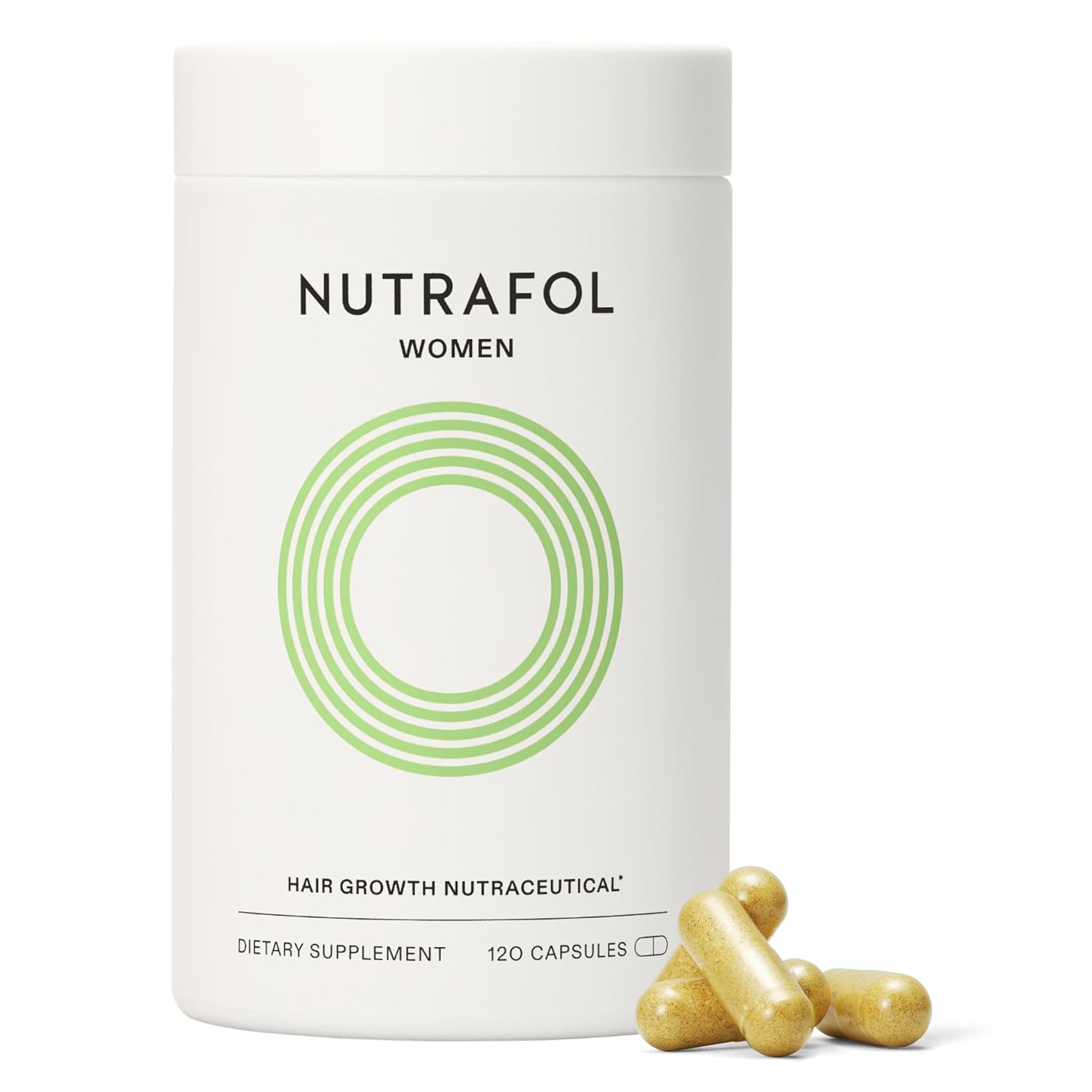
Nutrafol Women's Hair Growth Supplements, Ages 18-44, Clinically P
A top-rated product for smooth, bump-free skin.
![NutraChamps Biotin Gummies 10000mcg [High Potency] for Healthy Hair, S](https://themadisoneffect.com/wp-content/uploads/2026/03/product-B07QR1299Y.jpg "How To Stimulate Hair Growth For Women: A Complete Guide")
NutraChamps Biotin Gummies 10000mcg [High Potency] for Healthy Hair, S
A top-rated product for smooth, bump-free skin.
As an Amazon Associate I earn from qualifying purchases at no extra cost to you.
Final Thoughts
Stimulating hair growth as a woman requires a multi-faceted approach — there’s no single magic bullet, but the combination of proper nutrition, targeted supplements, scalp care, stress management, and protective hair practices can yield remarkable results. Whether your thinning is caused by hormones, stress, genetics, or lifestyle factors, taking action now gives you the best chance of regrowth and recovery. Start with the basics — a quality supplement, daily scalp massage, and a hair-friendly diet — and build from there. With patience and consistency, most women see significant improvements within 3-6 months. Your hair has more growth potential than you think.
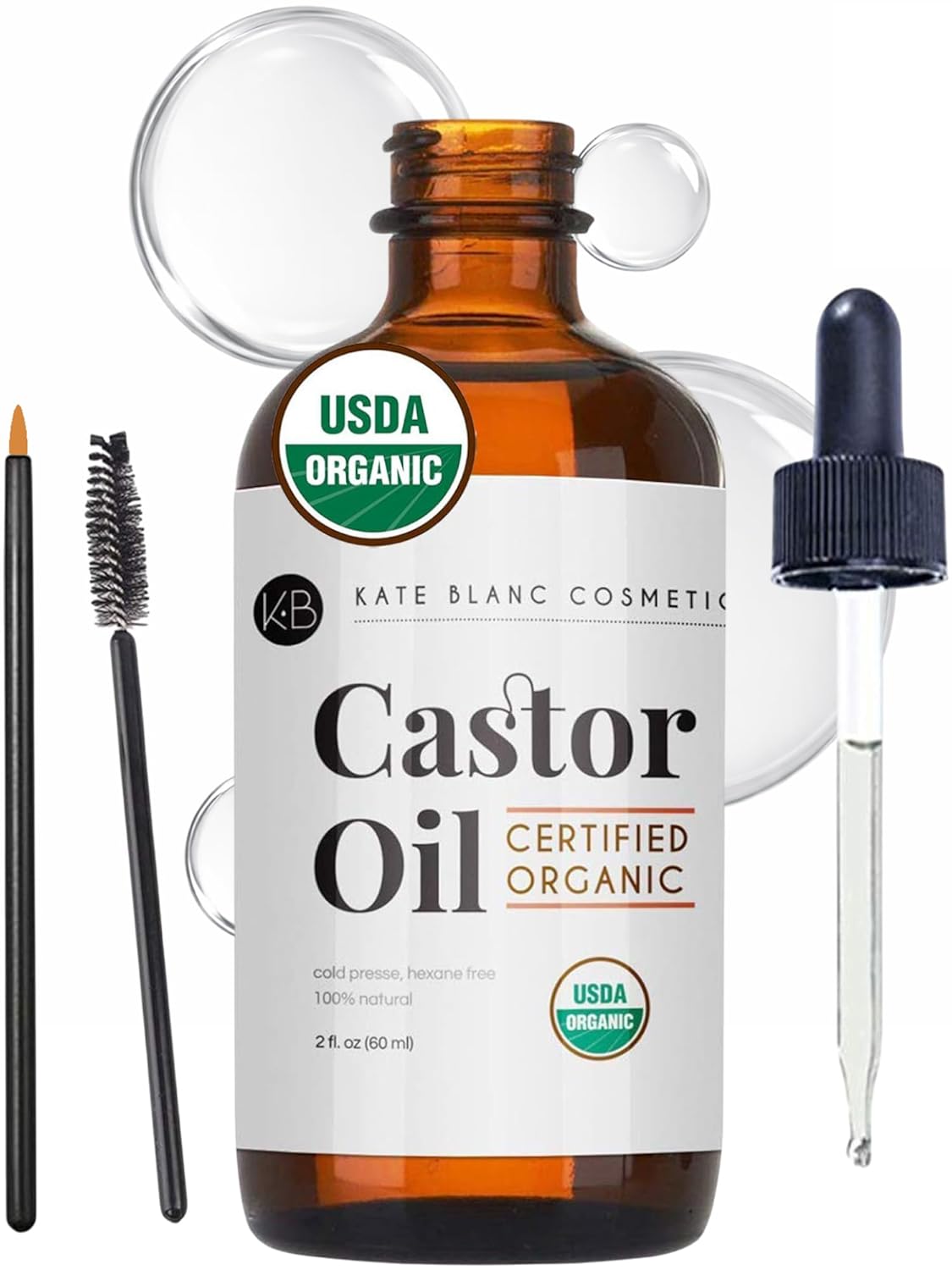
Kate Blanc Cosmetics Castor Oil Organic for Hair, Lashes, Face (2oz),
A top-rated product for smooth, bump-free skin.
Related reading: Understand what’s working against you by reading about the common causes of hair loss. And once you’ve got growth going, protect your strands with a keratin treatment.

Pingback: Hair Growth Rate For Women: How To Speed Up Your Growth - The Madison Effect
Pingback: Keratin Hair Treatment: Everything Women Need To Know - The Madison Effect