
I used to think meal prep was for people with a lot more time, willpower, and organizational skills than me. I imagined it required color-coded spreadsheets, matching glass containers lined up like soldiers, and about three uninterrupted hours every Sunday afternoon. It seemed like the kind of thing fitness influencers did on camera while wearing matching workout sets — not something a normal, busy person with a full week could actually pull off.
Then I hit a wall. My midweek dinners were chaos. I was ordering takeout more than I wanted to admit (to myself or anyone else), and lunch was either something sad cobbled together from whatever I could find, or I was spending money on food I didn’t really want. My eating habits were completely reactive rather than intentional.
So I tried meal prep — but I did it my way. No color-coded anything. No twelve identical tupperwares full of the same meal that I’d be sick of by Thursday. Just a realistic plan, a few quality containers, and two hours on Sunday afternoon. It changed how I eat during the week more than anything else I’ve tried, and it’s been genuinely sustainable for over a year now.
Why Meal Prep Actually Works (The Psychology of It)
The core insight is this: the decision is the hard part. When you’re hungry at 7 p.m. on a Tuesday and you’ve been in back-to-back meetings all day, you don’t have the mental energy to figure out what to make, check if you have all the ingredients, and then cook from scratch. That’s when the takeout app opens. That’s when cereal becomes dinner.
Meal prep shifts all that decision-making and cognitive load to Sunday, when you’re not hungry, not tired, and not depleted. You make one clear-headed decision about the week’s meals, execute it while listening to a podcast, and then coast through Monday through Friday on autopilot.
It also solves the “I don’t have anything to eat” problem — which is really a “I don’t have anything ready to eat” problem. You almost certainly have food in your house. What you don’t have is food that’s already cooked and waiting for you when you’re hungry right now. Meal prep fixes this.
There’s also the food waste angle, which I care about a lot. When produce has a clear plan, it gets used. When it doesn’t, it quietly wilts in the crisper drawer and I feel guilty throwing it away. Prepping vegetables and having a plan for using them means I waste almost nothing compared to before.
My 2-Hour Sunday System
I want to be specific here, because vague advice like “prep your meals on Sunday!” isn’t actually helpful. Here’s exactly how I structure my two hours:
Before I Start: 10-Minute Planning Session
This happens Saturday evening or early Sunday morning. I look at my week — what nights am I actually home? Do I have any plans that mean I’m eating out? Is there anything in my fridge that needs to be used up? Then I pick:
- One complete meal to make in full (a soup, curry, or sheet pan dinner)
- One protein to batch cook (chicken thighs, baked tofu, or a can of chickpeas seasoned and roasted)
- One grain (brown rice, quinoa, or farro)
- What vegetables to roast and what to leave raw
That’s it. Four decisions, made once. The rest of the week is just assembly.
Phase 1: The Wash and Chop (30 minutes)
I wash and chop all the vegetables I’ll need during the week. This sounds simple but it genuinely saves enormous time on weeknights. I prep:
- A big bowl of mixed greens stored with a paper towel to absorb moisture (for quick salads)
- Broccoli and cauliflower florets in separate containers
- Sliced peppers, cucumber chunks, and carrot sticks for snacking
- Diced onion stored in a sealed jar (keeps well for a week)
- Minced garlic in a small jar covered with olive oil
- Any other vegetables I’ll need for the week’s cooking
Phase 2: Grains and the Oven (45 minutes, mostly hands-off)
I start a pot of grains and simultaneously get vegetables into the oven. Most of this time is just waiting — the oven and the stovetop do the work while I do dishes, make a cup of tea, or prep the proteins.
- Brown rice or quinoa: 1-2 cups dry, cooked according to package instructions
- Roasted vegetables: whatever I chopped earlier, tossed with avocado oil, salt, and pepper at 400°F for 20-25 minutes
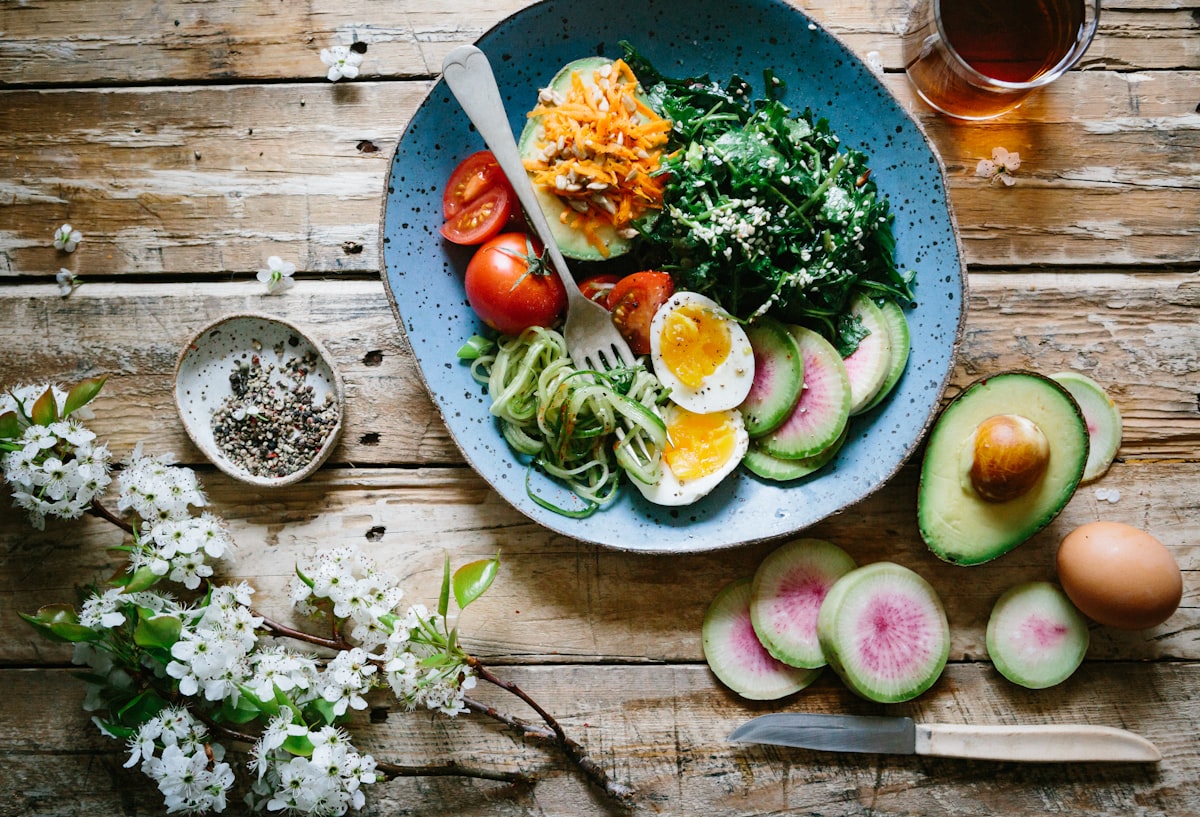
- Hard-boiled eggs: a batch of 6, perfect for quick breakfasts and salad protein
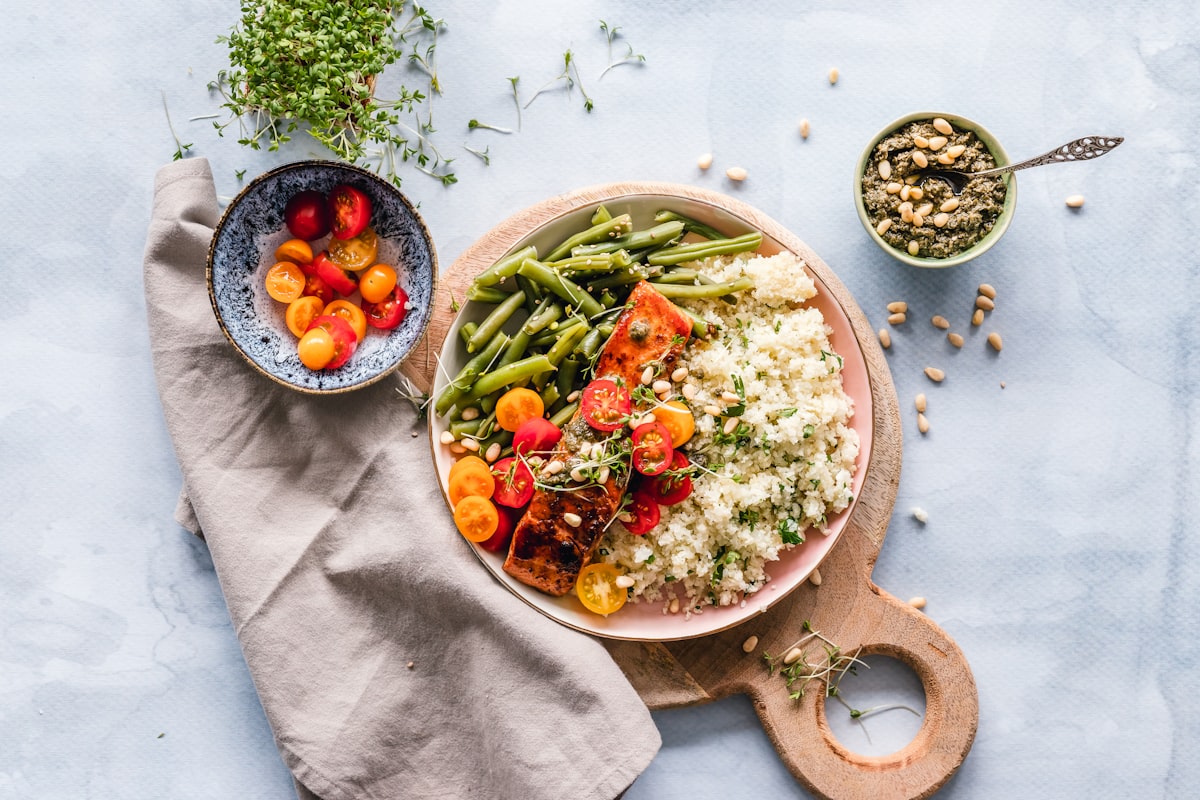
- Marinated and baked chicken thighs or salmon fillets
Phase 3: The One Complete Meal (30 minutes)
While the grain cooks and the oven does its thing, I make one full dish that I can grab during the week when I genuinely don’t want to think. Some of my most-made choices:
- Lentil soup or curry (so good cold the next day, arguably better on day 2)
- A big pot of turkey and vegetable soup using up whatever vegetables needed using
- Sheet pan salmon with vegetables (already in the oven anyway)
- A big grain bowl situation with tahini or miso dressing pre-made and stored separately
Phase 4: Store, Label, Refrigerate (15 minutes)
Everything gets sorted into appropriate containers, labeled with the date using masking tape and a marker, and stored thoughtfully. I keep things I’ll eat earliest at eye level in the fridge. This one habit means I never stand in front of an open fridge wondering what to eat — I open it and immediately see good options.
What I Always Have Ready in My Fridge
This is my personal staple list — the things that appear in my fridge every single week because they’re versatile, keep well, and I actually eat and enjoy:
- Roasted vegetables: Anything I have on hand goes in. Broccoli, sweet potato, zucchini, Brussels sprouts, cauliflower. These work alongside eggs for breakfast, as sides for dinner, folded into grain bowls for lunch, or tossed with pasta in a pinch.
- Cooked grain: Quinoa or brown rice, stored in a sealed container. Serves as a base for lunch bowls, a side for dinner, mixed into soup, or even as the base for a breakfast bowl with a fried egg on top.
- Marinated proteins: Chicken thighs baked with herbs and garlic, baked tofu with soy sauce and sesame, or a simple batch of seasoned chickpeas. Having cooked protein ready means I can put together a real meal in 5 minutes.
- A sauce or dressing: Every week I make one batch of something saucy. Green tahini sauce (tahini + lemon + garlic + water), miso ginger dressing, or a simple lemon herb vinaigrette. A good sauce makes a bowl of rice and vegetables feel like a real meal worth eating.
- Washed and dried greens: Stored in a large container with a paper towel. This means salad is actually a viable lunch option rather than something that requires washing, spinning, and chopping 15 vegetables when you’re already hungry.
Container Guide: What to Use and Why It Matters
Container choice genuinely affects meal prep success. I switched to primarily glass containers about two years ago and the difference is real and noticeable. Glass doesn’t absorb odors over time (plastic containers start to smell like whatever you last stored in them), it’s safe to reheat without any leaching concerns, it doesn’t stain after storing tomato sauce or anything turmeric-heavy, and it looks nice enough that I’m actually excited to open the fridge and see organized, clean glass containers rather than a pile of mismatched plastic.
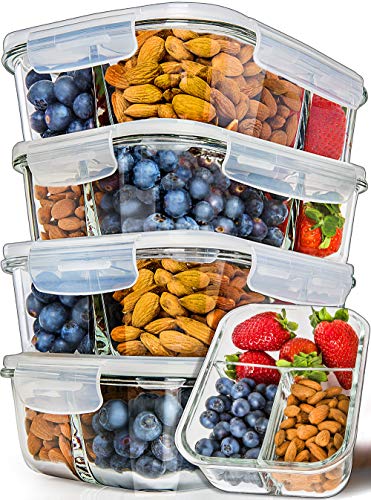
Prep Naturals Glass Meal Prep Containers (10-Pack)
My everyday workhorse containers. These glass containers with snap-lock lids are oven, microwave, and dishwasher safe. The airtight seal keeps things fresh for 4-5 days without any issues, and glass doesn’t absorb smells no matter how many times you store garlic-heavy dishes. A set of 10 gives you enough for a full week of lunches and dinners without constantly washing. Comes in several sizes — I use a mix of the 1-cup and 3-cup containers.
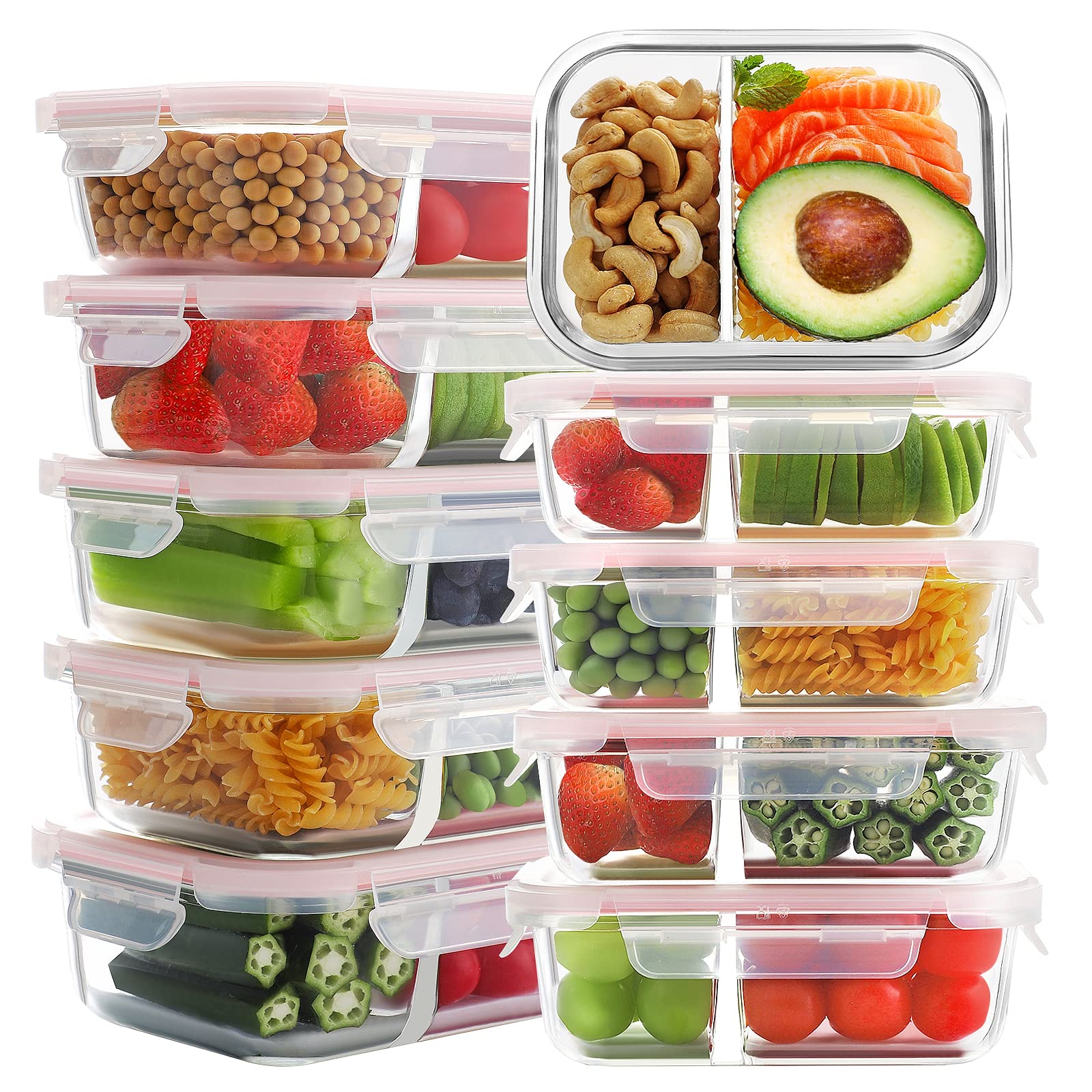
Bayco Glass Meal Prep Containers Set (10-Pack)
Another excellent glass option, and my preference for meals where I want to keep components separate until eating. The divider keeps rice from absorbing sauce before I’m ready, and the four-point locking lid means nothing leaks even when stacked or transported in a bag. Dishwasher, microwave, oven (no lid), and freezer safe. The thick borosilicate glass feels very durable and has held up well with daily use.
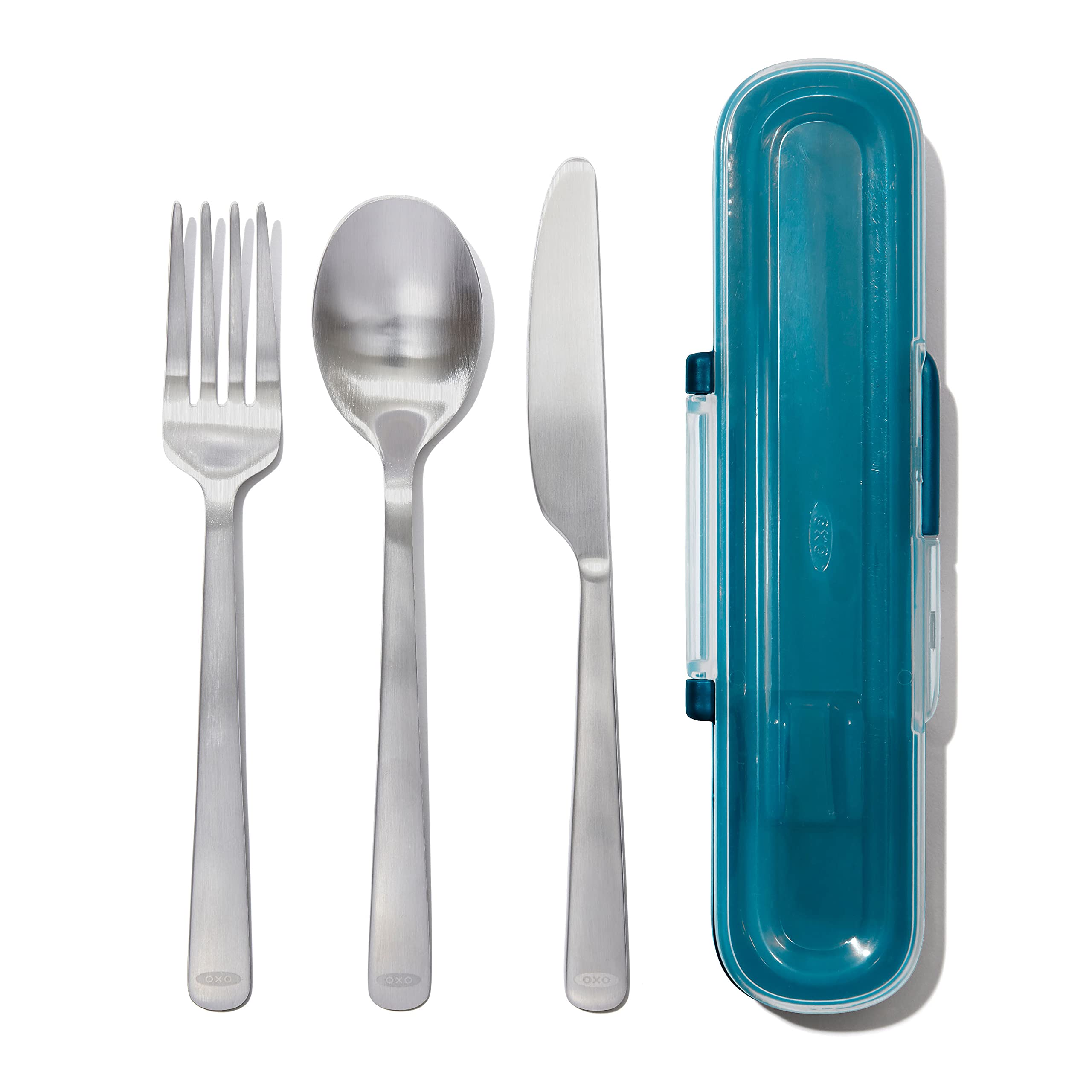
OXO Good Grips Prep and Go Container Set
OXO’s prep containers are ideal for storing prepped ingredients rather than full assembled meals — diced vegetables, sauces stored separately, snack portions, nut butter, sliced fruit. The clear lids let you see exactly what’s inside at a glance without opening every container, and the soft grip sides make them easy to grab. These stack beautifully in the fridge and I use them specifically for the chopped raw vegetables and dressings I prep each week.
Frequently Asked Questions About Meal Prep
How far in advance can I meal prep?
Most cooked proteins and grains stay fresh for 4-5 days in the refrigerator. Cooked vegetables last 3-5 days. Raw prepped vegetables (chopped and stored dry with a paper towel) can last up to a week for most types. I typically prep Sunday afternoon for Monday through Thursday, and keep Friday flexible for eating out or using up whatever remains.
What should I prep first if I’m a beginner?
Start with just two things: a cooked grain and some roasted vegetables. That combination alone gives you material for grain bowls, side dishes, quick stir-fries, and even breakfast bowls throughout the week. Once that habit feels easy and natural, add a batch protein. Build the routine incrementally rather than trying to execute a full meal prep system on day one.
Can I meal prep breakfast too?
Absolutely, and this is one of the highest-impact things you can prep because mornings are often the most rushed part of the day. Overnight oats stored in individual mason jars, hard-boiled eggs, chia pudding, homemade granola, and healthy muffins all prep beautifully for 3-5 days. I always have overnight oats prepped Sunday through Tuesday at minimum — it removes at least one morning decision entirely.
Should I use plastic or glass containers?
Glass for anything you’ll reheat in the microwave — no leaching concerns, doesn’t stain, doesn’t absorb flavors. Plastic is fine for cold storage of raw vegetables, snacks, and items you won’t microwave. If you do use plastic for reheating, make sure it’s BPA-free and specifically labeled microwave-safe. My honest recommendation: invest in a basic glass container set and use it for cooked food, supplement with plastic for raw ingredients.
What if I get bored eating the same things?
The solution is to prep components rather than complete identical meals. When you have cooked quinoa, roasted broccoli, and baked chicken in the fridge, you can make a quinoa bowl, a chicken salad wrap, a grain-and-vegetable stir-fry, or a quick protein plate — all from the same prepped ingredients. The variety comes from how you assemble and sauce the components, not from cooking five completely different meals.
Is meal prep worth it if I have a small fridge?
Yes, and I say this from experience after two years of meal prepping in a small NYC apartment. The key is prepping components that store compactly rather than bulky fully assembled meals. Cooked grains, roasted vegetables, and proteins nest and stack much more efficiently in glass containers than in large bulky dishes. You’ll fit more than you think.
The version of meal prep that works for you might look completely different from mine — fewer items, different food, a different day of the week, different containers. That’s completely fine. The goal is just to have some ready food waiting for you when you’re tired and hungry on a Wednesday night, so you make the choice you actually want to make instead of the easiest one available. Start small, be consistent, and adjust as you figure out what your week actually needs.
Free Download
Get My Daily Supplement Stack Guide
Everything I take, why I take it, and what I noticed — morning, midday, and evening. Free when you join the list.
No spam, ever. Unsubscribe anytime.