
Gut health has become one of the most researched areas in women’s health — and for good reason. Your gut isn’t just digesting food. It’s producing 90% of your serotonin, regulating your immune system, metabolizing your hormones, and communicating directly with your brain via the vagus nerve.
When your gut is off, everything is off. But knowing where to start can feel overwhelming. This is the practical guide.
The Gut-Hormone-Brain Connection for Women
The gut microbiome plays a unique role in women’s health that goes far beyond digestion:
- Estrogen metabolism: The “estrobolome” — a collection of gut bacteria — directly regulates how estrogen is processed and recycled. Poor gut health leads to estrogen dominance or deficiency, driving PMS, irregular cycles, and perimenopause symptoms.
- Serotonin production: 90% of your body’s serotonin is produced in the gut. Disrupted microbiome = disrupted mood, anxiety, and sleep.
- Cortisol regulation: The gut-brain axis runs both ways — chronic stress disrupts the microbiome, and a disrupted microbiome increases stress reactivity. Breaking this cycle often requires addressing both simultaneously.
- Thyroid function: Gut bacteria help convert inactive T4 thyroid hormone to active T3. Poor gut health can contribute to hypothyroid symptoms even when TSH looks normal.
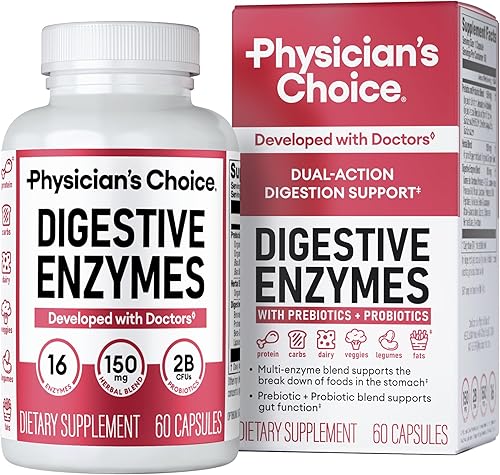
Physician’s CHOICE Digestive Enzymes for Bloating & Digestion – 16
A comprehensive enzyme blend that breaks down proteins, fats, carbs, and dairy — reduces bloating and heaviness after meals significantly.
Signs Your Gut Needs Support
These symptoms often point to gut dysbiosis (imbalanced microbiome) or compromised gut lining:
- Bloating after meals — especially after specific foods like gluten, dairy, or legumes
- Irregular bowel movements (constipation, loose stools, or alternating both)
- Skin issues — acne, eczema, rosacea that don’t respond to topical treatment
- Brain fog, difficulty concentrating, mood instability
- Food sensitivities that seem to multiply over time
- Frequent colds or slow recovery from illness
- Hormonal symptoms that haven’t responded to conventional approaches
Where to Actually Start
Step 1: Remove the obvious irritants. Before adding supplements, removing what’s disrupting the gut makes a bigger difference. Common culprits: excess alcohol, processed seed oils, artificial sweeteners (especially sucralose and saccharin), NSAIDs taken regularly, and for some women, gluten and dairy.
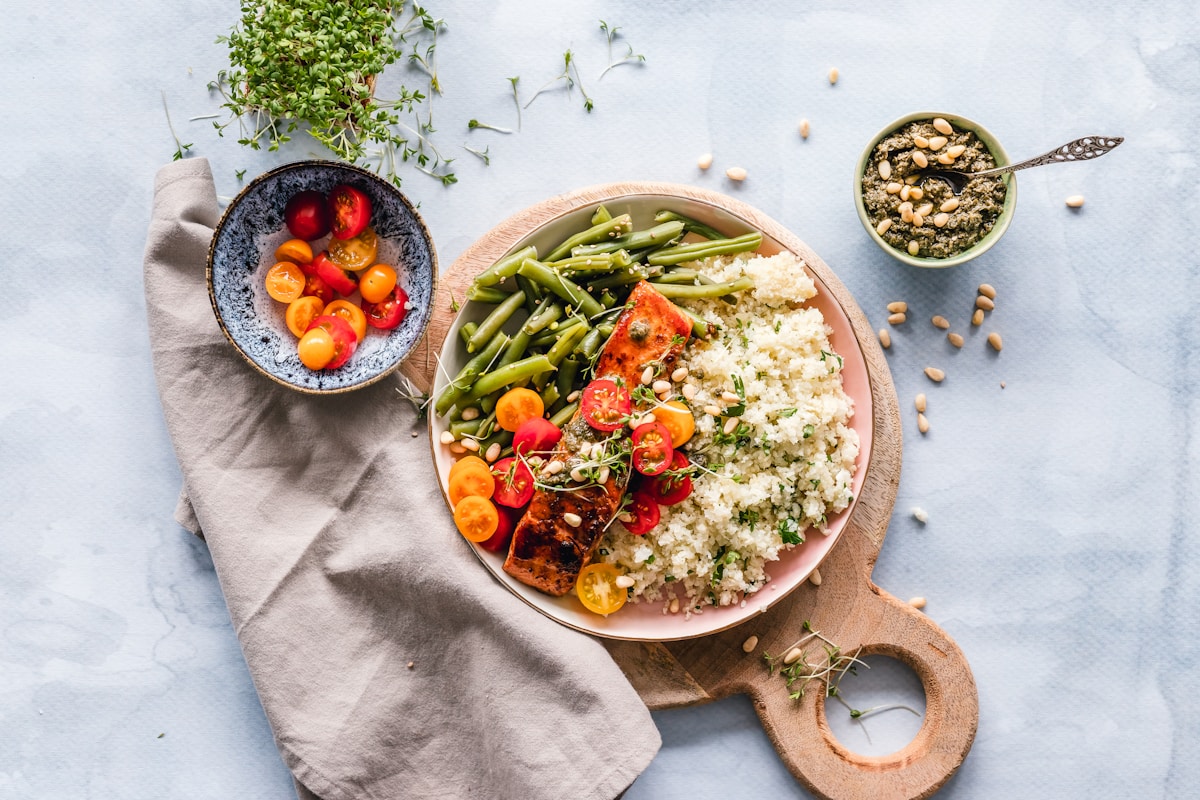
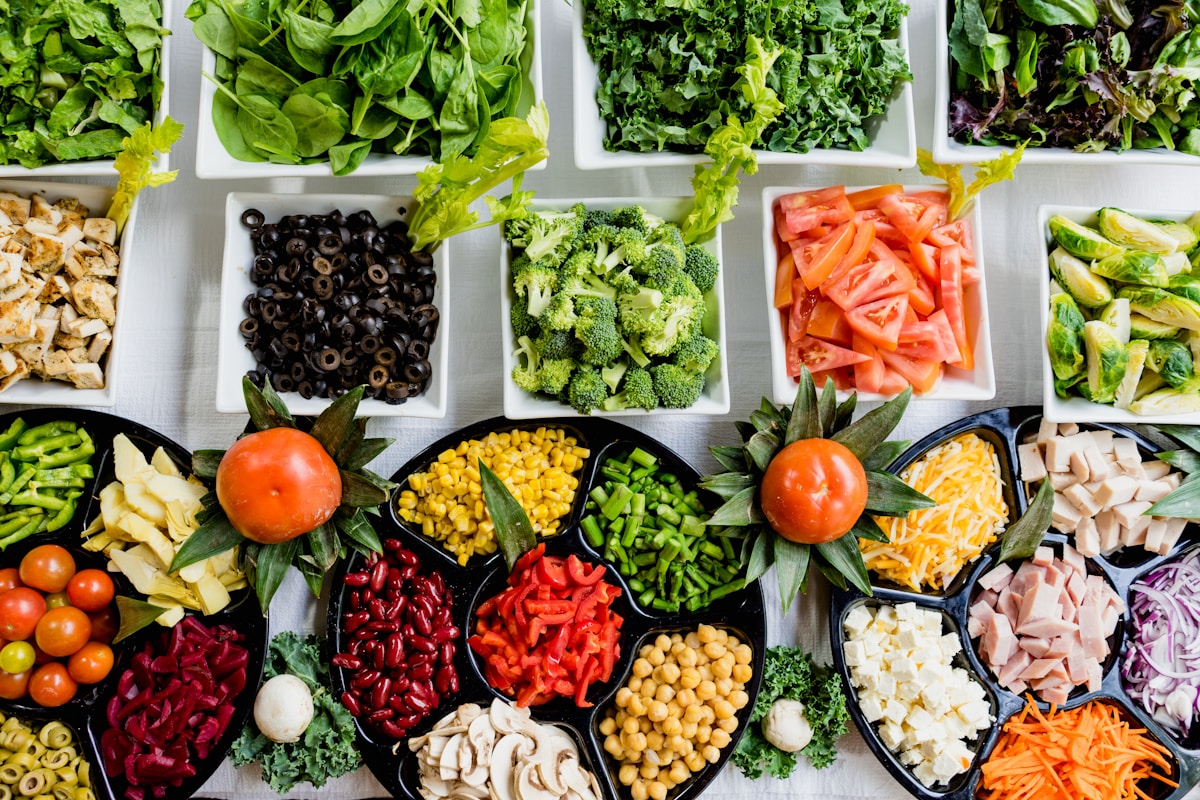
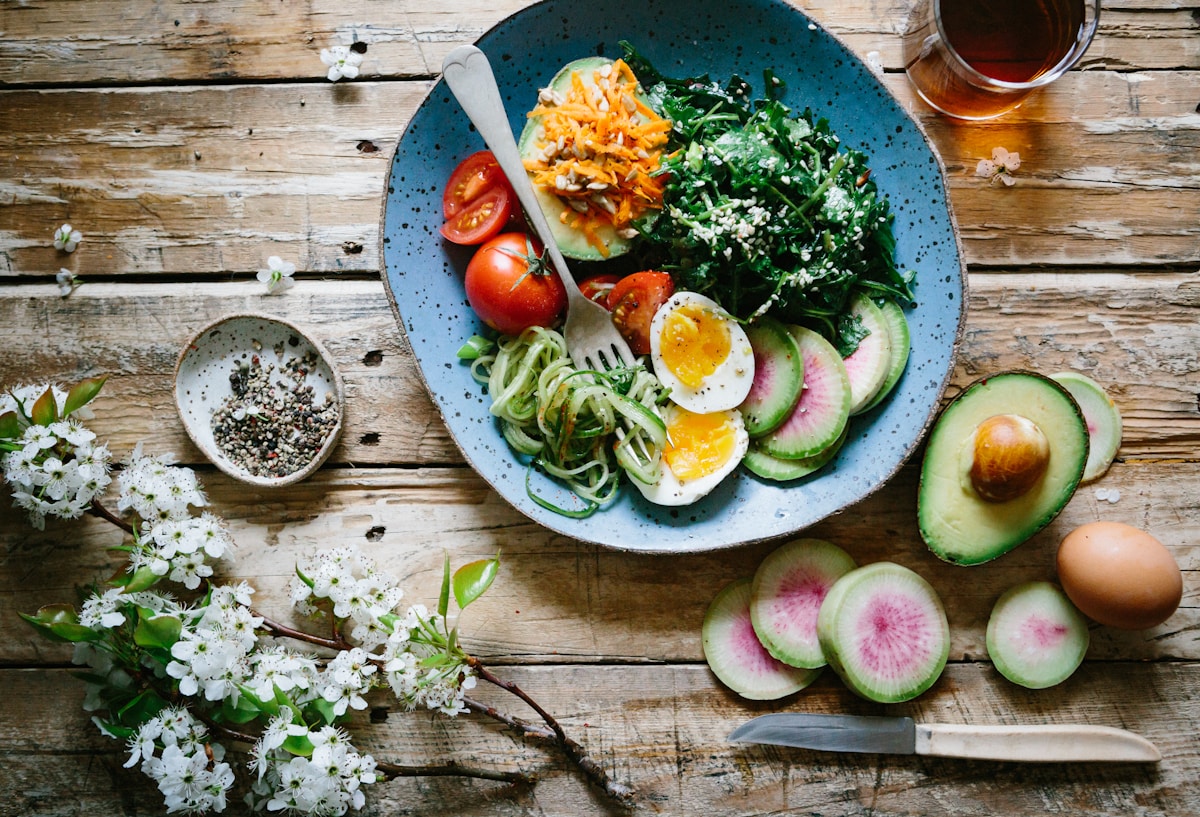
Step 2: Feed the microbiome. Diversity is the goal. Aim for 30+ different plant foods per week — not 30 servings, 30 different types. Each type of plant feeds different bacterial strains. Fermented foods (yogurt, kefir, kimchi, sauerkraut) add live bacteria directly.
Step 3: Support the gut lining. The gut lining renews every 3-5 days — it needs the right raw materials. L-glutamine is the primary fuel for intestinal cells. Collagen/bone broth provides glycine and proline for lining integrity. Zinc is essential for tight junction function.
Step 4: Add targeted supplements. Once the basics are covered, these are the most evidence-backed options:
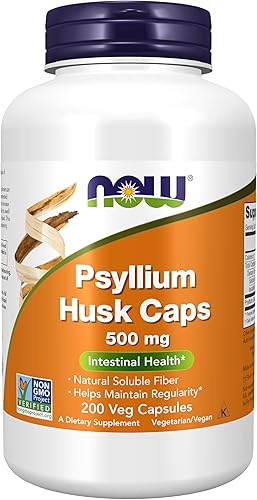
NOW Foods Supplements, Psyllium Husk Caps 500 mg, Non-GMO Project Veri
One of the most studied fibers for gut health — feeds beneficial bacteria, improves regularity, and helps stabilize blood sugar simultaneously.
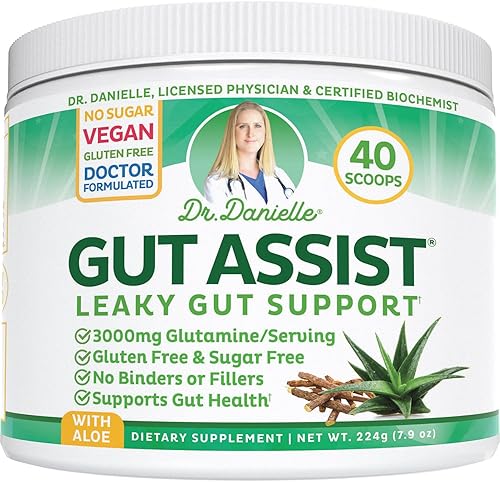
Leaky Gut Support Powder | L-Glutamine Gut Lining Digestive Drink Mix
The amino acid most important for gut lining integrity — essential for anyone dealing with leaky gut, IBS, or post-antibiotic gut repair.
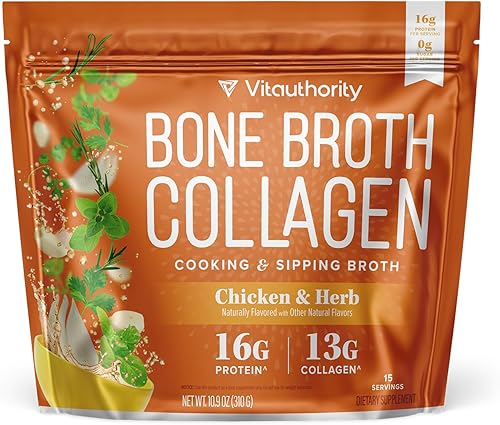
Vitauthority Bone Broth Collagen Delicious Chicken Noodle Flavored – P
Collagen-rich bone broth protein supports the gut lining from a food-based angle — easy to add to smoothies, soups, or morning coffee.
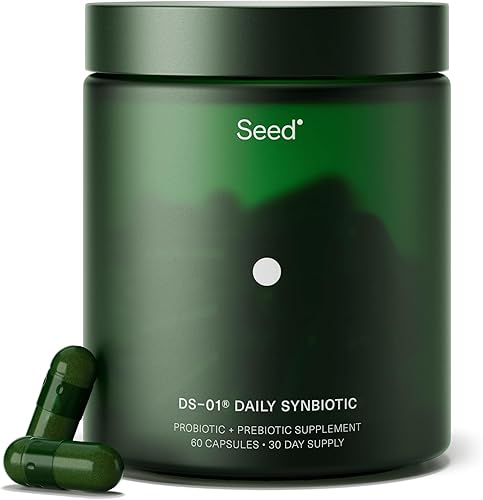
Seed DS-01 Daily Synbiotic – Prebiotic and Probiotic for Women & M
A combined probiotic + prebiotic formula that feeds and seeds the microbiome simultaneously — more effective than probiotics alone.
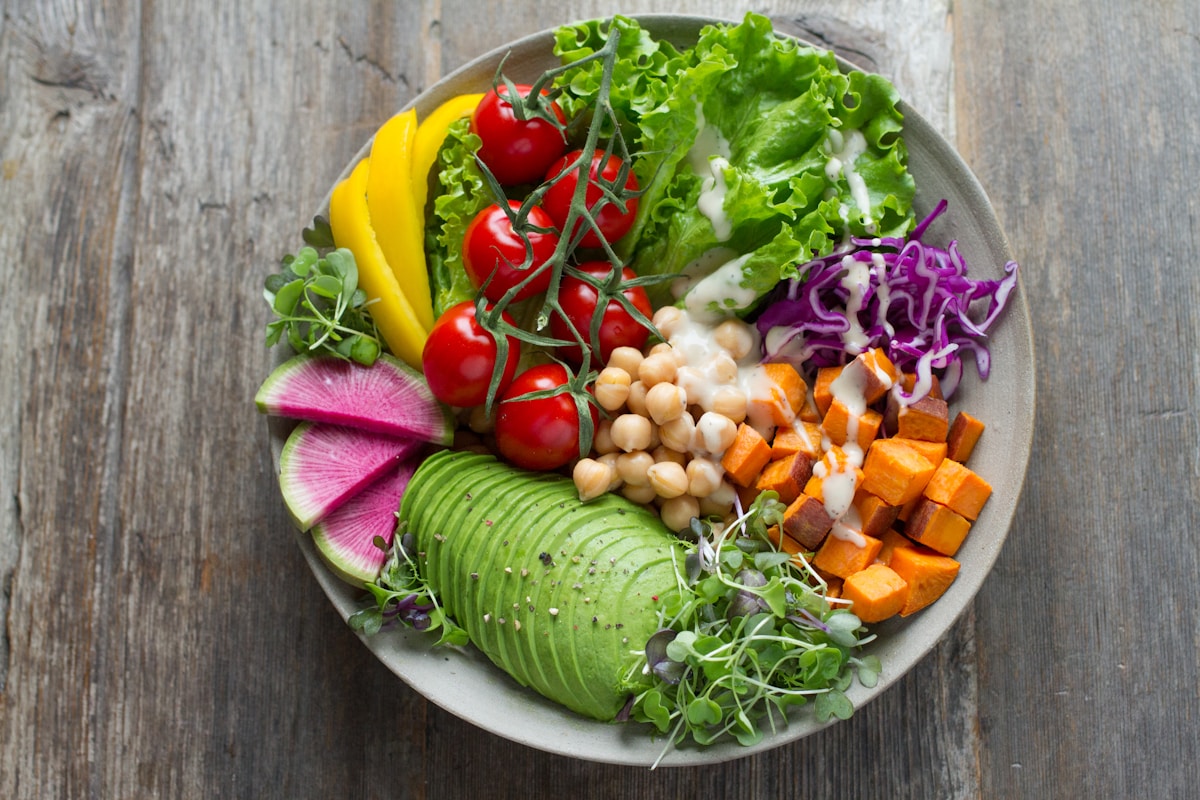
Foods That Support Gut Health
Add more of: Fermented foods, prebiotic-rich vegetables (garlic, onion, leeks, asparagus, Jerusalem artichokes), high-fiber legumes, leafy greens, colorful vegetables, wild-caught fatty fish.
Reduce: Ultra-processed foods, artificial sweeteners, excess alcohol, fried foods in seed oils, refined grains eaten in isolation.
The biggest impact comes from increasing variety rather than eliminating things. Focus on adding first.
Frequently Asked Questions
How do I know if I have poor gut health?
Common signs include bloating, irregular digestion, skin issues, brain fog, food sensitivities, and mood instability. These symptoms often improve significantly when gut health is addressed through diet and targeted supplementation.
What supplements actually help gut health?
The most evidence-backed options for women are probiotics (especially multi-strain with Lactobacillus), L-glutamine for gut lining repair, digestive enzymes for bloating, and psyllium husk for microbiome-feeding fiber.
How long does it take to improve gut health?
Initial digestive improvements (less bloating, better regularity) often happen within 1–2 weeks of dietary changes. Deeper microbiome shifts take 4–8 weeks of consistent effort. Gut lining repair can take 3–6 months depending on severity.
You Might Also Like
Shop All Recommendations
Physician’s CHOICE Digestive Enzymes for Bloating & Digestion – 16
A comprehensive enzyme blend that breaks down proteins, fats, carbs, and dairy — reduces bloating and heaviness after meals significantly.
NOW Foods Supplements, Psyllium Husk Caps 500 mg, Non-GMO Project Veri
One of the most studied fibers for gut health — feeds beneficial bacteria, improves regularity, and helps stabilize blood sugar simultaneously.
Leaky Gut Support Powder | L-Glutamine Gut Lining Digestive Drink Mix
The amino acid most important for gut lining integrity — essential for anyone dealing with leaky gut, IBS, or post-antibiotic gut repair.
Vitauthority Bone Broth Collagen Delicious Chicken Noodle Flavored – P
Collagen-rich bone broth protein supports the gut lining from a food-based angle — easy to add to smoothies, soups, or morning coffee.
Seed DS-01 Daily Synbiotic – Prebiotic and Probiotic for Women & M
A combined probiotic + prebiotic formula that feeds and seeds the microbiome simultaneously — more effective than probiotics alone.
As an Amazon Associate I earn from qualifying purchases at no extra cost to you.