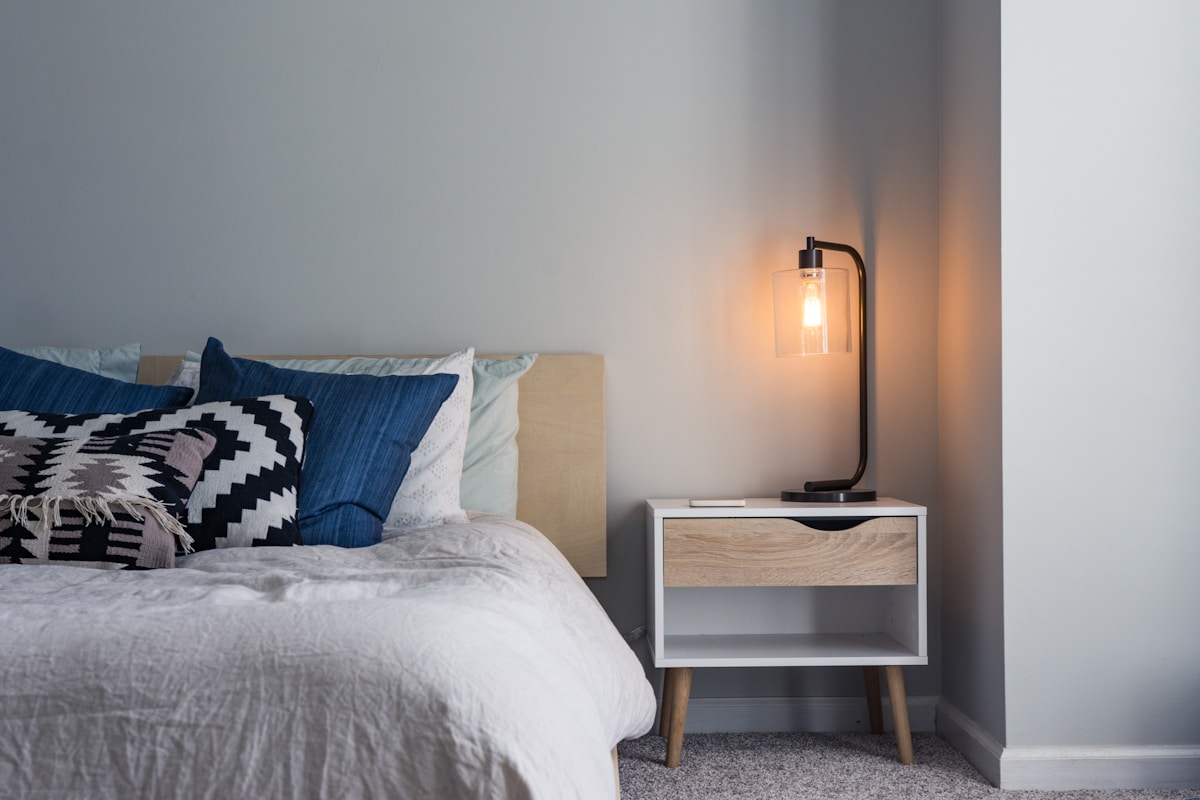


Last January, I spent a Saturday completely redesigning my bedroom — and I did it on a budget that would make most interior designers raise an eyebrow. Under $200, total. I moved things around, swapped out a few textiles, added some layers, and by Sunday morning I was waking up in what felt like a completely different room. One that actually felt calm, cozy, and like a real sanctuary. The kind of bedroom you see on Pinterest and think, “that could never be my place.”
Spoiler: it can absolutely be your place. The secret is knowing which updates actually make a visual and functional difference, and which ones are just Instagram-worthy but don’t change how the room actually feels to live in. After months of testing, swapping, and living in my revamped space, I’ve narrowed it down to ten updates that genuinely work — and I’m walking you through all of them today.
Why Your Bedroom Environment Actually Matters
Before I get into the practical tips, let me say this: I used to think “bedroom decor” was a frivolous thing to care about. It’s where you sleep, right? Who cares what it looks like? Then I read about the research on how your sleep environment affects your sleep quality, and I completely changed my tune.
Your bedroom isn’t just a room — it’s a psychological signal to your nervous system. When your space feels cluttered, harsh, or just kind of blah, your brain doesn’t fully relax there. When your space feels calm, layered, and intentional, your nervous system actually downshifts faster. You fall asleep more easily. You wake up feeling more rested. The environment you sleep in is directly connected to the quality of sleep you’re getting, and sleep affects literally everything else about your health and mood.
That realization is what made me actually prioritize the bedroom project. It wasn’t about aesthetics — it was about sleep quality, and sleep quality was affecting my energy, my skin, my mood, and my ability to function like a normal human being. Once I framed it that way, the $200 investment felt like the most practical decision I’d ever made.
Update #1: Layer Your Bedding
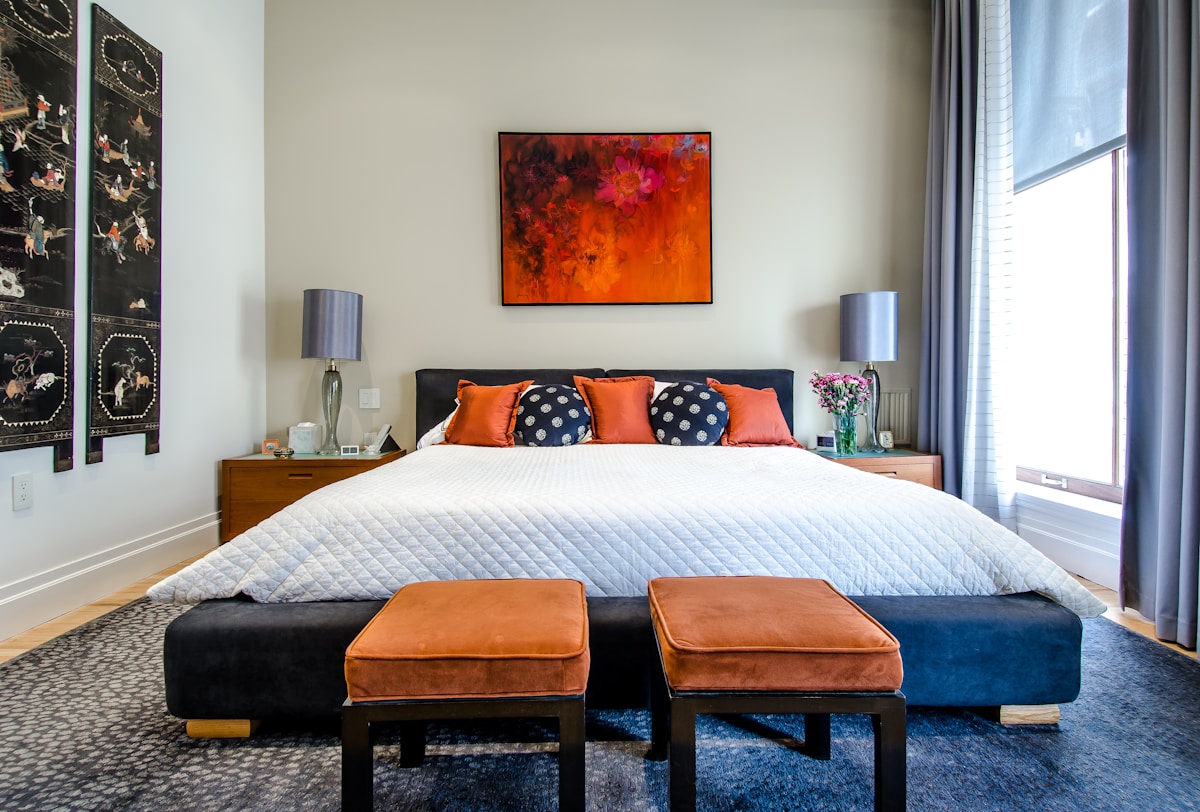
This is the single biggest visual impact for the least money. The difference between a flat, hotel-blah bed and a cozy, inviting bed is almost entirely about layering. You want to stack different textures, weights, and dimensions to create that plush, “sink into me” look.
Here’s my exact formula: Start with a fitted sheet and flat sheet in a neutral (white, ivory, light gray). Add a duvet or comforter in a coordinating neutral or subtle pattern. Then layer a folded blanket or throw across the foot of the bed. Finally, stack your pillows — two euro shams at the back, two standard sleeping pillows, and two or three decorative throw pillows at the front.
The throw pillows are where you can add personality, color, and texture without committing to anything permanent. Faux fur, boucle, velvet, linen — mixing textures is the key. I changed out my pillow covers for the first time ever last winter and it genuinely felt like a completely new bed.
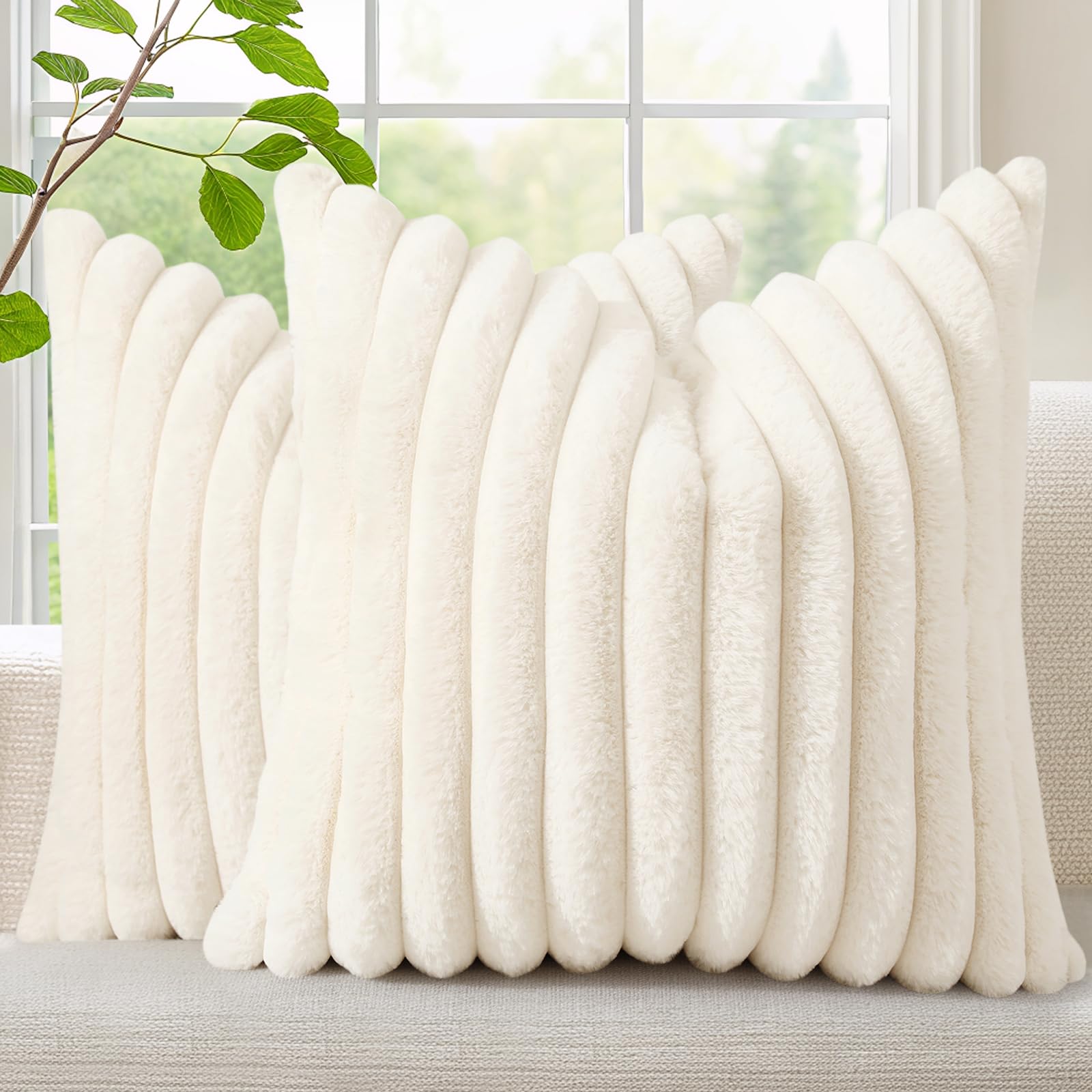
decorUhome Cozy Faux Fur Throw Pillow Covers 18×18 Set of 2
These gorgeous faux fur pillow covers add instant texture and warmth to any bed or sofa. The striped modern design looks expensive but costs very little — one of my favorite budget-friendly bedroom updates.
Update #2: Add a Throw Blanket
If you do nothing else from this list, buy a throw blanket. A cozy, textured throw draped casually across the end of your bed or folded in a basket by your nightstand does two things: it makes the space look styled (even if nothing else is), and it gives you that extra layer of warmth when you’re reading in bed or watching TV without having to pull the whole duvet back.
I like a chunky knit or a faux fur style for winter vibes, and a lighter waffle-weave or linen throw for warmer months. Either way, it’s one of the most impactful $30–$50 purchases you can make for your bedroom.
Update #3: Upgrade Your Pillow
I cannot stress this enough: a bad pillow is sabotaging your sleep. I spent years sleeping on flat, unsupportive pillows and wondering why I woke up with a stiff neck. When I finally invested in a real, quality pillow that was actually the right height and firmness for my sleep position, it was genuinely life-changing.
If you’re a side sleeper (like me), you need a higher loft pillow that keeps your neck aligned with your spine. If you sleep on your back, a medium loft works. Stomach sleepers need a flatter pillow. An adjustable pillow — one where you can add or remove fill — is perfect if you haven’t figured out your ideal loft yet.
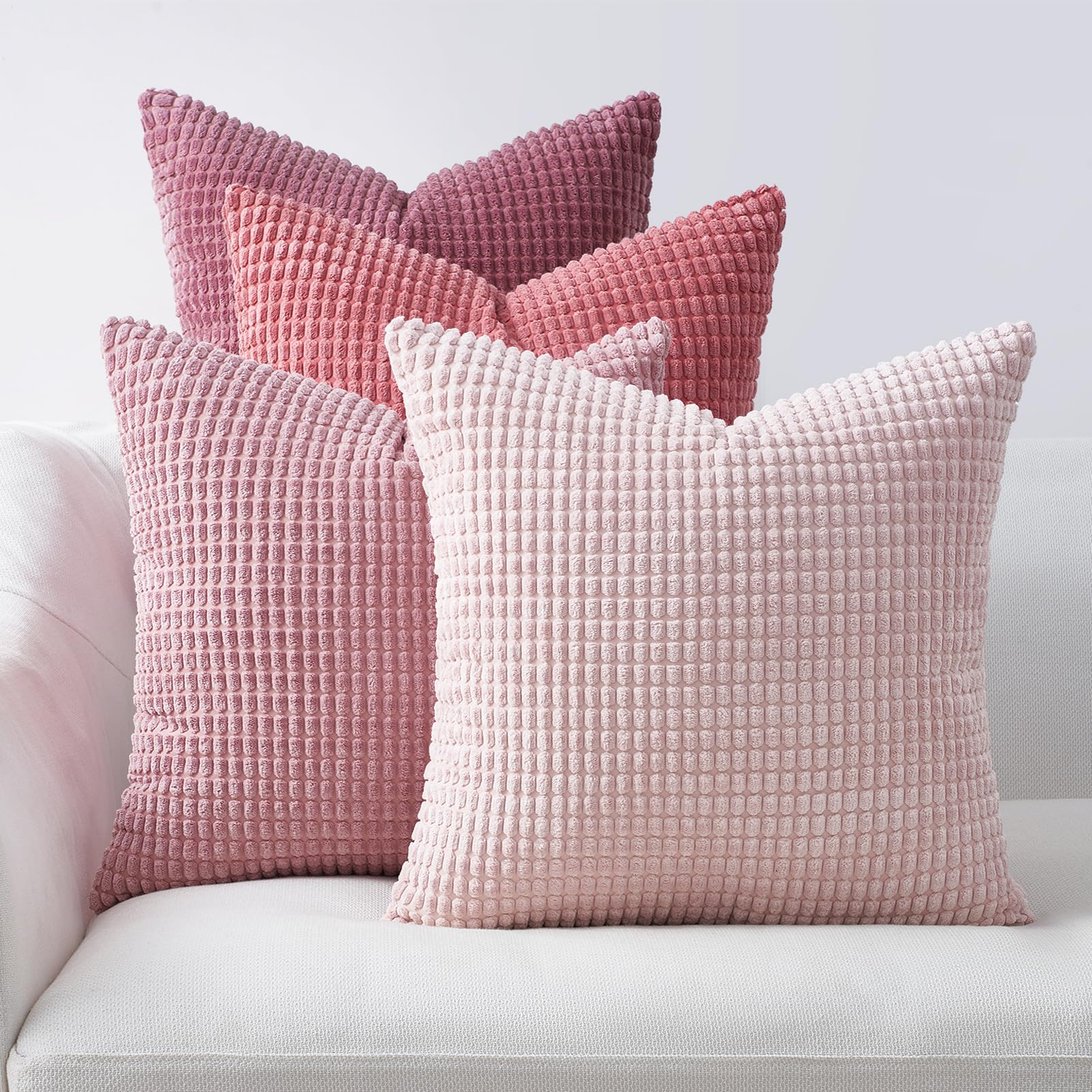
Topfinel Aesthetic Throw Pillow Covers for Bedroom
Dreamy coquette-inspired pillow covers that instantly elevate the look of your bed. Available in soft, feminine colorways that layer beautifully together for that curated, boutique-hotel aesthetic.
Update #4: Swap Your Lighting
Overhead lighting is the enemy of a cozy bedroom. That harsh, flat light from a ceiling fixture is great for, say, an operating room. It is not great for winding down before sleep. If you can only make one change to how your room feels at night, swap out or supplement your overhead light with warm, lower-wattage alternatives.
My go-to: plug-in sconces on either side of the bed (no electrician needed — just plug them in and mount them), or a pair of table lamps with warm-toned bulbs (look for bulbs labeled 2700K–3000K). Add a dimmable smart bulb to your existing lamps and you can dial down the light to sleepy levels without buying anything new.
- Warm bulbs only — 2700K to 3000K, nothing “daylight” or “cool white”
- Dimmers are magic — a $15 smart bulb that works with an app has transformed my evenings
- Candles count — a few pillar or jar candles add warmth and ambiance at a fraction of the cost
Update #5: Bring in Soft Textures
One of the reasons hotel rooms feel so luxurious isn’t necessarily because they’re expensive — it’s because they layer multiple soft textures. When you touch your bed and feel only one flat surface, it registers as austere. When you touch your bed and encounter velvet, faux fur, smooth cotton, and chunky knit, your nervous system goes “oh, this is nice.”
Add texture through: throw pillows in different materials, a textured throw blanket, a plush rug beside your bed, and even a velvet or linen headboard if your budget allows. You don’t need to add everything — even two or three textures layered together make an enormous difference.

Update #6: Declutter Your Surfaces
This one is free, and it might be the most impactful thing on the whole list. Clutter in your bedroom does not just look messy — it actively creates visual noise that keeps your brain from fully relaxing. Every object your eye lands on is something your brain registers and processes, even below the level of conscious awareness.
My rule for nightstands: maximum five things, and at least half of them should be decorative (a candle, a small plant, a pretty book). For your dresser: keep only what you actually use daily. Everything else goes in a drawer or a pretty box. I did a 20-minute nightstand and dresser declutter, and my room immediately felt 40% calmer.
Update #7: Add a Plant or Two
Real plants bring something to a room that no fake plant can replicate — actual life. There’s research to support the idea that plants improve mood and reduce stress, and in a bedroom, they also add a organic, natural softness that feels inherently calming. Low-maintenance options that thrive in bedroom light levels include pothos, snake plants, ZZ plants, and peace lilies (which also purify the air).
Update #8: Try White or Cream Bedding
I was resistant to white bedding for years because I was convinced I’d destroy it immediately. But white or cream bedding does something no colorful bedding can: it makes your bed look like a cloud. It photographs beautifully, it coordinates with everything, and honestly? It washes up just fine with a little OxiClean. I’ve been washing mine weekly for two years with no issues.
Update #9: Create a Scent
Scent is one of the most powerful sensory cues your brain uses to associate spaces with feelings. If your bedroom smells like a specific, calming scent — lavender, eucalyptus, vanilla — your brain starts to link that scent with sleep and relaxation. Over time, just walking into your bedroom and smelling that scent starts to trigger the wind-down response.
My favorite options: a linen spray you spritz on your pillows before bed, a reed diffuser on your nightstand, or a candle you light for the last hour before sleep. I’ve been using a lavender and chamomile pillow spray for months and I genuinely feel sleepier the moment my head hits the pillow.
Update #10: Invest in Your Sleep Pillow
I know I talked about pillows earlier, but I want to come back to this because it really is the foundation of everything. Decorative pillows make your bed look beautiful, but your actual sleeping pillow is what determines how you feel when you wake up. It’s worth spending real money on this one thing if nothing else.
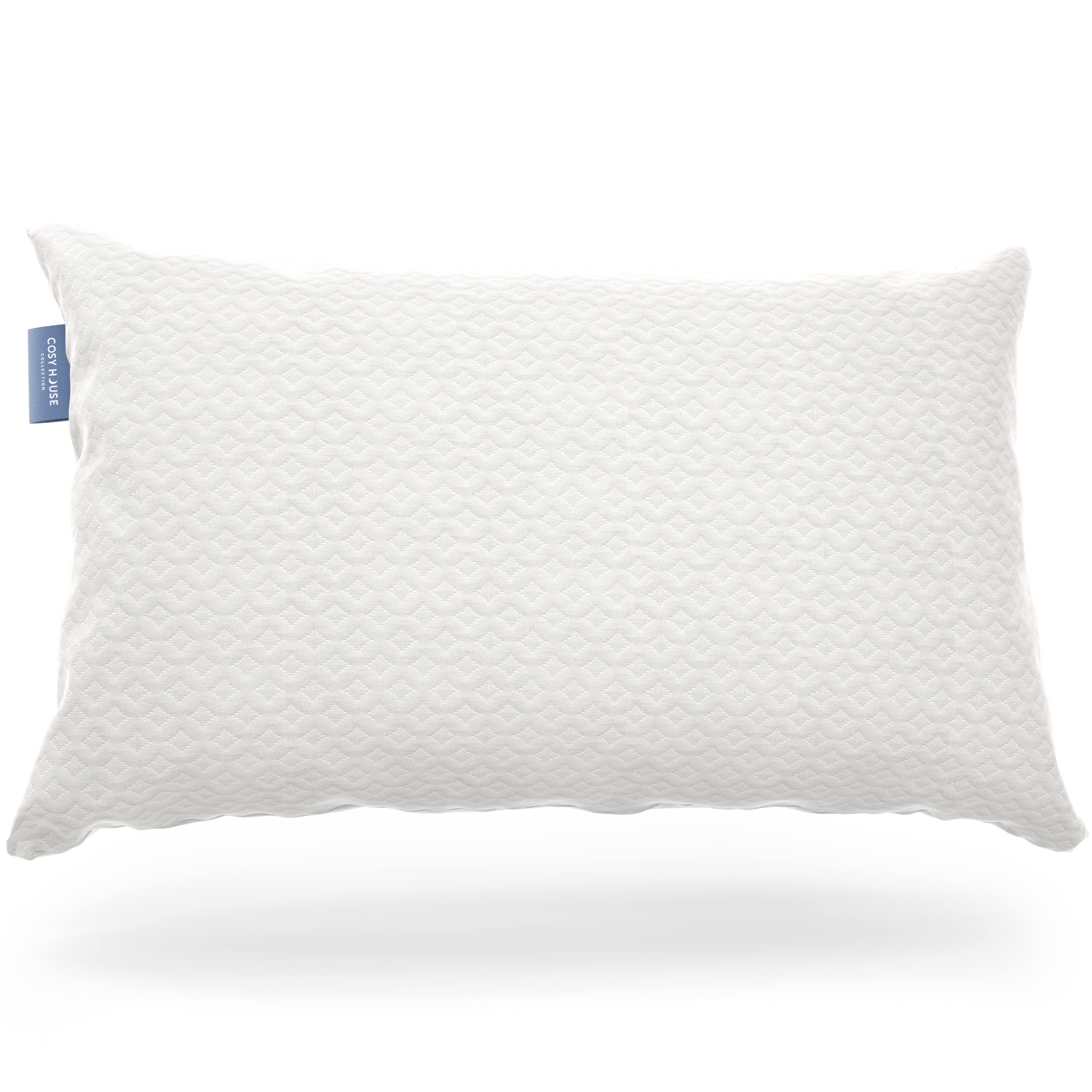
Cosy House Collection Bamboo Shredded Memory Foam Pillow
This adjustable, cooling pillow has completely changed how I sleep. Shredded memory foam means you can customize the loft, and the bamboo cover stays cool all night. Worth every penny.
My Total Budget Breakdown
For context, here’s roughly what I spent on my own bedroom refresh last winter:
- 2 new throw pillow covers: ~$24
- 1 chunky knit throw: ~$35
- 2 smart bulbs for my lamps: ~$20
- 1 quality sleeping pillow: ~$65
- A few candles and a linen spray: ~$28
- 2 small plants + simple pots: ~$22
That’s just under $200 total, and I didn’t buy any new furniture, repaint anything, or do anything that required a trip to IKEA. Just intentional, layered updates to what I already had. The difference was night and day — literally. My sleep quality improved measurably (I started tracking it with an app), and I actually look forward to going to bed now instead of dreading that moment when I try and fail to wind down.
Your bedroom should feel like the most peaceful room in your home. It doesn’t take a big budget or a major renovation — just a few intentional choices. Start with one thing from this list and go from there. You’ll be surprised how quickly it adds up to a space that genuinely recharges you.
Cozy Bedroom Lighting Tips
If there’s one thing that transforms a bedroom from “just a room you sleep in” to a truly cozy sanctuary, it’s lighting. Overhead lighting — the kind most bedrooms default to — is almost always the enemy of coziness. It’s flat, bright, and unforgiving. The goal is to layer your light sources so the room feels warm and intimate, especially in the evening hours when you’re winding down.
Switch to Warm-Toned Bulbs
This is the single fastest change you can make. Replace any cool-white or daylight bulbs (which emit blue-toned light in the 5000K+ range) with warm white bulbs in the 2700K–3000K range. Warm bulbs cast a golden, amber-tinted glow that instantly makes a space feel more inviting. Most smart bulbs let you dial in the exact warmth you want, which is even better. I have mine set to the warmest setting after 7 PM and the difference is genuinely dramatic.
Go Low and Layered
The key rule of cozy lighting: the lower the light source, the more intimate the feeling. Instead of relying on an overhead fixture, layer multiple lower light sources — bedside lamps, floor lamps, table lamps in corners, even plug-in wall sconces. When you have warm light coming from multiple points at a low height, the room feels enveloping rather than exposed. Try turning off your overhead light entirely for one week and see how different your bedroom feels.
Use Dimmer Switches or Smart Bulbs
The ability to dim your lights is a game-changer for cozy bedrooms. Full brightness works for getting dressed or finding something you’ve dropped; 20% brightness is what you want when you’re reading before bed. Dimmer switches are relatively inexpensive to install, or you can go the easy route with smart bulbs that dim via app. I use smart bulbs in both my bedside lamps and have an automation that slowly dims them from 8 PM onward. My body starts getting sleepy right on schedule.
Add Candles and Fairy Lights
These are the secret weapons of cozy lighting. A few pillar candles on a nightstand or dresser cast a flickering, organic warmth that no electric bulb can fully replicate. Flameless LED candles are a great option if you don’t want to worry about an open flame before sleep. String lights or fairy lights draped behind a headboard or along a shelf add a magical, soft glow that’s perfect for that transitional hour before sleep when you want ambiance without bright light.
The Best Cozy Bedroom Color Palettes
Color is one of the most powerful tools in interior design — and one of the most underestimated. The colors you surround yourself with while you sleep genuinely affect how your nervous system feels in that space. Here are the palettes I recommend most for creating a bedroom that feels like a true retreat.
Warm Neutrals: The Never-Fail Classic
Think soft beiges, creamy whites, warm taupes, and sandy greiges. This palette is endlessly versatile, works with virtually any furniture style, and photographs beautifully. Warm neutrals don’t compete for attention — they recede and let the textures, soft furnishings, and lighting do the work. If you want a bedroom that feels calm and elevated without being trendy, warm neutrals are your answer. Layer in natural wood tones and linen-textured fabrics and the result is genuinely stunning.
Sage Green and Ivory: The Organic Dream
Sage green has been having a very long moment for good reason — it’s soothing, nature-forward, and pairs beautifully with creamy whites, natural wood, and rattan. A sage-painted accent wall or sage-toned bedding against ivory walls creates a bedroom that feels like a breath of fresh air. This palette works especially well if you incorporate real or faux plants, wicker elements, and warm metals like brass or brushed gold.
Deep, Moody Tones: For the Bold Sleeper
Dusty blue, charcoal, forest green, or deep terracotta can create an incredibly cozy bedroom when done right. Dark colors envelop a space and make it feel intimate — almost like a cocoon. If you’re nervous about painting all four walls, start with just one dark accent wall behind the bed. Pair with warm lighting and cream-toned bedding and the result is incredibly sophisticated. This palette tends to feel the most luxurious and hotel-like.
Blush and Warm White: Soft and Romantic
For a bedroom that feels soft, romantic, and genuinely feminine, blush tones paired with warm white is a timeless combination. Dusty rose, muted blush, or even a pale peach against crisp white or ivory creates a space that feels light but still warm. This palette is particularly beautiful with velvet textures, mirrored accents, and floral or botanical details. It photographs incredibly well too, which is a nice bonus if you ever want to share your space online.
Free Download
Get My Daily Supplement Stack Guide
Everything I take, why I take it, and what I noticed — morning, midday, and evening. Free when you join the list.
No spam, ever. Unsubscribe anytime.