

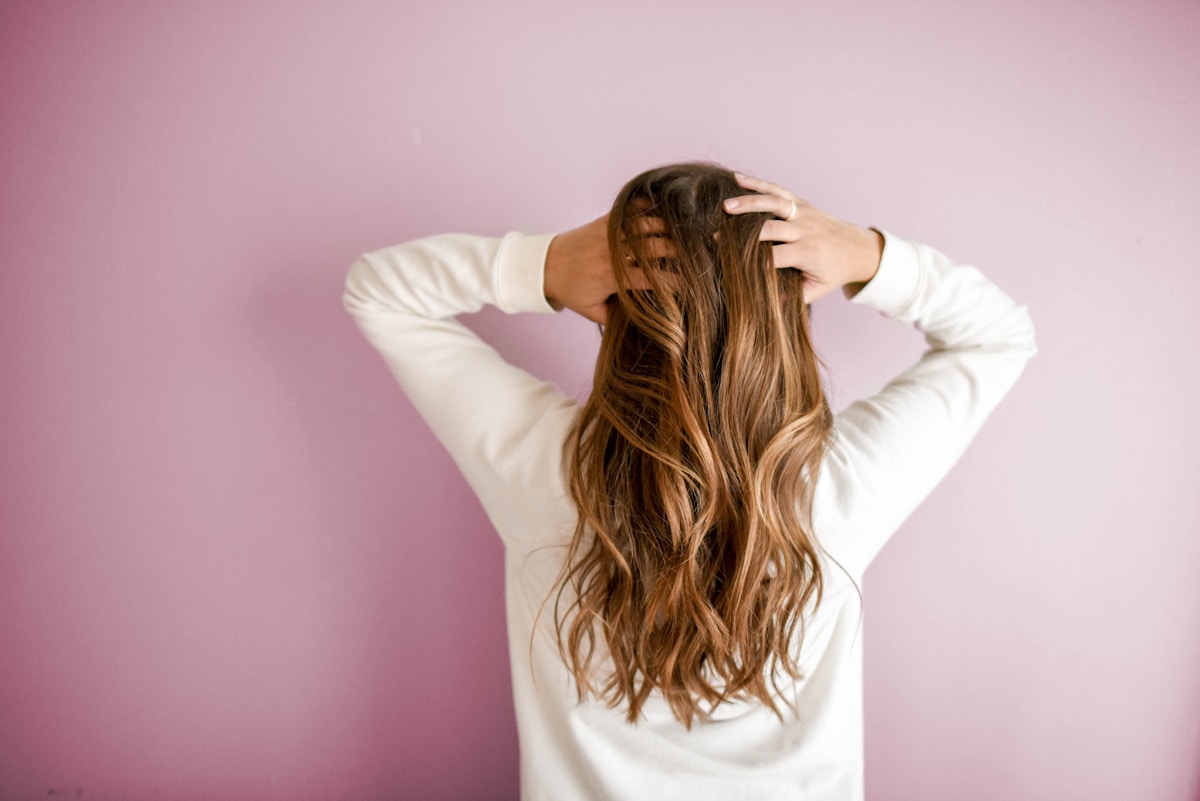
Hair loss affects over 80 million Americans — and while it’s often thought of as a men’s issue, women make up nearly half of that number. If you’ve noticed more hair in your brush, a wider part line, or a ponytail that feels thinner than it used to, you’re not alone. The good news is that most causes of hair loss in women are treatable, especially when you catch them early and take the right steps.
Understanding why your hair is thinning is the first step toward fixing it. In this guide, we’ll walk through the 11 most common causes of hair loss in women, answer frequently asked questions, and share the products and habits that can help you regain thicker, fuller hair.
How To Tell If You’re Losing Too Much Hair
It’s completely normal to shed between 50 and 100 hairs per day — that’s just part of the natural hair growth cycle. But if you’re noticing any of the following signs, it may be time to investigate further:
- Your part line is visibly wider than it was a year ago
- You’re finding significantly more hair in the shower drain or on your brush
- Thinning is noticeable at the temples, crown, or along the hairline
- Your ponytail feels noticeably thinner or lighter
- You can see more of your scalp than usual, especially under bright light
If any of these sound familiar, keep reading — identifying the cause is the most important thing you can do right now.
11 Common Causes of Hair Loss in Women
1. Female Pattern Hair Loss (Androgenetic Alopecia)
This is the single most common cause of hair loss in women, affecting up to 40% of women by age 50. It’s caused by a hormone called DHT (dihydrotestosterone) that gradually shrinks hair follicles over time. Unlike men who typically experience a receding hairline, women with female pattern hair loss usually notice diffuse thinning along the part line and crown area. It runs in families, so if your mother or grandmother experienced thinning hair, you may be more susceptible.
Treatment options include minoxidil (the only FDA-approved topical treatment for female hair loss), DHT-blocking supplements, and hair growth vitamins that support follicle health from the inside out.
2. Stress-Related Hair Loss (Telogen Effluvium)
High stress — whether physical or emotional — can push large numbers of hair follicles into the shedding phase all at once. This type of hair loss is called telogen effluvium, and it typically shows up 2-3 months after a stressful event like a major illness, surgery, job loss, divorce, or emotional trauma. The good news is that telogen effluvium is almost always temporary. Once the underlying stress is managed, hair typically regrows within 6-9 months.
Managing stress through exercise, meditation, adequate sleep, and professional support can help speed recovery. Many women also find that adaptogenic supplements like ashwagandha help manage cortisol levels during high-stress periods.
3. Iron Deficiency (Anemia)
Iron deficiency is one of the most common and most frequently overlooked causes of hair loss in women — especially those with heavy periods. Iron is essential for producing hemoglobin, which carries oxygen to your cells, including hair follicles. Without adequate iron, follicles can’t function properly and hair growth slows dramatically. A simple blood test from your doctor can confirm whether iron deficiency is contributing to your hair loss.
Looking for the best product for this? Check out — one of our top picks on Amazon.
4. Hormonal Changes
Women’s bodies go through constant hormonal shifts — and many of them can trigger significant hair shedding. Pregnancy, the postpartum period, starting or stopping birth control, perimenopause, and menopause all create hormonal fluctuations that affect the hair growth cycle. Postpartum hair loss is especially common, affecting up to 50% of new mothers in the months following delivery. The hair you kept during pregnancy (thanks to elevated estrogen) tends to shed all at once after giving birth.
While hormonal hair loss is usually temporary, supporting your body with proper nutrition, prenatal or postnatal vitamins, and gentle hair care can help minimize the impact and speed recovery.
➡️ Nutrafol Women’s Hair Growth Supplement – Clinically Proven
5. Thyroid Disorders
Both hypothyroidism (underactive thyroid) and hyperthyroidism (overactive thyroid) can cause noticeable hair loss. Women are 5 to 8 times more likely than men to develop thyroid problems, and the condition often goes undiagnosed for months or even years. If you’re experiencing hair loss along with fatigue, weight changes, dry skin, or mood swings, ask your doctor for a comprehensive thyroid panel. Once your thyroid levels are properly managed with medication, hair growth typically resumes.
6. Poor Nutrition and Crash Dieting
Your hair needs a steady supply of nutrients to grow — and deficiencies in biotin, zinc, vitamin D, protein, and omega-3 fatty acids can all slow or stop hair growth. Crash diets and extreme calorie restriction are particularly damaging because they deprive your body of the building blocks it needs. Your body prioritizes vital organs over hair growth, so when nutrients are scarce, your hair is one of the first things to suffer.
Looking for the best product for this? Check out — one of our top picks on Amazon.
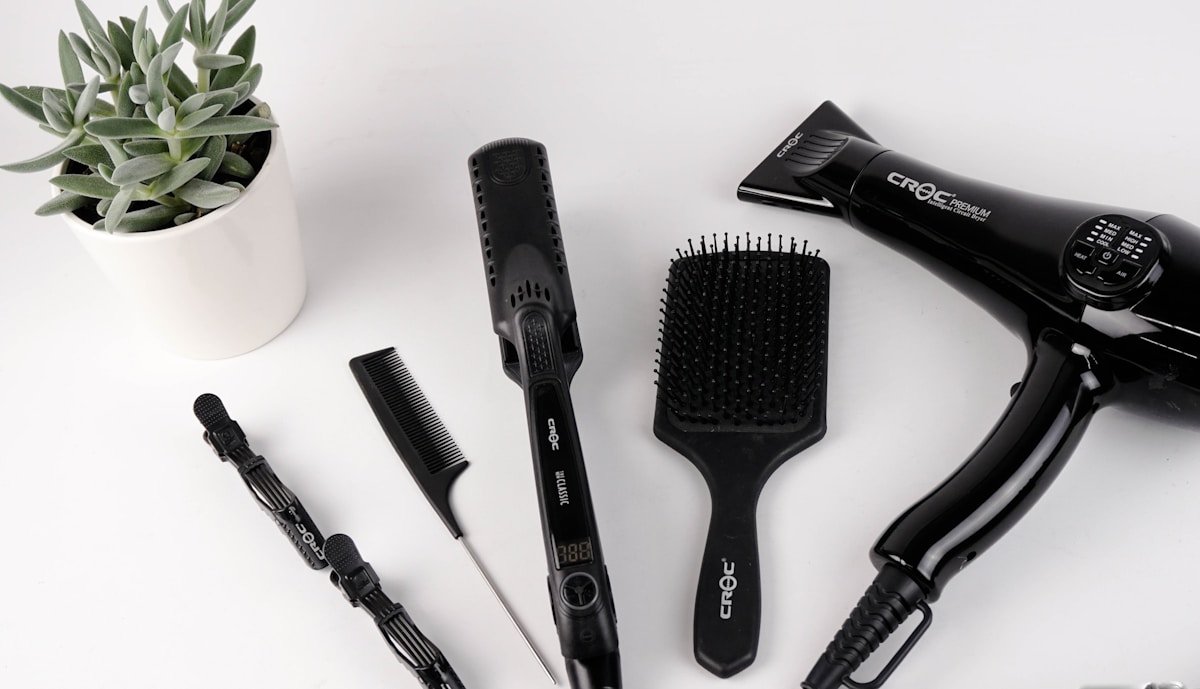
7. Over-Styling and Heat Damage
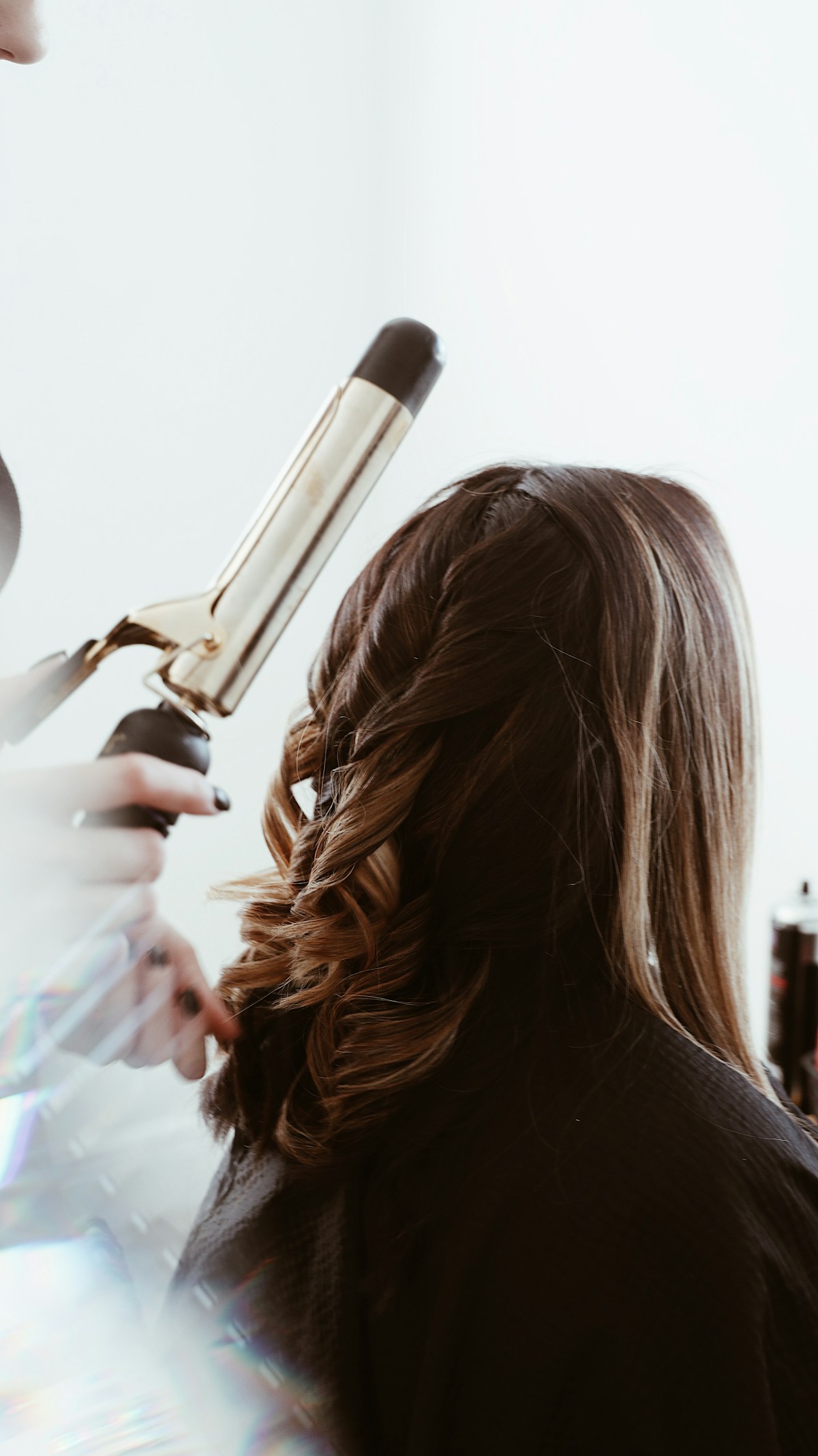
Flat irons, curling wands, blow dryers on high heat, tight ponytails, braids, and extensions can all cause a type of hair loss called traction alopecia. This happens when repeated tension or heat damages the hair follicle over time. Chemical treatments like relaxers, perms, and frequent coloring also weaken the hair shaft and can lead to breakage that mimics hair loss. If you notice thinning around your hairline or temples, your styling habits may be the culprit.
Switch to heat-free styling methods when possible, use a quality heat protectant spray, and give your hair regular breaks from tight styles.
8. Autoimmune Conditions (Alopecia Areata)
Alopecia areata is an autoimmune disorder where your immune system mistakenly attacks hair follicles, causing round patches of hair loss. It affects about 6.8 million people in the United States and can occur at any age. While there’s no cure, treatments like corticosteroid injections, topical immunotherapy, and newer JAK inhibitor medications can help stimulate regrowth. If you notice sudden, patchy hair loss, see a dermatologist as soon as possible.
9. Medications and Medical Treatments
Certain medications list hair loss as a side effect, including some blood pressure medications, antidepressants, blood thinners, cholesterol-lowering drugs, and chemotherapy. If you’ve recently started a new medication and notice increased shedding, talk to your doctor about alternatives — but never stop prescribed medication without medical guidance.
10. Polycystic Ovary Syndrome (PCOS)
PCOS affects up to 10% of women of reproductive age and is one of the leading hormonal causes of hair thinning. The condition causes elevated androgen levels, which can lead to thinning hair on the scalp while simultaneously causing excess hair growth on the face and body. Treatment typically involves hormonal management through birth control pills, anti-androgen medications, or lifestyle changes including diet and exercise.
11. Aging
As women age, hair naturally becomes thinner and finer. After menopause, declining estrogen levels mean less protection for hair follicles, and the growth cycle shortens. While you can’t stop the aging process entirely, maintaining a nutrient-rich diet, using gentle hair care products, and taking targeted supplements can help keep your hair as thick and healthy as possible through every stage of life.
You Might Also Like
Frequently Asked Questions About Hair Loss in Women
How much hair loss is normal for women?
Losing 50-100 hairs per day is completely normal and part of the natural growth cycle. You might notice more shedding on wash days, which is also normal since you’re dislodging hairs that were already loose. However, if you’re consistently losing clumps of hair, noticing bald patches, or seeing your scalp more than usual, it’s time to consult a dermatologist or trichologist.
Can hair loss in women be reversed?
In many cases, yes. Hair loss caused by stress, nutritional deficiencies, hormonal changes, and medications is often fully reversible once the underlying cause is addressed. Even female pattern hair loss can be significantly slowed and partially reversed with treatments like minoxidil and proper supplementation. The key is early intervention — the sooner you address the problem, the better your chances of recovery.
➡️ NutraChamps Biotin Gummies 10,000mcg for Hair, Skin & Nails
What vitamins help with hair loss in women?
The most important vitamins and minerals for hair health include biotin (B7), iron, vitamin D, zinc, vitamin E, omega-3 fatty acids, and protein. A comprehensive hair growth supplement that combines multiple nutrients is often more effective than taking individual vitamins. Look for formulas specifically designed for women’s hair health that include clinically studied ingredients.
Should I see a doctor about my hair loss?
Yes, especially if your hair loss is sudden, patchy, or accompanied by other symptoms like fatigue, weight changes, or scalp irritation. A dermatologist can run blood tests to check for iron deficiency, thyroid problems, hormonal imbalances, and other underlying conditions. Getting a proper diagnosis ensures you’re treating the right cause rather than guessing.
Tips for Managing and Preventing Hair Loss
- Be gentle with your hair — Use a wide-tooth comb, avoid brushing when wet, and let hair air-dry when possible
- Eat a balanced, protein-rich diet — Hair is made of protein (keratin), so adequate protein intake is essential
- Take a quality hair supplement — Fill nutritional gaps with a targeted hair growth formula
- Manage stress proactively — Regular exercise, meditation, and adequate sleep all support healthy hair growth
- Avoid tight hairstyles — Give your hairline a break from ponytails, buns, and braids
- Use sulfate-free, gentle shampoos — Harsh sulfates can strip natural oils and weaken hair
- Massage your scalp daily — Even 5 minutes of scalp massage increases blood flow to follicles
- Protect hair from heat — Always use a heat protectant and keep styling tools on medium settings
Our Top Product Picks for Women’s Hair Loss
Here are the products we recommend most for women dealing with hair thinning and loss:
Viviscal Hair Growth Supplements — A clinically proven formula with marine collagen, biotin, and essential vitamins that promotes thicker, fuller hair from within. Thousands of women swear by this supplement.
Biotin Hair Growth Vitamins — High-potency biotin combined with other hair-supporting nutrients like zinc, vitamin D, and folic acid. An affordable daily supplement for hair health.
Final Thoughts
Hair loss can feel overwhelming and deeply personal — but understanding the cause is half the battle. Whether your thinning is related to hormones, stress, nutrition, or genetics, there are effective solutions available. Start by identifying which of these 11 causes most likely applies to you, talk to your doctor if needed, and build a hair care routine that supports regrowth from the inside out. With patience and the right approach, most women see significant improvement within 3-6 months.
Related reading: If you’re working on regrowing lost hair, check out our guide on how to stimulate hair growth. You may also want to read about keratin hair treatments that strengthen strands and reduce breakage.

Pingback: Keratin Hair Treatment: Everything Women Need To Know - The Madison Effect