
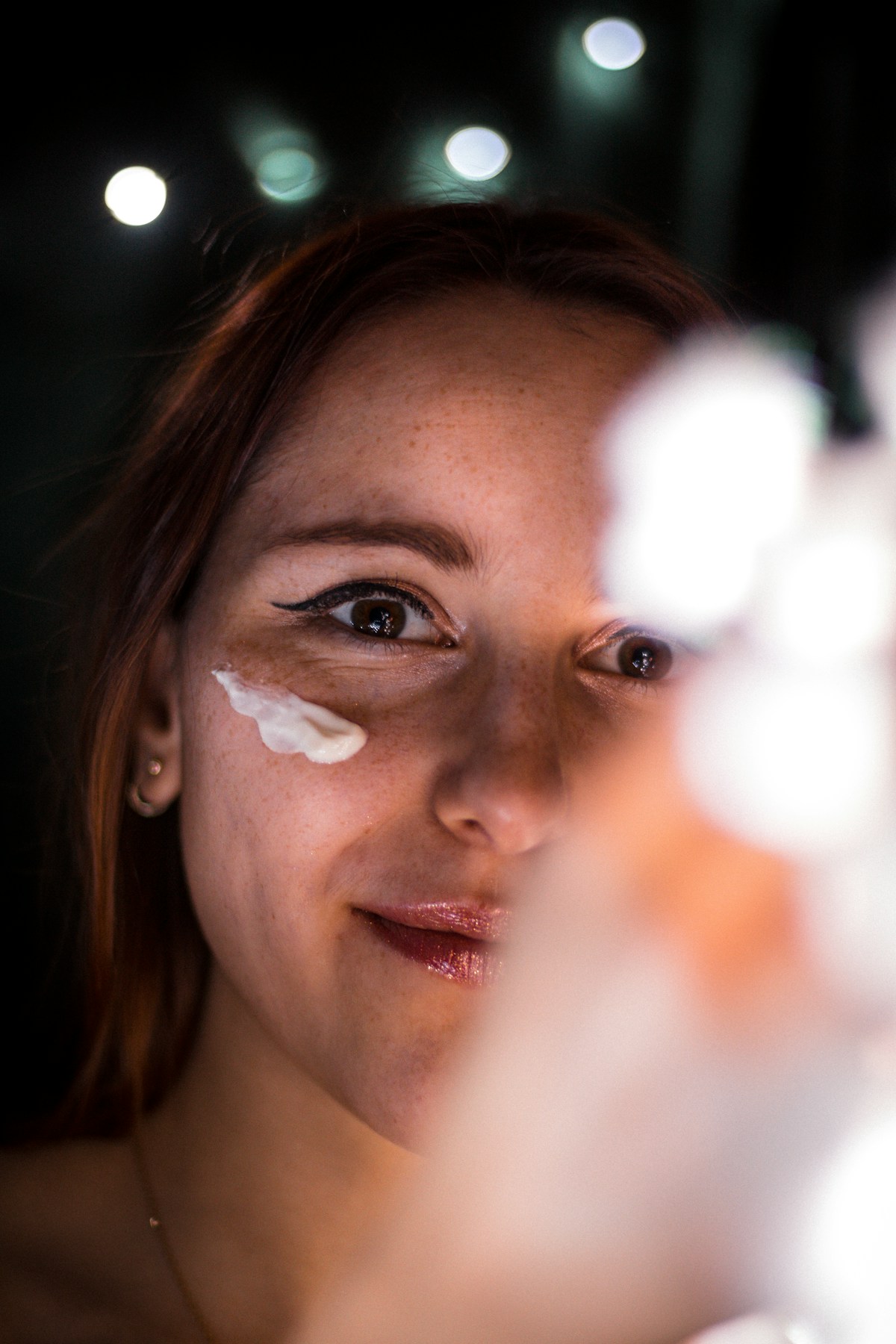

I used to be a chronic sunscreen skipper. I know, I know. My dermatologist has given me the look more times than I can count. But here’s the honest truth about why I kept skipping it: every sunscreen I tried either left a white cast that made me look gray in photos, felt like I’d rubbed grease on my face, pilled under my makeup, or made me break out. None of those options felt worth the trade-off when I was already running late in the morning.
It took me a while — and a lot of trial and error — to realize the problem wasn’t sunscreen itself. It was that I hadn’t found the right formula yet. Once I did, everything changed. I now apply SPF every single morning, year-round, without thinking twice about it. It’s become as automatic as moisturizer.
If you’ve been skipping sunscreen because it feels heavy, looks white, breaks you out, or just doesn’t play nicely with your makeup — I’ve been there. Let me tell you what I’ve found that actually works.
Why Daily SPF Is Non-Negotiable (Even If You’re Inside Most of the Day)
Before we get into products, let me make the case for daily sunscreen, because it really is one of the highest-impact things you can do for your skin long-term.
UV radiation is the primary cause of premature skin aging — wrinkles, dark spots, loss of firmness, uneven texture. Not stress, not sugar, not lack of sleep (though those matter too). UV. The research on this is extremely clear and extremely sobering. Up to 90% of visible skin aging is caused by sun exposure.
And here’s the part most people don’t think about: UV rays penetrate through clouds, through car windows, through office windows. On a cloudy day, you’re still receiving up to 80% of the UV radiation you’d get on a clear day. Sitting by a window indoors for several hours exposes you to meaningful amounts of UVA — the rays most associated with aging and skin cancer.
This is why “I’m mostly inside” isn’t a reason to skip sunscreen. It’s a reason to find a formula lightweight enough that you’ll actually wear it every day without thinking about it.
What Makes a Face Sunscreen Actually Wearable
The sunscreens I love and wear every day share a few key qualities. These are my non-negotiables:
- No white cast. This eliminates the vast majority of mineral sunscreens (those using zinc oxide or titanium dioxide without special tinting). White cast is a dealbreaker, period. I want to look like myself, not like a statue.
- Lightweight, non-greasy texture. A sunscreen that sits on top of my skin like a film drives me absolutely crazy. I want something that absorbs, that feels like skincare, not a barrier.
- Doesn’t pill under makeup. If I’m wearing foundation or BB cream, the sunscreen needs to play nicely with it. Pilling — where the products ball up together — is a texture nightmare and it ruins your whole look.
- Doesn’t break me out. I have combination skin that leans oily in my T-zone. Anything heavy or pore-clogging shows up on my face within days. The formula matters enormously.
- SPF 30 or higher. SPF 30 blocks about 97% of UVB rays. SPF 50 blocks about 98%. The difference is small but not nothing — for daily use, I’m typically fine with SPF 36-50.
The Sunscreens I Actually Use Every Day
My Current Daily Driver: Anua Zero-Cast Moisturizing Sunscreen SPF 50
This is what I’ve been reaching for every single morning for the past several months, and it might be the best daily face sunscreen I’ve ever tried. The “zero-cast” promise is entirely real — on my medium skin tone, there is zero white cast whatsoever. It applies like a lightweight moisturizer, absorbs within about thirty seconds, and leaves a slightly dewy finish that photographs beautifully.
It contains hyaluronic acid for hydration and niacinamide for brightening and pore minimization — so you’re getting skincare benefits built right into your SPF. I’ve had days where I skipped my usual moisturizer and just used this, and my skin looked fine. That’s how hydrating it is.
The Korean sunscreen market has always been ahead of the curve when it comes to SPF formulation, and this is a perfect example of why. The texture is something else entirely compared to most Western sunscreens — genuinely a pleasure to apply rather than a chore.
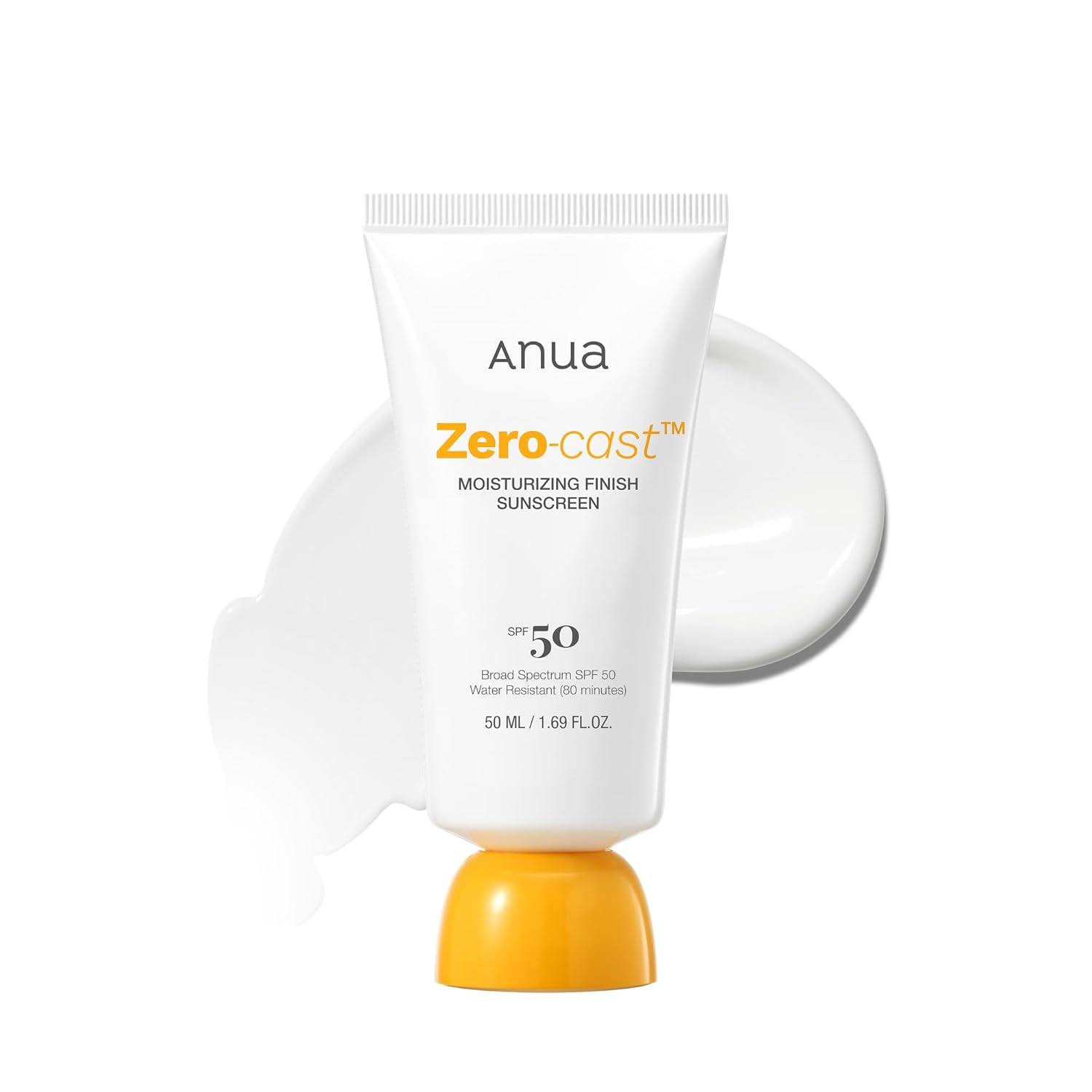
Anua Zero-Cast Moisturizing Sunscreen SPF 50
Lightweight Korean sunscreen with zero white cast. Contains hyaluronic acid and niacinamide. Oil-free, dewy finish that wears beautifully under or without makeup.
The Drugstore-Accessible Daily SPF: Innisfree Daily UV Defense SPF 36
I tried this one when it first landed widely on Amazon and it quickly earned a permanent spot in my rotation. Innisfree is a well-established Korean beauty brand with serious credibility, and their UV Defense formula is one of the most wearable daily SPFs I’ve ever come across at a mainstream price point.
The finish is what I’d call “skin” — not matte, not dewy, just skin. It disappears into your complexion without leaving any residue, cast, or texture change. I’ve worn it alone on no-makeup days and under full makeup days and it performed beautifully in both contexts. The hydrating formula means it doesn’t require a separate moisturizer for most skin types, which simplifies the whole morning routine.
If you’ve given up on drugstore or mid-range sunscreens because they always leave a white cast or feel heavy, this is the one to try before you give up on the category entirely. It genuinely performs like something that should cost twice as much.
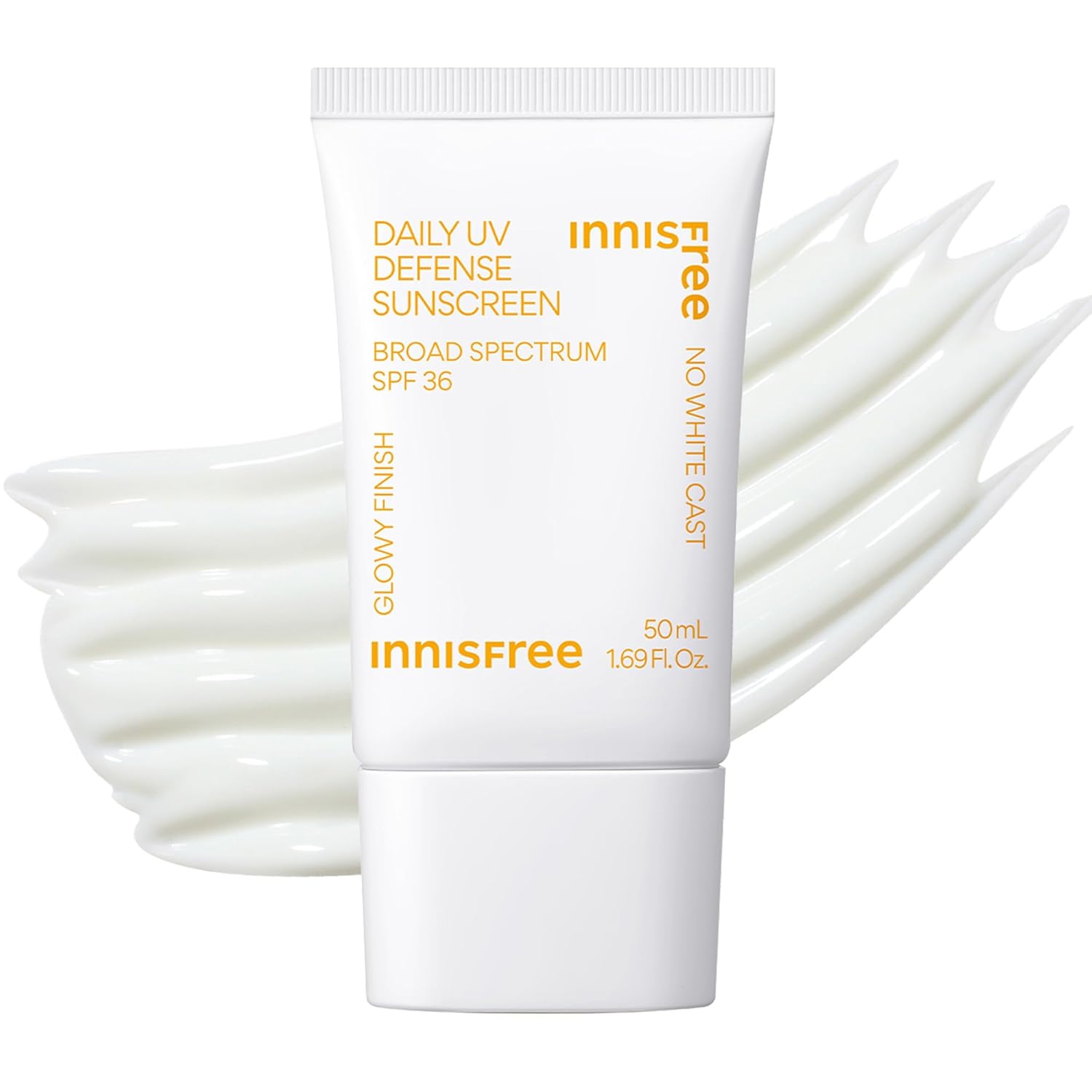
Innisfree Daily UV Defense SPF 36
Invisible finish Korean sunscreen. Broad spectrum protection, lightweight hydrating formula. No white cast, no pill-up, no grease. One of the best wearable SPFs on the market.
The Tinted Option for Skin-Tone Correction: ALASTIN HydraTint Pro Mineral Sunscreen
This one is for when you want a little more from your SPF — specifically, light coverage that evens out skin tone while protecting it. The ALASTIN HydraTint is a mineral sunscreen with enough tint built in to counteract the white cast that mineral formulas typically create, and it adds a sheer, skin-like coverage that I find replaces the need for foundation on a lot of days.
I’ll be honest: this is the priciest of the three I’m recommending, and it’s a splurge. But if you’re someone who wants a two-in-one — a real SPF plus a natural makeup look — it’s worth every penny. The finish is luminous without being glittery, the coverage is buildable, and it’s fragrance-free, which my slightly sensitive skin appreciates.
I wear this when I want to look “done” without a full makeup routine. It’s also water-resistant, which makes it a go-to for outdoor activities or days when I know I’ll be sweating.

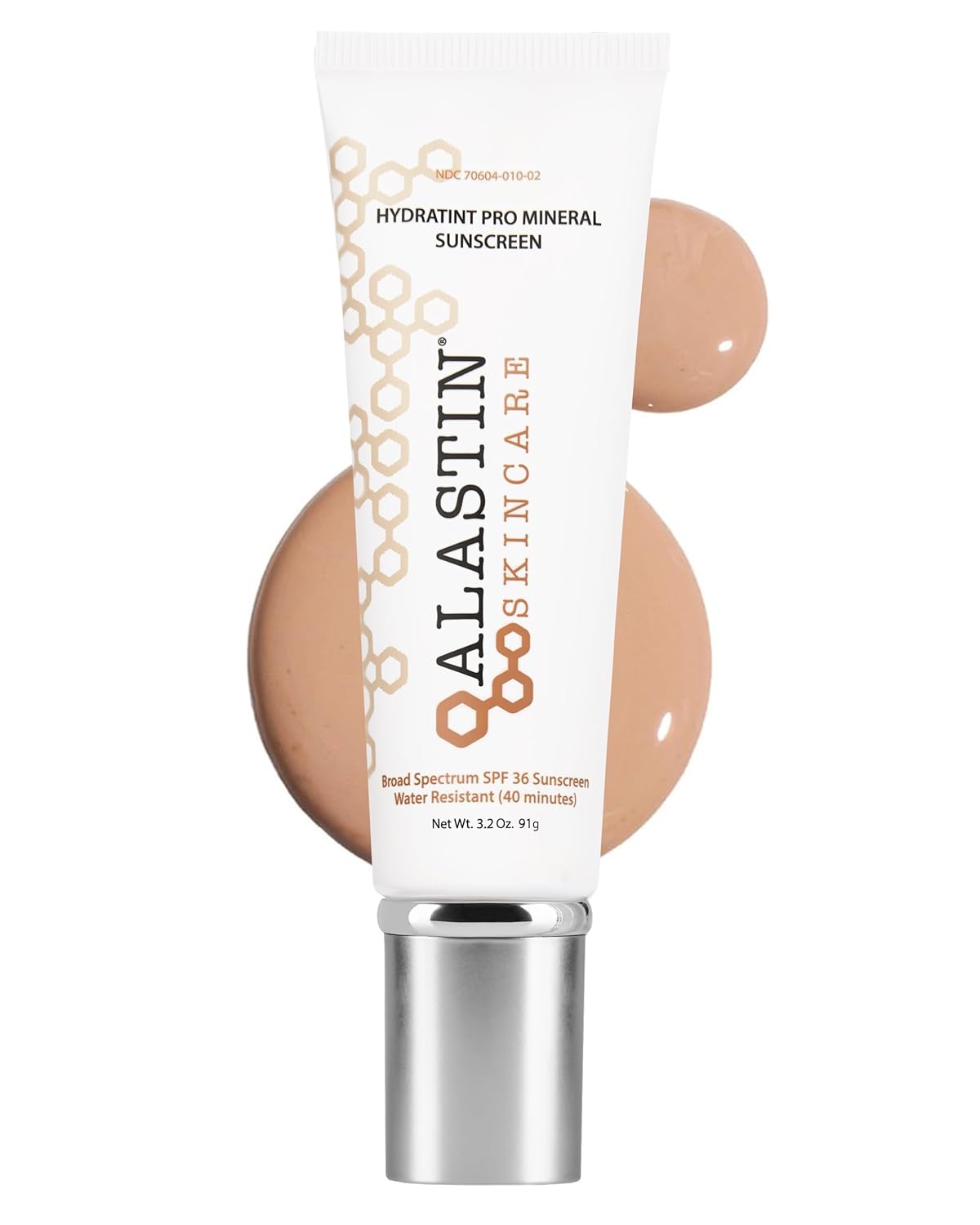
ALASTIN HydraTint Pro Mineral Sunscreen SPF 36
2-in-1 tinted daily sunblock moisturizer. Sheer natural coverage, luminous finish, fragrance-free. Water resistant. Perfect for low-makeup days.
How to Apply Sunscreen Correctly (Most People Are Under-Applying)
This is one of those details that makes a real difference. Research consistently shows that most people apply about a quarter of the amount of sunscreen they need to get the SPF protection listed on the bottle. You’re essentially wearing SPF 12 when you think you’re wearing SPF 50.
Here’s what the correct amount looks like:
- For the face alone: About half a teaspoon (2.5ml), or what SPF researchers call “two finger lengths.” I know that sounds like a lot, but most sunscreens are lightweight enough that this amount doesn’t feel heavy when you apply it properly.
- Apply before makeup. Sunscreen goes on after moisturizer but before foundation, BB cream, or concealer. Give it a minute or two to absorb before layering makeup on top.
- Don’t forget your neck and hands. These areas are constantly sun-exposed and show aging earlier than almost anywhere else. If you’re already reaching for the bottle, those two extra seconds are worth it.
- Reapply every two hours if you’re outdoors. For indoor days, morning application is generally sufficient. But if you’re spending real time outside, reapplication matters.
- Don’t rely on SPF in makeup alone. SPF in foundation provides some protection, but studies show it’s rarely applied thickly enough to achieve the SPF on the label. Treat it as a bonus layer rather than your main protection.
Chemical vs. Mineral Sunscreen: Which Is Better for Your Face?
I get this question all the time, so let me break it down simply:
Chemical sunscreens (containing ingredients like avobenzone, oxybenzone, octinoxate, etc.) work by absorbing UV radiation and converting it to heat. They tend to be more lightweight and invisible on skin, which is why they’re popular in the formulas I’ve recommended above. They can irritate sensitive or reactive skin for some people, and there are ongoing conversations about certain chemical filters and environmental concerns.
Mineral sunscreens (containing zinc oxide and/or titanium dioxide) work by physically reflecting UV rays off the skin. They’re generally considered gentler for sensitive, reactive, or acne-prone skin. The downside is that they traditionally leave a white cast. New formulations are getting much better at this (like the ALASTIN I recommended, which uses a tint to offset it).
My personal take: for daily facial use on normal to oily skin, I lean toward chemical or hybrid formulas because of their superior cosmetic elegance. For sensitive or acne-prone skin, or if you’re pregnant (some chemical filters are flagged for caution during pregnancy), a mineral formula is the safer bet. There’s no universal right answer — it’s about finding what you’ll actually wear consistently.
My Current Morning Sunscreen Routine
For reference, here’s how sunscreen fits into my actual morning routine:
- Gentle cleanser
- Toner (optional step for me, I skip some mornings)
- Vitamin C serum (antioxidant protection that works synergistically with sunscreen)
- Light moisturizer or skip if the sunscreen is moisturizing enough
- Sunscreen — about half a teaspoon, applied in gentle patting motions rather than rubbing
- Wait 1-2 minutes before makeup
The whole thing takes about four minutes. That’s what a consistent SPF habit actually looks like. It doesn’t have to be complicated, and it definitely doesn’t have to feel like a production.
Common Sunscreen Mistakes I Made (So You Don’t Have To)
Looking back, I can identify exactly where I went wrong during my sunscreen-skipping years:
- I only tested sunscreens on my hand, not my face. The skin on your hand is totally different from your face — different texture, different oil production, different sensitivity. A sunscreen that seems fine on your wrist can feel completely different on your cheeks. Always test on your actual face before committing.
- I gave up after one try. If a sunscreen broke me out or left a white cast, I declared all sunscreens terrible and moved on. The right approach is to identify what specifically bothered you about that formula and look for something without that ingredient or with a different base.
- I didn’t account for layering. Sunscreen doesn’t exist in isolation in your morning routine. The moisturizer you use affects how sunscreen wears. Your primer affects it. Even the order you apply products in matters. Getting the routine right took some experimentation, but once I did, the pilling and separation issues I’d experienced disappeared.
- I thought sunscreen was only for summer. UVA rays — the aging rays — are present year-round, cloud cover or not. The intensity of UVB (burning) rays varies by season, but UVA is more constant. Year-round protection is the only way to actually protect yourself.
SPF Ingredients to Know and Understand
You don’t need to be a cosmetic chemist to buy good sunscreen, but a basic understanding of the active ingredient landscape helps you choose more confidently:
- Avobenzone: The most common chemical UVA filter in the US. Highly effective but can be destabilized by sunlight unless paired with stabilizers. Look for formulas that include stabilizing ingredients alongside it.
- Octinoxate: A UVB filter. Common, inexpensive, but banned in some locations due to environmental coral reef concerns. If that matters to you, look for reef-safe formulas.
- Zinc oxide: A broad-spectrum mineral filter (protects against both UVA and UVB). Gentle, stable, effective. The main drawback is white cast, though new micronized formulas minimize this.
- Titanium dioxide: Another mineral filter, primarily UVB. Often combined with zinc oxide for broader coverage. Less white cast than zinc oxide alone.
- Homosalate, Octisalate, Octocrylene: Various chemical UVB filters often included to round out chemical SPF formulas. Generally well-tolerated.
When I’m evaluating a new sunscreen, the first thing I check is the active ingredient list. That tells me whether it’s mineral, chemical, or hybrid, and helps me predict how it’s likely to wear on my skin.
The Bottom Line on Daily Sunscreen
I spent years avoiding sunscreen because I hadn’t found formulas I actually liked. Now that I have, I look back at all those unprotected mornings with genuine regret. Not because I’m panicking about it — but because the fix was genuinely this simple, and it just required finding the right products.
If you’re skipping SPF because of white cast, greasiness, breakouts, or makeup pilling — those are all legitimate product problems, not sunscreen problems. The right formula makes all the difference. I hope one of these three options helps you find yours. Your skin in ten years will thank you in ways that are hard to measure right now but will be very obvious later.
The Face Sunscreens I Actually Use
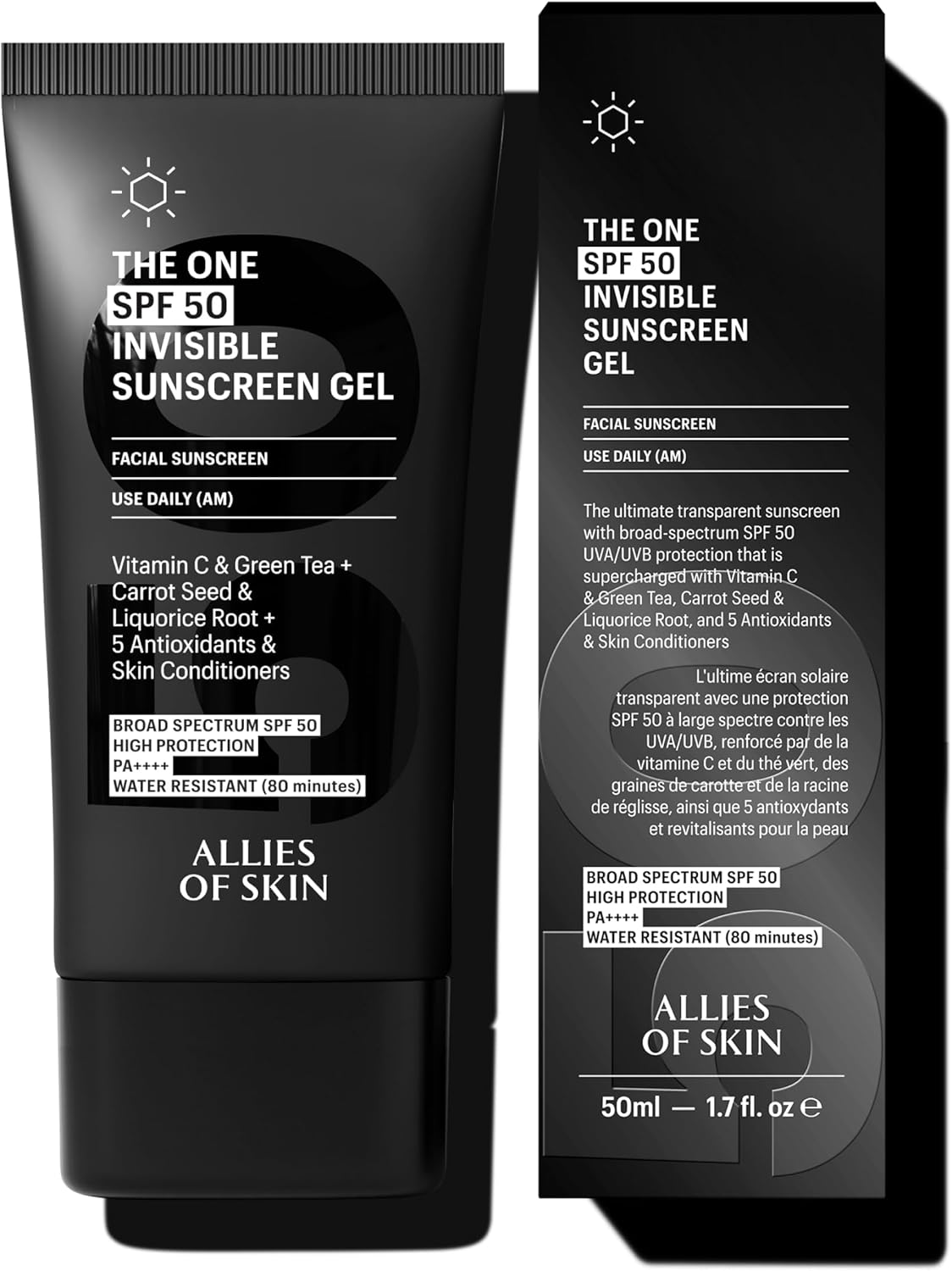
Allies of Skin Daily Face Sunscreen SPF 50
Zero white cast, lightweight gel formula that disappears on all skin tones. SPF 50 broad-spectrum protection with a skin-perfecting finish — no greasiness, no residue.
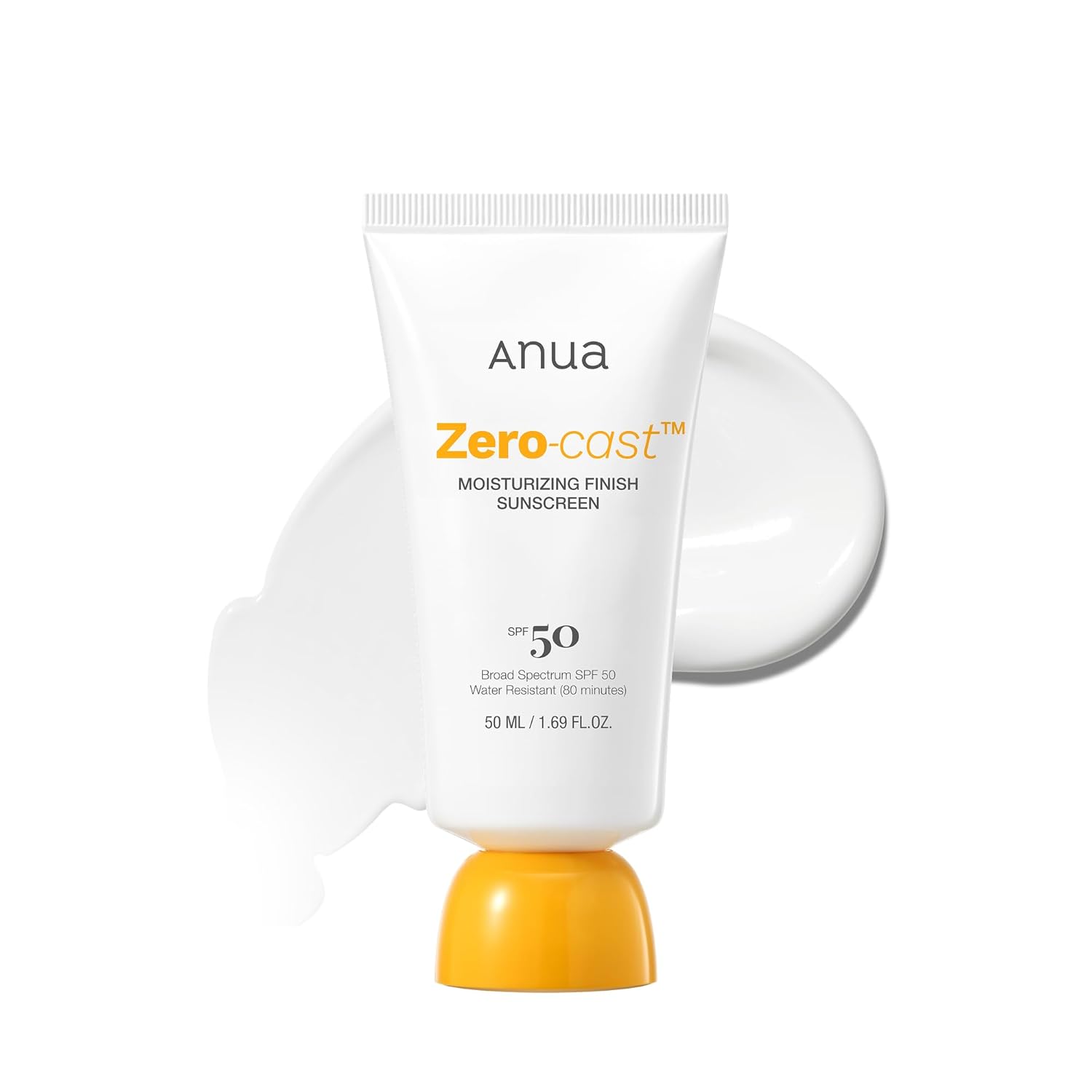
Anua Zero-Cast Moisturizing Sunscreen SPF 50
Korean-formula SPF 50 sunscreen that delivers a natural glow with zero white cast. Moisturizing and skin-loving — perfect for daily wear under or over makeup.
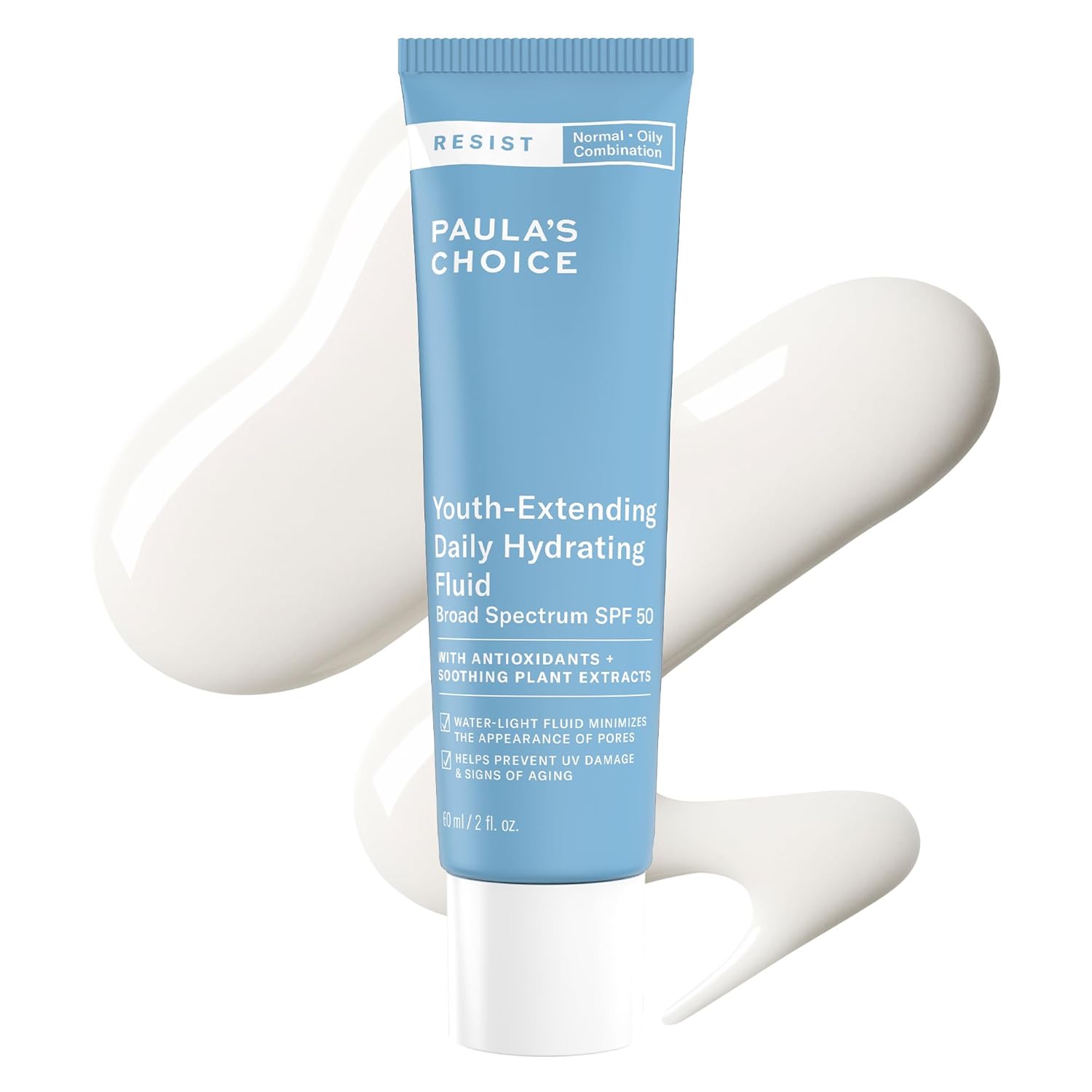
Paula’s Choice RESIST Daily Hydrating Fluid SPF 50
A cult-favorite daily SPF moisturizer with SPF 50 UVA/UVB protection. Hydrating, non-greasy formula that primes skin beautifully — dermatologist recommended.
Free Download
Get My Daily Supplement Stack Guide
Everything I take, why I take it, and what I noticed — morning, midday, and evening. Free when you join the list.
No spam, ever. Unsubscribe anytime.