
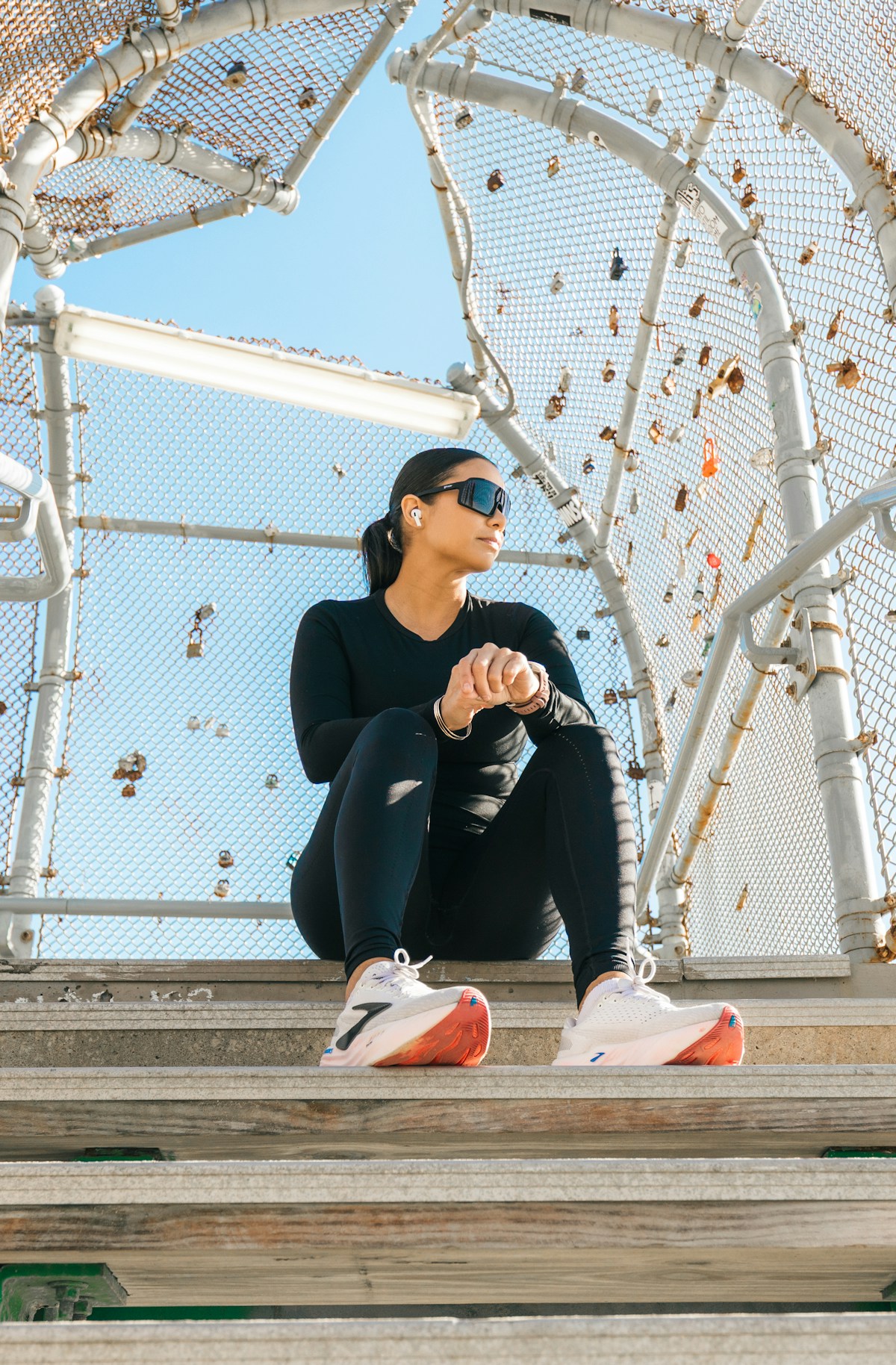

Let me tell you about the day I finally broke down and took my foot pain seriously. I was three miles into what should have been a pretty easy run — a route I’d done dozens of times — when my heel started screaming at me. Not a dull ache. A sharp, burning kind of pain that made me limp the last half mile home wondering if I’d somehow broken something.
I hadn’t. It was plantar fasciitis, a condition so common among runners that it’s practically a rite of passage. Except it didn’t feel like a rite of passage. It felt like my body was rebelling against something I actually loved doing.
What followed was almost two years of figuring out running shoes. I read reviews obsessively. I went to specialty running stores and got my gait analyzed. I tried motion control shoes, minimalist shoes, maximalist shoes with more cushion than a mattress. I tried orthotics. I tried stretching protocols and strengthening exercises and foam rolling until my calves begged for mercy.
Here’s what I learned: your running shoes matter enormously, and “the best running shoe” isn’t universal. But there are certain things to look for that apply to almost everyone — and once I understood those, finding the right pair got a lot easier.
What I Got Wrong About Running Shoes for Years
My first mistake was buying running shoes based on looks. I know. But I genuinely believed that if a shoe had good reviews and looked supportive and cost enough money, it would work for my feet. This is not how feet work.
My second mistake was buying shoes that were too small. I wore an 8.5 in regular shoes and assumed I needed an 8.5 in running shoes. Wrong. Your feet swell during runs — especially longer ones — and you need at least a thumb’s width of space in front of your toes. I was constantly jamming my toes into the front of my shoes, which contributed to both the foot pain and some gnarly toenail issues I won’t describe here.
My third mistake was ignoring my arch type. I have moderately high arches and I tend to supinate slightly (my feet roll outward rather than inward). Neutral cushioning works better for me than stability shoes — but I spent two years in stability shoes because a well-meaning store employee said my gait looked “a little off” and recommended them. The stability shoes actually made things worse.
All of this to say: understanding your own foot mechanics is the starting point. Everything else flows from there.
What to Actually Look for in Running Shoes for Women
Cushioning Level
This is the biggest variable. More cushioning (maximal shoes like Hoka) means more shock absorption — great if you run on pavement, have heel pain, or are building mileage. Less cushioning means more ground feel, which some runners find helps with form and proprioception. For most everyday runners, especially those dealing with knee or heel issues, moderate-to-high cushioning is the safer starting point.
Drop (Heel-to-Toe Offset)
The “drop” is the height difference between your heel and forefoot. High drop (8-12mm) accommodates heel strikers and can reduce Achilles strain. Low drop (0-4mm) encourages a more midfoot strike. After years of experimenting, I’ve landed on a mid-drop shoe (6-8mm) as my sweet spot — enough heel support without encouraging the heavy heel strike that contributed to my plantar fasciitis.
Width
Women’s running shoes are typically narrower than men’s, and even within women’s sizes, many popular models run narrow. If you have wider feet or tend to get blisters on the sides of your feet, prioritize brands known for wider toe boxes. Your toes should be able to splay naturally — if they’re squeezed together in the front of the shoe, that’s a fit problem that no amount of cushioning will fix.
Breathability
Especially if you run in warmer weather or tend to run hot, mesh upper construction matters. A shoe that traps heat and moisture leads to blisters, fungal issues, and that wonderful moment when you take your shoes off and everyone takes a step back.
The Running Shoes I’ve Tested (And What I Think)
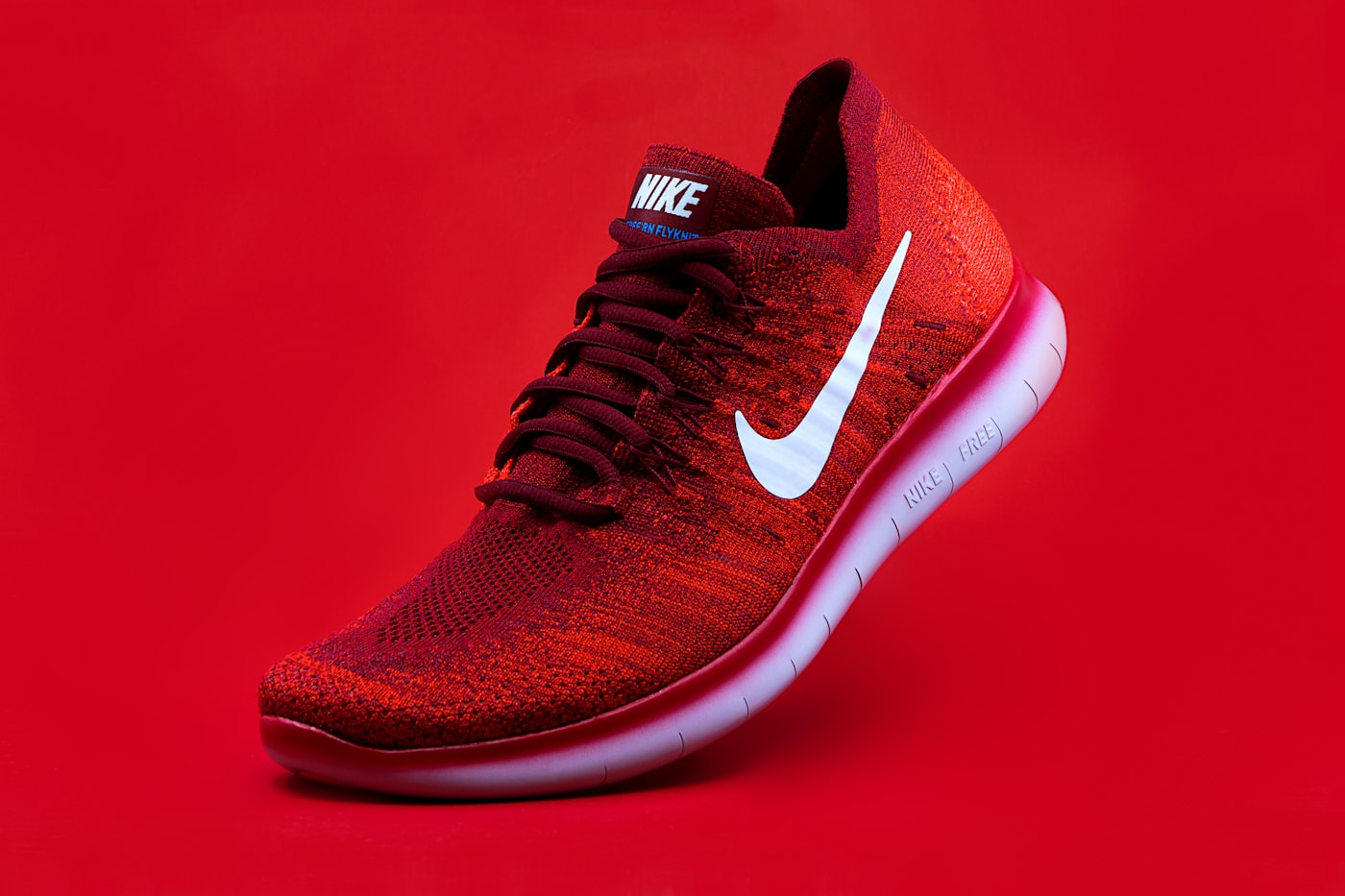
I’ve spent real money and real miles on these. Here’s my honest breakdown.
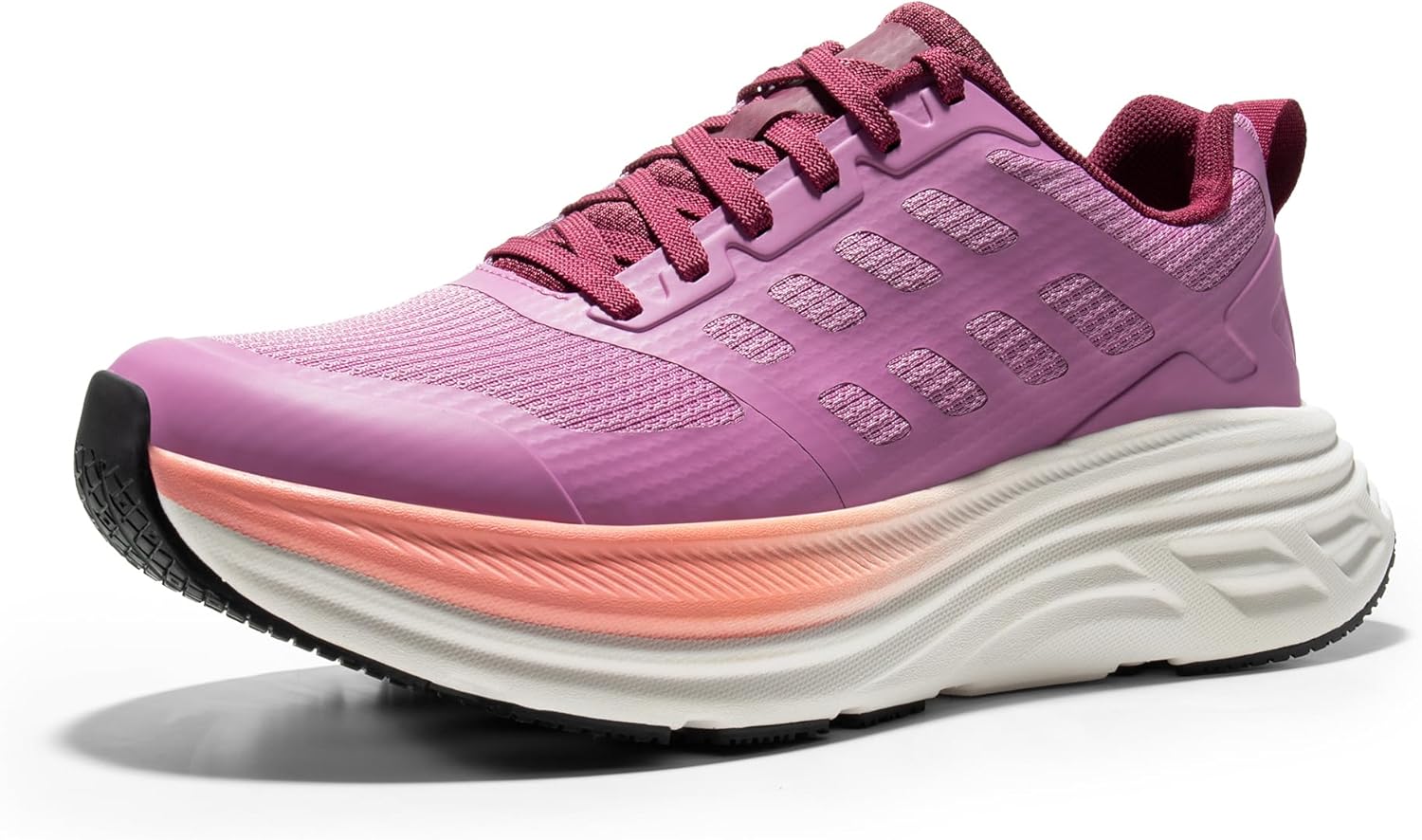
NORTIV 8 Women’s Walking & Running Shoes — ActiveFloat Cushion
Lightweight, non-slip construction with serious cushioning built for all-day wear. Great for women transitioning from walking to running or dealing with fatigue on their feet. Breathable mesh upper keeps things cool.
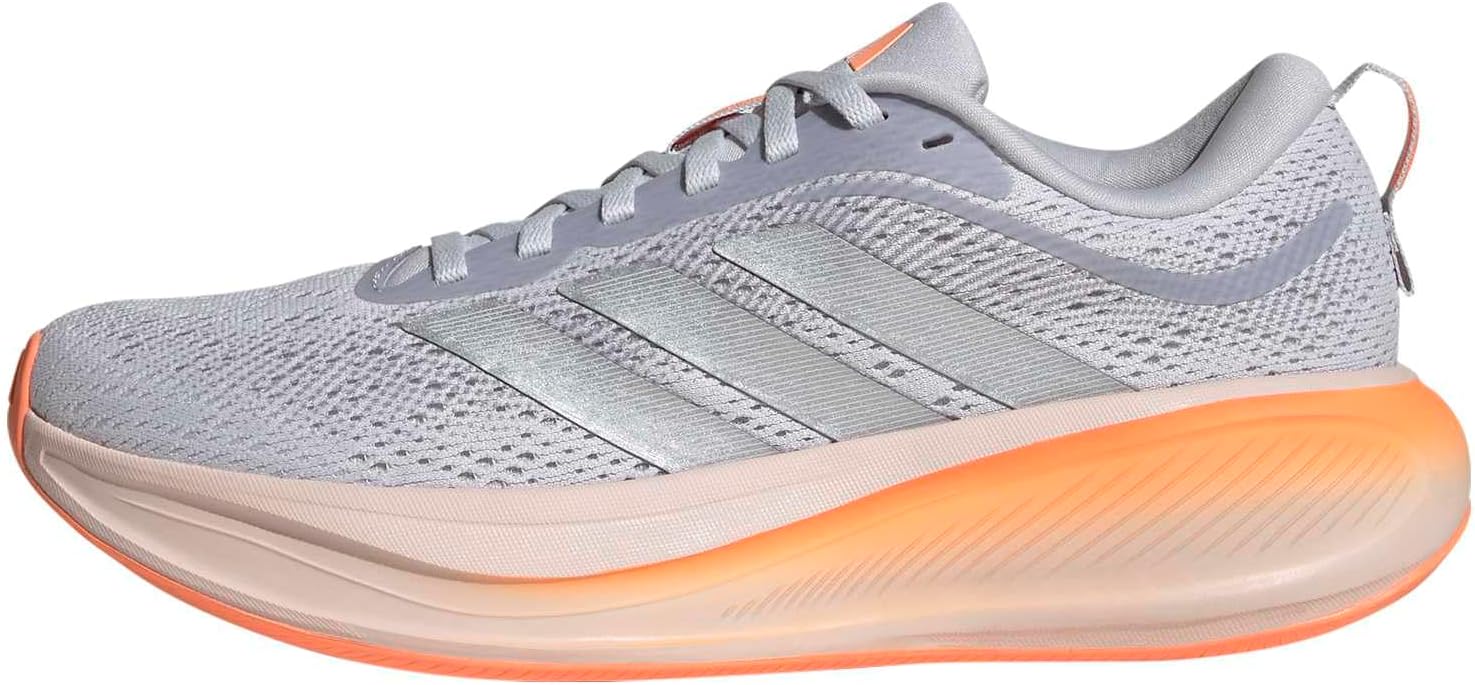
Adidas Women’s Response Pace Running Sneaker
Adidas’s responsive cushioning system returns energy with each stride. Lightweight and supportive, ideal for everyday training runs. The Cloudfoam-style midsole absorbs shock without feeling spongy.
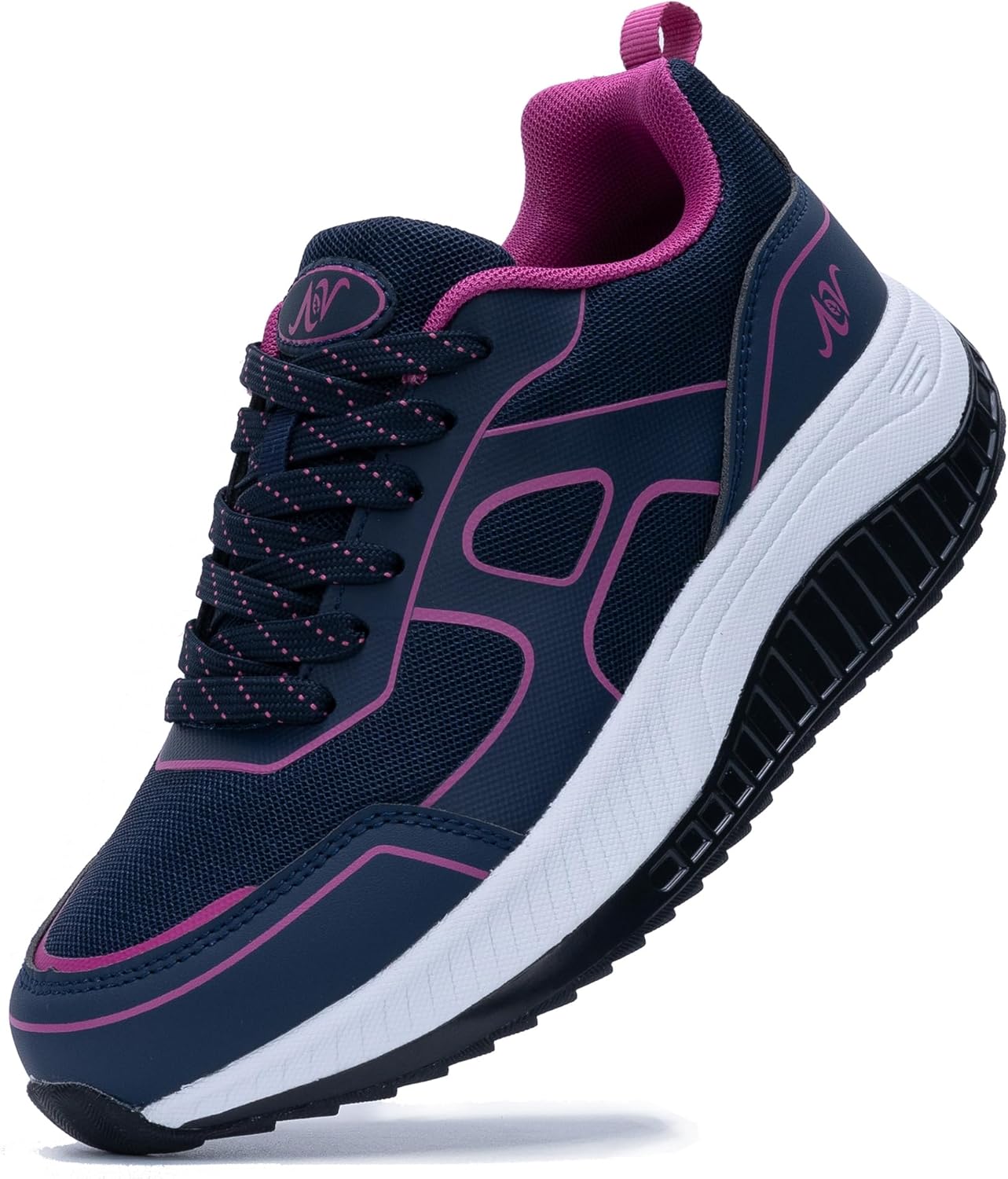
ZF ZEFUHER Women’s Shoes with Arch Support — Orthotic Plantar Fasciitis Design
Specifically designed for women dealing with plantar fasciitis and arch pain. Orthotic-level support built into the insole. If heel pain has been your nemesis, this is worth a serious look.
What Running Taught Me About Listening to My Body
The shoe drama — as frustrating as it was — actually taught me something I wish I’d known earlier: your body gives you feedback if you learn to listen to it. The heel pain wasn’t a fluke. It was a signal that something in my form, my footwear, or my training load was off.
I’ve learned to pay attention to where I feel fatigue during and after runs. Knee pain often points to shoe drop issues or overpronation. Hip tightness often means I’m not warming up properly. Achilles soreness usually means I’ve ramped up mileage too fast. Shin splints are almost always a combination of shoe cushioning and overtraining.
None of this makes me an expert. But it does mean I’m no longer surprised when something hurts — I start asking why instead of just pushing through.
Building a Running Routine That Lasts
I want to address something that comes up a lot when I talk to women about running: the intimidation factor. Running feels like it should be simple — you just go run — but the reality is that a lot of people have tried it, gotten hurt or burned out, and given up. I almost did the same.
What worked for me was completely letting go of pace and distance goals for the first few months and just focusing on consistency. Three times a week, doesn’t matter how far, doesn’t matter how fast. Just running regularly enough that my body adapted and started to enjoy it.
The right shoes are the foundation of all of that. You can have perfect form, a perfect training plan, perfect recovery habits — and bad shoes will derail all of it. But it goes the other way too: the right shoes, combined with realistic expectations and gradual progression, make running one of the most accessible and rewarding forms of exercise out there.
Tips for Buying Running Shoes Online
Since we’re shopping on Amazon (my preferred approach for convenience and return policies), here’s what I’ve learned about buying running shoes online:
- Size up half a size from your regular shoe size. This accommodates foot swelling and toe clearance.
- Read the reviews for fit, not just quality. Look specifically for reviews from people with similar foot issues or shapes to yours.
- Check the return policy before you order. Amazon’s is generally excellent, but third-party sellers vary.
- Order two pairs in different sizes if you’re between sizes. Return the one that doesn’t fit. It’s worth the temporary hassle to get the fit right.
- Break them in gradually. A new pair of shoes needs at least 1-2 weeks of shorter runs before you use them for anything long or intense. Don’t debut new shoes on race day.
What Happened After I Got the Right Shoes
My plantar fasciitis didn’t disappear overnight. But with the right shoes, consistent stretching (specifically the towel stretch and calf raises), and backing off mileage for a month, it cleared up completely over about eight weeks. I haven’t had a flare-up in over a year.
More importantly, I actually enjoy running now. Not in the “I’m supposed to enjoy this” way, but genuinely. I look forward to my morning runs. I get annoyed when weather or scheduling prevents them. I’ve signed up for a 10K, which eight-months-ago me would have found absolutely unhinged.
The right shoes changed my relationship with the sport entirely. That’s not an exaggeration. If you’re dealing with pain or just feeling like running is harder than it should be, I’d really encourage you to start with what’s on your feet.
How to Know When to Replace Your Running Shoes
This is something I got completely wrong for the first year I was running. I thought running shoes were like regular shoes — you replace them when they look worn out. Turns out, the cushioning and structural support in running shoes degrades long before any visible wear appears on the outsole. By the time your shoes look beat up, they’ve usually been past their useful life for months.
The Mileage Rule
Most running shoes are designed for 300–500 miles. If you’re running 15 miles a week, that’s roughly 5–8 months on a single pair. If you’re running more, it’s sooner. The wide range (300 vs. 500) depends on the shoe construction, your body weight, and how you land — heavier runners and heel-strikers tend to compress midsoles faster than lighter, midfoot runners.
I track my mileage using a free app (Nike Run Club or Strava both let you assign shoes to runs). Once a pair hits 350 miles, I start paying close attention to how they feel. By 450, I’m usually shopping for a replacement.
What Your Body Is Telling You
Sometimes the best indicator isn’t mileage — it’s how your body feels after a run. Signs that your shoes may be past their prime:
- Your legs feel more tired than usual for the same distance
- You’re experiencing new soreness in your knees, hips, or lower back
- Runs that used to feel easy now feel harder on your joints
- You notice more foot fatigue or that “dead legs” feeling toward the end of runs
- The shoes feel noticeably less springy or responsive than when they were new
These symptoms don’t always mean it’s the shoes — but if everything else is equal and you notice them creeping in, new shoes should be your first experiment.
The Physical Inspection
Press your thumb firmly into the midsole (the foam layer between the outsole and the upper). If it compresses easily and bounces back, the cushioning is still functional. If it feels firm and doesn’t compress much, the foam has degraded. Also check the heel counter — the stiff piece at the back of the shoe. If it’s soft or collapses inward when you press it, the structural support is gone.
The outsole can lie to you. Carbon rubber outsoles are extremely durable and can look nearly new while the midsole underneath is completely shot. Don’t use outsole wear as your primary indicator.
The Smell and Feel Test
This sounds strange but it’s real: older shoes often start to smell more even after washing because the foam breaks down and traps bacteria differently. The inside lining also compresses and thins out over time, which you can feel if you compare an old pair to a newer one. These aren’t dealbreakers on their own, but combined with other signs, they’re worth noting.
When in Doubt, Replace
Running injuries are expensive in time, money, and motivation. The cost of replacing shoes preventively is almost always lower than the cost of dealing with plantar fasciitis, shin splints, or stress fractures from running in dead shoes. I’ve learned to treat running shoes like a consumable, not an investment — they have a lifespan, and respecting that lifespan protects everything above them.
Running Shoe FAQ
Do I need different shoes for treadmill running versus outdoor running?
Not necessarily different, but the tradeoffs matter. Treadmill running is lower-impact because the belt has give that pavement doesn’t. Some runners find they prefer a slightly firmer shoe indoors because the treadmill already provides cushioning. Outdoors — especially on trails or uneven surfaces — you generally want more cushioning and grip. If you run both regularly, a versatile road shoe works for both. If you log serious trail miles, a dedicated trail shoe with a grippy outsole is worth having.
Is it worth getting a gait analysis before buying running shoes?
Yes, at least once. Specialty running stores (Road Runner Sports, Fleet Feet) offer free gait analysis where they film you running on a treadmill and identify whether you overpronate, supinate, or have a neutral gait. This information genuinely helps when choosing between stability, motion-control, and neutral shoes. You don’t have to buy from the store — the information is useful regardless of where you shop.
Can I use running shoes for other workouts like gym training or HIIT?
You can, but it’s not ideal for either the shoes or your training. Running shoes are built for forward motion and have a high, cushioned heel that can actually be a disadvantage for lateral movements in HIIT or weight training. More importantly, using your running shoes for gym workouts adds wear and reduces their running lifespan. If you’re doing both seriously, a separate pair of cross-trainers is worth it.
What’s the difference between a stability shoe and a neutral shoe?
Stability shoes have additional support built into the medial (inner) side of the midsole — a denser foam or structure that resists inward rolling of the foot (overpronation). Neutral shoes don’t have this correction built in. If you overpronate significantly — meaning your foot rolls inward excessively when you run — a stability shoe can help correct your gait and reduce injury risk. If you have a neutral gait or supinate (roll outward), a neutral shoe is typically better. A gait analysis will tell you which category you fall into.
Why do running shoes feel different after a few weeks of use?
This is actually normal and expected. Running shoes go through a brief “break-in” phase where the midsole foam compresses slightly to conform to your foot shape and gait. Most modern running shoes are designed to be wearable right out of the box, but they’ll typically feel slightly better after 20-30 miles of use. What you’re feeling after a few weeks is the shoe becoming calibrated to you. If they feel worse after that break-in period rather than better, that’s a sign the fit or design isn’t right for your foot.
How should running shoes fit compared to regular shoes?
A half to a full size larger than your everyday shoes is the general recommendation. Your feet swell during running — especially on longer runs — and you need about a thumbnail’s width of space between your longest toe and the end of the shoe. The heel should feel secure with minimal slipping, and the midfoot should feel snug but not tight. Width matters too: if your foot feels squeezed on the sides or you notice blisters on the outer edges of your toes, try a wide width in the same model before switching to a different shoe entirely.
Final Thoughts on Finding Your Perfect Running Shoe
You might not find your perfect shoe on the first try. I definitely didn’t. But with a clearer understanding of what to look for — cushioning level, drop, width, arch support — and a willingness to return and try again, you’ll get there faster than I did.
The three options I’ve highlighted above represent different approaches to running shoe design, and between them, they cover a wide range of foot types and running styles. Start with whatever resonates most with your current pain points (or lack thereof), and don’t be afraid to experiment.
Your feet carry you everywhere. Treat them accordingly.
The Connection Between Running Shoes and Running Form
One thing I didn’t understand when I started running is that your shoes influence your form — and your form influences which shoes work for you. They’re deeply interconnected. When I switched to shoes with less heel-to-toe drop, I unconsciously started landing more midfoot rather than heel-striking. That change, as much as the cushioning, is what helped resolve my plantar fasciitis.
This is why it’s worth paying attention to how your body moves in different shoes, not just how comfortable they feel standing still in a store. A shoe that feels great on the showroom floor might encourage a running pattern that stresses your joints. A shoe that feels slightly firmer might actually improve your efficiency and reduce injury risk.
If you have access to a specialty running store with a gait analysis service, it’s worth doing at least once. They film you running on a treadmill and can identify patterns you wouldn’t notice yourself. You don’t have to buy from them, but the information is genuinely useful when you go to compare options online.
My Running Shoe Rotation Strategy
One thing I’ve learned from more experienced runners: rotating between two pairs of shoes extends the life of both and may reduce injury risk. The midsole foam in running shoes compresses with each step and needs time to decompress — roughly 24-48 hours. If you run consecutive days in the same shoes, the cushioning doesn’t fully recover between runs.
I keep two pairs of running shoes active at any given time and alternate between them. This means each pair gets roughly double the recovery time, which has noticeably extended how long they stay functional. When the first pair starts to feel different underfoot — less responsive, less cushioned — I know it’s time to retire it and introduce a new third pair into the rotation.
You don’t need expensive shoes for both pairs. One high-quality primary shoe and a more affordable secondary is a perfectly reasonable approach. The key is the rotation, not the price tag on each individual shoe.
Finally: replace your shoes regularly. Most running shoes are designed for 300-500 miles of running. If you’re running 20 miles a week, that means replacing your primary shoe roughly every four to six months. Worn-out shoes lose their cushioning and structural support long before they look visibly worn out — the outer sole often looks fine while the midsole has completely compressed. If your legs feel more tired than usual after runs, or if you notice more soreness than expected, it might just be time for new shoes.
Free Download
Get My Daily Supplement Stack Guide
Everything I take, why I take it, and what I noticed — morning, midday, and evening. Free when you join the list.
No spam, ever. Unsubscribe anytime.