


For years, I avoided protein powder. Completely. If you had asked me why, I would have given you a very confident answer: I didn’t want to “bulk up.” I thought protein powder was for gym bros doing bicep curls, not for regular women trying to eat healthy and feel good. I had this mental image of drinking a protein shake and waking up with bodybuilder arms. I know. It doesn’t work that way. But I genuinely believed it.
It took a nutritionist visit (prompted by persistent fatigue and a crash around 3 p.m. every afternoon) to change my mind. My diet was not short on vegetables, healthy fats, or whole grains. It was short on protein, by a lot. I was getting maybe 40-50 grams a day when I probably needed 90-120 grams based on my body weight and activity level.
The fix wasn’t complicated: add more protein to my meals, and use a protein powder to fill the gaps on days when hitting that target from food alone wasn’t happening. That change — along with fixing a few other things my nutritionist flagged — resolved the afternoon crash almost immediately. Better energy, better mood, better recovery after workouts, even better sleep.
I still feel slightly ridiculous that it took me so long to get here. But I also talk to women constantly who have the same misconceptions I had, and I’d rather spend time busting those myths than pretending I figured it out quickly.
The Protein Myth Women Need to Stop Believing
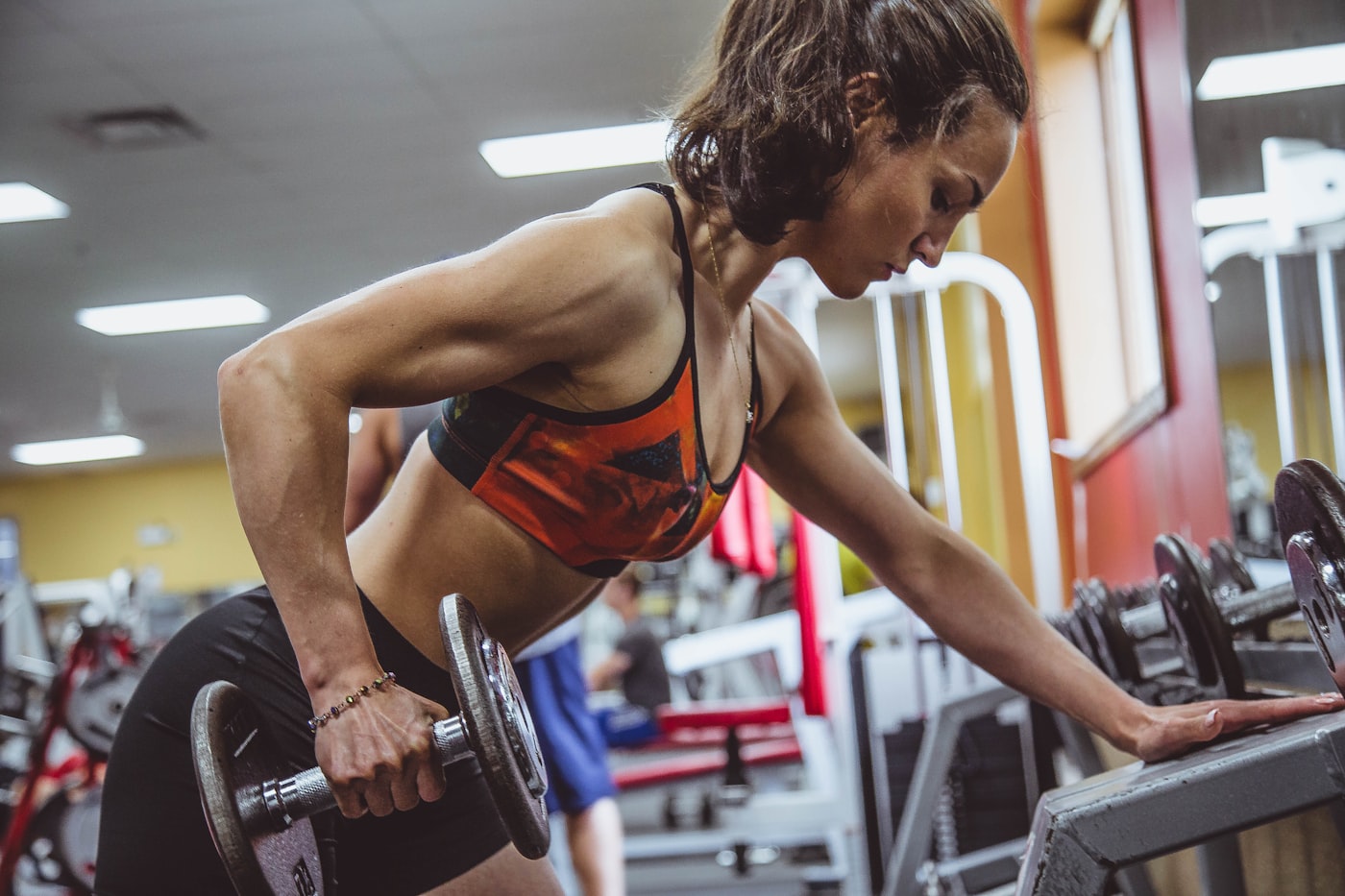
Let me be very direct: protein powder does not make women bulky. Muscle building requires a massive, sustained caloric surplus combined with very heavy resistance training over a long period of time. It doesn’t happen accidentally from adding protein to a smoothie. The women you see who are very muscular worked incredibly hard, for a very long time, specifically to get there. That doesn’t happen to you by drinking a vanilla protein shake after a Pilates class.
What protein actually does for women:
- Supports muscle maintenance (especially important after 30, when we naturally start losing muscle mass without adequate protein and resistance training)
- Improves satiety — protein keeps you fuller longer than carbs or fat, which helps with appetite regulation without any kind of restrictive dieting
- Supports recovery after workouts, reducing soreness and helping muscles repair
- Provides sustained energy — protein metabolizes slowly, avoiding the blood sugar spikes and crashes that come from carb-heavy meals
- Supports skin, hair, and nail health (collagen is a protein; keratin is a protein)
Most women are under-eating protein. Not dramatically — we’re not typically deficient to the point of health problems — but consistently below optimal levels, which means leaving a lot of energy, recovery, and body composition benefits on the table.
How Much Protein Do You Actually Need?
The recommended daily allowance (RDA) for protein is 0.36 grams per pound of body weight. For a 140-pound woman, that’s about 50 grams — which sounds reasonable until you realize the RDA is the minimum needed to prevent deficiency, not the optimal amount for an active person.
Most nutrition researchers who work with active populations suggest 0.7-1.0 grams per pound of body weight for women who exercise regularly. For that same 140-pound woman, that’s 100-140 grams per day — more than double the RDA. This is genuinely hard to hit from food alone without eating a lot of chicken and eggs all day. A protein shake filling 20-30 grams of that gap makes hitting the target much more realistic.
If you’re not sure what you’re currently getting, tracking for a few days in an app like Cronometer (free) is eye-opening. Most people are surprised by how low the number is.
What to Look for in a Protein Powder
Protein Source
Whey protein (derived from milk) has the best amino acid profile and absorbs quickly — great for post-workout recovery. Whey isolate is a more filtered version with less lactose, better for people who are sensitive to dairy. Casein is also milk-derived but absorbs slowly — good for a nighttime option. Plant-based proteins (pea, hemp, rice, soy) are the go-to for vegans and dairy-free folks, but are typically lower in leucine, which is the amino acid most important for muscle protein synthesis. Look for blended plant proteins that combine multiple sources.
Protein Per Serving
You want at least 20-25 grams of protein per serving. Anything less and you’re better off just eating a Greek yogurt. Some powders load up on other ingredients (fiber, vitamins, superfoods) and end up with only 15g protein per scoop — not worth it for the price.
Ingredient Quality
Check the sweetener. Stevia, monk fruit, and erythritol are generally well-tolerated. Sucralose (Splenda) and aspartame bother some people’s digestion and have mixed research. Artificial colors and flavors add nothing. If the ingredient list reads like a chemistry textbook, that’s a sign to keep looking.
Third-Party Testing
The supplement industry is not heavily regulated. Third-party testing — by organizations like NSF, Informed Sport, or USP — means an independent lab has verified that what’s on the label is actually in the product, and that there’s no contamination with heavy metals or banned substances. For everyday use this matters less, but it’s a mark of quality worth looking for.
The Protein Powders I Use and Recommend
I’ve tried a lot of protein powders over the past few years, and I’ve narrowed it down to a short list. These are the ones that passed my two most important criteria: they taste good enough that I actually drink them (not just force them down), and they don’t make me feel gross afterward.
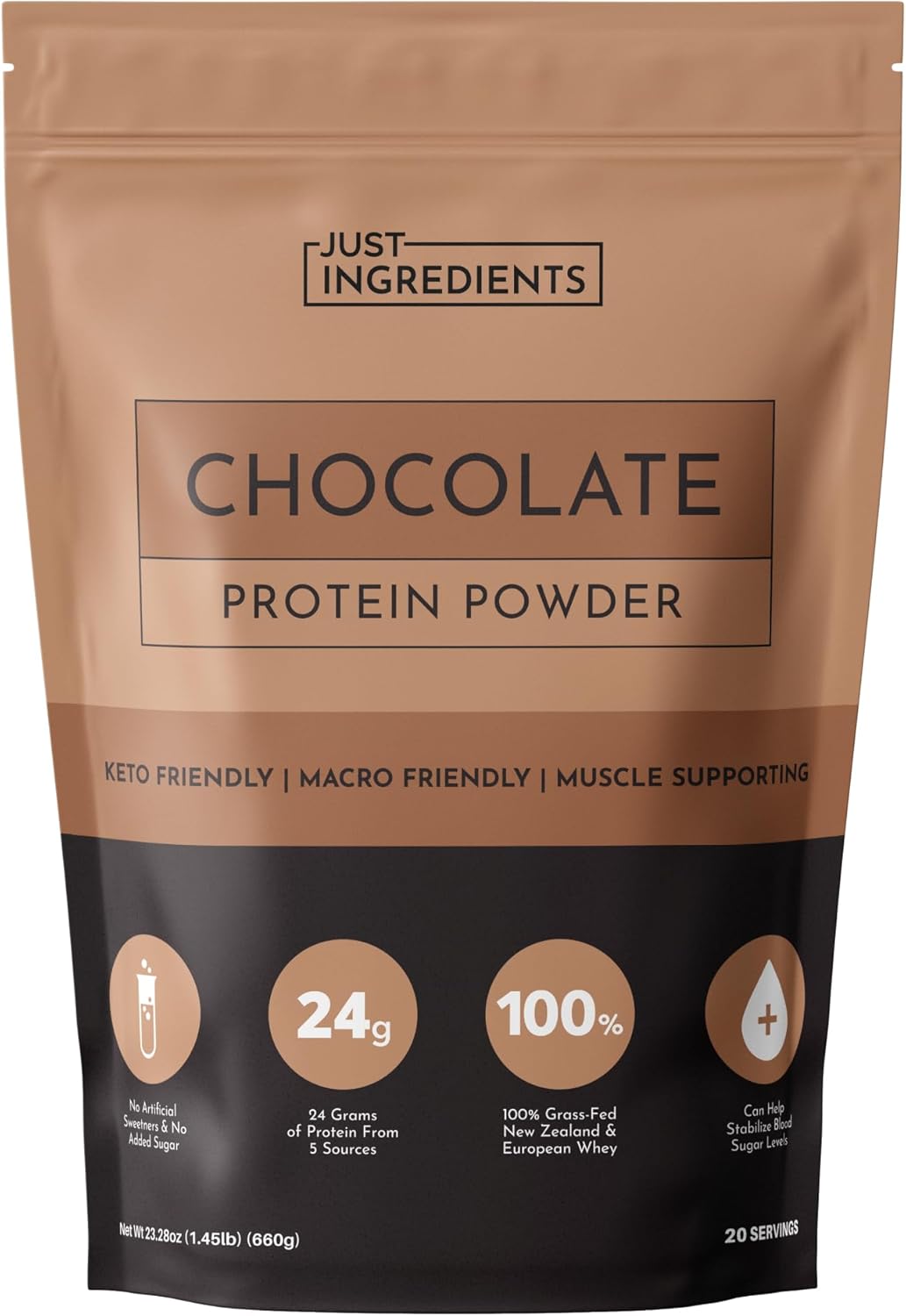
JUST INGREDIENTS Chocolate Protein Powder — 100% Grass-Fed Whey
A genuinely clean chocolate protein powder made with grass-fed whey and minimal ingredients you can actually pronounce. No artificial flavors or sweeteners. One of the best-tasting clean options I’ve found.
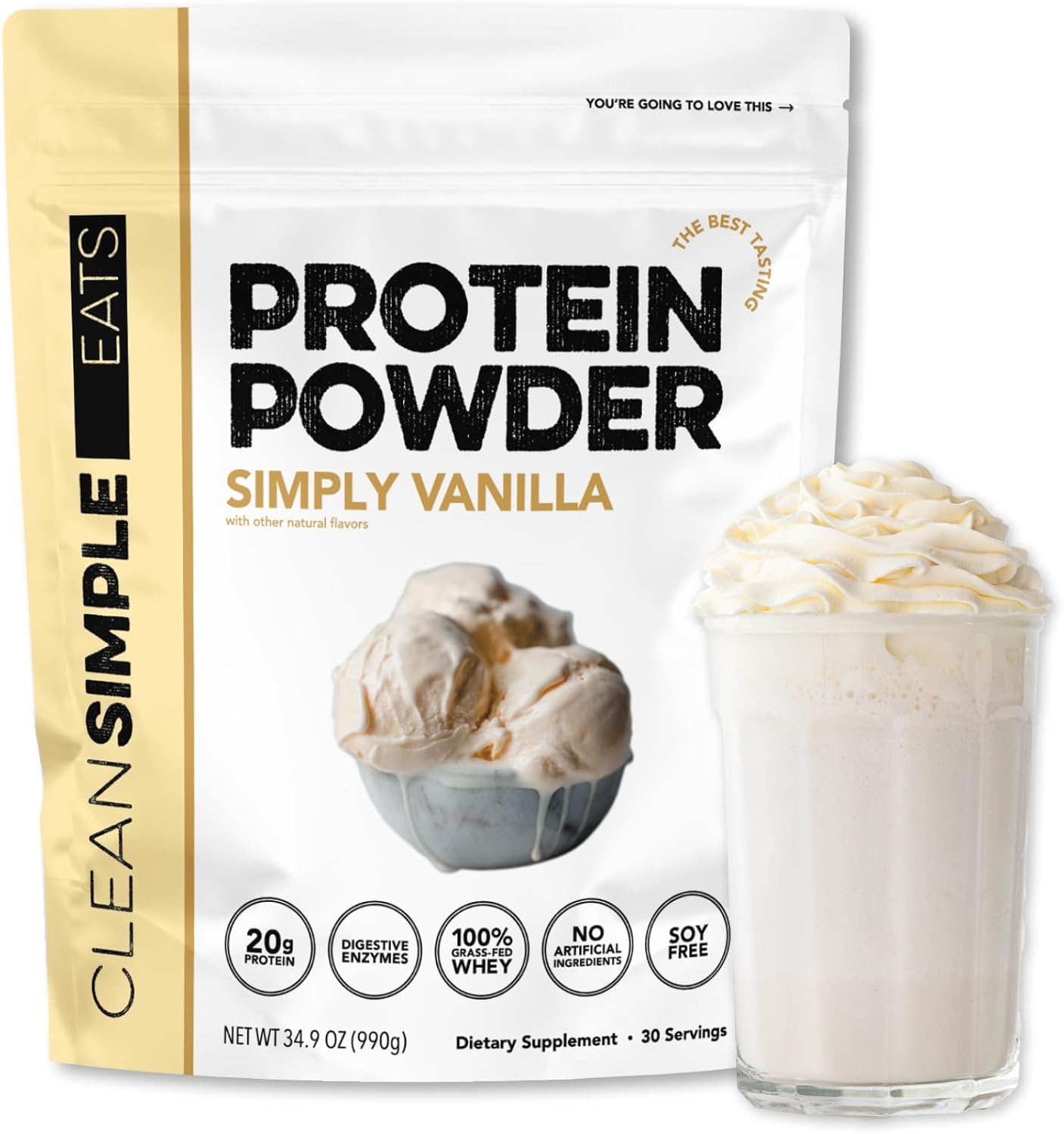
Clean Simple Eats Whey Protein — Simply Vanilla, Naturally Sweetened
Naturally sweetened with stevia, no artificial anything. The vanilla flavor is legitimately good — tastes like a vanilla milkshake rather than a supplement. Mixes well in smoothies, oatmeal, or just water.
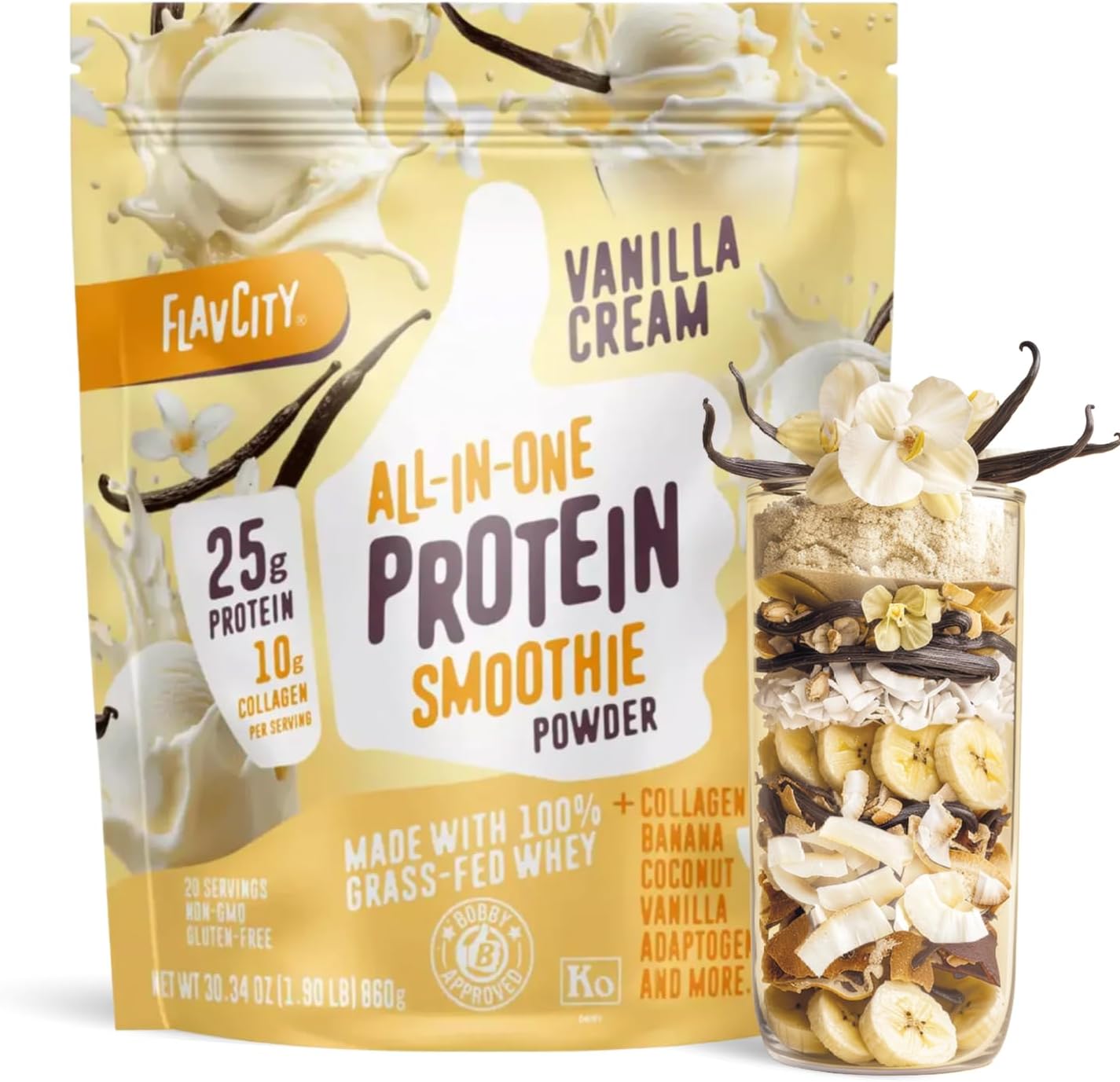
FlavCity Vanilla All-in-One Protein Shake Powder
A complete meal-alternative protein powder with added vitamins, minerals, and fiber — great for mornings when you want a full nutritious breakfast in shake form. Smooth vanilla flavor, no chalky aftertaste.
How I Actually Use Protein Powder Every Day
Let me break down exactly how protein powder fits into my daily routine, because I think knowing the practical application matters as much as knowing what to buy.
The Morning Smoothie
My most common use. I throw together: frozen banana, handful of spinach (you don’t taste it, I promise), almond milk, one scoop of vanilla or chocolate protein powder, a tablespoon of almond butter, and a handful of ice. Blends in 30 seconds, travels in a mason jar, and gets me 25-30 grams of protein before 9 a.m. without much effort.
Protein Oatmeal
Add a scoop of vanilla protein powder to your oatmeal while it’s cooking (or after, if using a neutral-flavored protein). Stir well. This turns a carb-heavy breakfast into a balanced meal and keeps you full for hours. The vanilla protein makes the oatmeal taste slightly like banana bread if you do it right.
Protein Coffee
Blend cold brew or chilled strong coffee with a scoop of chocolate or vanilla protein and some ice. Tastes like an iced mocha latte, but with 25 grams of protein and no trip to the coffee shop. Great for mornings when you’re running late and need breakfast and caffeine in one move.
Post-Workout Shake
The classic application. After a workout, your muscles are primed to absorb protein for repair and growth. A simple protein shake with water or milk within 30-60 minutes post-workout is the easiest way to capitalize on this window. I keep a shaker bottle in my gym bag specifically for this.
Common Protein Powder Questions I Get Asked
Will protein powder make me gain weight?
Protein powder itself doesn’t cause weight gain any more than eating chicken breast does. If you’re adding protein powder on top of an already-excessive caloric intake, that extra calories contributes to weight gain regardless of source. But protein powder used as a replacement for higher-calorie foods or as a way to hit protein goals without overeating total calories is neutral-to-helpful for weight management.
Is it okay to have protein powder every day?
Yes, for most people. It’s a food product, not a medication. Daily use is fine as long as you’re not relying on it to the exclusion of whole food protein sources. Think of it as a convenient supplement to a varied diet, not a replacement for eating real food.
What if I have dairy sensitivity?
Whey isolate has very low lactose content and is well-tolerated by many people who are mildly sensitive to lactose (different from a true dairy allergy). If you have a full dairy allergy or strong intolerance, a plant-based blend is your best bet. Pea protein + brown rice protein is the most complete plant-based combination.
Does the timing of protein intake really matter?
The “anabolic window” (the idea that you need to consume protein within 30 minutes of a workout or it doesn’t count) is largely overstated. What matters more is total daily protein intake distributed across meals, not precise timing. That said, having some protein within a couple of hours after a workout does support recovery — it just doesn’t need to be an immediate emergency.
Building Your Protein Intake Strategy
Here’s a simple approach for hitting your protein goals without overthinking it:
- Set a daily goal: body weight in pounds × 0.75-1.0 = daily grams of protein
- Aim to hit 20-30 grams at each major meal
- Use protein powder to fill the gap when meals fall short
- Track for a week to see where the gaps typically are, then address those specifically
For most women, this amounts to something like: eggs at breakfast, chicken or fish at lunch, another protein source at dinner, and one protein shake per day. Perfectly sustainable without any extreme dietary changes.
My Honest Take After Two Years of Using Protein Powder
I genuinely wish I’d started earlier. Not because I think it’s magic — it isn’t — but because the fatigue, the afternoon crashes, the slow recovery after workouts, and the constant low-level hunger I thought was just my life were all symptoms of under-eating protein. Addressing that, partly through protein powder, was one of the most impactful dietary changes I’ve made.
The right protein powder makes it easy and enjoyable to hit your goals. The ones I’ve recommended taste good enough that I look forward to using them, and they’re made with clean ingredients that I feel comfortable consuming daily.
If you’ve been avoiding protein powder because of the “bulking up” fear, I hope this helped dismantle that. Start with one tub, try it for a month, and pay attention to how you feel. I’d be surprised if you don’t notice a difference.
The Environmental and Sourcing Side of Protein Powder
This is something I didn’t think about at all when I first started using protein powder, but it’s become more important to me as I’ve learned more. The sourcing and production of protein powder has real environmental and ethical implications that vary widely by brand.
Grass-fed whey protein comes from cows that are pasture-raised rather than factory-farmed. Beyond the ethical dimension, there’s also some evidence that grass-fed dairy has a different fatty acid profile — higher in omega-3s and CLA — though the amounts in protein powder are small. Primarily, I prefer it because the production conditions are better for the animals and generally better for the land.
Plant-based proteins have a significantly lower environmental footprint than animal-based options, which matters if that’s important to you. The trade-off has traditionally been that plant proteins are less complete in terms of amino acid profile — but as formulations have improved and blending strategies (pea + rice, for example) have become standard, this gap has narrowed considerably.
The label “clean” in protein powder marketing is largely unregulated, so I focus on specific certifiers: USDA Organic, Non-GMO Project Verified, and third-party testing marks like NSF or Informed Sport carry actual meaning and require verification.
A Week of High-Protein Eating: What It Actually Looks Like
I want to demystify what eating 100+ grams of protein per day looks like in practice, because I think the number sounds daunting until you see it broken down.
- Breakfast: Protein smoothie with one scoop of protein powder (25g), Greek yogurt (15-17g), or eggs (two eggs = 12g). Running total: 12-25g.
- Lunch: A chicken or salmon salad, or a grain bowl with a substantial protein base. 25-35g per meal isn’t hard to hit with these options.
- Snack: Cottage cheese, hard-boiled eggs, or edamame. 10-20g depending on what you choose.
- Dinner: Fish, chicken, beef, or a well-constructed plant-based meal with tofu or legumes. 25-40g.
At the high end of each, that’s 120+ grams without heroic effort. Protein powder fills the gap on days where meals are lighter or less protein-focused — it’s the safety net, not the whole structure. That’s the framing that made the most sense to me when I finally started hitting my targets consistently.
Free Download
Get My Daily Supplement Stack Guide
Everything I take, why I take it, and what I noticed — morning, midday, and evening. Free when you join the list.
No spam, ever. Unsubscribe anytime.