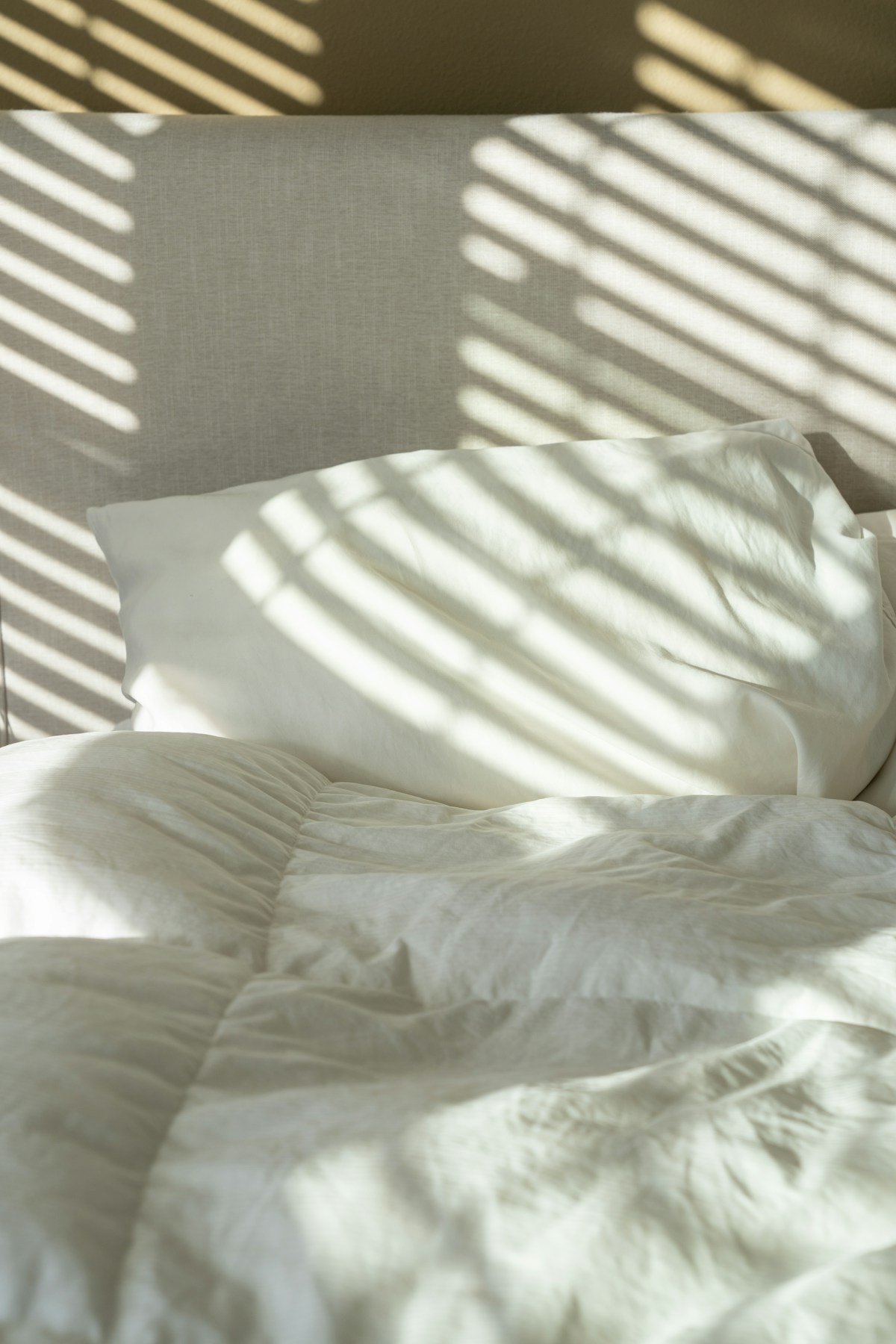
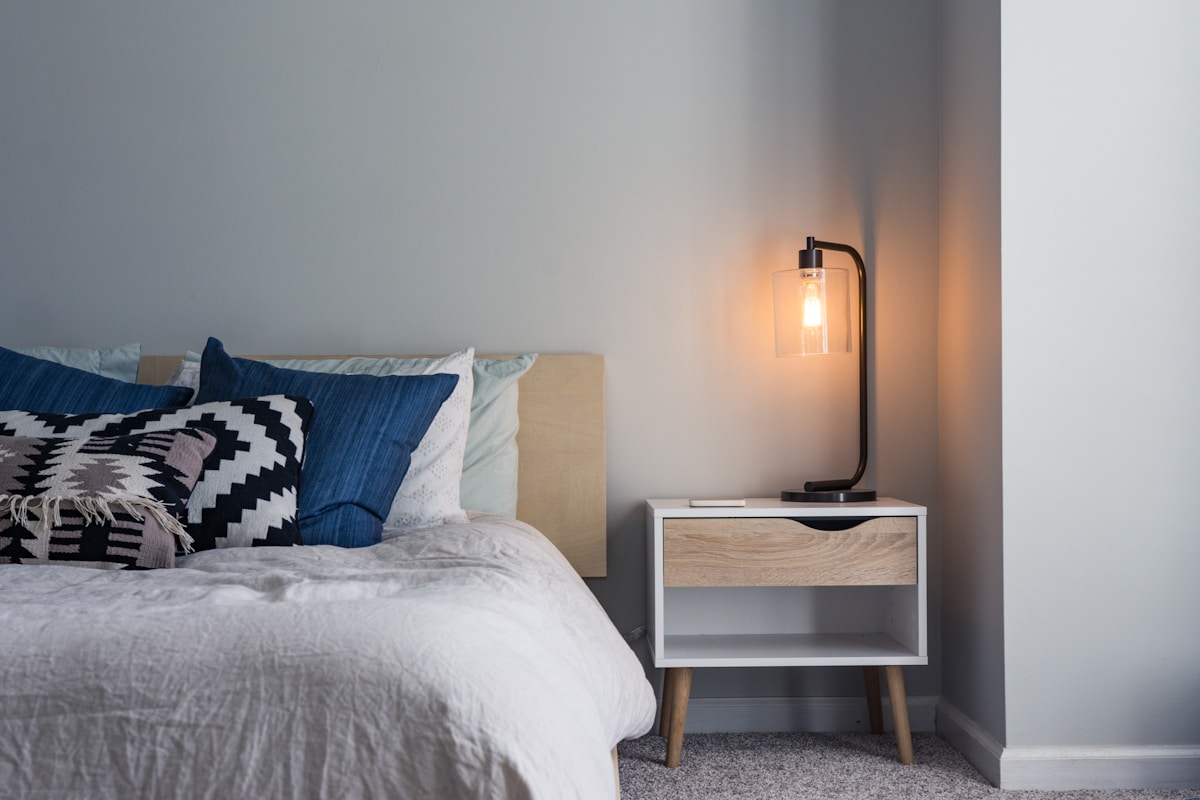

I avoided linen bedding for years. I heard “linen” and thought: stiff, scratchy, wrinkled, high-maintenance, and expensive. I was perfectly happy with my soft cotton sheets, thank you very much. And then my friend stayed at a small boutique hotel on a trip and came back absolutely raving about the linen sheets — she could not stop talking about how well she’d slept. I thought she was being dramatic. She sent me a link to a set. I caved.
That was 18 months ago, and I have not slept on anything other than linen since. I am now that person who cannot stop talking about linen sheets, and I’m fully owning it because they have genuinely changed the quality of my sleep in a way I did not see coming.
If you’re skeptical — like I was — I want to walk you through exactly what makes linen bedding different, what to expect when you switch, and how to find the right set for your needs and budget. By the end, you might just be a convert too.
What I Was Wrong About Linen
Let me address the myths I believed, because they’re the same ones that kept me from switching for years.
Myth #1: Linen is scratchy. Raw, untreated linen can be stiff. But stonewashed or pre-washed linen — which is what most quality bedding brands sell — is incredibly soft from the very first use. It has a texture that’s different from cotton’s smoothness, but it’s not rough. It’s more like that perfectly worn-in softness of a beloved old shirt, but from day one.
Myth #2: Linen wrinkles too much. Yes, linen wrinkles. And you know what? I genuinely don’t care anymore. The wrinkles give linen bedding a casual, effortlessly beautiful quality that looks intentionally styled. My bed looks like something out of a French countryside home. I make the bed every morning (something I never used to do), and even with visible wrinkles, it looks beautiful. If you absolutely cannot handle wrinkles, dampen the sheets slightly and give them a quick iron — takes five minutes.
Myth #3: Linen is too expensive. High-end linen is a real investment. But there are genuinely excellent linen sets at every price point, including very accessible options on Amazon that have thousands of rave reviews. I’ll share my recommendations below.
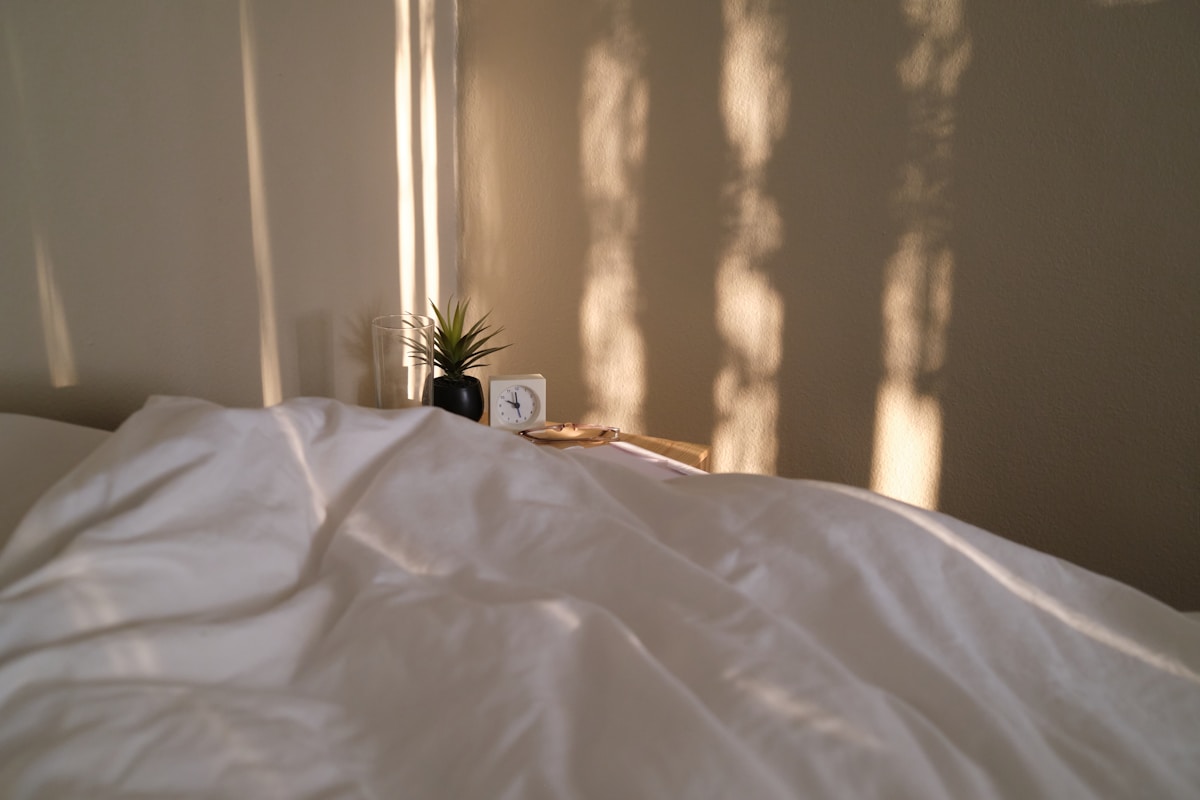
Why Linen Sleeps So Differently
Here’s the science behind why linen bedding actually changes how you sleep, not just how your bedroom looks.
Temperature regulation. Linen is a hollow fiber, which means it’s naturally breathable and moisture-wicking in a way that most synthetic fabrics and even standard cotton can’t match. Linen actively moves moisture away from your body, keeping your sleeping temperature stable throughout the night. If you’re someone who runs hot, wakes up damp, or constantly throws off the covers — linen is a revelation. I used to wake up warm almost every night. I barely notice my body temperature at night anymore.
Durability. Linen is the strongest natural fiber. While cotton sheets might pill, thin, or lose their feel after a few years, linen gets better with every wash. The fibers soften and develop character over time without breaking down. A quality linen set genuinely lasts a decade or more. Amortized over its lifespan, linen often costs less than replacing cheaper cotton sheets every few years.
Hypoallergenic properties. Linen is naturally resistant to bacteria and doesn’t hold allergens the way synthetic fabrics do. For anyone with sensitive skin, allergies, or eczema, linen is significantly gentler than most conventional bedding.
Better wash performance. Linen actually gets cleaner in the wash than many cotton blends because of its structure. It also dries faster, which reduces the chance of mildew or musty smells. I wash my linen sheets weekly and they’re consistently fresh and easy to care for.
What to Expect in the First Month
The biggest complaint I see from people who try linen and don’t stick with it is that the transition period surprised them. Here’s exactly what to expect so you don’t give up too soon.
Week 1: The sheets might feel different from what you’re used to — not bad, just different. There’s more texture, less of the slippery-smooth cotton feel. Some people love this immediately. Others need a few nights to adjust. The breathability will be noticeable right away.
Week 2–3: The sheets have been washed a couple of times now and are noticeably softer. The wrinkles will still be there but you’ll have stopped seeing them as a problem. The temperature regulation benefit becomes obvious — you start to realize you’ve been sleeping through the night without waking up warm.
Month 1 and beyond: You’re now in what I think of as the “converted” phase. The sheets feel completely natural, you notice how good your sleep has been, and you catch yourself evangelizing linen to everyone you know. This is where I’ve been for the past 18 months and I have zero intention of going back.
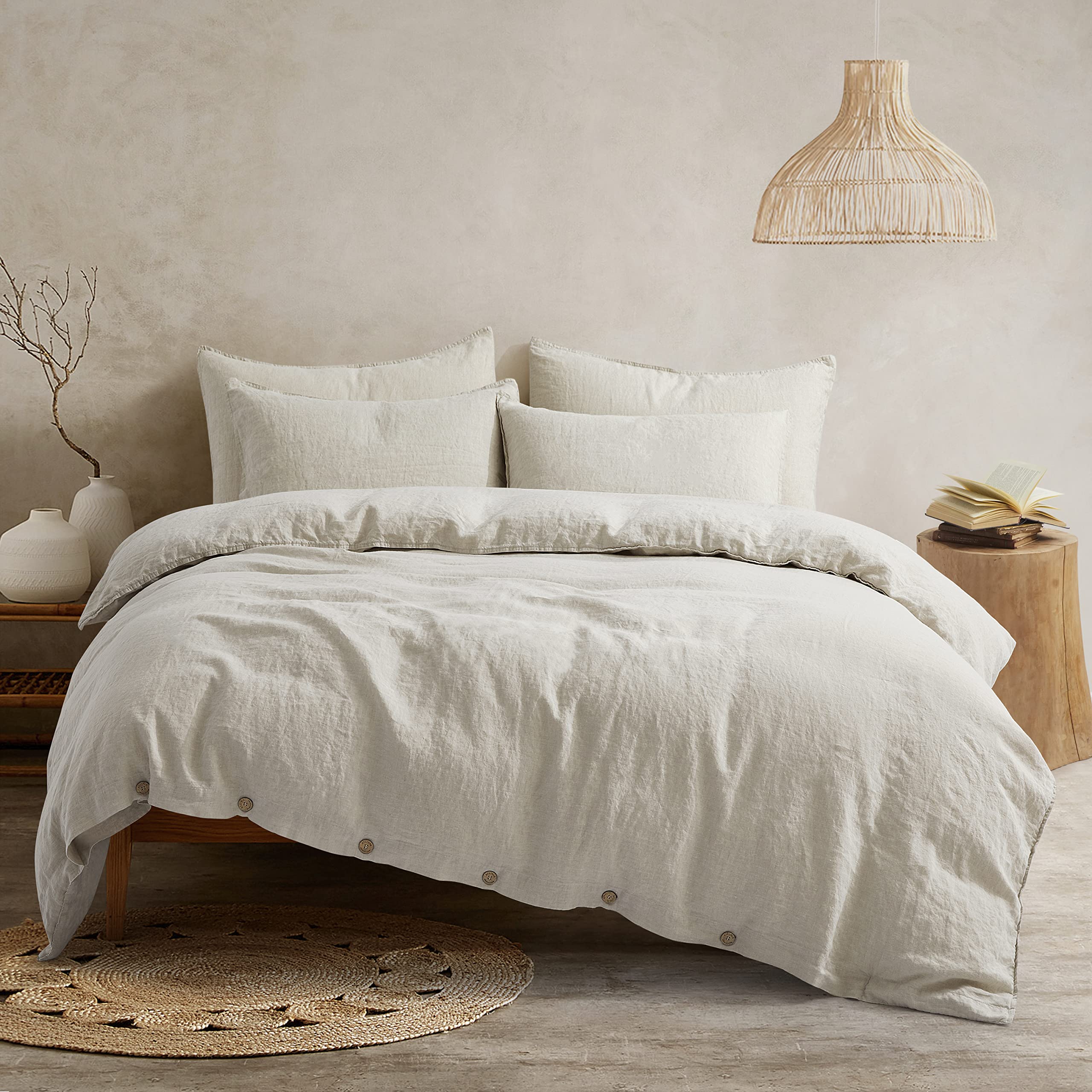
ATLINIA 100% Flax Linen Duvet Cover Set — Stone Washed French Linen
Pure flax linen stonewashed for that perfectly soft, lived-in texture from day one. This duvet set is breathable, naturally temperature-regulating, and gets more beautiful with every wash. A true investment piece.
How to Choose the Right Linen Bedding
Not all linen is created equal, and there are a few things worth understanding before you buy:
Look for 100% flax linen. Some products marketed as “linen” are actually linen-cotton blends. These are fine and more affordable, but they don’t have the same breathability and durability as pure flax linen. Read the materials listing carefully.
Stonewashed vs. raw linen. Stonewashed linen has been pre-softened during manufacturing — this is what you want for bedding. It’s softer from day one and has that beautiful, relaxed texture. Raw linen is stiffer and takes much longer to soften through washing.
Thread count doesn’t apply to linen. Thread count is a meaningful metric for cotton sheets, but linen is measured differently. For linen, focus on the quality of the fiber and the weight (measured in grams per square meter, or GSM). A GSM of 140–180 is standard for bedding — heavier is more durable and warmer, lighter is more breathable.
Color selection. Natural, undyed linen in its raw fiber colors (ivory, oatmeal, sand, natural) tends to be the most durable and least likely to fade. It also has the most timeless, elegant look. I’ve had great luck with white and ivory, though linen dyes beautifully in dusty blues, sage greens, and soft terracottas if you want color.

Care Guide: How to Wash Linen Properly
Linen is actually quite easy to care for once you know the basics:
- Wash on cold or warm — hot water can shrink linen; I use warm for whites and cold for colors
- Gentle or delicate cycle — linen is strong but the weave appreciates gentle handling
- Mild detergent only — avoid harsh detergents, bleach, or fabric softener (softener coats fibers and reduces breathability)
- Tumble dry low or line dry — linen dries very fast; if machine drying, take out slightly damp to reduce wrinkles
- Don’t over-dry — over-drying weakens linen fibers over time; slightly damp is perfect
I wash my linen sheets every 7–10 days and they’ve held up beautifully. If anything, they look and feel better now than when I first bought them — the stonewashing process just continues to develop with each wash.
The Best Linen Sets at Every Price Point
Let me share my actual recommendations. I’ve tried several sets at different price points, and these are the ones that have genuinely impressed me with their quality and value:

LBRO2M 100% Pure Linen Sheet Set Deep Pocket
Natural flax linen sheets that are soft, breathable, and completely free of harsh chemicals. These sheets get better with every wash and sleep much cooler than cotton — ideal for anyone who runs warm at night.
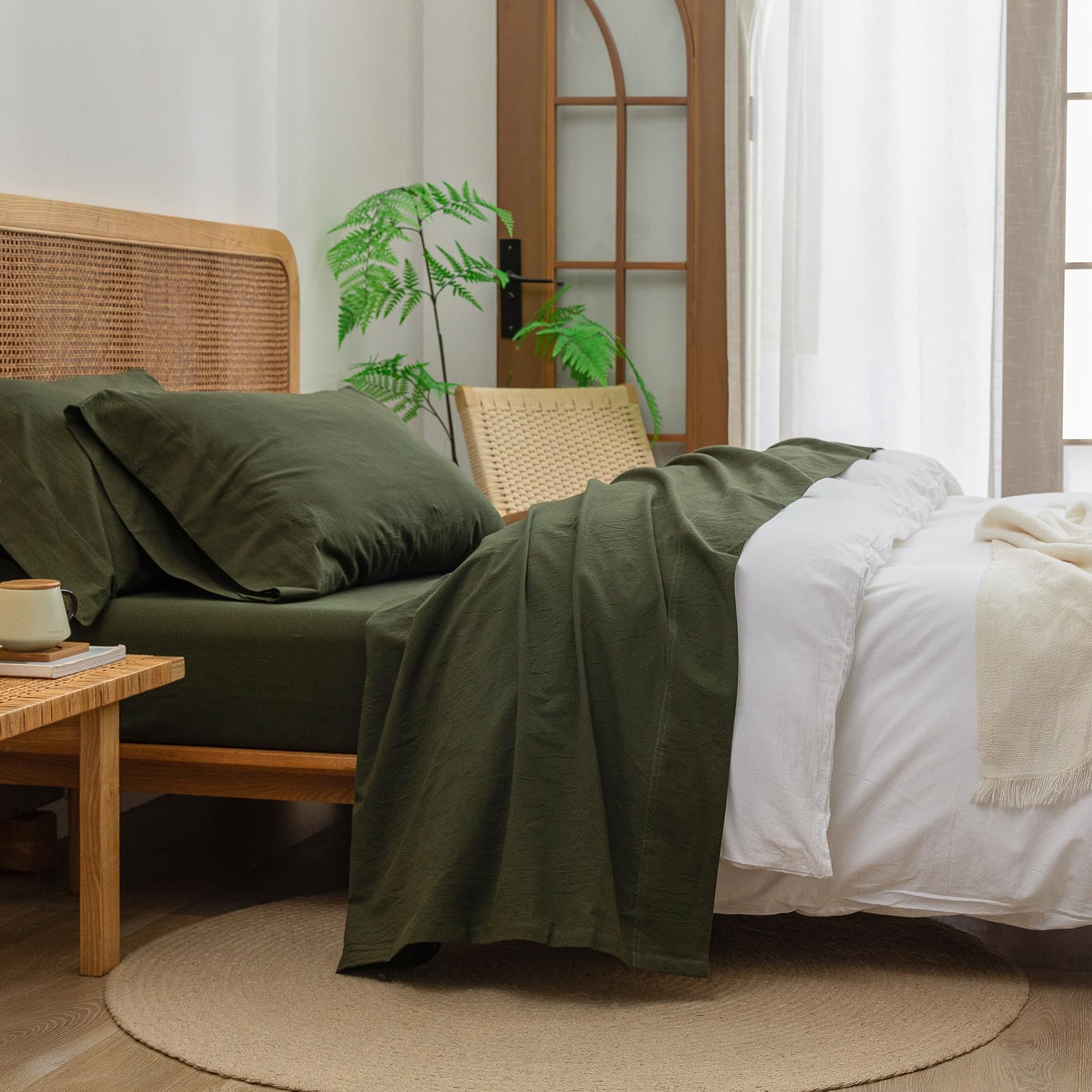
BESTOUCH Washed Cotton Linen Feel Sheet Set — Super Soft 4 Piece
If you love the look and feel of linen but want something a bit more affordable to start with, this cotton-linen blend is a great entry point. Soft from the first wash, breathable, and beautifully textured.
The Case for a Linen Investment
I want to make the case for why linen is worth investing in, even if your initial reaction is “that’s too expensive.”
A mid-range cotton sheet set might cost $60–$80 and last 2–3 years before it starts to pill, thin, or lose its feel. Over 10 years, you’re replacing it 3–4 times, spending $200–$320 total. A quality linen set might cost $120–$200 and last 10–15 years, getting better with each passing year. Over the same 10-year period, you spend less on your bedding and sleep better every single night. When you frame it that way, linen isn’t a luxury — it’s the practical choice.
And honestly, the quality of your sleep affects everything else about your health, your mood, your energy, and your productivity. The thing you sleep on eight hours a night deserves real consideration. Your bed is one of the most-used pieces of furniture in your home. It makes sense to make it as good as possible.
Final Thoughts: Just Try It
I was a skeptic. I resisted linen for years based on assumptions that turned out to be wrong. The moment I finally tried a quality stonewashed linen set, I understood what all the fuss was about.
If you’re on the fence, start with a set of linen pillowcases — they’re a lower-cost entry point and you’ll get an immediate sense of how linen feels on your skin. If you love it (and I think you will), graduate to the full sheet set. If you want to go all in, add the duvet cover and experience the full linen bedroom that I promise you will never want to leave.
Have you tried linen bedding? If you’re already a convert, I’d love to hear which brand you love and what made you switch. If you’re still thinking about it, feel free to ask me anything in the comments — I could talk about this forever, apparently.
How to Care for Linen Bedding
One of the most common concerns I hear from people considering the switch to linen is: “Isn’t it hard to take care of?” The answer is actually no — linen care is simple, and in many ways more forgiving than high-thread-count cotton. Here’s everything you need to know to keep your linen bedding looking and feeling its best for years to come.
Washing Linen the Right Way
Linen should be washed in cool or lukewarm water on a gentle cycle. Hot water can cause linen fibers to shrink and weaken over time. Use a mild detergent — nothing with harsh bleach or brightening agents, which can break down the natural linen fibers. If your sheets have a specific color, opt for a color-safe detergent. Most quality linen sets can handle machine washing without issue; just don’t overload the drum, as linen fabric needs room to move during the cycle.
Drying Linen Properly
This is where most people go wrong. Linen should be tumble dried on low heat or, ideally, line-dried outdoors. High heat is linen’s enemy — it accelerates fiber breakdown and can cause permanent shrinkage. Remove your linen from the dryer while it’s still slightly damp and spread or fold it immediately to prevent deep wrinkles from setting. If you’re line drying, avoid direct harsh sunlight for extended periods, which can fade colors. White linen, on the other hand, actually benefits from some sun exposure, which acts as a natural brightener.
Do You Need to Iron Linen?
This question always comes up, and my honest answer is: only if you want to. Linen’s natural texture includes gentle wrinkles and a relaxed drape that I personally love — it’s part of the aesthetic and character of the fabric. If you prefer a crisper look, iron your linen while it’s still slightly damp and use a medium-high steam setting. The steam relaxes the fibers beautifully. But if you’re someone who finds wrinkled linen charming (which is increasingly the design-forward opinion), you can skip ironing entirely and just smooth the sheets by hand when you make the bed.
Storing Linen Between Uses
Store your linen bedding in a cool, dry, well-ventilated place. Avoid plastic bags or airtight containers, which can trap moisture and lead to mildew. A breathable cotton bag, a linen drawer, or simply folded on an open shelf is ideal. Many people love storing linen inside one of its own pillowcases — it keeps the set together neatly and allows airflow. Over time, you’ll also notice that stored linen gets softer and more supple with each wash cycle, which is one of its most magical qualities.
Linen vs Cotton: Full Comparison
I get this question constantly: “Is linen actually better than cotton, or is it just a trend?” Let me break down the real differences so you can decide what’s right for you — because the honest answer is that it depends on what you value most in bedding.
Feel and Texture
Cotton: Smooth, soft from the start, and familiar. High-quality cotton (like long-staple Egyptian or Pima) is genuinely luxurious and has a silky feel that many people love. Percale cotton is crisp; sateen cotton is silky. Cotton tends to feel “finished” and refined.
Linen: Textured, relaxed, and gets better with every wash. Pre-washed or stonewashed linen is already soft, but it continues to improve over months and years. Linen has a casual, lived-in quality that feels more organic and less “hotel-perfect.” If you love a relaxed, European aesthetic, linen wins on feel for sure.
Temperature Regulation
Cotton: Good breathability, especially in percale weaves. However, cotton tends to retain heat more than linen and can feel warmer in humid conditions.
Linen: Significantly better temperature regulation. Linen’s hollow fiber structure allows exceptional airflow in both directions — it keeps you cool when it’s warm and provides a cozy layer in cooler months. If you sleep hot or live in a warm climate, linen is genuinely superior. This was the deciding factor for me.
Durability
Cotton: Good durability in high-quality versions, but most cotton bedding starts to pill, thin, and lose its feel after 2–3 years of regular use.
Linen: Exceptional durability. Linen fiber is 30% stronger than cotton and gets stronger when wet. Quality linen bedding routinely lasts 10–15 years. This is why so many people describe linen as an investment — because it genuinely outlasts cotton by a wide margin.
Price
Cotton: Lower upfront cost. A quality cotton sheet set typically runs $50–$120.
Linen: Higher upfront cost. A quality linen set typically runs $120–$250. However, when you factor in the lifespan difference (2–3 years for cotton vs 10–15 for linen), the cost-per-year calculation often favors linen significantly.
Maintenance
Cotton: Easy care, tolerates higher heat in the dryer, often wrinkle-resistant in sateen weaves.
Linen: Requires gentle washing and low-heat drying. Wrinkles naturally (some consider this a feature, not a bug). More care required, but nothing complicated or onerous.
The Verdict
If you prioritize silky smoothness, lower cost, and easy care, high-quality cotton is a perfectly good choice. If you prioritize temperature regulation, longevity, and a relaxed-luxury aesthetic, linen is genuinely worth every penny. My personal recommendation: try a linen pillowcase set first. It’s a low-commitment way to experience linen’s feel on your skin — and I suspect you’ll be ordering the full sheet set within a few weeks.
Free Download
Get My Daily Supplement Stack Guide
Everything I take, why I take it, and what I noticed — morning, midday, and evening. Free when you join the list.
No spam, ever. Unsubscribe anytime.