
For a long time, I didn’t think about cooking oil at all. I grabbed whatever vegetable oil was cheapest, used it for literally everything from high-heat sautéing to baking to salad dressings, and never gave it another thought. It was just a functional ingredient, invisible background noise in my cooking.
Then I started paying more attention to what I was eating and cooking with — reading labels, reading about nutrition, thinking about what I was actually putting in my body every day — and I fell down a rabbit hole on cooking oils that I was genuinely not prepared for. Turns out, not all oils are created equal, not by a long shot. The oil you choose affects the flavor of your food, the stability of the fat under heat, and your overall dietary fat intake in ways that compound over time.
I spent way too long cooking everything in generic vegetable oil without questioning it. Here’s what I actually use now, why I made these specific swaps, and which products I think are genuinely worth buying.
Why Cooking Oil Actually Matters More Than You Think
There are a few things I didn’t know before I got curious about this topic:
Smoke Point: The Most Overlooked Factor
Every oil has a smoke point — the temperature at which it begins to break down, produce visible smoke, and release harmful compounds including aldehydes and free radicals. When an oil hits its smoke point, it’s not just aesthetically unpleasant (though it is that too). The oil is actually chemically changing in ways that create compounds you don’t want in your food or body.
Different cooking methods reach very different temperatures. Gentle sautéing stays around 250-300°F. A hot stir-fry might reach 450°F. Using an oil with a low smoke point for high-heat cooking is both potentially harmful and terrible for the taste of your food — it adds bitterness and off-flavors. Using the right oil for the right heat level is genuinely important.
Fatty Acid Profile
Oils vary significantly in their ratio of saturated fat, monounsaturated fat (primarily oleic acid), and polyunsaturated fat (omega-3 and omega-6). Most Western diets are already heavily skewed toward omega-6 fatty acids, and highly processed vegetable oils like corn, soybean, and sunflower oil contain enormous amounts of omega-6. This isn’t necessarily dangerous in isolation, but when combined with a low omega-3 intake, it creates an imbalanced ratio that research has linked to increased inflammatory signaling.
Oils higher in monounsaturated fat — olive oil and avocado oil being the most common — are generally considered more favorable for cardiovascular health and are also more stable at cooking temperatures than polyunsaturated-heavy oils.
Processing Method
Cold-pressed or expeller-pressed oils are extracted mechanically, without heat, preserving more of their natural flavor compounds and micronutrients. Refined oils are processed with heat and sometimes chemical solvents, which increases shelf life and smoke point but strips out much of the natural flavor and some beneficial compounds. For oils used for finishing or in dressings, minimally processed is better. For high-heat cooking, a refined oil with a higher smoke point is more appropriate.

The Oil Breakdown: What I Use and When
Avocado Oil: My High-Heat Daily Driver
This is the oil I reach for most often, and it’s on my counter rather than in the cabinet because I use it that frequently. Avocado oil has one of the highest smoke points of any cooking oil — around 500°F for refined versions, and 375-400°F even for unrefined. That makes it stable and safe for searing, high-heat stir-frying, roasting, air frying, and any application where your pan or oven is running hot.
It’s also largely neutral in flavor, which makes it incredibly versatile. Unlike coconut oil (which adds a distinct tropical flavor to everything) or good extra virgin olive oil (which can turn bitter and lose its nuance when overheated), avocado oil just cooks food without announcing itself. The fat profile is excellent — about 70% monounsaturated oleic acid, similar to what makes olive oil celebrated.
Use for: High-heat sautéing, roasting, stir-frying, air frying, grilling, frying, and also works well in salad dressings when you want something neutral.
Extra Virgin Olive Oil: For Flavor, Finishing, and Medium-Heat
I love EVOO, but I use it strategically because it’s genuinely wasted when cooked at high heat. A good extra virgin olive oil has a beautiful, complex flavor — peppery, grassy, slightly fruity — that comes from its polyphenol content and free oleic acid. High heat destroys those compounds and turns them bitter.
So I reserve EVOO for the applications where its flavor can actually shine:
- Salad dressings and vinaigrettes — this is where it’s absolutely irreplaceable
- Drizzling over finished dishes: soups, roasted vegetables, grilled fish, hummus
- Low-to-medium heat sautéing of aromatics like garlic, onion, and herbs
- Dips, spreads, and anything where the oil flavor is a feature rather than background
Buy a good one. The difference between fresh, high-quality EVOO and the cheap stuff is enormous and immediately apparent.
Coconut Oil: Occasional Use for Specific Flavor Applications
I keep refined coconut oil around primarily for baking when I want a neutral solid fat (it subs well for butter in many recipes), and unrefined coconut oil for Thai, Indonesian, and South Asian recipes where the coconut flavor is genuinely welcome and appropriate. I don’t use it as a daily cooking oil because of its high saturated fat content, but it’s not the villain it was once made out to be either — just use it purposefully.
Toasted Sesame Oil: The Finishing Secret
Never cook with toasted sesame oil — it has a low smoke point and turns bitter almost immediately. But as a finishing drizzle on stir-fries, noodle dishes, grain bowls, and Asian-inspired salad dressings? Genuinely transformative. A half-teaspoon over a finished dish adds enormous depth. Buy a small bottle and keep it in the fridge after opening — it goes rancid faster than other oils.
My Recommended Cooking Oils
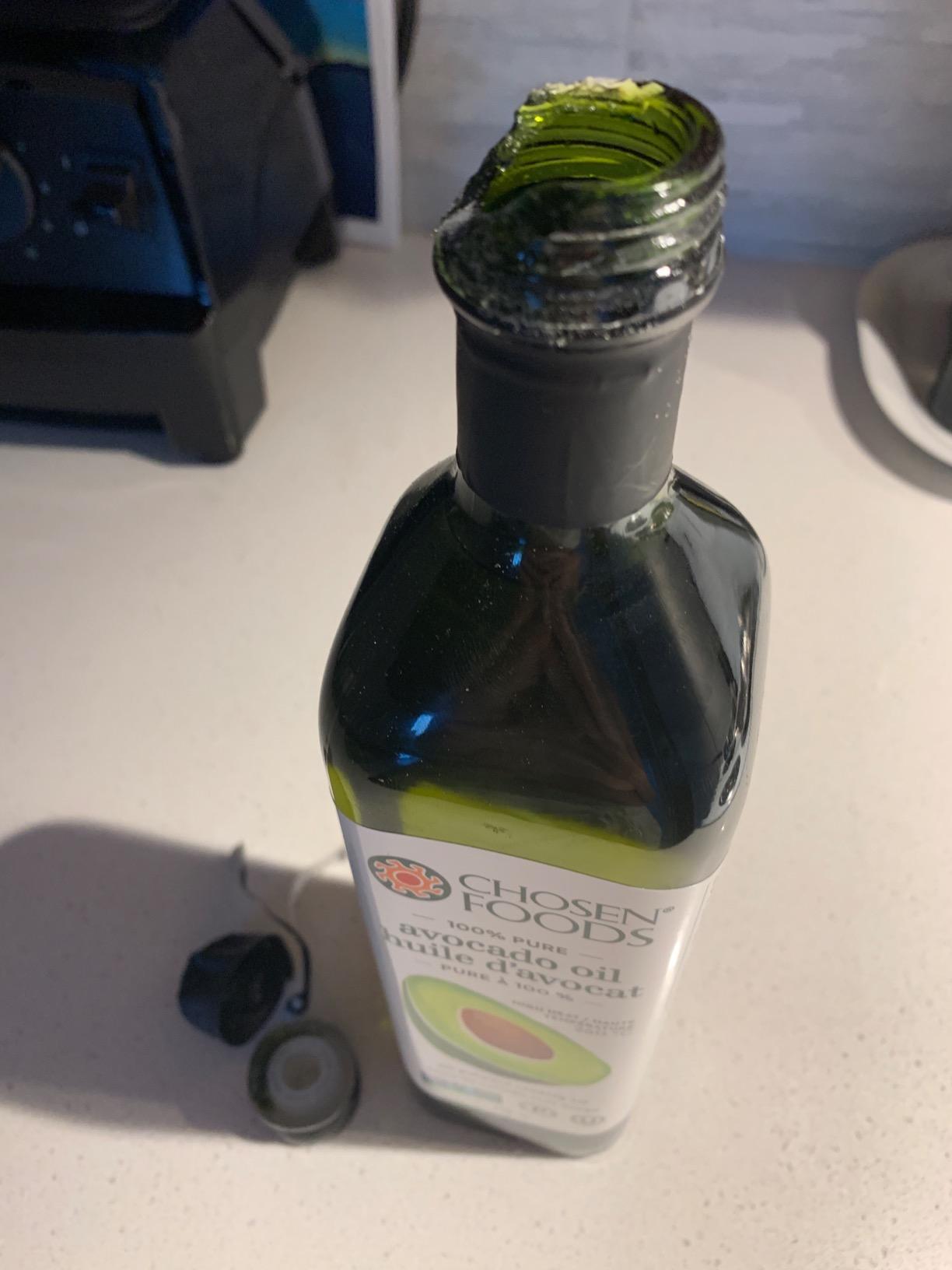
Chosen Foods 100% Pure Avocado Oil (1 Liter)
Chosen Foods is one of the most respected and tested avocado oil brands, and their 100% pure avocado oil is a genuine kitchen staple. Cold-pressed and non-GMO verified, with a clean, neutral flavor and a high smoke point that makes it ideal for any high-heat application. The 1-liter size is excellent value for daily use. One of the most versatile oils you can keep in your kitchen — use it for everything from searing chicken to making dressings.
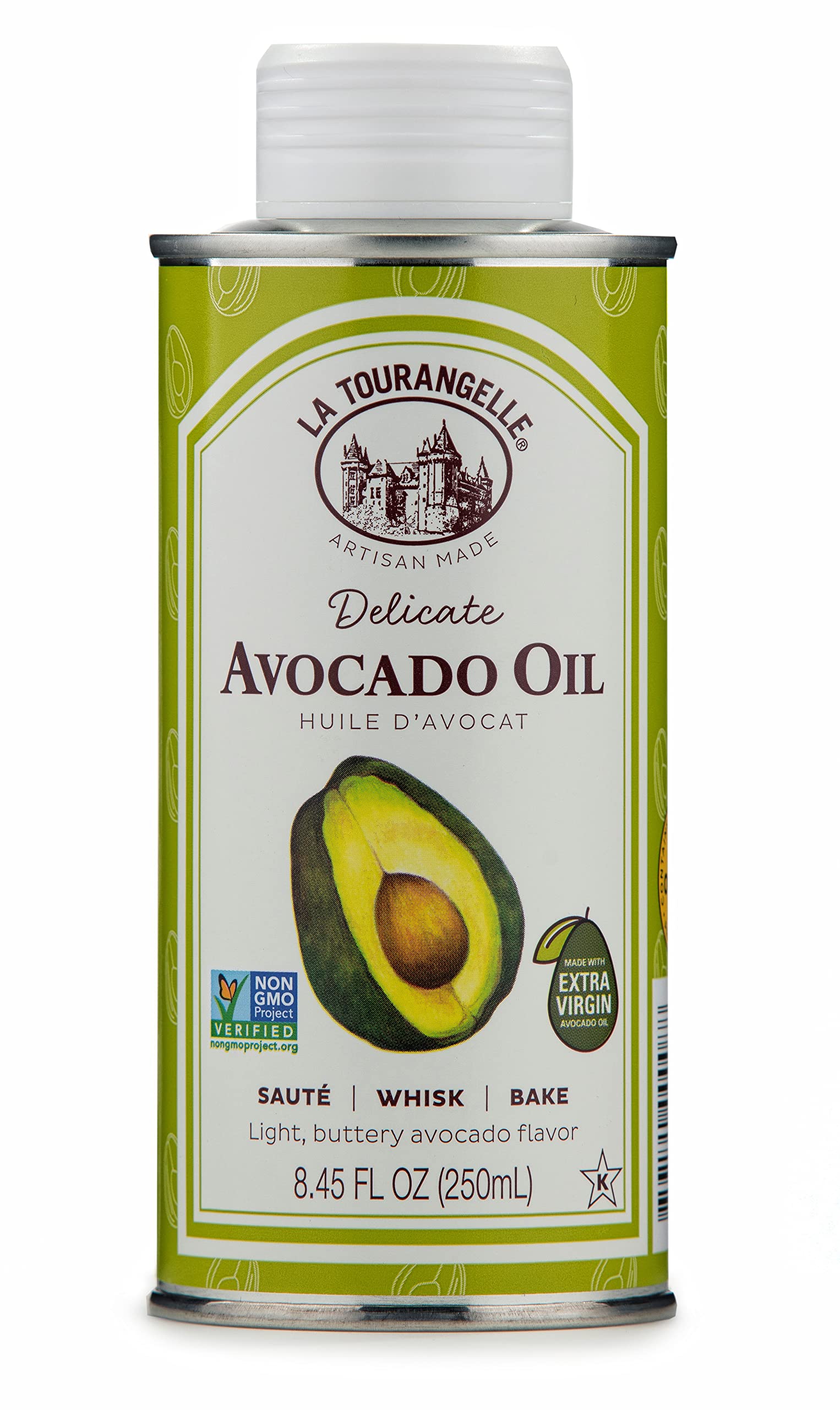
La Tourangelle Avocado Oil
La Tourangelle is a premium artisan oil producer based in California, and their avocado oil is noticeably high quality. It has a beautiful green-gold color and a slightly richer, more buttery flavor than most refined avocado oils — not quite neutral, but pleasantly mild and much more interesting to cook with. Sold in their distinctive recyclable tin, which also protects the oil from light degradation. Great for both cooking and as a dressing base.
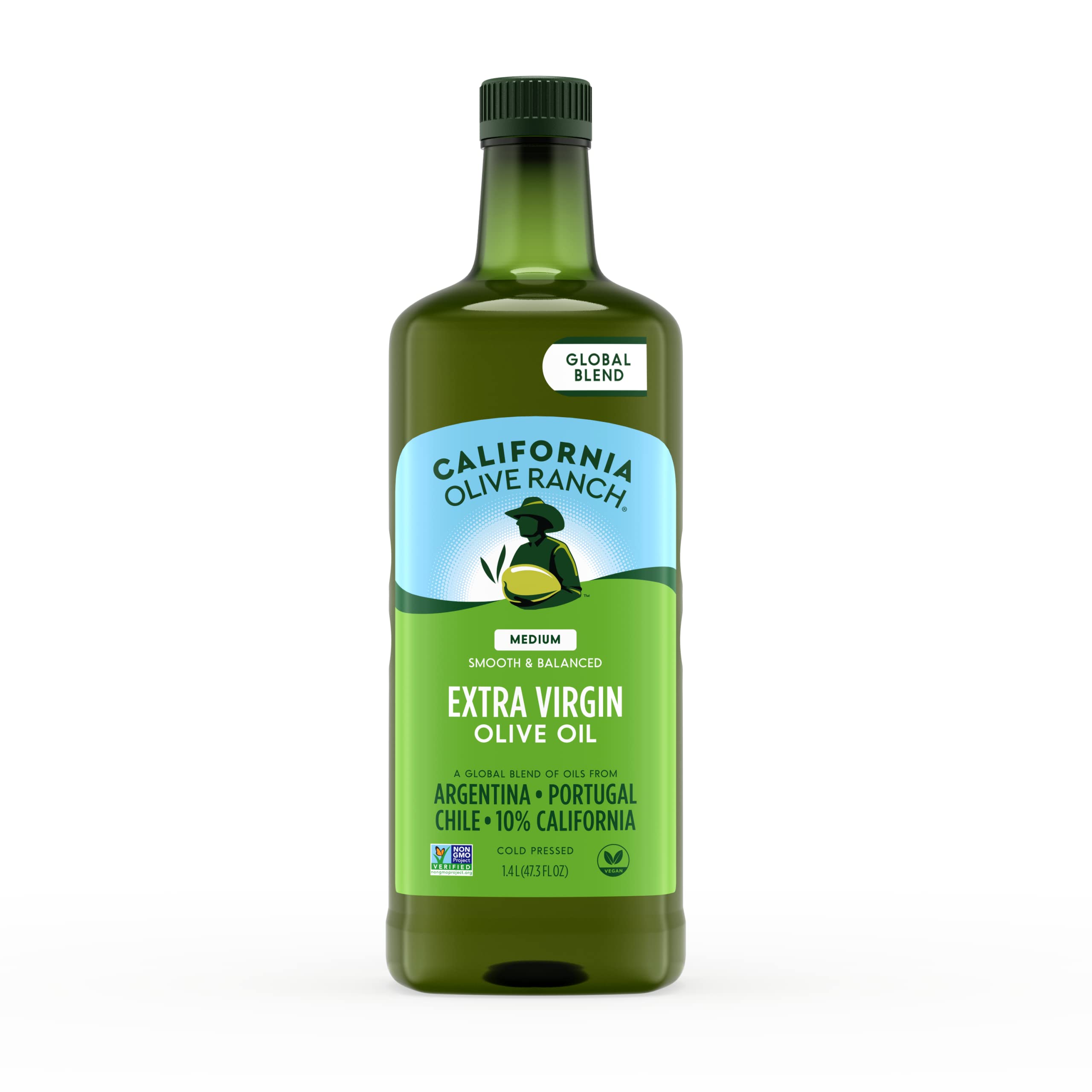
California Olive Ranch 100% California Extra Virgin Olive Oil
This is my go-to EVOO and has been for years. California Olive Ranch is one of the best values in the quality olive oil market — it’s actual fresh, well-tested extra virgin olive oil at a price point that makes everyday use financially sensible. The flavor is clean, peppery, and unmistakably fresh olive oil (not the flat, rancid flavor of cheap grocery store olive oil sitting in a clear bottle). Look for the harvest date on the bottle — fresher is always better with EVOO.
Oils I’ve Largely Moved Away From
This isn’t about fear or eliminating entire food groups — it’s about making more intentional choices:
- Generic vegetable oil and canola oil: High in omega-6 polyunsaturated fats, typically chemically extracted, and completely flavorless. I use avocado oil in every situation where I’d have previously reached for vegetable oil. Same function, significantly better fat profile.
- “Light” olive oil: A marketing category that confuses many people. “Light” refers to light in flavor and color — it’s refined olive oil, not lower in calories. It doesn’t have the flavor benefits of EVOO and doesn’t have the high smoke point of avocado oil. I’m not sure what role it fills that another oil doesn’t fill better.
- Margarine and partially hydrogenated oils: I don’t keep these in my kitchen. When I want a solid fat for baking or cooking, I use butter or coconut oil. Real fats, used in appropriate amounts, are preferable to heavily processed manufactured fats.
How to Store Your Oils Properly
Oil quality degrades through three main pathways: heat, light, and oxidation. Here’s how I store mine to extend shelf life and maintain quality:
- Store oils in a cool, dark cabinet — not on the counter next to the stove where they’re exposed to heat and light every time you cook
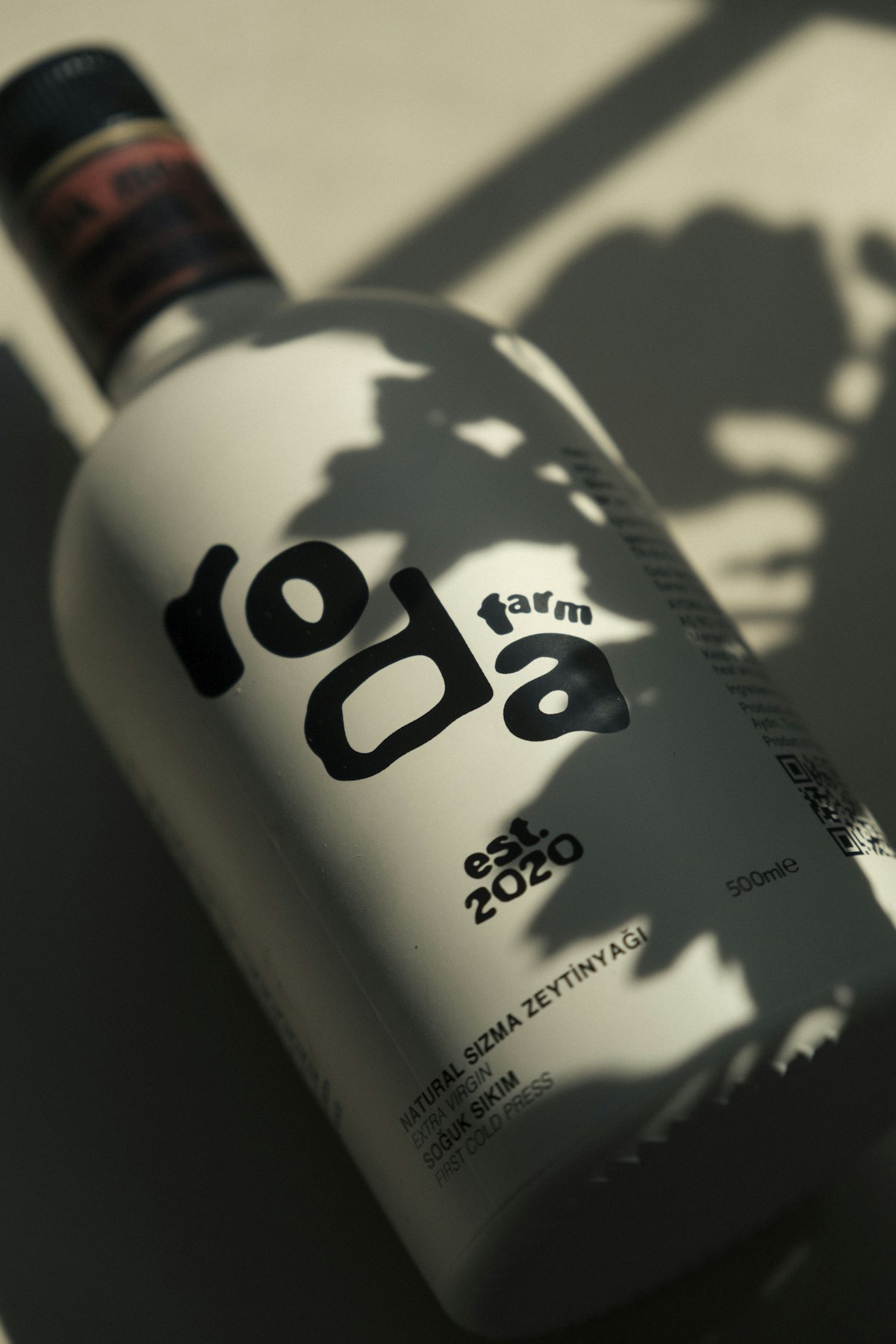
- Keep extra virgin olive oil in a dark glass bottle or opaque container, away from direct light
- Buy sizes you’ll actually use within 6-12 months of opening — the savings from a huge jug disappear if the oil goes rancid before you finish it
- If an oil smells musty, bitter, or like crayons, it’s rancid — discard it. Rancid oil tastes terrible and contains oxidized compounds you don’t want to consume
- Oils with lower smoke points and more polyunsaturated fat (flaxseed oil, hemp oil, walnut oil) go rancid much faster and should be refrigerated after opening
Frequently Asked Questions About Cooking Oils
Can I use olive oil for frying?
Regular olive oil (not extra virgin) has a higher smoke point than EVOO — around 420°F — and can work for shallow frying. But for serious high-heat cooking, I’d reach for avocado oil, which has a significantly higher smoke point and behaves more predictably. Save good EVOO for applications where the flavor shines and the temperature stays moderate.
Is coconut oil healthy?
This is one of the genuinely contested questions in nutrition, and I’d encourage healthy skepticism toward both the enthusiasts and the alarmists. Coconut oil is about 90% saturated fat, which was once considered universally bad for cardiovascular health. More recent research suggests the picture is more nuanced — particularly the medium-chain triglycerides (MCTs) in coconut oil, which appear to metabolize differently. Current consensus: moderate use is fine for most healthy adults, particularly in cooking contexts where the flavor is appropriate. Don’t use it as your primary cooking oil simply for its perceived health benefits.
What’s the healthiest cooking oil overall?
If I had to pick one oil for all-around kitchen use, I’d choose high-quality extra virgin olive oil — backed by decades of strong research (the Mediterranean diet literature is extensive and consistent). For high-heat cooking specifically, avocado oil is my pick because of its favorable fat profile combined with its stability at high temperatures. Using these two together covers essentially every cooking need at home.
How do I know if olive oil is actually good quality?
Several indicators: look for a harvest date (good EVOO has one; cheap oil often doesn’t), buy from reputable brands that have been tested and certified, store in dark glass rather than clear plastic, and taste it. Real extra virgin olive oil has a peppery, slightly bitter finish from its polyphenols — that catch at the back of your throat is a sign of freshness and quality, not a flaw. If your olive oil is completely neutral and flat, it’s probably refined or past its prime.
Is there a difference between avocado oil for cooking and avocado oil for skin?
Yes — cosmetic-grade avocado oil is processed differently than food-grade and isn’t intended for consumption. Always buy avocado oil that’s specifically labeled for culinary use. The food-grade versions are what’s linked to the health benefits and what you should be cooking with.
Making more intentional choices about cooking oils is genuinely one of the easiest small upgrades you can make to how you eat. You’re using oil in almost every meal you cook — the oils you choose become part of your daily fat intake without most people thinking twice about it. Swapping your daily sauté oil for avocado oil and keeping a quality EVOO for dressings and finishing is a low-effort, high-impact change that improves both the taste of your food and the quality of your diet.
Free Download
Get My Daily Supplement Stack Guide
Everything I take, why I take it, and what I noticed — morning, midday, and evening. Free when you join the list.
No spam, ever. Unsubscribe anytime.