
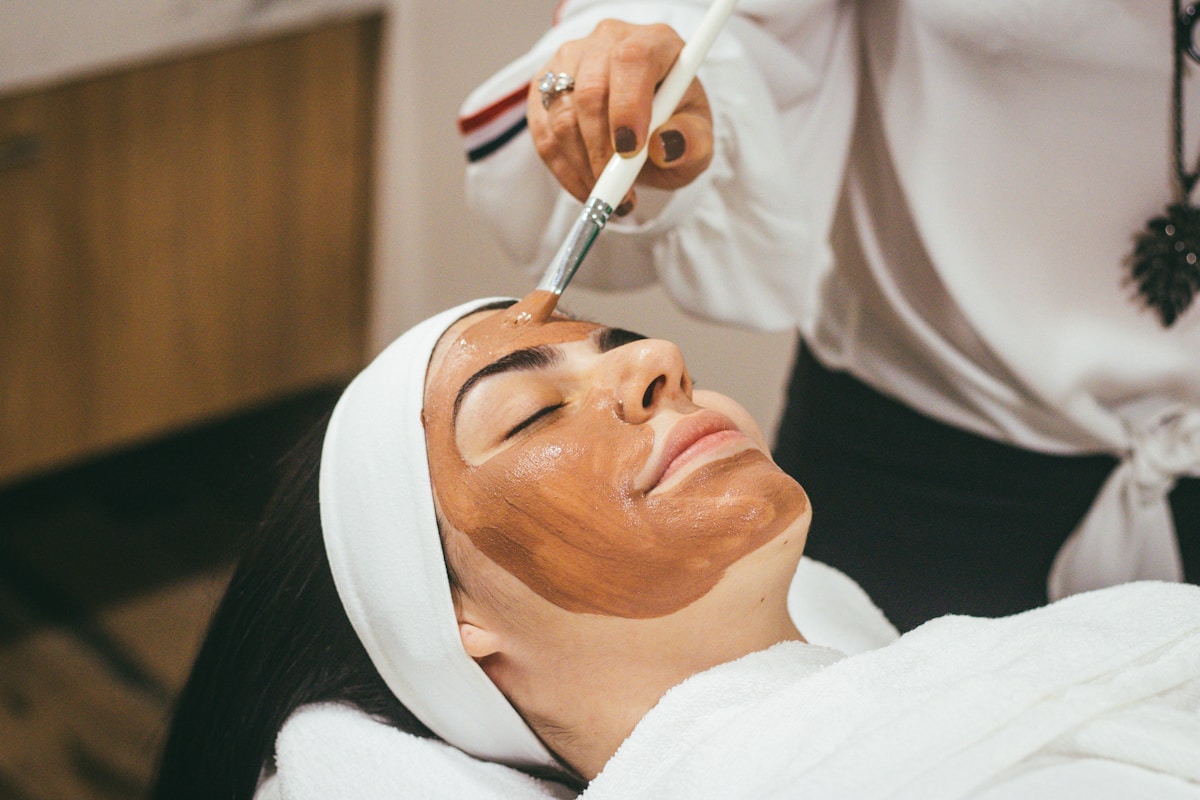

It crept up on me slowly — the way it always does. Somewhere around 32, I started noticing that my skin wasn’t bouncing back the way it used to. The fine lines I’d always been able to ignore were becoming harder to ignore. My hair, which had always been thick and full, seemed to be thinning at my temples. My nails had gone from strong to brittle practically overnight. I didn’t know what was happening, but I did know I wasn’t ready to just accept it as “aging.” That’s when I started researching collagen — and honestly, it changed everything. I started adding a collagen peptide powder to my morning coffee, and within a few months, the difference was noticeable enough that people started commenting on my skin. If you’ve been wondering whether collagen is actually worth the hype, let me break it down for you.
This post contains affiliate links. If you purchase through my links, I may earn a small commission at no extra cost to you. 🤍
What Is Collagen and Why Does It Matter?
Collagen is the most abundant protein in the human body — it makes up about 30% of our total protein content. Think of it as the structural scaffold that holds everything together: your skin, hair, nails, joints, bones, tendons, and gut lining all depend on collagen to maintain their integrity and function.
There are at least 28 types of collagen, but the most relevant for our wellness goals are:
- Type I: The most abundant — makes up skin, tendons, ligaments, and bones. This is what gives skin its firmness and elasticity.
- Type II: Found primarily in cartilage. Important for joint health and flexibility.
- Type III: Often found alongside Type I. Important for skin elasticity, muscle structure, and blood vessels.
Here’s the frustrating part: your body’s collagen production peaks in your mid-20s and then declines by about 1% per year after that. By your 30s, you’re already feeling the effects. By your 40s and beyond, the changes become more visible. Supplementing with collagen peptides gives your body the building blocks it needs to support ongoing collagen synthesis — essentially slowing and, in some areas, partially reversing the visible signs of this decline.
Benefit #1 – Firmer, More Elastic Skin
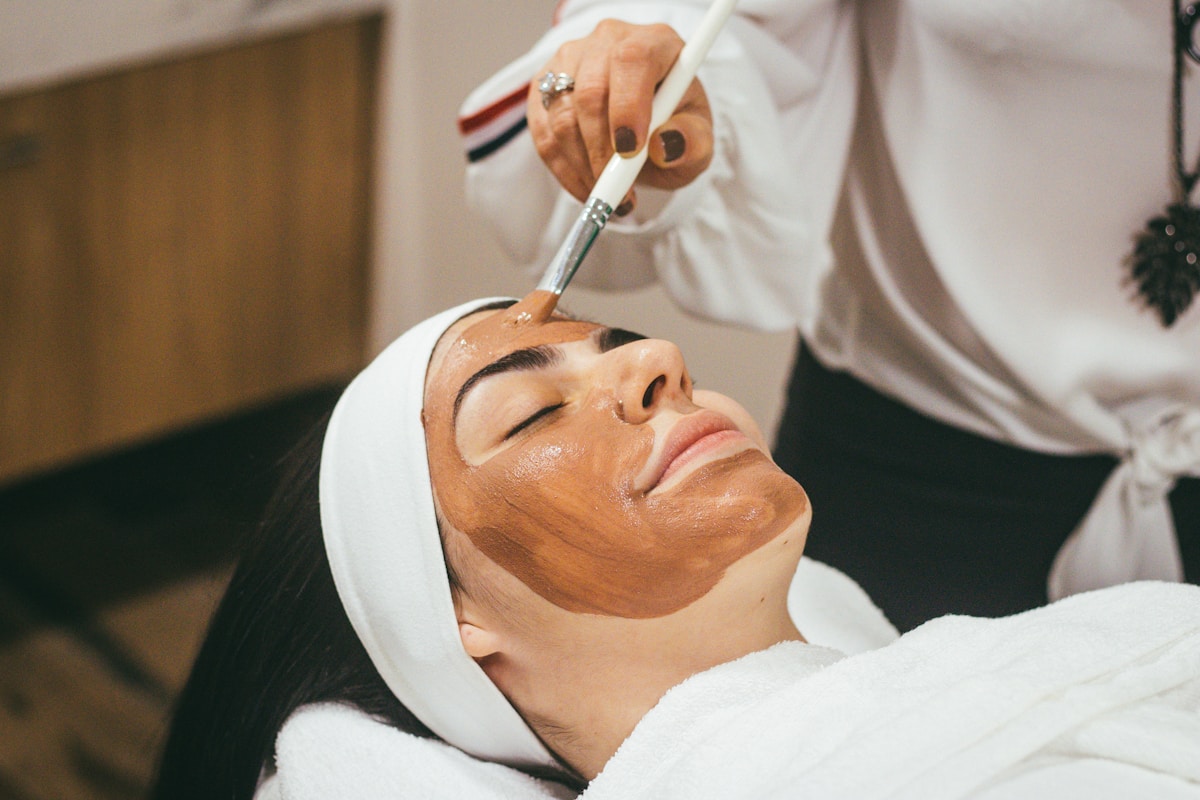
This is the benefit that most women come for — and the research genuinely backs it up. Multiple clinical studies have shown that collagen peptide supplementation significantly improves skin elasticity, hydration, and firmness in women. One landmark study found that women who took collagen peptides daily for 8 weeks saw a 20% reduction in eye wrinkle depth compared to a placebo group.
Collagen works by stimulating your skin’s fibroblasts (the cells responsible for producing collagen) and by providing the amino acids (primarily glycine, proline, and hydroxyproline) needed to build new collagen fibers. Over time, this translates to visibly firmer, more plump, and more youthful-looking skin.
The key is consistency — you won’t see results in a week, but give it 6–12 weeks of daily supplementation and most women notice a real difference.

Sports Research Collagen Peptides
~$32
One of the most popular collagen powders — unflavored, dissolves easily in coffee or smoothies
Benefit #2 – Reduced Fine Lines and Wrinkles
Wrinkles form when the collagen and elastin in your skin break down and are no longer being replaced at the same rate. Supplementing with collagen peptides helps address this at the source by stimulating your skin’s own collagen production rather than just filling in lines topically.
Research published in the Journal of Cosmetic Dermatology found that women who took hydrolyzed collagen supplements had significantly fewer fine lines and wrinkles after 12 weeks. The improvements were most noticeable around the eyes, mouth, and forehead — the areas that typically show aging first.
Pairing collagen supplementation with vitamin C is particularly effective since vitamin C is a cofactor in collagen synthesis. Think collagen peptide powder in your morning smoothie alongside a vitamin C supplement or a glass of OJ.
Benefit #3 – Stronger, Faster-Growing Hair
Hair thinning is one of the most emotionally distressing signs of aging for many women — and it’s one of the benefits of collagen supplementation that I personally noticed most dramatically. Collagen provides the amino acids that make up keratin (the protein your hair is built from), and it also supports the structure of the dermis surrounding the hair follicle.
As we age and collagen production declines, the dermis weakens, hair follicles shrink, and hair can become finer and fall out more easily. Studies have shown that collagen supplementation helps strengthen the dermal layer and can slow hair thinning, support thicker strands, and in some women, actually accelerate hair growth.
It’s not an overnight fix, but if hair loss or thinning is something you’ve been dealing with, adding collagen to your daily routine is one of the more evidence-backed nutritional strategies available.
Benefit #4 – Healthier Nails That Don’t Break
Brittle nails that crack, peel, and break before they can grow are often a sign of declining collagen and protein levels. Collagen provides structural proteins that support nail plate integrity and the nail bed itself.
A clinical study published in the Journal of Cosmetic Dermatology found that women who took collagen peptides daily for 24 weeks saw a 12% increase in nail growth rate and a 42% reduction in the frequency of broken nails. Nearly 90% of participants reported overall improvement in nail appearance by the end of the study.
If you’ve given up on ever having long, healthy nails, this one might be worth trying. The same dose that supports your skin will support your nails — it’s one of the nicest “side effects” of consistent supplementation.
Benefit #5 – Supports Joint Health and Reduces Pain
Joint pain and stiffness are among the most common complaints as women get older — and collagen has some of the strongest research behind it for joint health of any natural supplement. Cartilage is made largely of Type II collagen, and as our natural collagen production declines, cartilage can break down, leading to the joint pain and inflammation associated with osteoarthritis.
Supplementing with collagen provides the amino acids needed to support cartilage synthesis and has been shown to reduce joint pain, improve flexibility, and decrease inflammation in multiple clinical studies. One study of athletes found that collagen supplementation significantly reduced joint pain during exercise compared to a placebo group.
If you’ve been noticing creaky knees, achy hips, or general stiffness — especially in the morning — collagen might make a real difference in your day-to-day comfort.

Vital Proteins Collagen Peptides
~$30
A fan favorite for a reason — clean ingredients and it actually blends smooth
Benefit #6 – Gut Health Support
This is one of the lesser-known but genuinely fascinating benefits of collagen. The lining of your gut is largely made up of collagen, and maintaining the integrity of this lining is critical for preventing what’s commonly called “leaky gut” — where the gut barrier becomes compromised and allows undigested food particles and toxins to enter the bloodstream.
Glycine and proline (the primary amino acids in collagen) play a key role in maintaining and repairing the gut mucosal lining. Collagen has been shown to help soothe intestinal inflammation, support the integrity of the gut barrier, and improve symptoms in people with conditions like IBS and leaky gut syndrome.
If you’ve been dealing with digestive issues, food sensitivities, or just general gut discomfort, adding collagen to your routine can be a surprisingly helpful piece of the healing puzzle.
Benefit #7 – Supports Bone Density
Most people think of calcium when they think about bone health, but collagen is actually the structural framework that calcium and other minerals attach to. Collagen makes up about 90% of the organic matrix of bone — without it, bones become more brittle and fracture-prone, even with adequate calcium intake.
Studies have found that postmenopausal women who supplemented with collagen peptides alongside calcium and vitamin D had significantly higher bone mineral density compared to those who only took calcium and D. Collagen essentially gives the minerals something to anchor to, creating stronger, more resilient bones.
For women in their 30s and beyond, proactive bone support is genuinely important — osteoporosis affects 1 in 3 women over 50, and the foundations of bone density are built (or lost) in the decades before that.
Benefit #8 – Muscle Mass Maintenance
Muscle mass naturally declines with age through a process called sarcopenia — and this decline typically accelerates after 30. Collagen is a major component of muscle tissue (making up about 1–10% of muscle mass), and supplementing can help support the maintenance and repair of muscle fibers.
Research has shown that collagen supplementation combined with resistance training leads to greater gains in muscle mass and strength compared to resistance training alone. The amino acids in collagen — particularly glycine — play a key role in the synthesis of creatine, which is essential for muscle energy metabolism.
If you’re lifting weights or doing any resistance training and not already taking collagen, it’s a natural pairing that can amplify your results without any complicated supplementation protocol.
Benefit #9 – Better Sleep
Collagen is rich in glycine, and glycine is one of the most well-researched amino acids for sleep improvement. Studies have found that glycine taken before bed significantly improves sleep quality, reduces the time it takes to fall asleep, and decreases daytime sleepiness — all without causing grogginess the next morning.
Glycine works by lowering core body temperature (a key trigger for sleep onset) and by inhibiting the neurotransmitters that keep you awake. If you’re already taking collagen powder for skin and joint benefits, you’re getting this sleep-supporting glycine as a bonus.
For an extra sleep boost, try stirring your collagen powder into a warm drink (like chamomile tea or warm milk) in the evening instead of your morning coffee.
Benefit #10 – It’s One of the Easiest Supplements to Add to Your Routine
One of my favorite things about collagen peptide powder is how incredibly easy it is to use. Unlike pills you have to remember to take, collagen dissolves seamlessly into hot or cold liquids without any taste or texture change. I stir it into my morning coffee and I genuinely cannot tell it’s there.
You can add it to: coffee, tea, smoothies, oatmeal, soups, sauces — basically anything liquid. There’s no chalky texture, no weird aftertaste, no blending required. For a supplement you’re committing to taking every day for months, ease of use is genuinely important. The best supplement is the one you’ll actually take consistently.

Live Conscious Collagen Peptides
~$25
Great value and quality — this one’s easy to add to your morning routine
How Long Does Collagen Take to Work?
This is the question I get asked most often, and the honest answer is: it depends on what you’re hoping to see.
- Gut symptoms: Some women notice improvement within 2–4 weeks
- Joint pain: Typically 4–8 weeks of consistent supplementation
- Nails: 6–8 weeks to notice stronger, less breakage-prone nails
- Skin: 8–12 weeks for visible improvements in texture and firmness
- Hair: 3–6 months for meaningful changes in thickness and growth
The key word throughout is consistent. Collagen peptides need to be taken daily for the benefits to accumulate. Taking it a few times a week won’t give you the results that daily supplementation will. Treat it like a non-negotiable part of your morning routine and give it a full 3 months before making any judgments about whether it’s working.
How to Take Collagen for Best Results
A few evidence-backed tips to maximize your results:
- Pair with vitamin C: Vitamin C is an essential cofactor in collagen synthesis. Taking your collagen alongside a vitamin C-rich food or supplement can significantly enhance how effectively your body uses it.
- Timing: For skin and joint benefits, timing doesn’t matter much — consistency does. For sleep benefits (glycine), taking it in the evening may be advantageous.
- Dose: Most research uses 10–15 grams per day. Check the serving size on your powder and aim for this range.
- Post-workout: Taking collagen 30–60 minutes before exercise may specifically support joint and tendon health, as blood flow to connective tissue is increased during activity.
- On an empty stomach vs. with food: Either works. Some research suggests taking it before exercise on an empty stomach for joint benefits, but for general use, take it whenever fits your routine.
Collagen Powder vs Capsules vs Gummies — Which Is Best?
All three can work, but there are real tradeoffs to consider:
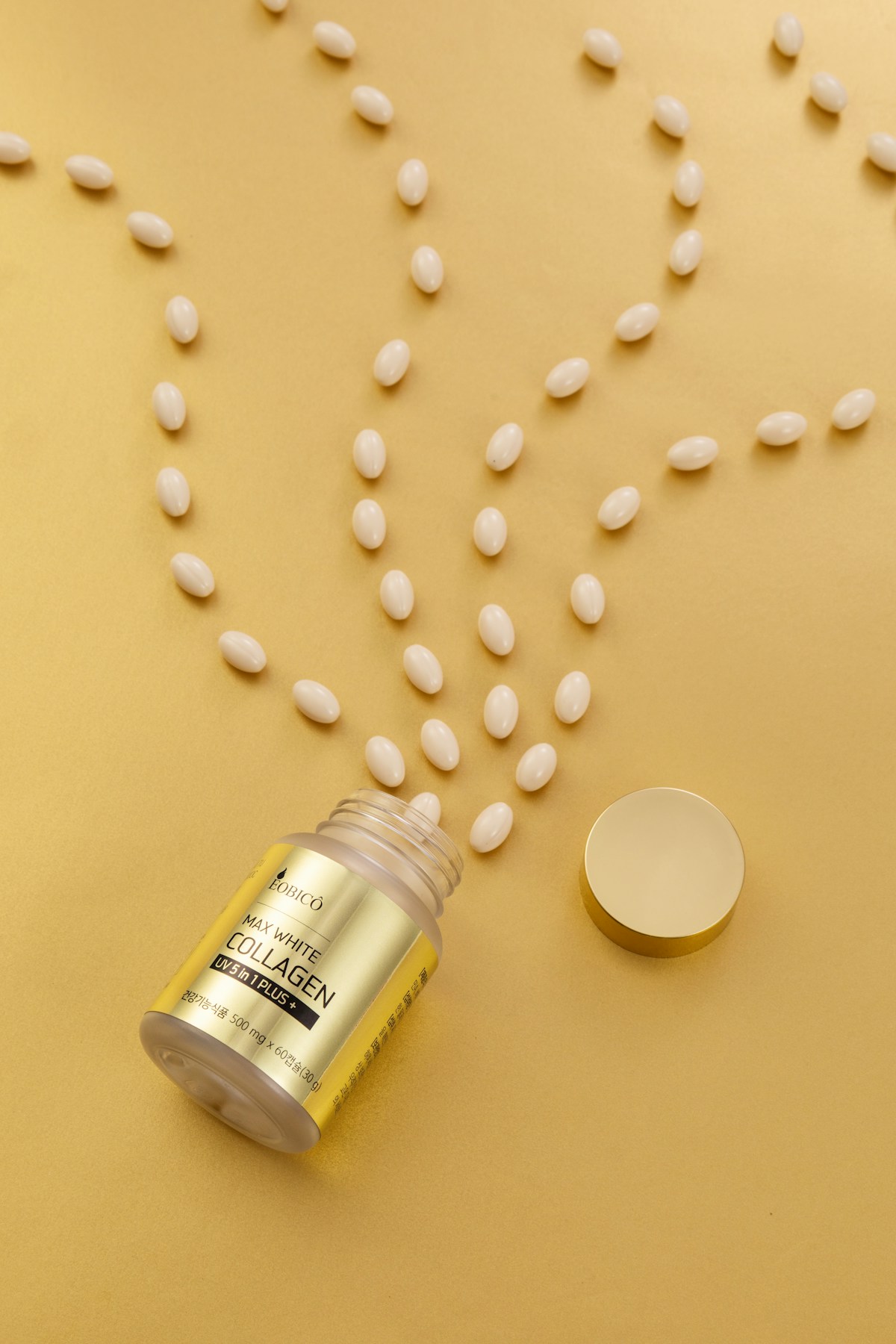
- Collagen powder: The most versatile and typically the most cost-effective per gram. Unflavored varieties are truly tasteless and blend into anything. Allows you to easily take a therapeutic dose (10–15g) in one serving. This is what most research is based on, and it’s what I personally use and recommend.
- Collagen capsules: More convenient for travel, but you’d need to take 10–15 capsules to match a single scoop of powder. Fine for those who truly hate powders, but the math can get expensive.
- Collagen gummies: The most fun, but often contain significantly less collagen per serving (usually 2.5–5g), are loaded with added sugar, and tend to be the most expensive per gram of actual collagen. Better than nothing, but powder wins on value and efficacy.
Bottom line: Go with powder if you can. The unflavored options disappear completely in your morning drink, and you’ll get a proper therapeutic dose every day without thinking about it.
Frequently Asked Questions
Is it safe to take collagen every day?
Yes — collagen peptides are considered very safe for daily, long-term use. They’re derived from natural food sources (typically bovine hide or marine sources) and are simply protein. Side effects are rare, though some people with sensitive stomachs notice mild digestive discomfort when they first start. This usually resolves within a week or two. As with any supplement, check with your doctor if you’re pregnant, nursing, or have any existing health conditions.
What’s the best collagen for skin?
For skin specifically, look for a supplement that contains Type I and Type III collagen peptides (bovine-sourced collagen typically provides both). Make sure it’s hydrolyzed collagen peptides — this means the collagen has been broken down into smaller chains that are more readily absorbed and used by the body. Marine collagen is also excellent for skin and is slightly more bioavailable, though typically more expensive.
Can collagen really reverse aging?
The honest answer is: it can meaningfully reduce some of the visible signs of aging, but “reverse” is a strong word. Clinical research does show real, measurable improvements in skin elasticity, wrinkle depth, and hydration. Your skin will likely look more firm and youthful with consistent supplementation. But collagen won’t turn back the clock entirely — it’s a powerful supportive tool, not a magic potion. Think of it as giving your body what it needs to age more gracefully.
Do you need vitamin C with collagen?
You don’t need to take them at the same moment, but ensuring adequate vitamin C intake is genuinely important for getting the most out of collagen supplementation. Vitamin C is a cofactor in the hydroxylation of proline and lysine — key steps in collagen synthesis. Without enough vitamin C, your body can’t properly build new collagen. Ideally, get vitamin C from whole foods (citrus, peppers, kiwi, strawberries) or a quality supplement taken daily alongside your collagen.
What foods are high in collagen?
The best natural sources of collagen include bone broth (one of the richest sources — especially when made from simmering bones for many hours), chicken skin, fish skin and scales, pork skin, and gelatin-rich foods. Foods that support collagen production also matter: citrus fruits and berries (vitamin C), eggs (proline), garlic (sulfur), and leafy greens (various antioxidants that protect existing collagen) are all excellent additions to a collagen-supportive diet.
This post contains affiliate links. If you purchase through my links, I may earn a small commission at no extra cost to you. 🤍
Free Download
Get My Daily Supplement Stack Guide
Everything I take, why I take it, and what I noticed — morning, midday, and evening. Free when you join the list.
No spam, ever. Unsubscribe anytime.