


Two years ago, I was the kind of person who woke up at 3am almost every night, stared at the ceiling, and mentally rehearsed every awkward thing I’d ever said in my entire life. I’d lie there for an hour or two, exhausted but unable to fall back asleep, and then drag myself out of bed in the morning feeling like I’d been hit by a bus. Sound familiar?
I tried all the standard advice. Cut back on caffeine after noon. Put my phone away an hour before bed. Read a boring book. Keep the room cool and dark. Some of it helped a little. None of it fixed things. I was starting to think this was just how my body worked — that I was simply not a good sleeper.
Then I started taking magnesium glycinate before bed, and within two weeks, my sleep completely changed. I started falling asleep faster. I stopped waking up at 3am. I started waking up feeling actually rested for the first time in years. It felt almost too simple to believe.
I’ve now been taking it consistently for two years. I’ve done a lot of research, experimented with different forms and doses, and had many conversations about it. Here’s everything I know about magnesium for sleep — why it works, which type to take, and what I actually use.
What Is Magnesium and Why Do So Many People Lack It?
Magnesium is an essential mineral involved in over 300 enzymatic processes in the body. It plays a critical role in muscle and nerve function, blood pressure regulation, blood sugar control, and protein synthesis. It’s also deeply involved in the nervous system and sleep regulation.
Despite how essential it is, magnesium deficiency is surprisingly common — estimates suggest that anywhere from 50 to 80 percent of Americans are not getting enough. There are a few reasons for this:
- Modern agricultural practices have depleted magnesium from soils, which means even whole foods contain less than they used to.
- Common foods in the Western diet (processed foods, refined grains, sugar) are essentially devoid of magnesium.
- Stress, alcohol consumption, and certain medications (like proton pump inhibitors and some diuretics) can all deplete magnesium.
- As we age, our bodies become less efficient at absorbing magnesium from food.
The result is that many people are walking around chronically low in a mineral that their body desperately needs — and one of the first places that shows up is in sleep quality.
How Magnesium Affects Sleep
Magnesium influences sleep through several mechanisms, which is part of why it’s so effective for so many different types of sleep problems:
- GABA activation: Magnesium activates GABA receptors in the brain. GABA is the primary inhibitory neurotransmitter — essentially, it’s the brain’s “calm down” signal. Low magnesium means the brain struggles to quiet itself down, which is why so many people with sleep issues describe racing thoughts or inability to “switch off” at night.
- Cortisol regulation: Magnesium helps regulate cortisol, the stress hormone. Cortisol naturally should be low at night, allowing melatonin to rise. When you’re chronically stressed or low in magnesium, cortisol stays elevated longer than it should, interfering with your body’s ability to transition into sleep mode.
- Melatonin support: Magnesium is required for the synthesis of melatonin, the hormone that controls your sleep-wake cycle. Without adequate magnesium, your body may struggle to produce enough melatonin to signal that it’s time to sleep.
- Muscle relaxation: Magnesium regulates calcium in muscle cells, which is what allows muscles to relax after contracting. Low magnesium can mean tension, tightness, and even cramping — none of which are conducive to restful sleep.
- Nervous system regulation: Overall, magnesium has a calming effect on the nervous system. It counteracts the excitatory effects of calcium, essentially acting as the body’s natural “off switch.”

Why Magnesium Glycinate Specifically?
Here’s where a lot of people get confused: there are many forms of magnesium, and they are NOT interchangeable for sleep purposes. The form matters enormously, both for absorption and for which body systems it primarily supports.
The most common forms you’ll encounter:
- Magnesium oxide: The cheapest and most common form. Very poorly absorbed — only about 4% bioavailability. Mostly used as a laxative. Not what you want for sleep.
- Magnesium citrate: Better absorbed than oxide, about 25-30% bioavailability. Commonly used for constipation and general supplementation. Can help with sleep somewhat, but has a laxative effect at higher doses.
- Magnesium threonate: A newer form that crosses the blood-brain barrier more effectively than other forms. Specifically studied for cognitive function and anxiety. Good for sleep too, but more expensive.
- Magnesium malate: Well-absorbed, typically used for energy production and muscle pain. Not specifically targeted for sleep.
- Magnesium glycinate: Magnesium bound to glycine, an amino acid with its own calming, sleep-supporting properties. Highly bioavailable (the glycine chelate form is very efficiently absorbed). Gentle on digestion. The glycine component independently promotes sleep quality. This is the gold standard for sleep specifically.
The reason I take glycinate and recommend glycinate is the combination effect: you get magnesium’s GABA and cortisol regulation benefits, plus glycine’s independent role as a calming neurotransmitter. Glycine has been shown in research to lower body temperature slightly at night (which is part of the natural sleep onset process) and to reduce daytime sleepiness from the previous night. You’re getting a two-for-one.
Beyond efficacy, glycinate is the gentlest on the stomach. The main complaint about magnesium supplementation is digestive upset — and glycinate dramatically reduces that compared to oxide or citrate.
The Magnesium Supplements I’ve Tried and Trust
BIOptimizers Magnesium Breakthrough
This is the supplement that first made me a true believer in magnesium for sleep. What’s different about BIOptimizers is that it contains seven different forms of magnesium in one capsule — including glycinate, malate, and several others — designed to work synergistically. The theory is that different forms of magnesium are absorbed and utilized by different tissues, so a broad-spectrum approach covers more bases.
I noticed a difference in my sleep quality within the first week of taking this. The 3am wake-ups became less frequent, then essentially stopped. My mind felt quieter at night. My muscles stopped doing that involuntary twitching thing they did when I was trying to fall asleep. The effect was gradual but unmistakable.
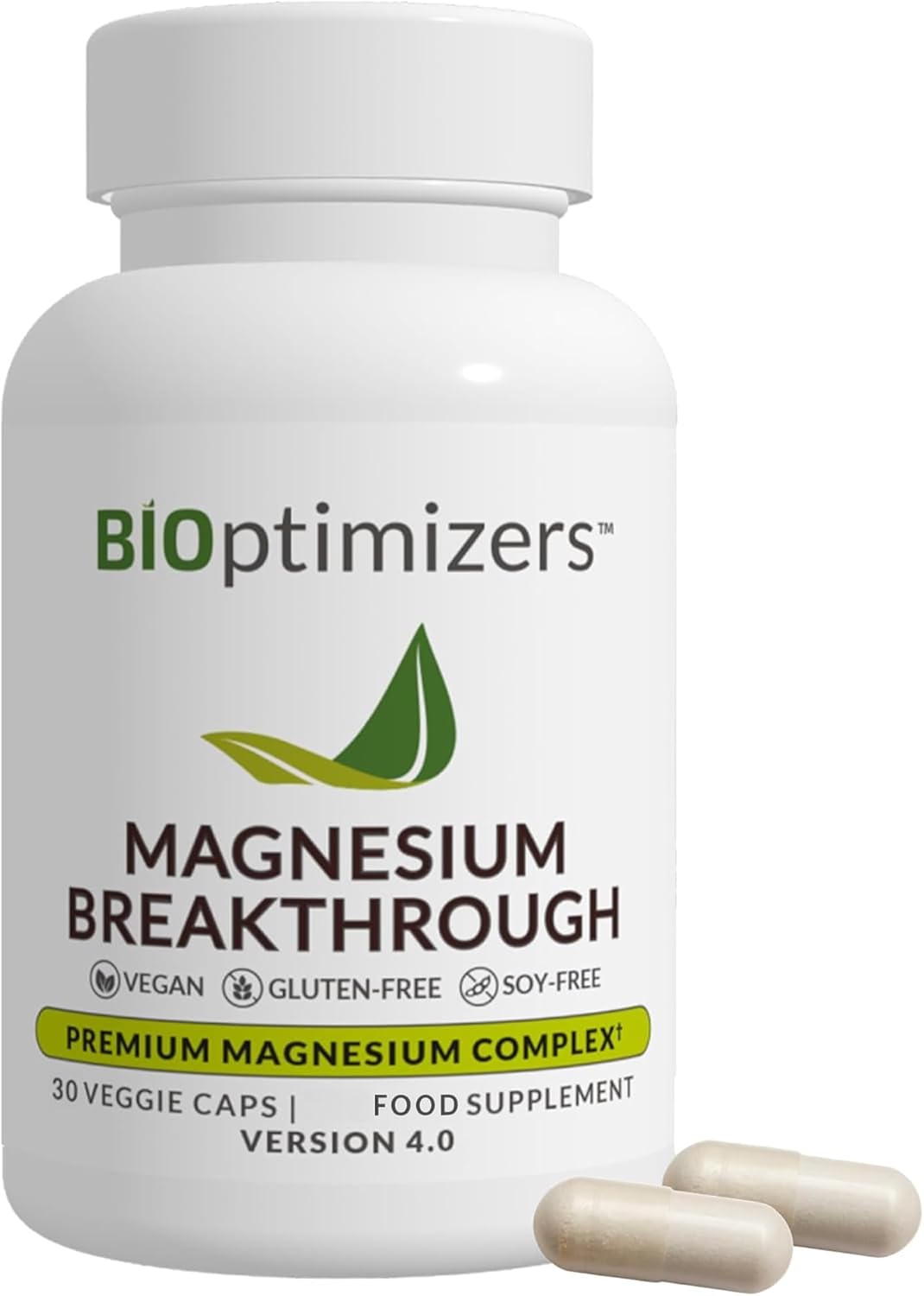
BIOptimizers Magnesium Breakthrough — 7 Forms of Magnesium
Comprehensive blend of 7 magnesium forms including glycinate and malate. Formulated for sleep, stress, and cognitive support. The most complete magnesium supplement I’ve found.
AlgaeCal Magnesium Relax
I was sent this one to try about six months ago and it’s become my favorite option when I’m specifically looking for stress relief before bed. What makes it different is the addition of ashwagandha — an adaptogen that’s been extensively studied for cortisol reduction and stress response. The combination of magnesium glycinate, malate, and citrate with ashwagandha addresses both the mineral deficiency side and the stress hormone side of sleep difficulties.
This is the one I reach for when I’ve had a particularly stressful day and I can feel my mind still running at full speed at 10pm. The effect is noticeably different from plain magnesium on those nights — something about the ashwagandha combination seems to help my body actually let go of the day rather than just getting physically tired while staying mentally wound up.
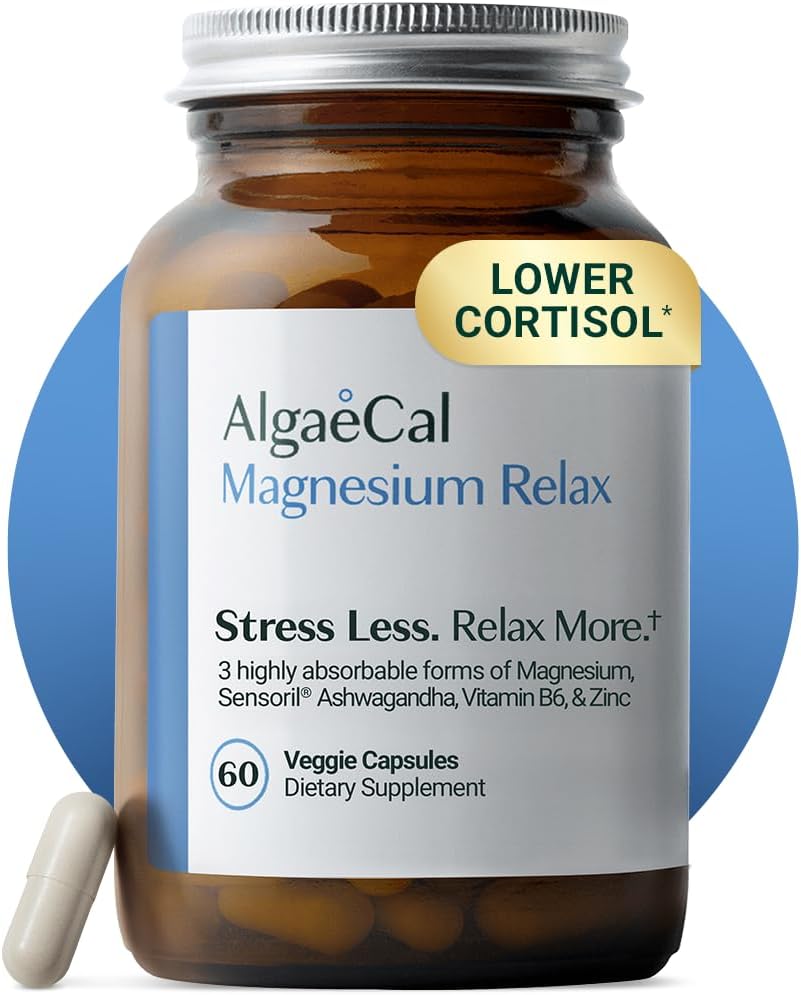
AlgaeCal Magnesium Relax — With Ashwagandha for Sleep & Stress
Chelated magnesium blend plus ashwagandha for cortisol and anxiety support. Excellent for stress-driven sleep issues. 60 capsules per bottle.
Double Wood Magnesium Glycinate 400mg
If you want the purest, most straightforward magnesium glycinate supplement without extra ingredients, this is the one I recommend. Third-party tested, vegan, non-GMO, and delivers 400mg of magnesium glycinate per serving. Simple, clean, and effective. The price per serving is also excellent compared to many other options.
This is what I recommend when people ask me for a budget-friendly starting point. If you’ve never tried magnesium for sleep before and you want to see whether it makes a difference for you before investing in a more complex formula, this is exactly where I’d start. 400mg of glycinate is a solid dose that you’ll genuinely feel without going overboard.

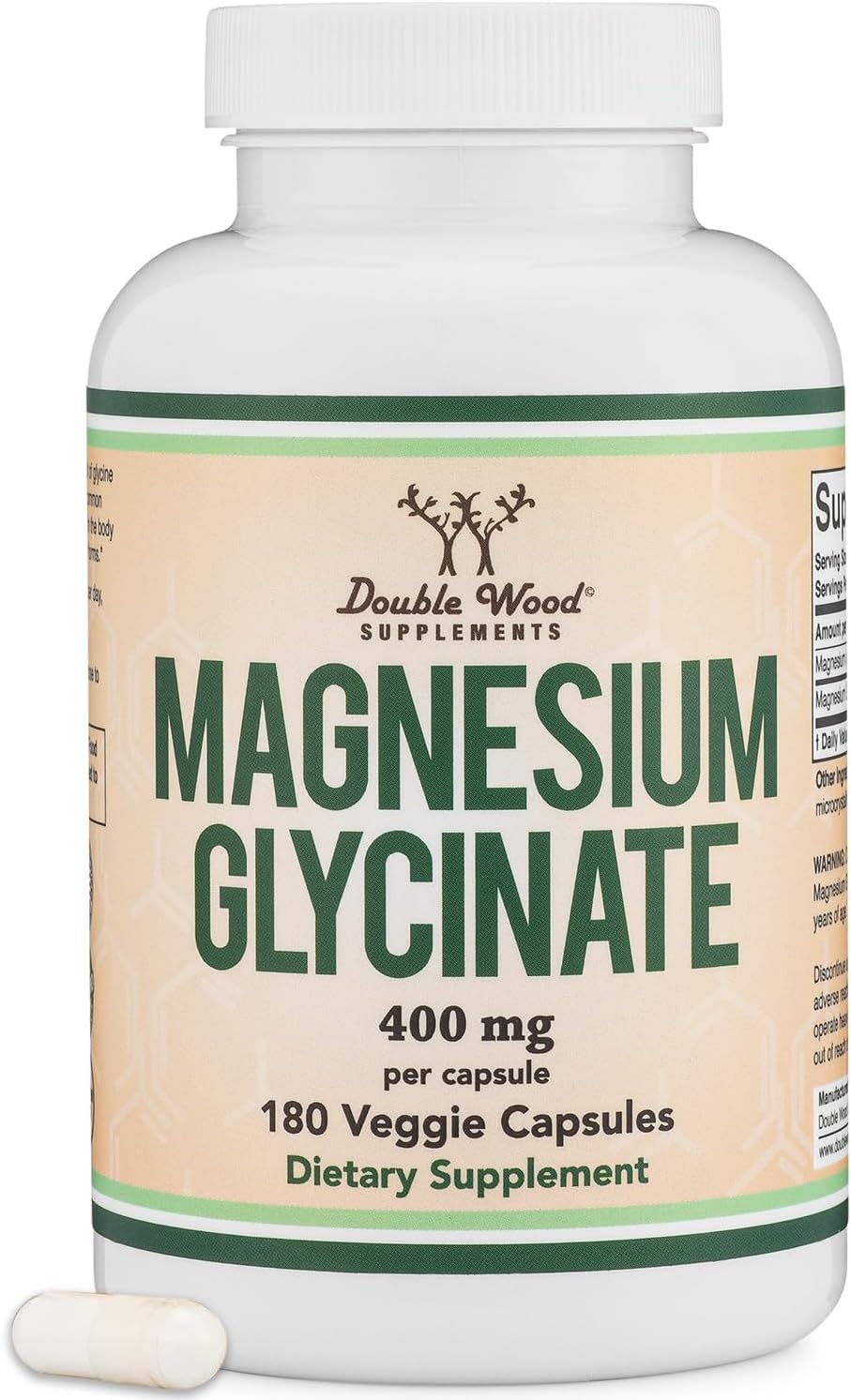
Double Wood Magnesium Glycinate 400mg — 180 Capsules
Pure magnesium glycinate, third-party tested, vegan and non-GMO. 180 capsules per bottle. The cleanest, most affordable glycinate option I’ve found.
How to Take Magnesium for Sleep: Timing, Dose, and Tips
Getting the most out of magnesium for sleep is about more than just which form you take. Here’s what I’ve learned about optimizing the experience:
- Take it 30-60 minutes before bed. This gives it time to absorb and start having an effect before you try to sleep. I take mine when I’m doing my evening wind-down routine — washing my face, reading, whatever I do before actually getting into bed.
- Start with 200-300mg and increase gradually. Some people are sensitive to magnesium initially, particularly in higher doses. Starting lower and working up over a week or two helps your body adjust without any digestive discomfort.
- Take with food or a small snack if needed. Most people tolerate glycinate fine on an empty stomach, but if you experience any nausea, taking it with a light snack resolves it for most people.
- Be consistent. Magnesium works best as a daily supplement rather than an “as needed” one. The sleep benefits tend to compound over days and weeks as your body replenishes its magnesium stores. Don’t judge it on the first night — give it two to three weeks.
- Be aware of interactions. Magnesium can interact with certain medications, including antibiotics (it can affect absorption), blood pressure medications, and diabetes medications. If you’re on any regular prescriptions, check with your doctor first.
What Changed When My Sleep Improved
I want to be honest about something: when I started sleeping better, I didn’t just stop being tired. The improvements rippled out into almost every area of my life in ways I hadn’t fully anticipated.
My anxiety decreased noticeably. I’m a naturally anxious person, and I’d always accepted a certain level of background worry as just… who I am. But when I started sleeping through the night consistently, I noticed that the low-level hum of anxiety I’d been living with was significantly quieter. Sleep and anxiety are deeply connected — sleep deprivation triggers anxiety, and anxiety prevents sleep, creating a cycle that’s very hard to break. Getting sleep back under control helped break that cycle.
My energy was more stable throughout the day. Instead of crashing mid-afternoon and desperately needing caffeine, I had a more consistent baseline. I was less reactive to stress. I was more patient. My workouts improved because I was actually recovering between them.
It’s easy to underestimate how much a chronically poor sleep pattern is affecting you until you experience what good sleep actually feels like. If you’re living with poor sleep and you’ve normalized it, I genuinely encourage you to try magnesium glycinate before reaching for anything stronger or more complicated.
Is Magnesium Safe? Things to Know Before You Start
Magnesium glycinate is generally considered very safe and well-tolerated, especially compared to other forms of magnesium. A few things to keep in mind:
- The tolerable upper intake level for supplemental magnesium is set at 350mg per day by the NIH (this doesn’t include magnesium from food). Going significantly above this could cause loose stools or diarrhea.
- People with kidney disease should be cautious with magnesium supplementation, as the kidneys regulate magnesium excretion and impaired kidneys can lead to buildup.
- Magnesium is a natural mineral, not a pharmaceutical. It doesn’t cause the dependency or rebound insomnia associated with sleep medications.
- Most people notice effects within 1-3 weeks of consistent supplementation.
As always, if you have any health conditions or are taking medications, check with your doctor before starting any new supplement.
Final Thoughts: Two Years In
Two years after my first bottle of magnesium glycinate, I still take it every single night. It’s become as automatic as brushing my teeth — part of my wind-down routine that signals to my body that sleep is coming. I don’t feel like I’m dependent on it the way you can feel dependent on sleep medications. I’ve skipped it while traveling without major consequences. But I always come back to it because I genuinely sleep better when I take it.
If you’ve been struggling with sleep — falling asleep, staying asleep, waking up exhausted — and you haven’t tried magnesium glycinate yet, I really encourage you to give it a consistent two-to-three-week trial. It’s inexpensive, it’s safe, it addresses a genuine underlying deficiency that many of us have, and for a lot of people, it genuinely changes things. It changed mine.
My Magnesium Sleep Stack
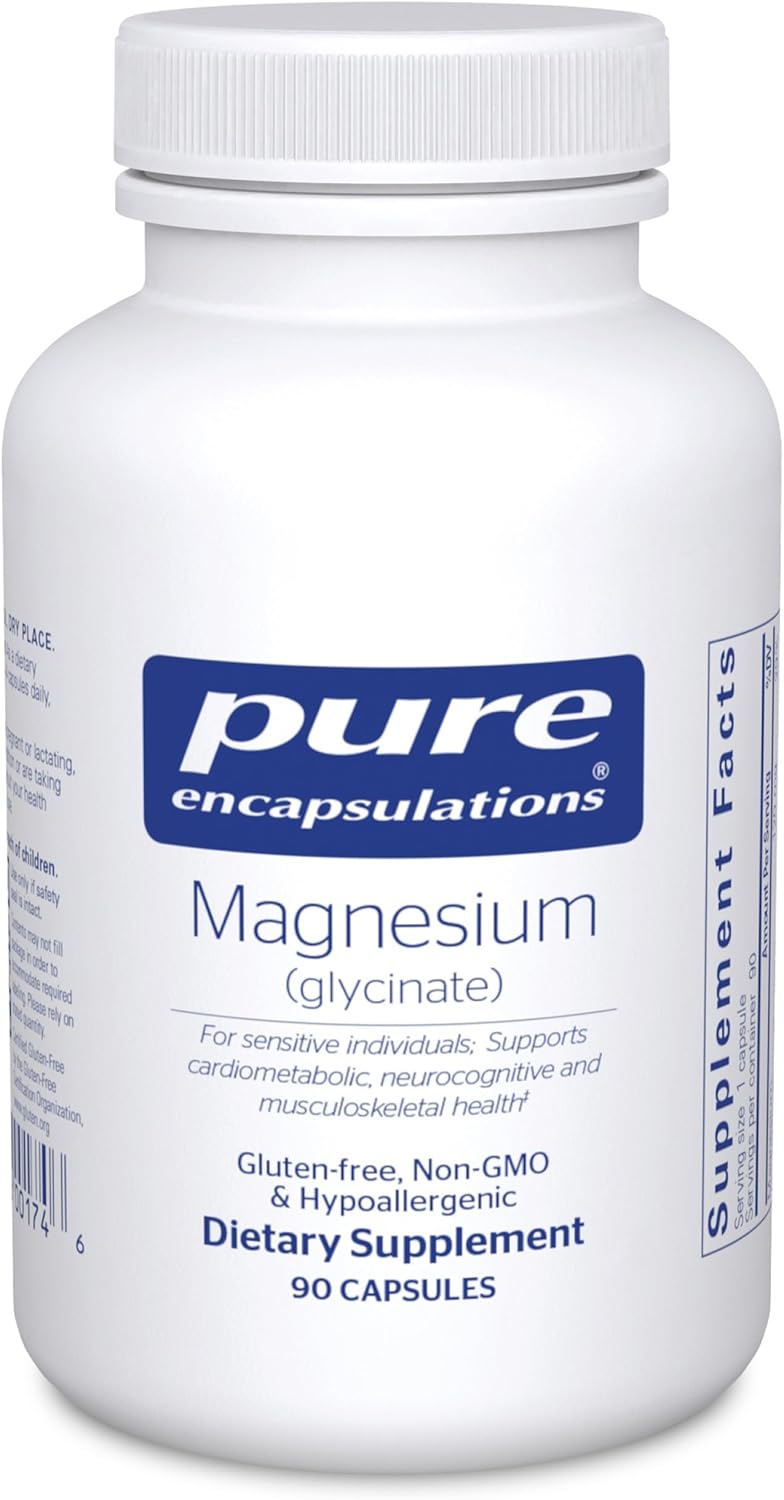
Pure Encapsulations Magnesium Glycinate
A top-quality, highly bioavailable magnesium glycinate formula for stress relief and deep, restful sleep. Gentle on the stomach and free from common allergens.
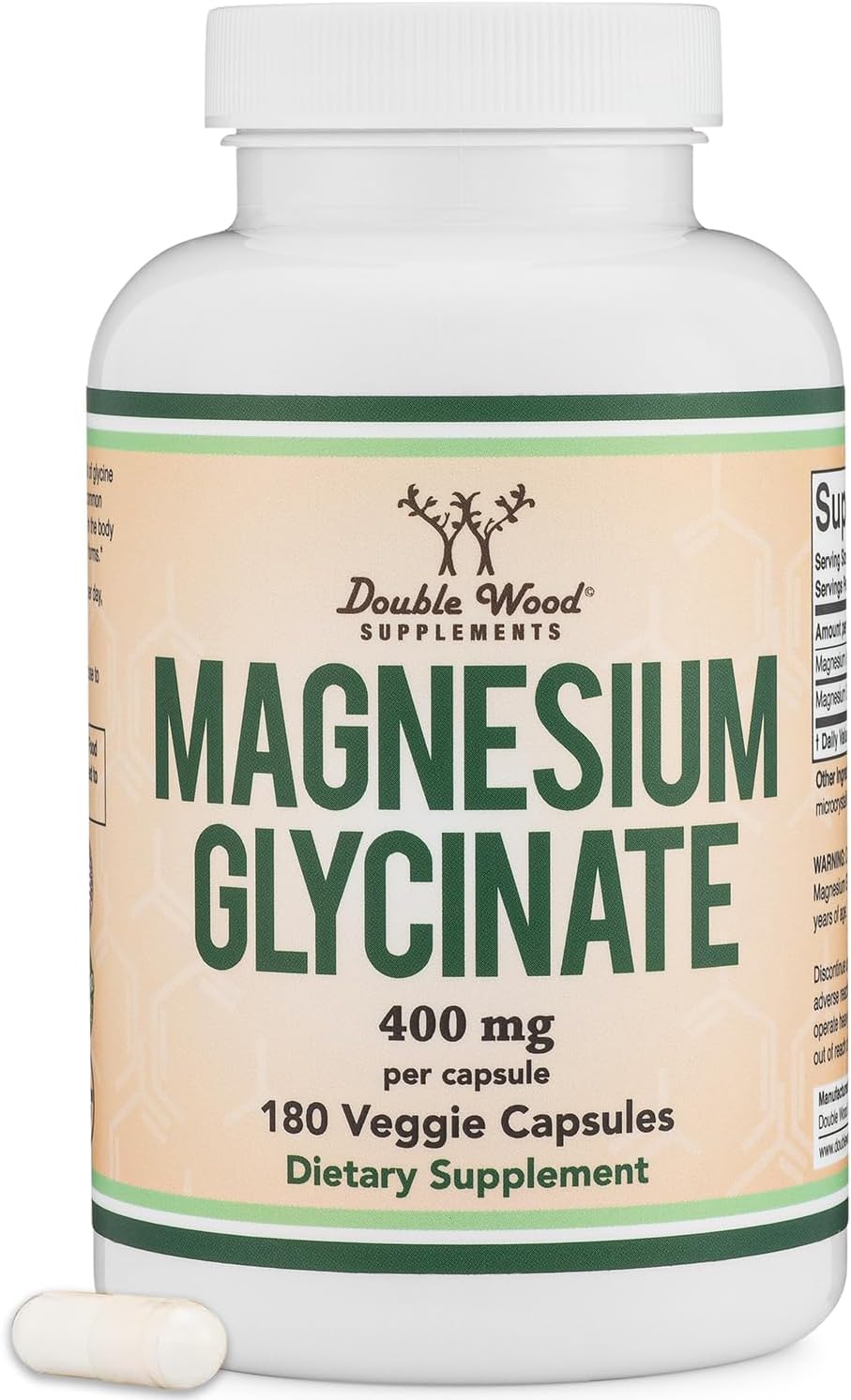
Magnesium Glycinate 400mg — Vegan Sleep & Muscle Support
400mg magnesium glycinate per serving in 180 capsules. Supports restful sleep, calm nervous system, and muscle recovery. Vegan and non-GMO.
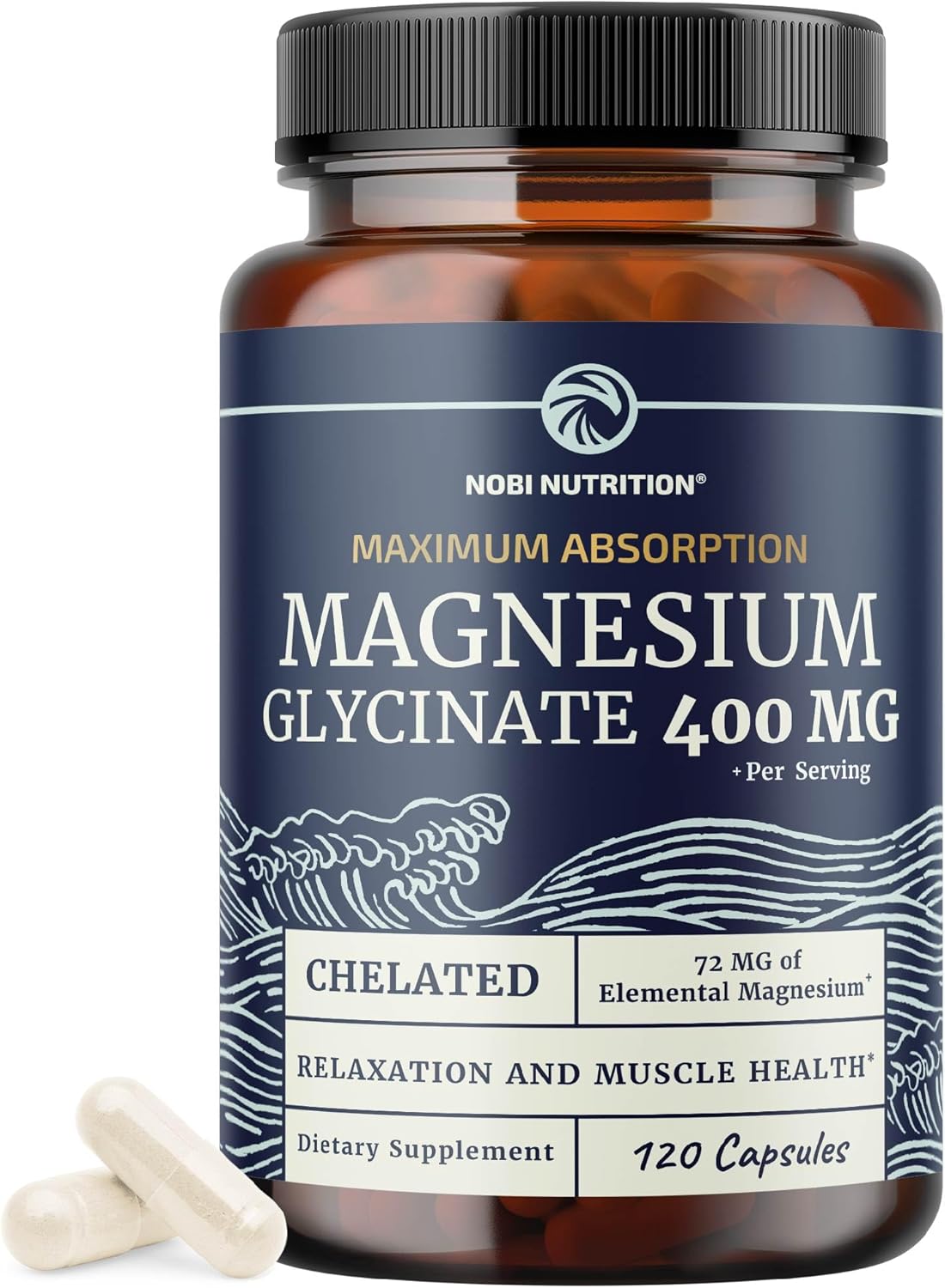
Magnesium Glycinate 400mg High Absorption Formula
High-absorption magnesium glycinate for sleep, calm, and muscle relaxation. Third-party tested and formulated for maximum bioavailability.
Free Download
Get My Daily Supplement Stack Guide
Everything I take, why I take it, and what I noticed — morning, midday, and evening. Free when you join the list.
No spam, ever. Unsubscribe anytime.