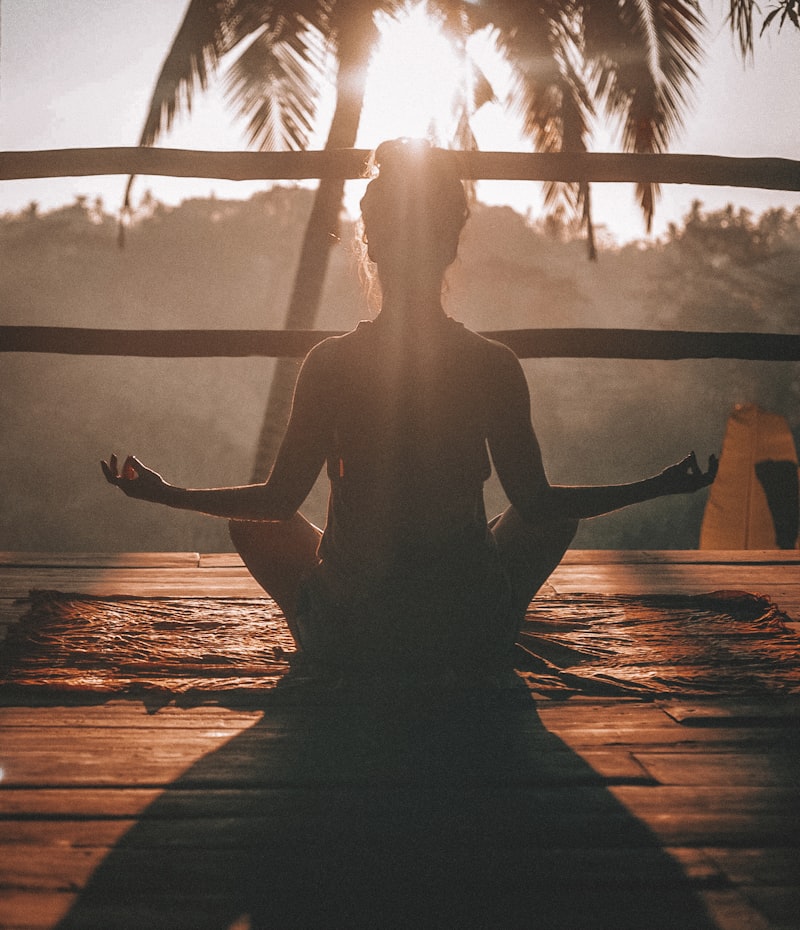
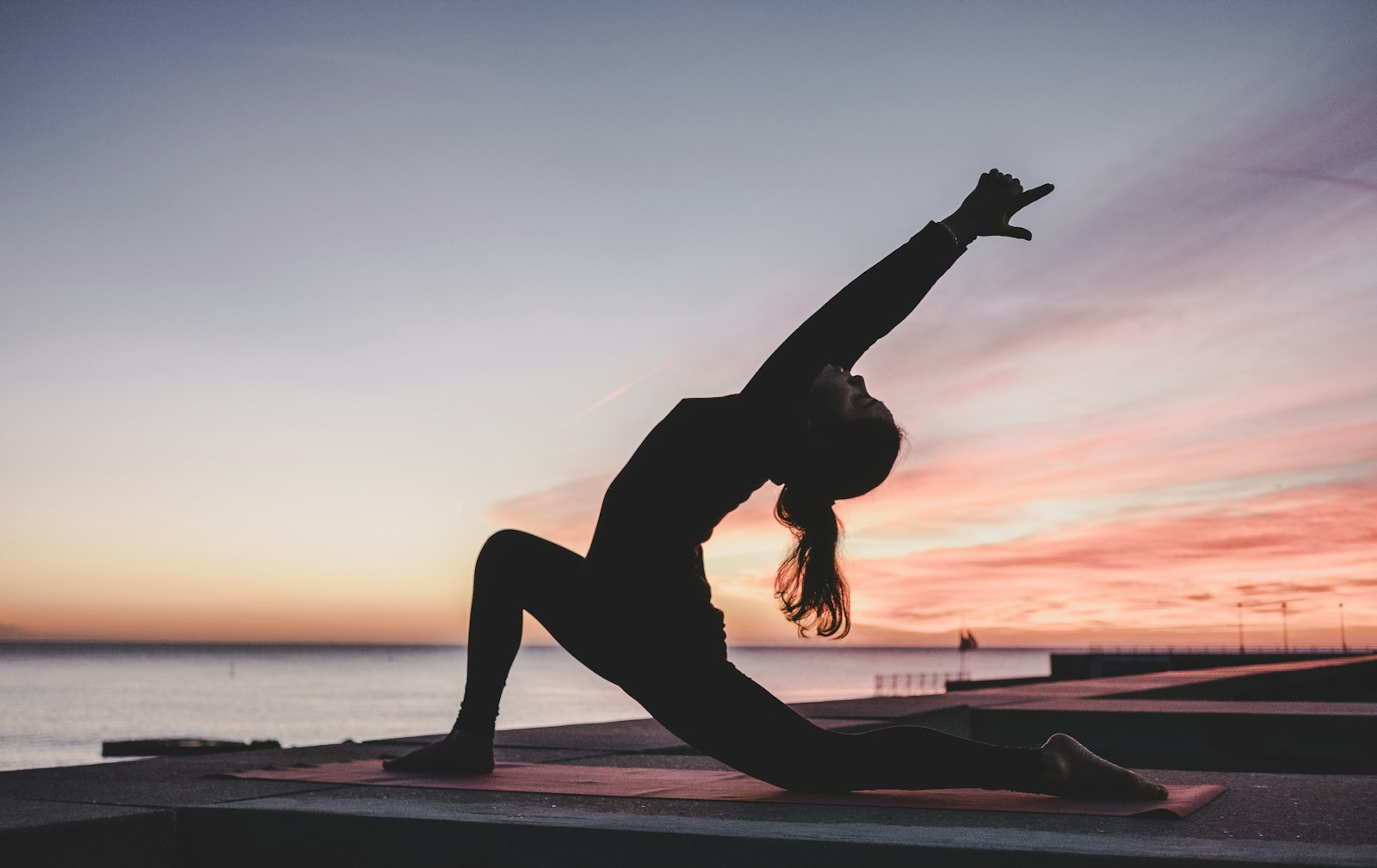

There’s a moment I keep thinking about. I was in the middle of a warrior two pose — a perfectly stable, foundational pose I had done hundreds of times — when my front foot slid forward on my mat. Not dramatically. Just an inch or two. But it threw off my weight distribution enough that I grabbed the wall to catch myself, and in that wobble, I strained something in my hip that kept me off the mat for almost two weeks.
The mat was a $12 thing from a discount store. I’d bought it when I first got into home yoga because I didn’t want to “invest” before I knew if I’d stick with it. That was two years before this incident. I had clearly stuck with it. But I’d never upgraded the mat, because it seemed like one of those purchases where the price tag doesn’t actually matter — a mat is a mat, right?
Wrong. A mat is absolutely not just a mat. I know this now.
After my hip healed, I spent about two months reading reviews, talking to yoga teachers, and testing a few different options. What I found is that there are real, functional differences between mats — in grip, thickness, material, durability — that directly affect both safety and the quality of your practice. And the good news is that the sweet spot for quality isn’t actually that expensive.
Why Your Yoga Mat Matters More Than You Think
Let me explain the actual mechanics of why mat quality matters, because I think it helps make the case better than just saying “trust me, buy a better mat.”
Grip and Non-Slip Performance
Yoga involves a lot of weight-bearing positions where your hands and feet need to stay exactly where you put them. When a mat slips — even slightly — your body compensates automatically, often in ways that create uneven stress on your joints. Over time, this compensation contributes to the exact injuries that yoga is supposed to prevent. A truly non-slip surface keeps you in proper alignment throughout every pose.
Grip performance also changes when your mat gets wet. Sweat is the enemy of cheap mats — the surface becomes slippery almost immediately. High-quality mats are designed with textured surfaces that actually improve grip when wet. This is especially important for any heated practice or for people who run warm during exercise.
Thickness and Joint Protection
Standard yoga mats are about 1/8 inch (3mm) thick. This is fine for people with no joint issues doing primarily balance-focused practice. For most of us — especially if you’re practicing on hardwood floors, have knee sensitivity, or spend any time in poses that put weight directly on your knees or wrists — a thicker mat makes a meaningful difference. The 1/4 inch (6mm) to 3/8 inch (10mm) range provides significantly more cushioning without sacrificing stability.
Material and Texture
The two main materials you’ll encounter are PVC (what most budget mats are made of) and natural rubber or TPE (thermoplastic elastomer). PVC mats are durable and often quite grippy, but they’re not eco-friendly and can degrade faster with certain cleaning products. Natural rubber mats have excellent grip, are more sustainable, and often last longer — but they’re heavier and cost more. TPE mats are a good middle ground: lighter, more eco-friendly than PVC, and often very grippy.
Size and Dimensions
Standard yoga mats are 68 inches long. If you’re taller than about 5’7″, this can mean your feet hang off the end in some poses, which is annoying at best and alignment-disrupting at worst. Extra-long mats (72″ or 74″) are widely available and worth considering. Width is less commonly varied but some mats come in “wide” versions (26″ vs the standard 24″) that give more room for lateral movements.
What I Looked for After My Slipping Incident
My criteria when I went shopping were specific, based on what had failed with my cheap mat:
- Non-slip surface that holds grip even with sweaty hands
- At least 6mm thick for knee and wrist cushioning
- Durable enough to last several years with regular use
- Easy to clean (I like to wipe it down after every practice)
- Not too heavy — I move my mat between rooms depending on where I want to practice
I tested three mats over about six weeks of regular practice. Here’s my honest breakdown:
The Best Yoga Mats I’ve Tested
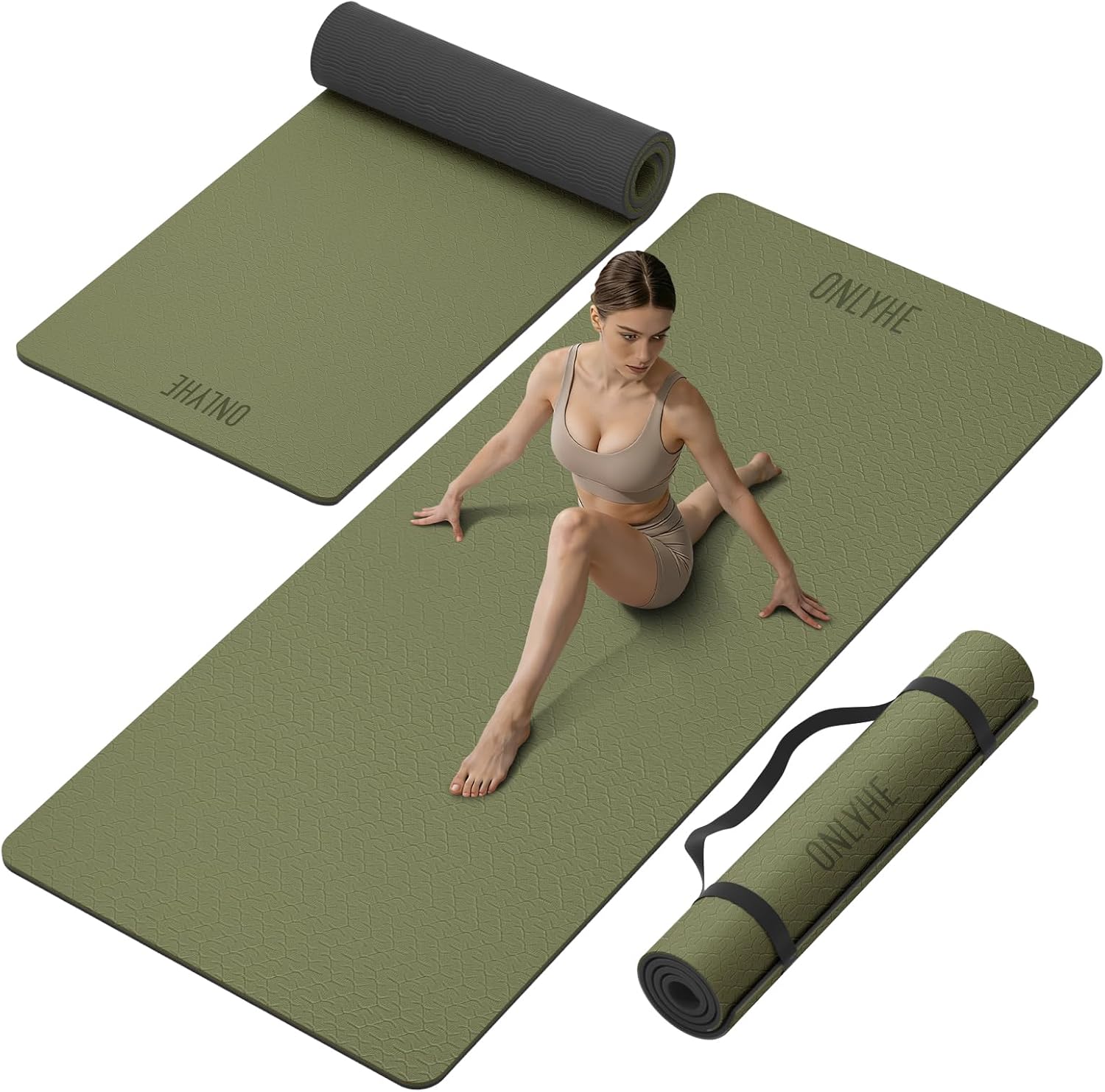
Extra Thick 10mm Yoga Mat — 72″ × 35″ Non-Slip Exercise Mat
A generously sized, 10mm thick mat that provides serious cushioning for knees and wrists. Extra-wide format gives room for lateral movements and stretching. Anti-tear construction holds up to daily use.
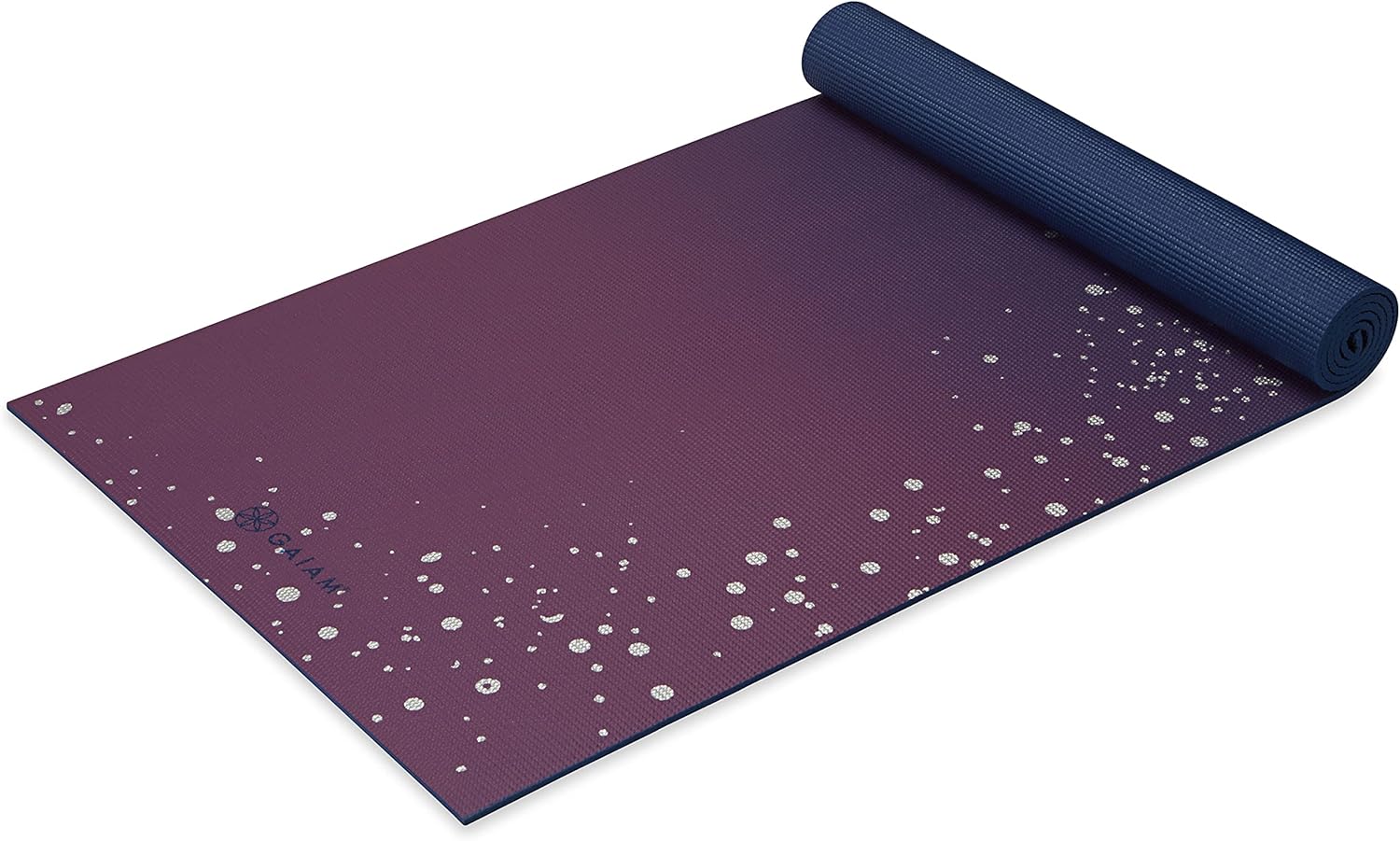
Gaiam Premium 6mm Yoga Mat — Print Extra Thick Non-Slip
One of the most popular yoga mats on the market for good reason. Gaiam’s 6mm premium mat has excellent grip, holds up to years of use, and comes in a huge range of patterns. Comes with a carrying strap.
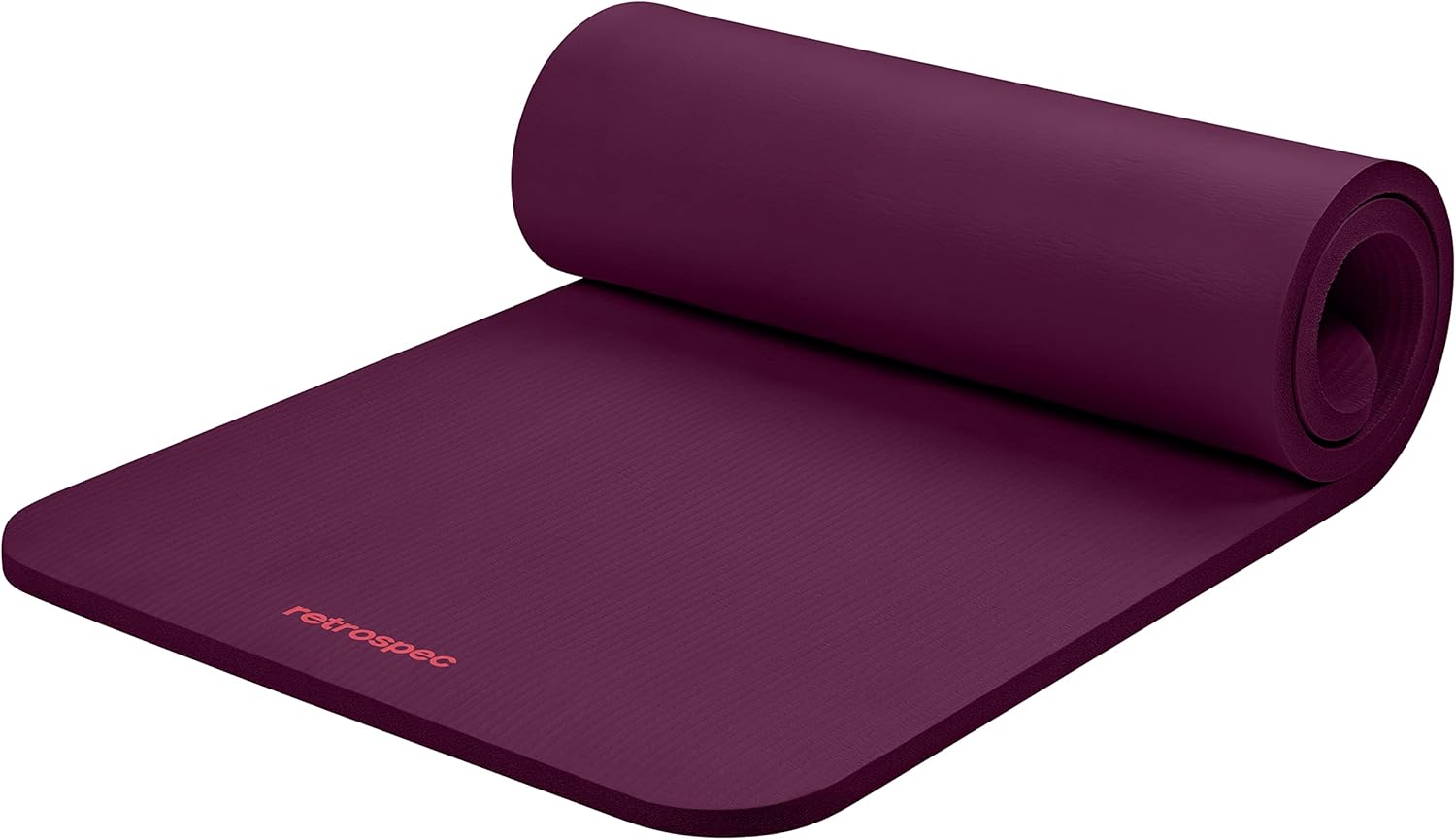
Retrospec Solana Yoga Mat — 1″ Thick with Nylon Carrying Strap
A full 1-inch thick mat for maximum cushioning — ideal for restorative yoga, meditation, floor exercises, or anyone with sensitive knees or joints. Non-slip top surface, moisture-resistant bottom.
How I Practice at Home: Building a Real Yoga Routine
Having a good mat made me want to practice more consistently. I don’t think that’s entirely psychological — though some of it is. Mostly it’s that I no longer spend mental energy during practice worrying about slipping, or about my knees hurting on the hard floor, or about the mat bunching up in downward dog. The physical experience of practice is just better, which means I do it more often.
For home yoga, consistency matters more than duration. Fifteen minutes of yoga daily is more beneficial than an hour-long session once a week. Here’s how I’ve built a sustainable home practice:
Create a Dedicated Space
Even in a small apartment, you can carve out a mat-sized area that’s yours for practice. Roll out the mat in the same spot, keep it accessible rather than rolled up in a closet, and add a plant or a candle if that helps set the tone. The less friction between you and starting, the more likely it happens.
Use Guided Classes — At Least to Start
YouTube has an enormous amount of free, excellent yoga content. Yoga with Adriene has become almost synonymous with home yoga for good reason — she’s thorough, thoughtful, and has content for every level and every duration. Don’t feel like you need to practice alone or figure everything out yourself. A good teacher, even a virtual one, will catch alignment issues and suggest modifications you wouldn’t find on your own.
Practice in the Morning
I’ve tried practicing at various times and morning works best for me, both practically (fewer competing priorities) and physically (yoga helps me move better throughout the day when I do it first). Even 10-15 minutes of morning movement — some sun salutations, a few held poses — changes how my body feels for hours afterward.
Don’t Skip the Quiet End
Savasana — the rest pose at the end of a yoga class where you lie flat and do nothing — might seem optional. It isn’t. This is when your nervous system integrates everything you just did. People who skip savasana often say they don’t feel as good after practice as people who complete it. Give yourself the three to five minutes. You’ve earned it.

Caring for Your Yoga Mat
A good mat can last years with proper care. Here’s what I do:
- Wipe down after every practice with a diluted essential oil spray (a few drops of tea tree oil in water works well) or a dedicated mat cleaner. Sweat and skin oils degrade mat material over time if not removed.
- Air dry before rolling up. Rolling up a damp mat encourages mildew. Lay it flat for 10-15 minutes after wiping down, or drape it over a chair.
- Deep clean monthly for heavy use — most mats can be gently hand-washed in a bathtub with mild soap, then rinsed thoroughly and laid flat to dry. Don’t machine wash unless the manufacturer explicitly says it’s safe.
- Store rolled up or hung, not folded. Folding creates creases that don’t disappear and can create uneven surfaces that affect your practice.
- Keep out of direct sunlight when not in use. UV exposure degrades mat material, especially rubber and PVC.
Other Things to Add to Your Home Practice Setup
Once you have a good mat, a few additional items can meaningfully enhance your home practice without a lot of expense:
- Yoga blocks (2): Support hands in forward folds, provide height in seated poses, assist with balance. Essential for beginners and regularly useful for everyone.
- A yoga strap: Extends your reach in stretches, helps with flexibility work, particularly useful for hamstring and hip opening. About $10 and worth it.
- A light blanket: For under your knees in kneeling poses, for restorative positions, for savasana. A folded blanket is more stable than a pillow and easier to repurpose for different poses.
- Grippy socks (optional): If your feet tend to slide on the mat, yoga socks with grip on the bottom add another layer of stability. Not everyone needs them, but they’re useful if slip is an issue.
Is Home Yoga Enough, or Do You Need a Studio?
This comes up a lot. My honest answer is: for most people at most stages of practice, home yoga is genuinely sufficient, especially if you’re using quality guidance (good video instruction or a certified teacher’s structured programs). The main advantage a studio offers is in-person alignment correction, which matters more for beginners learning form and for advanced practitioners refining technique.
If you’re starting out and money is a consideration, a good mat and YouTube is absolutely enough to build a real practice. If you have specific injuries or want more personalized instruction, even occasional studio visits or private sessions to supplement home practice can make a big difference.
The important thing is that you practice consistently. That happens when your environment and equipment make it easy and enjoyable. A mat that you trust — one that keeps you safe, supports your joints, and doesn’t require mental bandwidth to manage — is the foundation of that.
Final Thoughts
I wasted two years on a bad mat and an injury to figure this out. You don’t have to do the same. A good yoga mat — one with genuine grip, adequate thickness, and quality construction — is one of the best investments you can make in your home practice.
The three mats I’ve highlighted cover different needs: the extra-thick 10mm option for maximum joint protection, the Gaiam premium for the sweet spot of grip and versatility, and the Retrospec for restorative and meditative practice. Any of them is a significant upgrade from a discount mat, and all are available on Amazon with easy returns if something doesn’t work for your specific practice.
Take your practice seriously. Get a mat that takes it seriously too.
Yoga for Beginners at Home: What I Wish I’d Known
If you’re just starting a home yoga practice, I want to share a few things I wish someone had told me at the beginning — things that would have saved me frustration and helped me progress faster.
Flexibility is not a prerequisite. I avoided yoga for years because I’m not flexible. I can’t touch my toes. I’ve never been able to. But flexibility is something yoga develops over time — you don’t need to have it before you start. Every instructor worth following will show you modifications for every pose. Where you are right now is exactly where you’re supposed to start.
Pain means stop. Discomfort — muscle stretch, mild burning, the sensation of working — is normal. Pain is not. Sharp pain, joint pain, or anything that feels wrong is a signal to back off or try a different modification. Yoga should challenge you without hurting you. This seems obvious, but I pushed through things I shouldn’t have early on because I thought “no pain, no gain” applied here. It doesn’t.
Your practice will be different every day. Some mornings you’ll flow through poses that felt difficult last week. Some mornings you’ll struggle with things that normally feel easy. This is normal and has nothing to do with your “progress.” Sleep, stress, hydration, hormones, and a dozen other factors affect how your body feels and moves. Don’t judge a practice by how hard or easy it feels — judge it by whether you showed up.
The mental benefits are as real as the physical ones. I started yoga primarily for flexibility and strength. What I wasn’t expecting was how much it would change my relationship with stress. Something about the combination of breathwork, slow movement, and focused attention on the present moment genuinely shifts how I feel. Regular practitioners often describe this. I thought it was hyperbole until I experienced it consistently myself.
Getting those benefits, though, requires showing up consistently — which requires removing as much friction as possible. A mat you trust, a space you’ve set up for practice, and a routine that fits your real life. That’s the foundation. Everything else builds from there.
Free Download
Get My Daily Supplement Stack Guide
Everything I take, why I take it, and what I noticed — morning, midday, and evening. Free when you join the list.
No spam, ever. Unsubscribe anytime.