
When I started writing about anti-inflammatory supplements on this blog, it kind of forced my hand to also seriously examine my actual diet. Because here’s the uncomfortable truth: no supplement in the world is going to meaningfully offset eating in a way that’s chronically triggering inflammation. The food you eat every single day is either working for you or against you, and I decided I wanted mine firmly and consistently in the “for me” column.
That said, I am not someone who thrives on restrictive eating plans. I’ve tried several approaches that involved cutting out entire food groups or tracking every macronutrient, and it always backfires for me — I last a few weeks, feel deprived, and then overcorrect in the other direction. What actually works long-term is finding recipes that happen to be anti-inflammatory and genuinely taste so good that I keep making them on their own merits, regardless of their health benefits.
These are the five recipes I come back to week after week. They’re not complicated. They don’t require a specialty grocery store. And they honestly just taste delicious — I make them because I love eating them, not because I’m forcing myself to eat healthy.
What Makes Food Anti-Inflammatory?
Before the recipes, it’s worth understanding the basic framework, because it helps you make good choices beyond these specific five dishes:
- Omega-3 fatty acids (fatty fish like salmon and sardines, walnuts, ground flaxseed, chia seeds) actively compete with and reduce omega-6 driven inflammatory signaling in the body. The ratio of omega-3 to omega-6 in your diet matters enormously.
- Antioxidants (berries, leafy greens, colorful vegetables, dark chocolate, green tea) neutralize free radicals that drive oxidative stress, which is a key driver of chronic inflammation.
- Polyphenols (extra virgin olive oil, berries, turmeric, ginger, green tea, red wine in moderation) have direct and well-documented anti-inflammatory effects at the cellular level.
- Fiber from whole food sources (legumes, vegetables, whole grains, fruit) feeds beneficial gut bacteria that directly regulate immune response and inflammatory signaling. A healthy gut microbiome is one of the most important factors in managing systemic inflammation.
- Curcumin (the active compound in turmeric) and gingerol (in ginger) are two of the best-researched natural anti-inflammatory compounds — they genuinely work, and they taste great.
Foods to minimize if managing inflammation: refined sugar and high-fructose corn syrup, ultra-processed foods (packaged snacks, fast food), refined grains, highly processed vegetable oils, and excessive alcohol. I say “minimize” rather than “never” because sustainable eating isn’t about perfection — it’s about your overall dietary pattern over time.
Recipe 1: Golden Turmeric Salmon with Roasted Broccoli
This is my go-to weeknight dinner when I want something quick, satisfying, and obviously good for me. Salmon is one of the best sources of omega-3 fatty acids (particularly EPA and DHA) in the entire food world, and turmeric adds both gorgeous color and its active anti-inflammatory compound curcumin. Together, they’re one of the most anti-inflammatory meals I know.
I make this at least twice a week. It takes about 20 minutes total and the sheet pan cleanup is minimal.
Ingredients (serves 2):
- 2 salmon fillets (about 6 oz each), skin on or off as you prefer
- 1 large head of broccoli, cut into florets (or pre-cut bag)
- 2 tablespoons avocado oil, divided
- 1 teaspoon ground turmeric
- 1 teaspoon garlic powder
- ½ teaspoon ground ginger
- ¼ teaspoon black pepper (this activates turmeric absorption by up to 2,000%)
- Salt to taste
- Lemon wedges for serving
Instructions:
- Preheat oven to 400°F. Line a large sheet pan with parchment paper.
- Toss broccoli with 1 tablespoon avocado oil, a pinch of salt, and pepper. Spread on one half of the sheet pan. Roast for 10 minutes.
- Meanwhile, mix the remaining tablespoon of avocado oil with turmeric, garlic powder, ginger, and black pepper. Pat salmon dry and rub the mixture over the top and sides.
- Push broccoli to make room and add salmon to the other half of the pan. Return to oven and roast for another 12-15 minutes, until salmon flakes easily with a fork.
- Serve with lemon wedges. Excellent over brown rice or quinoa if you want something more substantial.
Recipe 2: Ginger Turmeric Red Lentil Soup
This soup is possibly the most underrated recipe in my rotation. Red lentils are extraordinary from a nutrition standpoint — high in fiber, plant protein, folate, iron, and polyphenols. They also cook remarkably fast (no soaking required), making this a 30-minute soup that tastes like it simmered all day. I make a big batch Sunday afternoon and eat it for lunch multiple days during the week. It genuinely gets better on day two.
Ingredients (serves 4-6):
- 1 cup red lentils, thoroughly rinsed
- 1 can (14.5 oz) diced tomatoes
- 1 can (13.5 oz) full-fat coconut milk
- 1 medium onion, diced
- 4 cloves garlic, minced
- 1 tablespoon fresh ginger, grated (or 1 tsp ground)
- 1½ teaspoons ground turmeric
- 1 teaspoon ground cumin
- ½ teaspoon smoked paprika
- 4 cups low-sodium vegetable broth
- 2 tablespoons avocado oil or coconut oil
- Juice of 1 lemon
- Salt and black pepper to taste
- Fresh cilantro or parsley for garnish (optional)
Instructions:
- Heat oil in a large pot over medium heat. Add onion and cook until softened and translucent, about 5-6 minutes.
- Add garlic and fresh ginger, cook for 1 minute until fragrant. Add turmeric, cumin, and paprika, stir for 30-45 seconds until spices are fragrant.
- Add rinsed lentils, diced tomatoes (with their juice), vegetable broth, and coconut milk. Stir to combine and bring to a boil.
- Reduce heat to a steady simmer, cover partially, and cook 20-25 minutes until lentils are fully soft and beginning to dissolve into the soup.
- Add lemon juice, season with salt and pepper. Taste and adjust — it may want more lemon, more turmeric, or more salt.
- Serve with crusty whole grain bread, over brown rice, or with a side salad. Stores in the refrigerator for 5 days and freezes beautifully.
Recipe 3: Anti-Inflammatory Green Smoothie Bowl
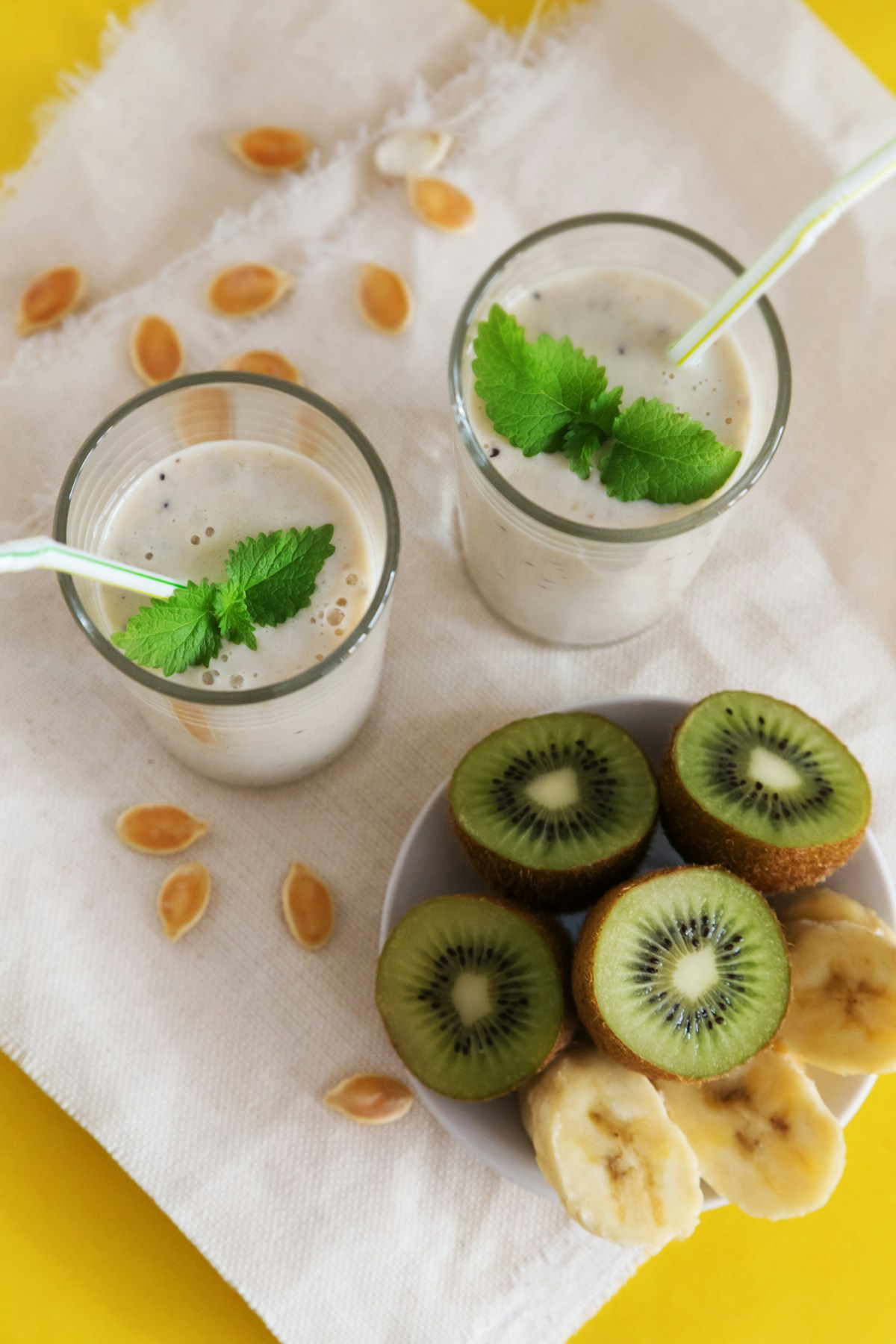
I make a version of this nearly every morning and never get tired of it. The base is almost completely tasteless (the banana masks any greenness from the spinach), the berries add sweetness and antioxidants, and the toppings add texture, fat, and additional nutrition. It takes about 3 minutes once all your components are prepped and frozen.
Base ingredients (serves 1):
- 2 large handfuls of baby spinach (or frozen spinach — works identically)
- 1 medium frozen banana, broken into chunks before freezing
- ½ cup frozen wild blueberries (wild blueberries have significantly more antioxidants than cultivated)
- 1 tablespoon ground flaxseed (omega-3s)
- ½ teaspoon ground turmeric
- ¼ teaspoon ground ginger
- Pinch of black pepper (for turmeric absorption)
- ⅓-½ cup unsweetened almond milk (start with less for a thicker bowl)
Toppings (mix and match to your taste):
- Fresh berries or sliced banana
- A small handful of walnuts (some of the best plant-based omega-3s)
- 1 tablespoon chia seeds
- 1 tablespoon pumpkin seeds (zinc, magnesium)
- A drizzle of raw honey or maple syrup if needed
- A scoop of granola for crunch
Instructions:
- Blend all base ingredients until completely smooth, scraping down sides as needed. Add liquid a tablespoon at a time — you want it thick enough to eat with a spoon and have toppings sit on top without sinking.
- Pour into a bowl and arrange toppings however you like. Eat immediately.
Recipe 4: Mediterranean Chickpea and Quinoa Salad
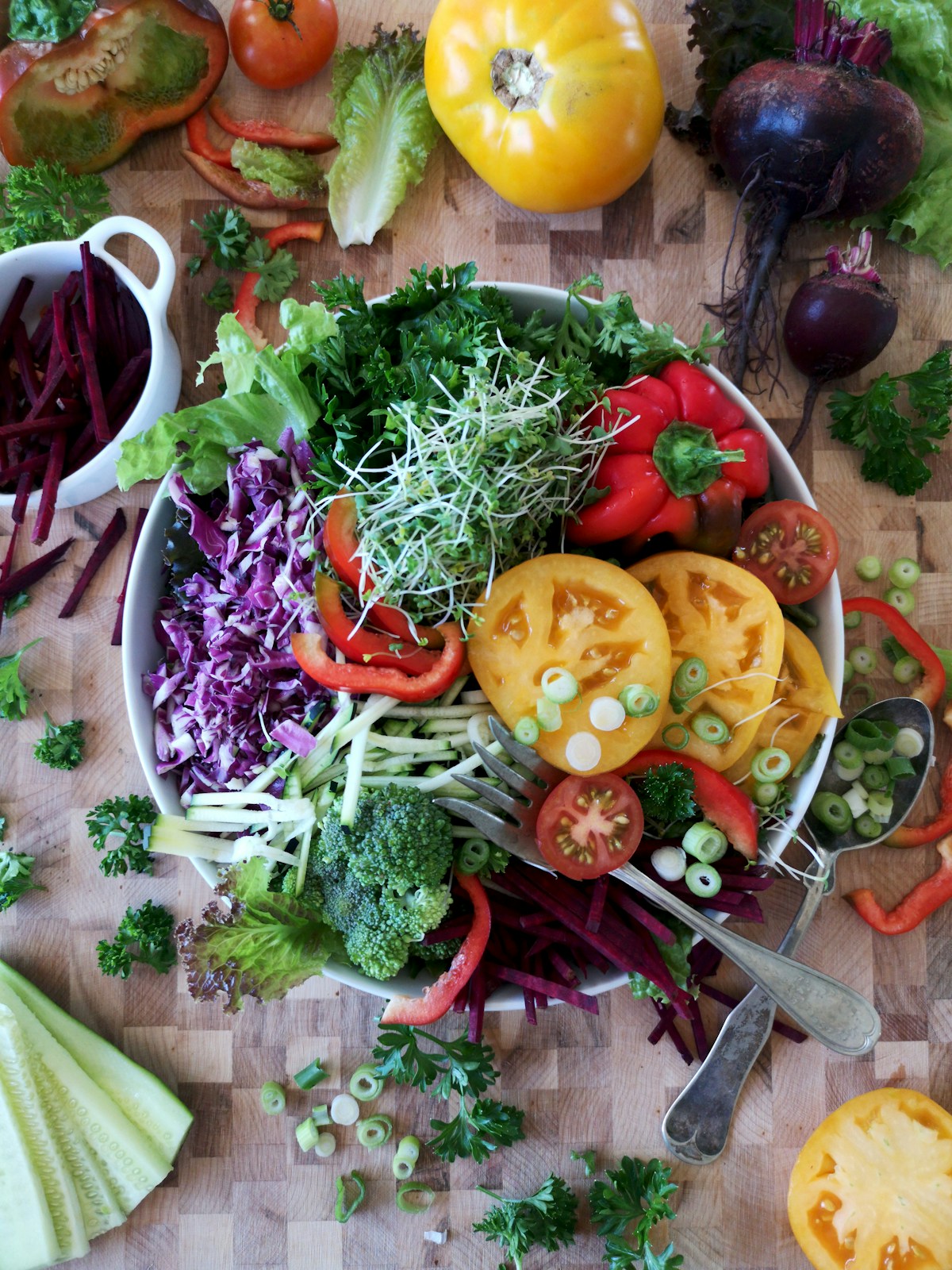
This salad is one of the most meal-prep-friendly recipes I make. It holds up perfectly in the refrigerator for 4-5 days (it actually gets better as the flavors meld), it works as a main dish or side, and it’s loaded with fiber, plant protein, and anti-inflammatory olive oil and herbs. I make a huge batch on Sunday and eat it for lunch most of the week.
Ingredients (serves 4-5):
- 1 cup quinoa, cooked according to package directions and cooled completely
- 1 can (15 oz) chickpeas, drained, rinsed, and patted dry
- 1 pint cherry or grape tomatoes, halved
- 1 English cucumber, diced into ½-inch pieces
- ½ red onion, very finely diced (if raw onion is too sharp for you, soak in ice water for 10 minutes)
- ½ cup kalamata olives, pitted and roughly chopped
- ½ cup fresh flat-leaf parsley, roughly chopped
- Optional: ½ cup crumbled feta cheese, 1 cup diced roasted red peppers
Dressing:
- 4 tablespoons extra virgin olive oil (use a good one here — the flavor comes through)
- Juice of 1½ lemons (about 3 tablespoons)
- 1 teaspoon dried oregano
- 1 small clove garlic, minced or pressed
- Salt and black pepper to taste
Instructions:
- Combine cooled quinoa, chickpeas, and all vegetables in a large bowl.
- Whisk together all dressing ingredients until combined.
- Pour dressing over salad and toss thoroughly. Taste and adjust seasoning — it may want more lemon, more salt, or more oregano.
- Let the salad rest for at least 15-20 minutes before serving, or refrigerate overnight. The quinoa absorbs the dressing and the flavors deepen significantly with time.
Recipe 5: Miso-Ginger Glazed Eggplant
This one surprises people consistently — it’s vegan, it’s made in under 25 minutes, and it tastes genuinely impressive. Eggplant is rich in nasunin (a potent antioxidant in the purple skin), miso adds probiotic benefits and deep umami flavor, and ginger contributes gingerol, one of the best-studied natural anti-inflammatory compounds. It also just looks beautiful on a plate.
Ingredients (serves 2):
- 2 medium Japanese eggplants (or 1 large globe eggplant), sliced into ¾-inch rounds
- 2 tablespoons white or yellow miso paste
- 1 tablespoon freshly grated ginger (not from a jar — fresh makes a real difference)
- 1 tablespoon unseasoned rice vinegar
- 1 tablespoon toasted sesame oil
- 1 tablespoon low-sodium soy sauce or tamari (use tamari for gluten-free)
- 1 teaspoon honey or maple syrup
- Toasted sesame seeds and thinly sliced scallions for garnish
Instructions:
- Preheat your broiler on high with the rack positioned about 6 inches from the element.
- Whisk together miso paste, ginger, rice vinegar, sesame oil, soy sauce, and honey until smooth. The miso may clump — keep whisking until completely combined.
- Arrange eggplant rounds on a foil-lined baking sheet and generously brush the tops with about half the glaze.
- Broil for 5-6 minutes until the tops are caramelized and slightly charred at the edges. Flip carefully, brush the other side with remaining glaze, and broil another 4-5 minutes.
- Garnish with sesame seeds and scallions. Serve over steamed rice with extra glaze drizzled over everything.
Anti-Inflammatory Pantry Staples Worth Stocking
Having the right pantry staples on hand makes cooking this way natural rather than effortful. These are the items I always have:
- Ground turmeric (I go through a lot — buy a larger container)
- Ground ginger and fresh ginger root (I keep a knob of ginger in my freezer and grate it frozen)
- Full-fat canned coconut milk
- Red lentils (cook from dry in 20 minutes, no soaking)
- Canned chickpeas and black beans
- Frozen wild salmon fillets and frozen shrimp
- Frozen spinach and frozen wild blueberries for smoothies
- High-quality extra virgin olive oil and avocado oil
- Quinoa and brown rice in bulk
- White miso paste (keeps for months in the fridge)
- Raw walnuts, chia seeds, and ground flaxseed
- Raw apple cider vinegar (great in dressings and for gut health)
Cookbook Recommendations for Going Deeper
If you want to really build out an anti-inflammatory eating practice and understand the science behind it more deeply, these books are worth having:
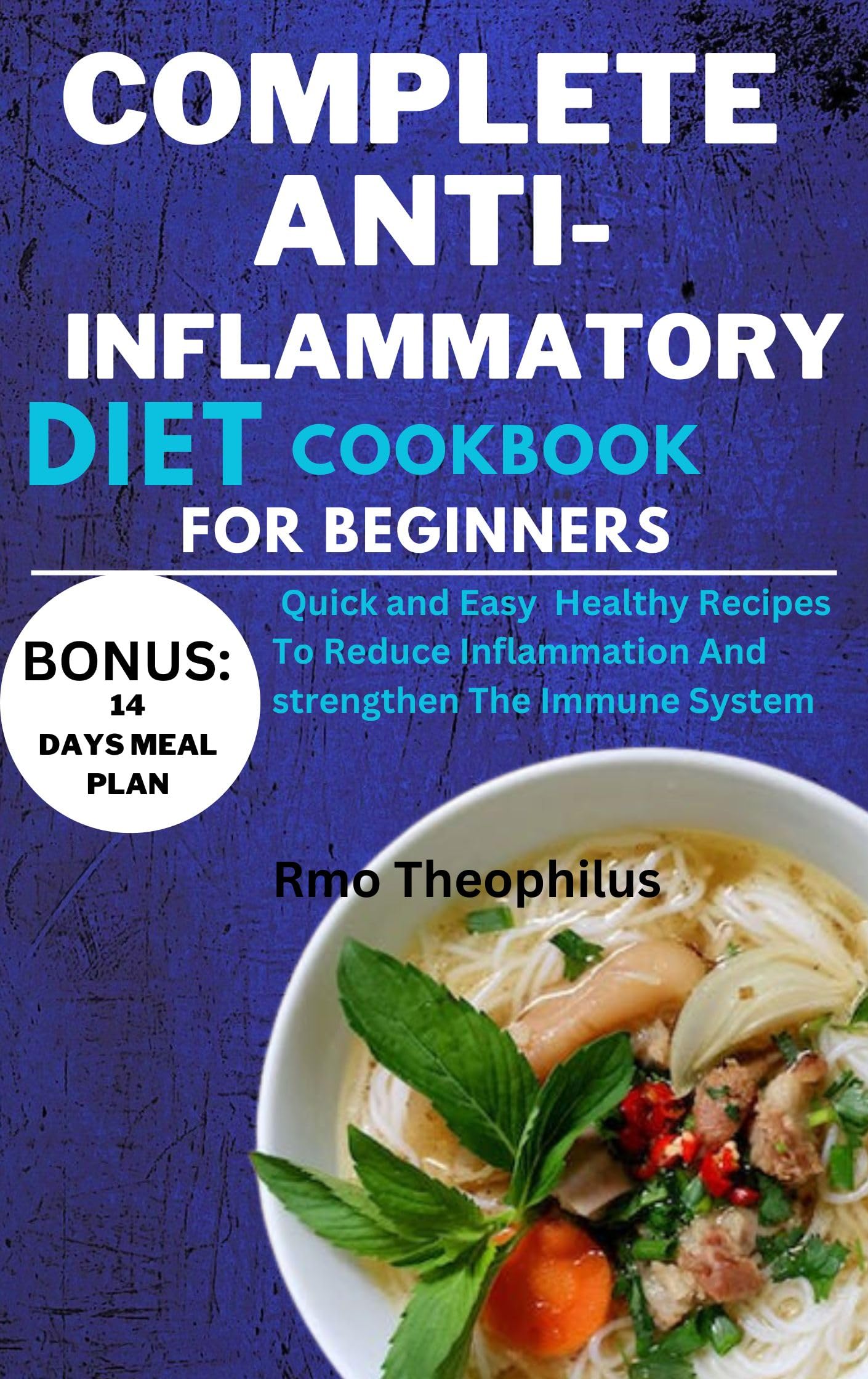
The Anti-Inflammatory Diet & Action Plans
A comprehensive guide that pairs the science behind inflammation with a practical, structured 4-week meal plan. It includes over 80 recipes organized by week and food type, plus detailed shopping lists that make the transition easy. Particularly useful if you want structure and evidence-based rationale behind every recommendation — not just a recipe collection, but an actual educational framework.
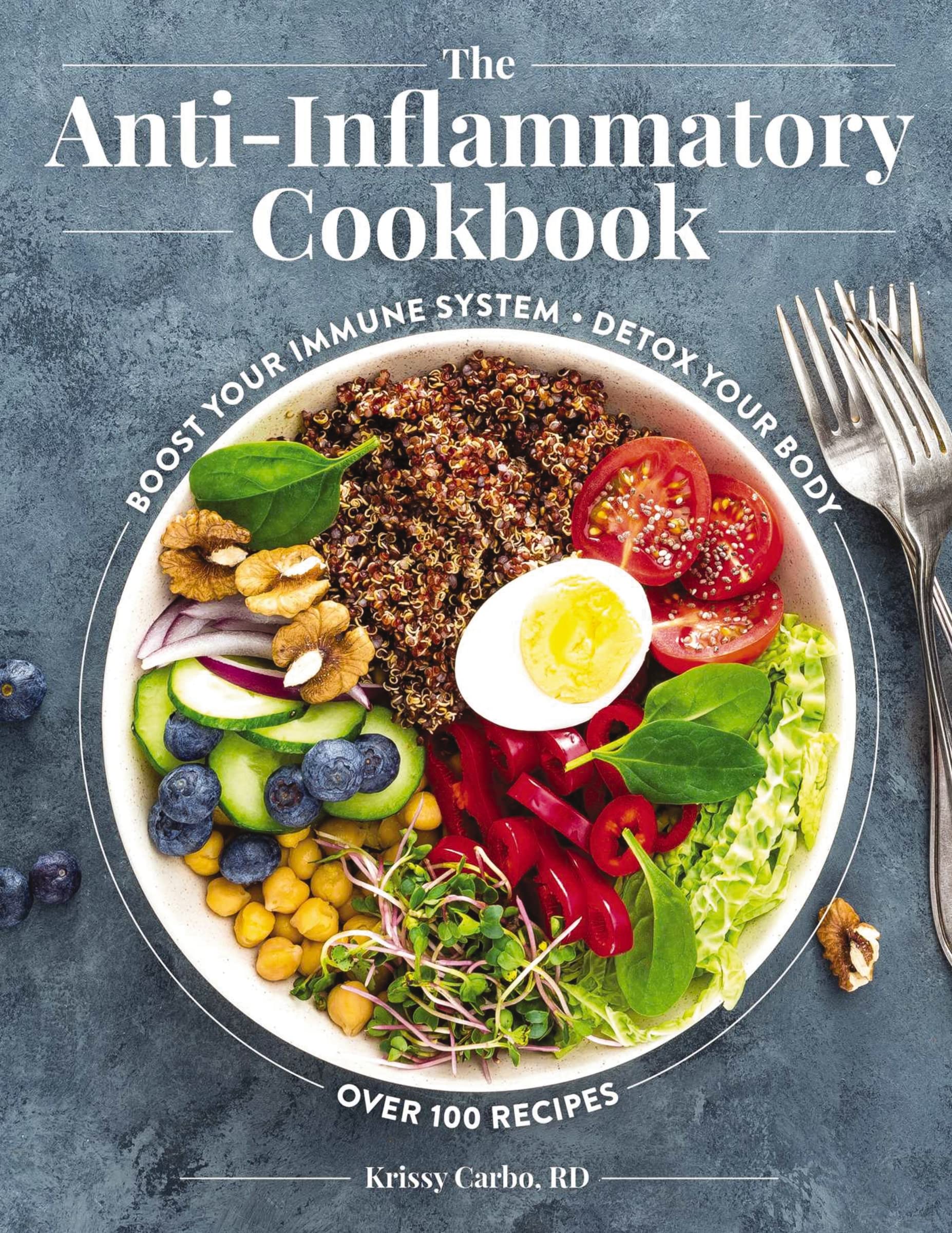
The Anti-Inflammation Cookbook
A beautifully designed cookbook with more than 100 recipes organized by anti-inflammatory ingredient — so you can look up ‘turmeric’ or ‘omega-3 foods’ and find every recipe that features that ingredient prominently. Includes detailed introductions to each key food and why it matters. Both genuinely educational and practically beautiful. I’ve bookmarked probably 30 recipes in mine.
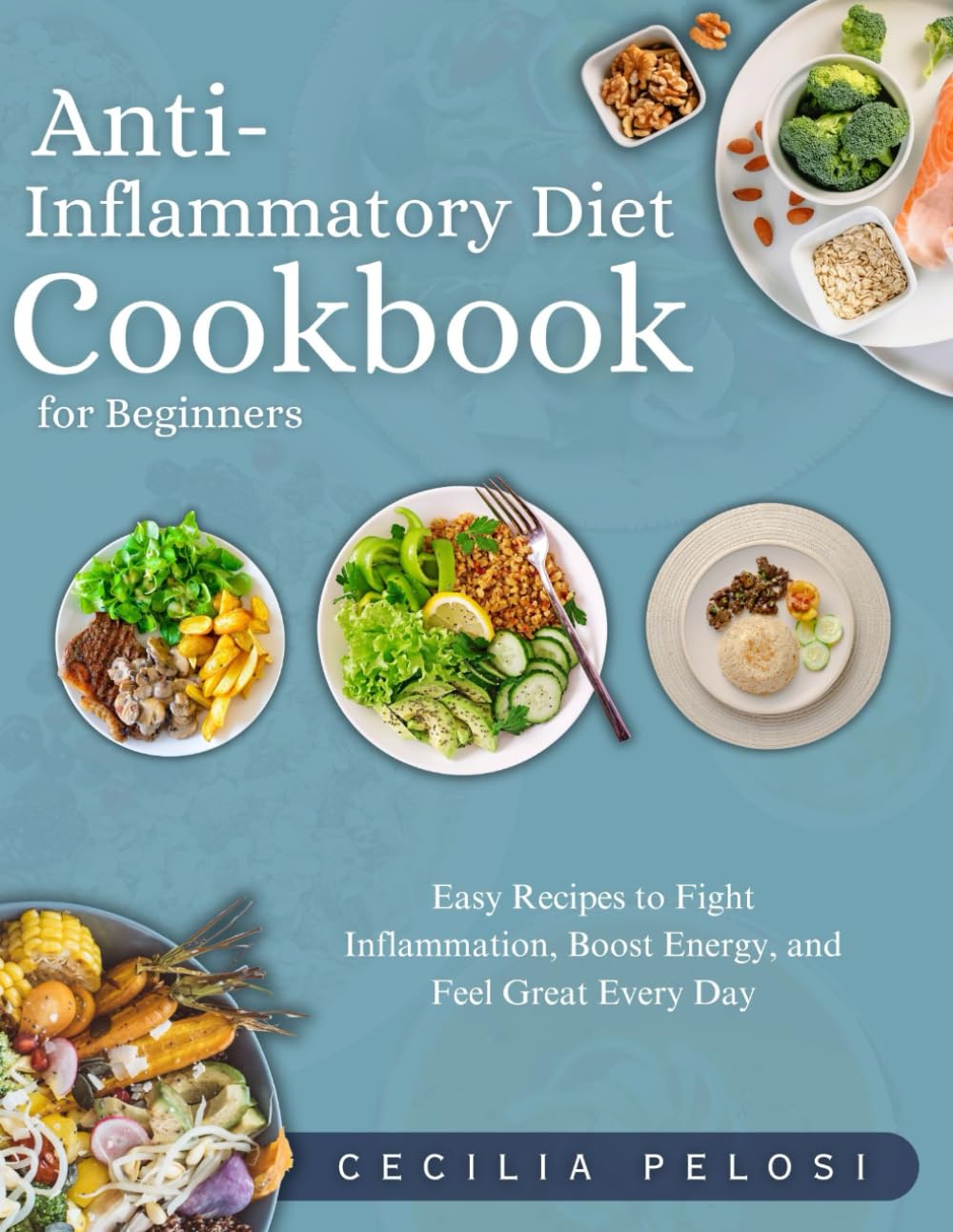
Anti-Inflammatory Diet Cookbook for Beginners
Perfect entry point if you’re just starting out and want accessible, manageable recipes without specialty ingredients or complex techniques. Recipes are organized by meal type, prep times are realistic, and ingredient lists are approachable. The introductory sections explain inflammation clearly without being overwhelming. Great first book before moving to more comprehensive resources.
Frequently Asked Questions About Anti-Inflammatory Eating
How long does it take to see results from an anti-inflammatory diet?
Some people notice changes in energy levels, digestive comfort, and mood within 2-3 weeks of consistent changes. For more measurable outcomes like reduced joint pain or improved inflammatory markers in bloodwork, most research suggests 8-12 weeks of consistent dietary changes before you’d expect to see significant results. It’s genuinely a long game — but a sustainable one when the food is delicious and doesn’t feel like deprivation.
Do I need to follow a strict anti-inflammatory meal plan?
In my experience, strict plans are hard to maintain long-term and often lead to an all-or-nothing mindset where one “bad” meal derails the whole approach. What works much better is building a rotation of meals you genuinely enjoy that happen to be anti-inflammatory in nature. Habits outlast willpower every time. Make anti-inflammatory eating your default rather than your rule.
Can I still eat meat?
Yes. Fatty fish (salmon, sardines, mackerel, anchovies) are among the most anti-inflammatory foods you can eat — they’re foundational to this approach, not a cheat. Grass-fed beef and pasture-raised poultry are fine in moderate amounts. Processed meats (bacon, hot dogs, sausage, deli meats) are genuinely worth limiting because they consistently show up in research as pro-inflammatory — not eliminating forever, just reducing how central they are to your regular eating pattern.
Is turmeric actually as powerful as people say?
Curcumin, the active compound in turmeric, does have real and well-documented anti-inflammatory properties. The research literature is actually quite strong on this. The important caveat: curcumin is poorly absorbed on its own. Two things dramatically improve absorption: black pepper (the piperine in pepper inhibits the enzymes that break down curcumin, increasing absorption by up to 2,000%) and fat (curcumin is fat-soluble). This is why my turmeric recipes always include a fat source and almost always include black pepper.
What about intermittent fasting? Does it help with inflammation?
There is growing research suggesting that time-restricted eating may have anti-inflammatory effects — partly through autophagy (cellular cleanup that happens during fasting periods) and partly through improvements in insulin sensitivity. That said, the evidence is still developing and intermittent fasting isn’t right for everyone. Focus on what you eat first; when you eat is a secondary consideration.
Is this way of eating expensive?
It doesn’t have to be, and I’d argue the most anti-inflammatory foods are actually some of the most affordable foods in the grocery store. Red lentils, canned beans and chickpeas, frozen spinach, frozen wild blueberries, canned sardines and salmon, whole grains, and seasonal vegetables are all budget-friendly staples. Fresh wild salmon and exotic berries can be expensive — but their frozen counterparts are nutritionally equivalent and much more affordable. Focus on plants, legumes, and frozen fish and you’ll eat anti-inflammatorily without breaking your grocery budget.
These five recipes have become genuinely foundational to how I cook and eat. I don’t make them because they’re “anti-inflammatory” in some abstract health-influencer way — I make them because the salmon is delicious, the lentil soup is deeply satisfying, and the Mediterranean salad is the thing I crave when I want something fresh and bright. The health benefits are a bonus that comes with eating food that happens to be excellent. I hope they find their way into your rotation too.
Free Download
Get My Daily Supplement Stack Guide
Everything I take, why I take it, and what I noticed — morning, midday, and evening. Free when you join the list.
No spam, ever. Unsubscribe anytime.