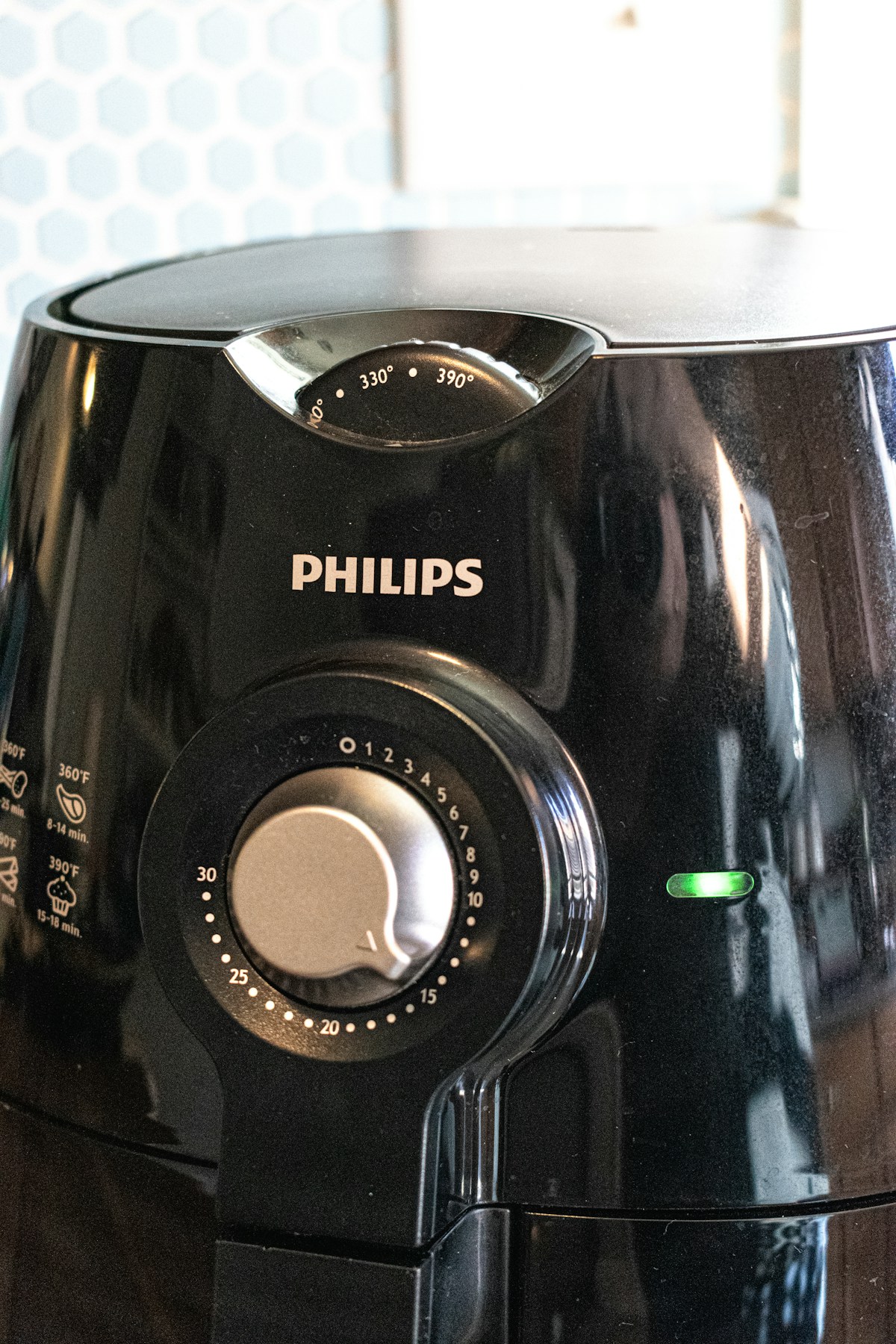

Okay, I’ll be honest — I was one of those people who rolled my eyes every time someone mentioned an air fryer. For years, I thought it was just another kitchen gadget that would end up collecting dust next to the spiralizer I used twice. My partner kept pushing me to try one, and I kept saying “it’s just a small convection oven.” I even said this out loud at a dinner party, feeling very smug about it.
Then a friend made me the most perfectly crispy chicken tenders I’d ever tasted. Not fried. Not baked into oblivion. Legitimately crispy on the outside, juicy inside — and made in under 15 minutes. I asked what sorcery this was. She pointed to her air fryer, looking entirely too satisfied with herself.
I went home and ordered one that night. That was two years ago, and I genuinely use it almost every single day now. If you’re where I was — skeptical, unconvinced, maybe already eyeing a few options but not sure which to pick — this post is for you. I’ve tested several models and I’m sharing my honest favorites, along with everything I wish I’d known before buying.
Why Air Fryers Are Actually Worth It
Let me address the “it’s just a convection oven” crowd (hi, that was me). Yes, air fryers use circulating hot air, similar to a convection oven — but the key difference is proximity and speed. In an air fryer, the food sits much closer to the heat source, and the smaller chamber means the hot air circulates more intensely and more rapidly around every surface of your food. The result? Things crisp up faster and more evenly than they would in a full-size oven.
Here’s what I actually use mine for on a weekly basis:
- Reheating leftover pizza — and I cannot overstate this one. The crust gets genuinely crispy again. My microwave pizza days are over.
- Roasting vegetables in 10 minutes instead of 30. Broccoli with a little avocado oil and garlic is my most-made side dish.
- Chicken thighs that come out golden brown without any oil. The skin renders beautifully.
- Frozen foods like dumplings, spring rolls, and fries — all dramatically better than baked.
- Toasting nuts and seeds for salads — watch them carefully, they can burn fast.
- Salmon fillets that cook in 8 minutes flat. I make these probably twice a week.
- Crispy chickpeas for snacking or salad toppings — addictive and takes 15 minutes.
I also love that it preheats almost instantly. When I want a quick weeknight dinner, waiting 20 minutes for my oven to preheat just doesn’t fit. The air fryer is hot and ready in 3-5 minutes. That time savings is real and it accumulates every single day.
There’s also the energy efficiency angle — an air fryer uses significantly less electricity than a full oven, which adds up over time. Not the main reason to buy one, but a nice bonus.
What to Look for When Buying an Air Fryer
Not all air fryers are created equal. Here’s what I’d pay attention to before buying:
Capacity
If you’re cooking for yourself or one other person, a 4-5 quart model is perfect. If you’re feeding a family or like to batch cook, go for 6 quarts or more. The basket size matters more than you think — if food is stacked on top of itself, it won’t crisp evenly. A 5.5-quart basket can comfortably fit a whole chicken or a generous serving of wings, while a smaller 4-quart is ideal for 1-2 people.
Ease of Cleaning
Dishwasher-safe baskets are non-negotiable for me. Some cheaper models have coatings that don’t hold up to dishwashing, so check the specs carefully. I also look for a crisper plate that lifts out easily — it makes cleaning so much less annoying. The best air fryers have a smooth, non-stick interior that wipes clean with a damp cloth after each use.
Functions
Most air fryers include air fry, roast, reheat, and dehydrate. Some fancier models add bake, broil, and toast. Unless you plan to use all those functions regularly, don’t pay extra for them. I honestly just need the basics and use air fry and roast 90% of the time. That said, the dehydrate function is genuinely useful if you like making jerky, dried fruit, or homemade kale chips.
Noise Level
Air fryers can be surprisingly loud. If you’re cooking early mornings or with a sleeping baby in the house, check reviews for noise levels. Most are around 65 dB — about as loud as a normal conversation — but some budget models can be noticeably louder. The fan is always running, which is the main source of noise.
Footprint and Cabinet Clearance
These things take up counter space. Measure your counter and especially check the height — you need clearance between the top of the unit and any cabinets above. I went through one return because I didn’t check and it wouldn’t fit under my kitchen cabinets. Some models have an exhaust vent on the back rather than the top, which helps with clearance.
Build Quality and Brand Reputation
I’ve had cheap air fryers that worked fine initially but had heating element issues within a year. Sticking with well-reviewed brands like Ninja, Cosori, and Instant Pot generally gets you a product that will hold up to daily use. Check the warranty too — most quality models offer at least a 1-year warranty, some offer more.
My Top Air Fryer Picks
I’ve had hands-on time with all three of these. They’re consistently highly rated, and for very good reason. Each serves a slightly different need.
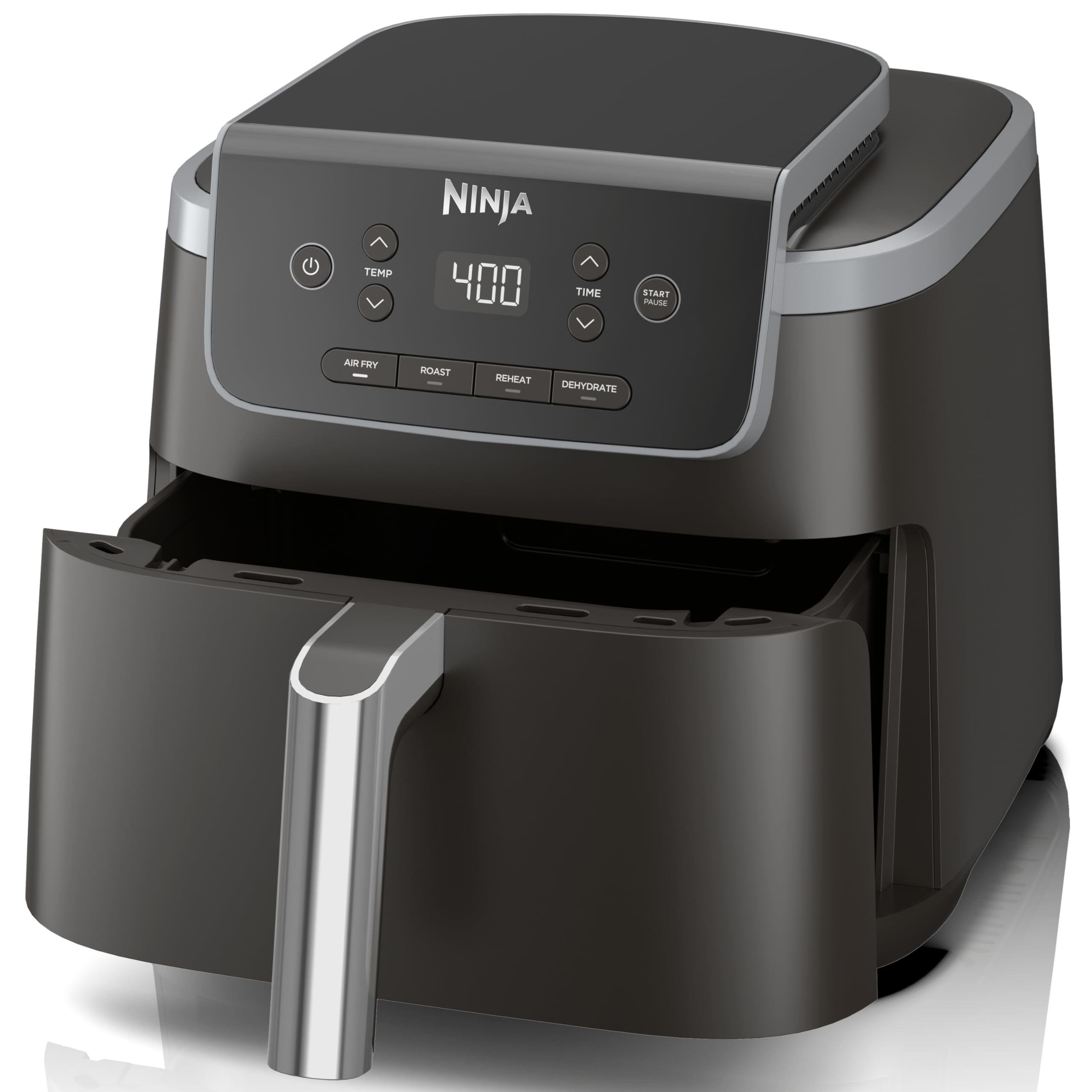
Ninja AF141 Air Fryer 5.5 Qt
One of the best-selling air fryers on Amazon for a reason — consistent crisping, intuitive digital controls, and a 5.5 Qt basket that comfortably fits a generous amount of food. Includes air fry, roast, reheat, and dehydrate modes with a wide temperature range from 105°F to 400°F. The dishwasher-safe basket and crisper plate make cleanup completely painless. Perfect size for 2-4 people and a fantastic first air fryer.
COSORI TurboBlaze 6Qt Air Fryer
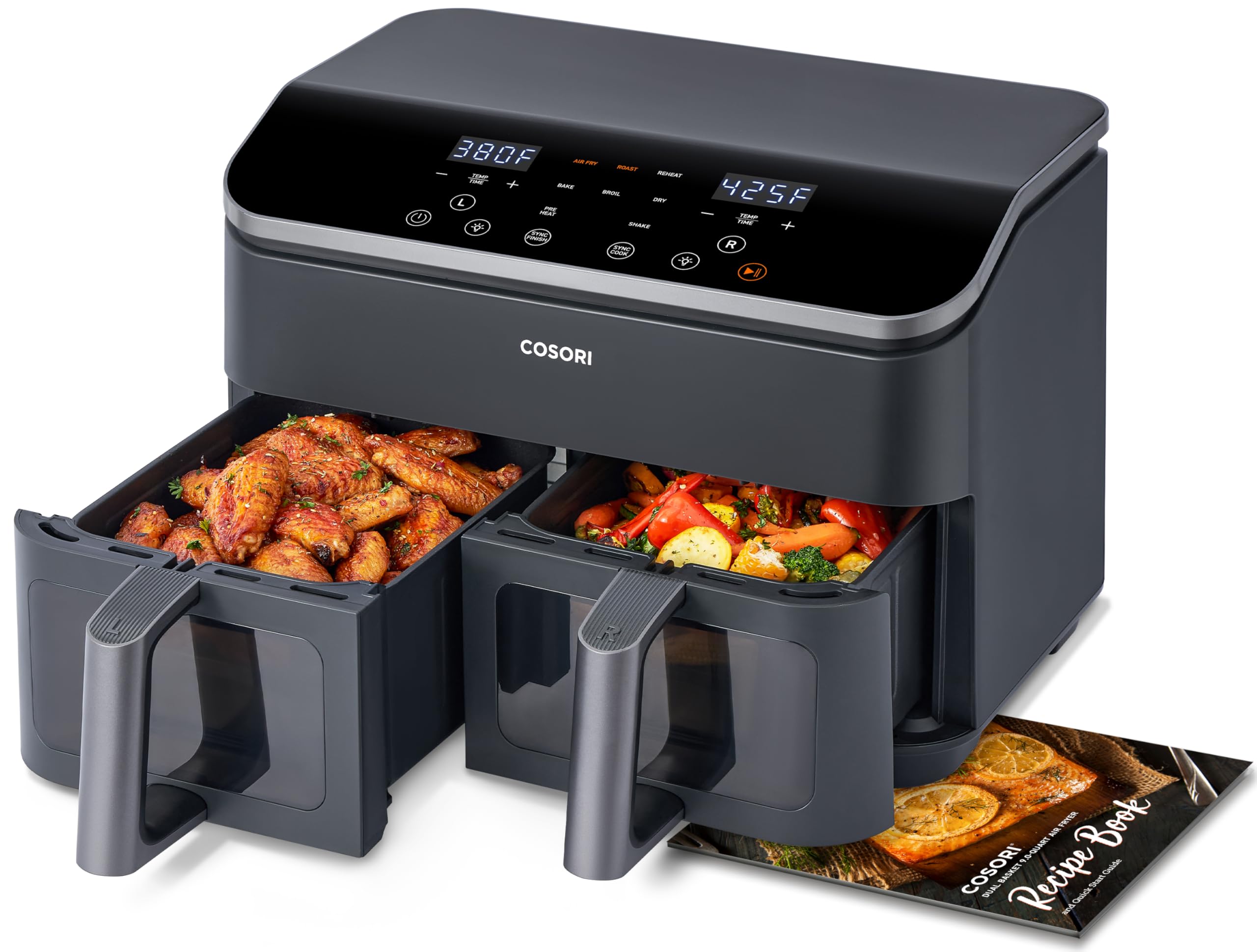
COSORI has been a top contender in the air fryer space for years, and the TurboBlaze is their best yet. The 6-quart capacity is great for families or batch cooking, and the TurboBlaze technology uses a powerful high-speed fan that crisps food noticeably faster and more evenly than most competitors. Features 9 cooking modes, a DC motor that runs quieter than most air fryers, and pairs with the COSORI app for access to hundreds of recipes with automatic time and temperature settings.
Instant Vortex Plus 6-Quart Air Fryer
From the makers of the Instant Pot comes this highly reliable 6-in-1 air fryer that air fries, roasts, broils, bakes, reheats, and dehydrates. The intuitive touchscreen is exceptionally easy to use, and the dishwasher-safe components make cleanup simple. Consistently produces crispy, evenly cooked results with excellent temperature accuracy. A great choice for households that want a versatile, trustworthy appliance from a brand with proven reliability.

How I Actually Use My Air Fryer Every Day
To give you a real sense of what daily air fryer life looks like, here’s what a typical week looks like for me:
- Monday: Salmon fillets with roasted asparagus — 12 minutes total, start to finish
- Tuesday: Reheated leftover rice bowls and crispy chickpeas for texture
- Wednesday: Frozen dumplings for a quick lunch — way better than microwave
- Thursday: Chicken thighs with roasted broccoli — one of my most-made meals
- Friday: Toasting cashews for a homemade trail mix while I do other things
- Weekend: Batch cooking sweet potato cubes and zucchini rounds for the week ahead
Tips for Getting the Best Results from Your Air Fryer
A few things I’ve learned from daily use that make a real difference in outcomes:
Don’t overcrowd the basket
This is the number one mistake people make and the most common reason food comes out steamed and soggy rather than crispy. If food is piled up, the hot air can’t circulate around each piece. Cook in batches if needed — it’s worth the extra few minutes for that perfect texture.
Pat food dry before cooking
Any moisture on the surface of your food will slow down browning and crisping. I pat chicken, fish, and vegetables dry with a paper towel before they go in. For vegetables, make sure they’re not still wet from washing. This one habit makes a noticeable difference in the final texture.
A light spray of oil goes a long way
Air fryers don’t need much oil, but a tiny spritz of avocado or olive oil spray on vegetables and proteins helps them get golden and delicious. I use a refillable oil mister — much better than aerosol cans, and you control exactly what oil you’re using and how much. For naturally fatty foods like chicken thighs or salmon, no added oil is needed.
Shake or flip halfway through
For anything in pieces — fries, vegetables, nuggets, chickpeas — give the basket a shake or use tongs to flip the pieces about halfway through cooking. This ensures even crisping on all sides and prevents one side from getting too dark while the other stays pale.
Preheat for 3-5 minutes
Most air fryers heat up quickly, but a short preheat still makes a difference, especially for things that need an initial burst of high heat to develop a crust or get color quickly. I always preheat for proteins and anything I want properly crispy.
Use the right temperature for the right outcome
I generally run between 375°F and 400°F for most proteins and vegetables. Lower temperatures (325-350°F) work well for reheating without overcooking. For dehydrating, you’ll want to drop down to 130-140°F. Every air fryer is a little different, so your first few uses are worth treating as calibration runs — note what works and adjust from there.
Air Fryer Mistakes to Avoid
Beyond overcrowding (which I mentioned above), here are a few other things to watch out for:
- Using wet batters: Traditional wet batter (like beer batter) doesn’t work in an air fryer — it drips through the basket. Breading works great, but stick to dry coatings like panko, flour, or cornmeal.
- Blocking the air vents: Air fryers need space around them for proper ventilation. Don’t push them against a wall or under cabinets while running. Most manufacturers recommend 5+ inches of clearance on all sides.
- Adding too much oil: Less is more. A light spray or a teaspoon is usually plenty. Too much oil leads to excess smoke and food that tastes greasy rather than crispy.
- Skipping the parchment liner for saucy foods: If you’re cooking something saucy or sticky, a perforated parchment liner makes cleanup dramatically easier and protects the non-stick coating.
Frequently Asked Questions About Air Fryers
Is air fryer food actually healthy?
Air fryers use significantly less oil than deep frying — sometimes none at all — which can reduce calorie intake for fried-style dishes. That said, the healthiness of the final dish depends mostly on what you put in it. Roasting vegetables in an air fryer is absolutely healthy. Making air fryer donuts or breaded cheese sticks is still indulgent food — just cooked with less oil than the deep-fried version. The appliance itself is a cooking method, not a magic health transformation machine.
Do I need to use oil in an air fryer?
You don’t have to, but a small amount helps with browning, flavor, and preventing sticking. I use a light spritz of avocado oil spray for most vegetables and lean proteins. For naturally fatty foods like chicken thighs, salmon, or sausages, no added oil is needed at all — they’ll release their own fat as they cook.
Can you air fry frozen food?
Absolutely — this is one of the air fryer’s best features and one I use constantly. Frozen vegetables, dumplings, egg rolls, potstickers, and french fries come out far crispier and more evenly cooked than baking in an oven. Generally, add 2-5 minutes to the package’s baking instructions as a starting point, and check partway through.
How do I clean my air fryer?
For models with dishwasher-safe baskets, just pop them in the dishwasher after use. For the heating element and the inside of the unit, I wipe it with a damp cloth once a week. Never submerge the main unit in water. For stuck-on food on the basket, a little baking soda paste and a soft brush (not metal!) does the job without scratching the coating. Running the basket empty at 350°F for 3 minutes after cleaning helps dry it thoroughly.
What size air fryer do I need?
1-2 people: 3-4 quarts is plenty for everyday use. 3-4 people: 5-6 quarts is the sweet spot that handles most meals in a single batch. 5+ people or dedicated batch cooking: look for 6+ quarts or consider a dual-zone model with two separate baskets that can run different foods at different temperatures simultaneously — genuinely useful for families.
Which air fryer should I buy as a first-timer?
Honestly? The Ninja AF141 is my go-to recommendation for most people. It’s priced in the mid-range, performs reliably and consistently, is easy to clean, and has been one of the top-rated models on Amazon for years. If you want more capacity or smarter technology, the Cosori TurboBlaze is worth the upgrade. And if you already love your Instant Pot and want to stay in that brand ecosystem, the Instant Vortex Plus is a fantastic choice.
I hope this helps you find the air fryer that’s going to change your weeknight cooking. I was a skeptic and now I’m a daily convert — that says something. Once you go air fryer, I genuinely promise you won’t look back. If you have questions about specific models or want to know how I cook specific things, drop them in the comments.
Free Download
Get My Daily Supplement Stack Guide
Everything I take, why I take it, and what I noticed — morning, midday, and evening. Free when you join the list.
No spam, ever. Unsubscribe anytime.