
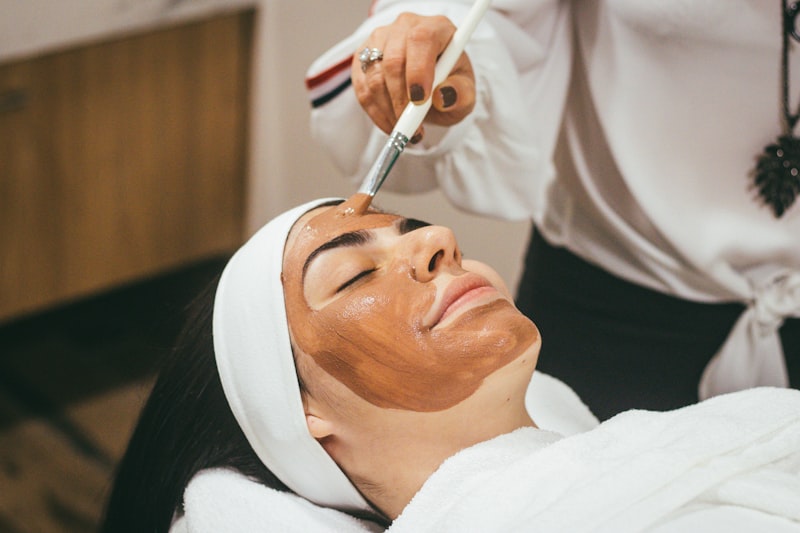

If you’ve ever used a hyaluronic acid serum on your face — and given how ubiquitous they’ve become in the skincare world, there’s a very good chance you have — you already know that topical HA works. That plumped, dewy, slightly bouncy feeling your skin gets after application? That’s real. Hyaluronic acid is one of the most effective humectants in skincare, capable of holding up to a thousand times its weight in water.
But here’s the thing that most beauty routines are missing: you can take hyaluronic acid internally — as an oral supplement — and what it does from the inside out is fundamentally different from, and in many ways more impactful than, what a serum can achieve on the surface.
I started adding oral hyaluronic acid to my supplement routine about 18 months ago, honestly because I’d hurt my knee training for a half marathon and my sports medicine doctor mentioned it as a supportive option for joint recovery. I wasn’t even thinking about my skin. Then around the eight-week mark, I noticed that my skin looked different in a way I couldn’t attribute to any product change. Softer. More hydrated-looking even on days I skipped my serum. The “dry and dull by end of day” feeling that used to set in by afternoon — gone.
That unexpected skin benefit sent me down a rabbit hole of research, and what I found genuinely shifted how I think about beauty supplementation. Let me share everything.
What Is Hyaluronic Acid and Why Does It Matter?
Hyaluronic acid (HA) is a glycosaminoglycan — a long sugar molecule — that occurs naturally throughout the human body. It’s found in highest concentrations in your skin, your joint synovial fluid, the connective tissue surrounding your organs, and the vitreous humor of your eyes. It’s one of the most important structural and functional molecules in your body’s “hydration infrastructure.”
What makes HA extraordinary is its water-holding capacity. A single gram of hyaluronic acid can hold up to six liters of water. It creates a gel-like matrix in your tissues that maintains moisture, provides cushioning, and supports the structural integrity of skin, cartilage, and connective tissue. It’s also actively anti-inflammatory and plays a role in wound healing and tissue repair.
Your body produces HA naturally through fibroblasts (skin cells) and chondrocytes (joint cells). The problem: production begins to decline noticeably in your late 20s and drops significantly by your mid-40s — estimated at roughly 50% lower production compared to young adulthood. UV exposure, smoking, poor nutrition, and chronic inflammation all accelerate this decline.
The result of declining HA production shows up everywhere: skin that loses its youthful plumpness, joints that feel less cushioned, eyes that feel drier and more uncomfortable. This is the biology behind the “she looks older” observation — it’s largely a HA story.
Oral HA vs. Topical HA: Understanding the Difference
This distinction is crucial and widely misunderstood, even among people who are deeply invested in their skincare routines.
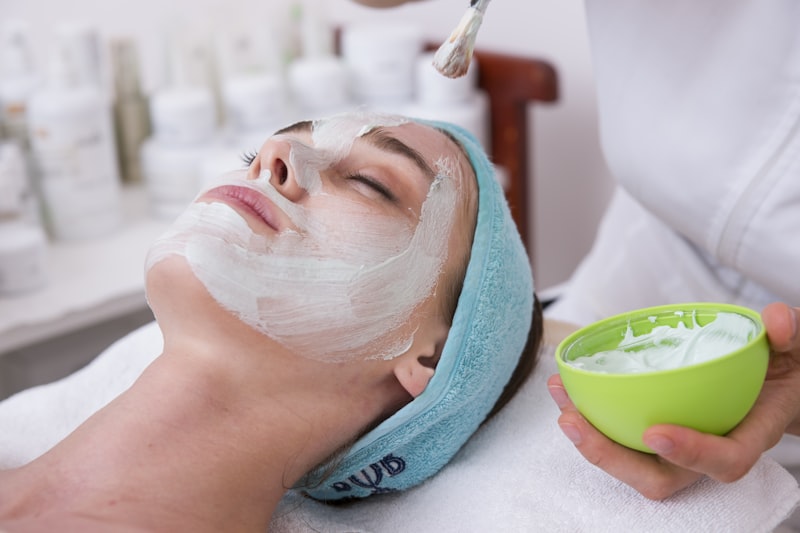
Topical hyaluronic acid works at the skin’s surface. It functions as a humectant — drawing moisture from the environment and from deeper skin layers into the epidermis (the outermost layer). This produces an immediate, visible plumping effect that most people notice within minutes of application. However:
- The effect is temporary — it lasts as long as the HA remains on your skin and is reversed by washing, sweating, or simply time.
- High-molecular-weight HA (the form in most serums) doesn’t penetrate past the epidermis — it can’t reach the dermis where collagen and elastin live.
- Topical HA in low humidity environments can actually draw moisture out of the skin rather than from the air, leading to paradoxical dryness. (This is why layering an occlusive moisturizer over HA serum is so important.)
Oral hyaluronic acid works completely differently. When you swallow an HA supplement, enzymes in your gut break it down into smaller fragments that are absorbed into the bloodstream. These fragments then:
- Travel systemically to all tissues that contain HA, including the deep dermis, joint cartilage, and synovial fluid
- Stimulate your fibroblasts to ramp up their own endogenous HA synthesis — you’re not just replacing HA, you’re signaling your body to make more of it
- Reduce HA breakdown by inhibiting hyaluronidase, the enzyme that degrades HA in tissue
The effects are slower — you won’t see anything dramatic in week one. But the changes are systemic, address the underlying biology, and continue improving with consistent supplementation. Topical HA is fast but surface-level; oral HA is slow but foundational.
The Research-Backed Benefits of Oral HA
Skin Hydration from the Inside
This is the benefit that has the most clinical backing. A double-blind, randomized, placebo-controlled trial published in the Journal of Clinical and Aesthetic Dermatology found that participants who took 120mg of oral hyaluronic acid daily for 12 weeks showed significant improvements in skin moisture, elasticity, and reduction of wrinkle depth compared to placebo. These were objective measurements using validated instruments, not just subjective “my skin feels better” reports.
A 2022 Japanese study found that 80mg/day of low-molecular-weight HA improved skin hydration, elasticity, and the appearance of periorbital wrinkles after just 8 weeks. Multiple other trials have replicated similar findings across varying doses and participant demographics.
What does this look like in practice? Skin that looks more hydrated and “filled out” from within. A reduction in the tightness and dullness that indicate dehydration. Fine lines that form primarily from dehydration (rather than from loss of collagen) becoming less noticeable. For me, it was that “soft from the inside” quality — like my skin cells themselves were better hydrated, not just coated with something from the outside.
Joint Lubrication and Comfort
Hyaluronic acid is the primary component of synovial fluid — the viscous lubricant that allows your joints to move smoothly without bone-on-bone friction. As HA production declines with age, synovial fluid becomes less viscous, and joints can feel stiff, creaky, and uncomfortable — especially first thing in the morning or after periods of inactivity.
Multiple clinical trials have found that oral HA supplementation reduces joint pain and stiffness, particularly in people with early-stage knee osteoarthritis. A 2008 study in Nutrition Journal found that daily oral HA supplementation significantly reduced knee pain in adults with joint discomfort after just 8 weeks. The proposed mechanism: oral HA fragments reach the synovial membrane and stimulate local HA production, improving joint lubrication from within.
If your joints feel less than optimal — whether from aging, athletic activity, a desk-bound lifestyle, or early arthritis — oral HA is worth adding to your routine before escalating to prescription options.
Eye Hydration and Comfort
Here’s a benefit most people don’t know about: roughly 80% of the vitreous humor filling your eyeball is hyaluronic acid. Dry, irritated eyes aren’t just from staring at screens — they may reflect declining HA in the eye tissues as well. Oral HA has been studied specifically for dry eye syndrome, with at least one clinical trial finding significant symptom reduction after 8 weeks of supplementation.
If you suffer from dry eyes — especially if you wear contacts, work on screens all day, or live in a dry climate — this systemic benefit of oral HA is worth knowing about.
What to Look for in an Oral HA Supplement
Quality matters more with hyaluronic acid than with many supplements, because both the source and the molecular weight significantly affect how well it’s absorbed and utilized.
- Molecular weight: Lower molecular weight HA (under 300 kDa) is absorbed more efficiently in the gut. Some research suggests a mixture of molecular weights may be optimal — lower MW for systemic absorption, higher MW for local gut effects. Look for “low molecular weight” or “hydrolyzed” HA.
- Source: Premium oral HA is produced via bacterial fermentation (usually from Streptococcus equi), yielding a pure, vegan-friendly product. Avoid animal-derived HA (from rooster combs) if purity or ethics are concerns.
- Dose: Most clinical research uses 80–200mg daily. Look for products in this range.
- Complementary ingredients: HA works well with collagen peptides (complementary structural support), vitamin C (essential for both HA and collagen synthesis), and MSM (sulfur compound supporting connective tissue).
- Third-party testing: As with all supplements, look for NSF, USP, or independent verification.
Dosage and Timing
The clinical evidence supports 80–200mg of hyaluronic acid daily. I take 100mg with breakfast each morning. Consistency over time is the key — this isn’t a supplement where you’ll notice dramatic changes after one week. Plan to take it daily for at least 8–12 weeks before evaluating whether it’s working for your skin. Joint benefits sometimes come faster (4–6 weeks).
Taking HA with food doesn’t significantly affect absorption — unlike fat-soluble supplements, HA doesn’t require fat to absorb. Take it whenever you’ll remember to take it consistently.
My Top Oral Hyaluronic Acid Picks
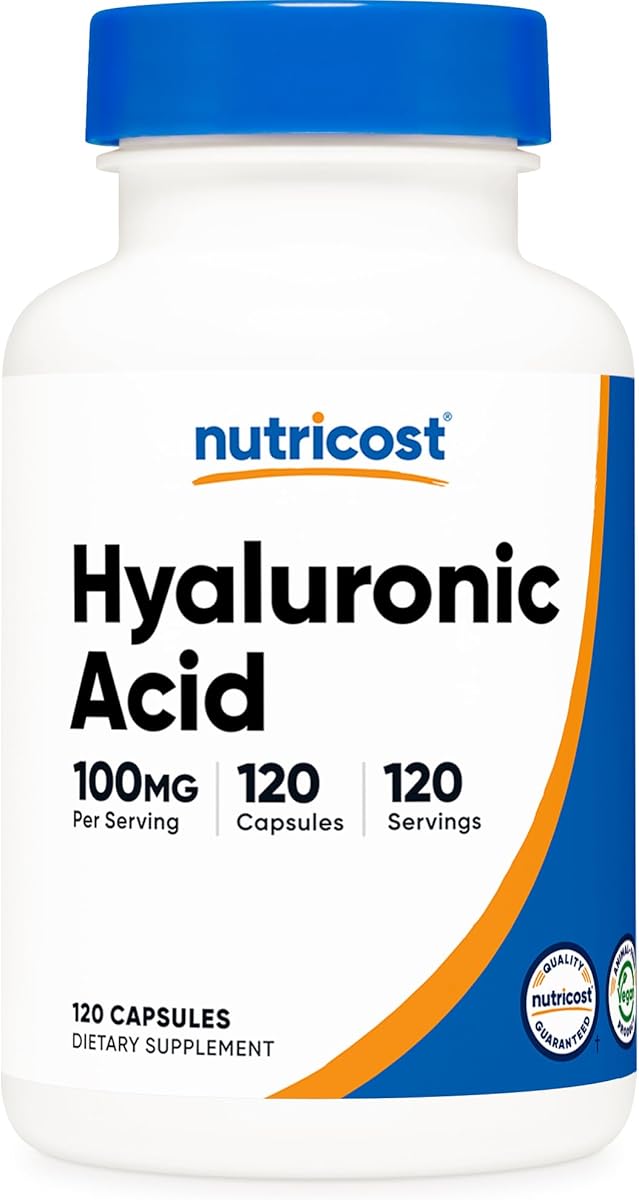
Nutricost Hyaluronic Acid 100mg, 120 Vegetarian Capsules
A clean, well-dosed 100mg hyaluronic acid in a vegetarian capsule. Non-GMO, gluten-free, and third-party tested. One of the most accessible and consistently rated oral HA supplements available. Perfect as a daily foundational supplement.
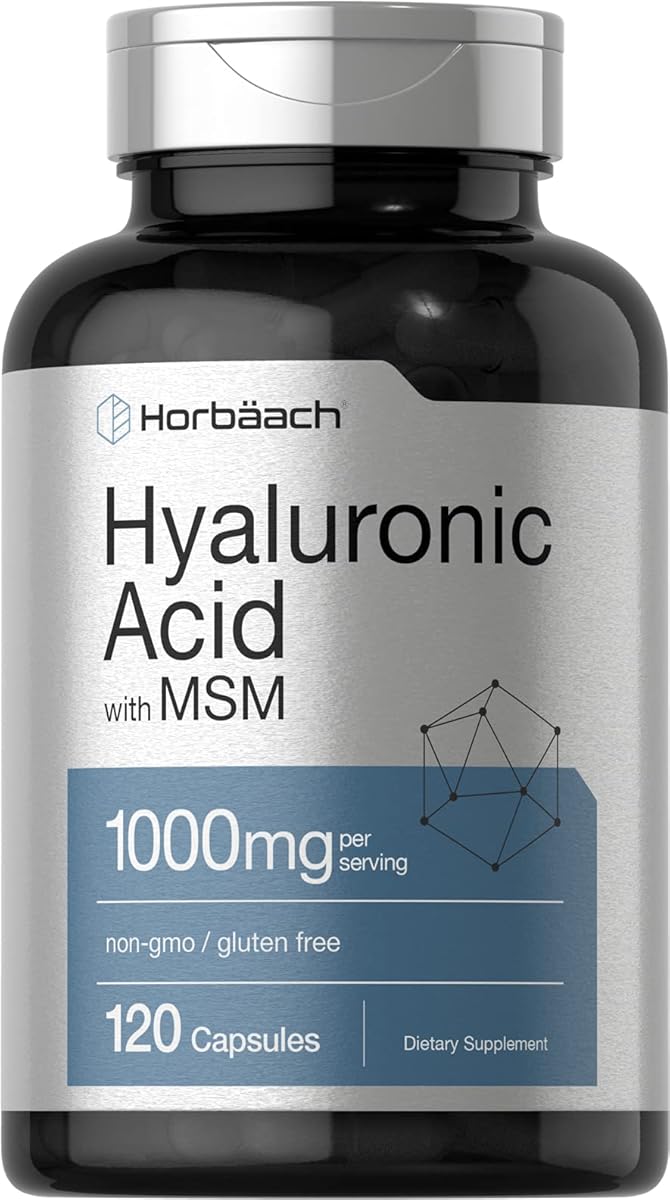
Horbäach Hyaluronic Acid with MSM 1000mg, 120 Capsules
Combines hyaluronic acid with MSM (methylsulfonylmethane), a sulfur-containing compound that supports connective tissue, joint health, and skin integrity. Non-GMO, gluten-free. A popular combination choice for those wanting joint and beauty benefits together.
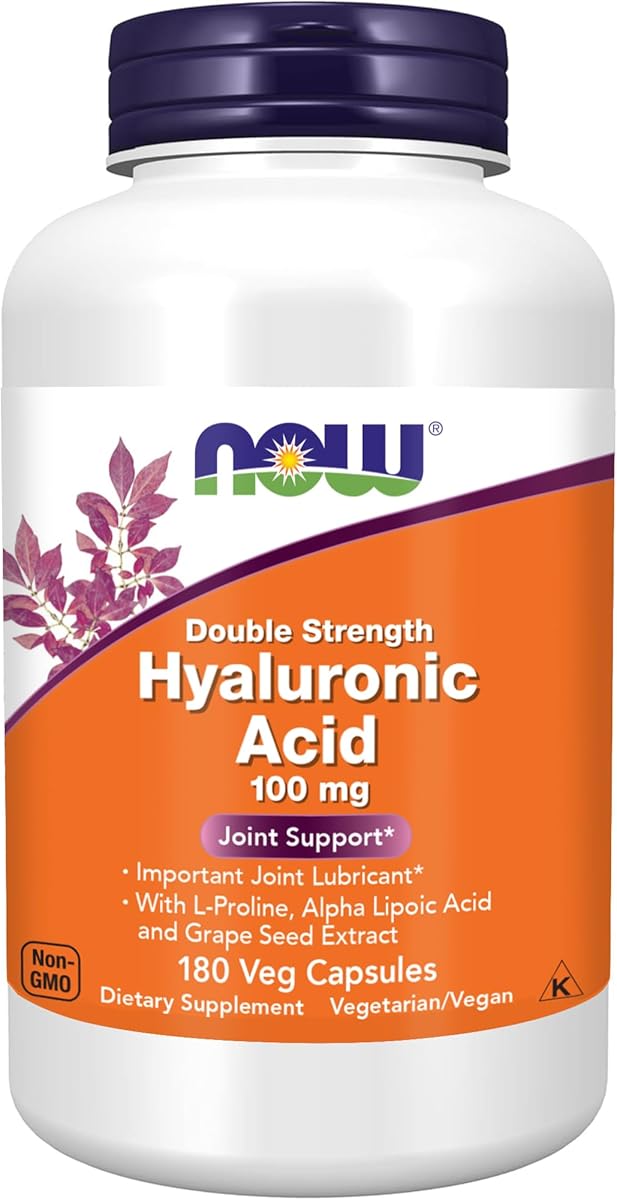
NOW Foods Hyaluronic Acid 100mg Double Strength with L-Proline
From one of the most trusted supplement brands, this formula pairs hyaluronic acid with L-Proline (a key amino acid for collagen synthesis) and alpha-lipoic acid for enhanced connective tissue support. A thoughtfully formulated option for comprehensive skin and joint health.
Frequently Asked Questions
Do I still need topical HA if I take it orally?
They work differently and serve different purposes. I use both. Topical HA for immediate surface hydration and plumping; oral HA for long-term systemic support from the inside. Together they cover all layers of skin and broader body benefits.
How long before I see skin improvements from oral HA?
Most people notice skin changes at 6–8 weeks. Full benefits for elasticity and wrinkle reduction are typically seen at 12 weeks. Joint improvements may come faster — sometimes within 4 weeks.
Can I take oral HA with collagen?
Yes, absolutely. They’re complementary — both support skin and joint structure through different pathways. Many people combine them. HA stimulates your body’s own production; collagen peptides provide building blocks for new collagen synthesis. Together they’re a strong combination.
Is oral HA safe long-term?
Yes. HA is a naturally occurring molecule in your body, and oral supplementation at standard doses has an excellent safety profile in research spanning over a decade. No known serious long-term side effects.
Oral Hyaluronic Acid for Athletes and Active Women
One group that often overlooks oral HA but could benefit tremendously from it: women who exercise regularly, particularly those who run, do high-impact cardio, or lift heavy. Joint stress from athletic activity accelerates the natural decline of HA in cartilage and synovial fluid, and supplementing proactively — rather than waiting until you have joint pain — is a smart preventative strategy.
A 2009 study on athletic adults with joint discomfort found that 80mg/day of oral HA significantly reduced pain and improved physical functioning compared to placebo after 8 weeks. The participants weren’t clinical patients with diagnosed arthritis — they were active adults experiencing typical exercise-related joint discomfort. This is the population that I think benefits most from oral HA but hears about it least.
After my knee injury, my sports medicine doctor was the one who pointed me toward oral HA. He explained that the synovial fluid in a joint under repeated mechanical stress — like running or high-impact training — degrades faster than the body can replenish it, especially as we age. Oral HA supplementation helps maintain that cushion. Think of it as joint maintenance, not just joint repair.
The Mind-Skin Connection: Stress, HA, and Your Appearance
Here’s something the research is increasingly clear on: chronic psychological stress significantly accelerates HA degradation in the skin. Cortisol — your primary stress hormone — upregulates hyaluronidase, the enzyme that breaks down HA in tissue. This is one of the biological mechanisms behind “stress aging” — the way that chronically stressed people often look older than their chronological age suggests.
This creates a compelling argument for oral HA supplementation specifically for women managing high-stress lifestyles. When your stress response is chronically elevated, your body is actively destroying HA faster than normal. Supplementing restores some of what stress is taking away, buying your skin and joints time to recover during high-demand periods.
I notice this myself during particularly demanding work weeks. My skin looks noticeably drier and less plump, my joints feel a little achier, and my eyes feel more fatigued — all hallmarks of elevated cortisol activity. My oral HA habit mitigates these effects and serves as an anchor in my routine that supports my body through stressful stretches.
Building Your Beauty Supplement Stack with Oral HA
Oral hyaluronic acid doesn’t have to stand alone. Here’s how it fits into a comprehensive beauty and wellness supplement stack:
- Oral HA + Collagen peptides: The most common and synergistic combination. HA supports the water-binding matrix; collagen provides structural protein fibers. Together they address skin structure comprehensively.
- Oral HA + Vitamin C: Vitamin C is the rate-limiting factor in collagen and HA synthesis — your body cannot make either without it. Taking vitamin C alongside HA ensures your fibroblasts have the raw materials they need.
- Oral HA + Biotin: Biotin supports keratin infrastructure in skin, hair, and nails. Pairing it with HA for hydration creates a well-rounded skin health stack.
- Oral HA + MSM: MSM (methylsulfonylmethane) provides organic sulfur, a key component of connective tissue. Several supplements now combine HA and MSM specifically for this synergy.
You don’t need all of these at once. Start with oral HA alone for 8–12 weeks to establish a baseline, then add complementary supplements as your budget and routine allow.
Disclosure: This post contains affiliate links. As an Amazon Associate, I earn from qualifying purchases at no extra cost to you.
Free Download
Get My Daily Supplement Stack Guide
Everything I take, why I take it, and what I noticed — morning, midday, and evening. Free when you join the list.
No spam, ever. Unsubscribe anytime.