

I’ll be honest — kale was not always my thing. For a long time it felt like one of those foods people ate to prove a point, not because they actually enjoyed it. Then I started putting it in smoothies, massaging it into salads with lemon and olive oil, and sneaking it into pasta, and now I can’t imagine not eating it regularly. Once you figure out how to actually prepare it, it becomes one of those staples you just keep coming back to.
But beyond the taste (once you learn to work with it), kale is genuinely one of the most nutrient-dense foods you can eat. We’re talking vitamins, minerals, antioxidants, fiber, and anti-inflammatory compounds — all packed into a leafy green that’s incredibly versatile and available year-round. Here’s everything it can do for you.
What Makes Kale So Nutritious?
Kale is a cruciferous vegetable — the same family as broccoli, cauliflower, Brussels sprouts, and cabbage. What sets it apart is just how much nutrition it packs per calorie. One cup of raw kale has roughly 33 calories and delivers meaningful amounts of Vitamin K, Vitamin C, Vitamin A, manganese, calcium, potassium, and B vitamins. It also contains fiber, protein (yes, protein), and a range of powerful antioxidants.
There are several varieties — curly kale (the most common), lacinato (also called dinosaur kale — flatter, darker, slightly more tender), and red/purple kale. All are nutritious; lacinato tends to be the easiest to cook with for beginners because it’s less bitter and breaks down nicely.
The Benefits of Eating Kale Regularly
It’s One of the Best Sources of Vitamin K
A single cup of raw kale provides over 600% of your daily recommended intake of Vitamin K1. Vitamin K is essential for blood clotting and bone metabolism — it helps your body use calcium properly, which matters a lot for long-term bone density. If you’re someone who doesn’t eat a lot of leafy greens, there’s a good chance you’re not getting enough K.
Loaded with Antioxidants
Kale is rich in antioxidants including quercetin and kaempferol — compounds that help neutralize free radicals in the body. Free radical damage is linked to aging, inflammation, and chronic disease, so eating foods that actively fight oxidative stress is genuinely protective over time. These same antioxidants also have anti-inflammatory, anti-viral, and heart-protective properties.
Supports Heart Health
Kale contains compounds called bile acid sequestrants, which bind to bile acids in the digestive system and prevent them from being reabsorbed. Your liver then has to pull cholesterol from the blood to make new bile acids — effectively lowering LDL (bad) cholesterol levels. Steamed kale has been shown in studies to be especially effective for this. Combined with its potassium content (which supports healthy blood pressure), kale is one of the most heart-friendly vegetables you can eat.
High in Vitamin C for Immunity and Skin
Kale actually has more Vitamin C per gram than oranges. Vitamin C is essential for collagen production, immune function, iron absorption, and skin health. If you’re eating kale regularly, you’re giving your body a consistent supply of one of the most important vitamins for looking and feeling good.
Supports Eye Health
Kale is rich in lutein and zeaxanthin — two carotenoids that concentrate in the retina and protect against macular degeneration and cataracts. Most people don’t eat nearly enough of these compounds, and leafy greens like kale are the primary dietary source. If you spend a lot of time on screens, this is especially worth paying attention to.
Great Source of Plant-Based Calcium
Kale contains more calcium per calorie than milk, and its calcium is actually fairly well-absorbed (unlike spinach, which has high calcium but also high oxalates that block absorption). For anyone who’s dairy-free or just looking to diversify their calcium sources, kale is one of the best plant-based options available.
Supports Detoxification
Kale contains sulfur-containing compounds called glucosinolates, which support your liver’s natural detoxification pathways. When you chew or cook kale, these compounds are converted into active forms (isothiocyanates and indole-3-carbinol) that have been studied for their potential to reduce cancer risk and support cellular health. This is one of the main reasons cruciferous vegetables come up so often in the conversation about cancer prevention.
High in Fiber for Gut Health and Satiety
Kale provides both soluble and insoluble fiber, which supports digestion, feeds beneficial gut bacteria, and keeps you full longer. If you’re someone who struggles with hunger between meals or inconsistent digestion, adding more leafy greens like kale is one of the simplest things you can do to help.
How to Actually Eat Kale (Without Hating It)
The biggest barrier for most people is the texture and bitterness of raw kale, especially curly kale. Here’s how to work with it:
- Massage it: Drizzle raw kale with olive oil and a pinch of salt, then massage it with your hands for 2-3 minutes. This breaks down the tough cell walls and reduces bitterness significantly. The texture becomes almost silky.
- Add acid: Lemon juice or apple cider vinegar helps balance kale’s bitterness and brightens the whole dish. Always finish kale salads with a squeeze of lemon.
- Blend it: In a smoothie with banana, frozen mango, and a little coconut water, you genuinely cannot taste the kale. Start here if you’re resistant to the flavor.
- Roast it into chips: Toss with olive oil, salt, and nutritional yeast, roast at 300°F until crispy. Kale chips are addictive and take about 20 minutes to make.
- Wilt it into things: Stir it into soups, pasta, grain bowls, or scrambled eggs in the last few minutes of cooking. It wilts down to almost nothing and adds nutrition without much flavor impact.
- Use lacinato: If curly kale feels too tough, switch to lacinato/dinosaur kale. It’s more tender, slightly less bitter, and much easier to work with both raw and cooked.
How Much Kale Should You Eat?
There’s no specific requirement, but most nutrition research points to aiming for 1-2 cups a few times per week as a reasonable target. Daily kale is absolutely fine for most people — the main exception is anyone on blood thinners (Warfarin/Coumadin), since kale’s high Vitamin K content can interfere with the medication. If that’s you, talk to your doctor about how much is appropriate for your situation.
There’s also a lot of concern online about kale and thyroid function — specifically that glucosinolates can interfere with iodine uptake. In reality, you’d need to eat enormous amounts of raw kale daily for this to be a concern. Normal consumption is completely fine for most people with thyroid conditions. When in doubt, cooking kale reduces glucosinolate content significantly.
Easy Ways to Add More Kale to Your Diet
- Kale smoothie: 2 cups kale + 1 banana + 1 cup frozen mango + coconut water
- Massaged kale salad: kale + lemon + olive oil + tahini + chickpeas + everything bagel seasoning
- Kale chips: torn kale + olive oil + salt + nutritional yeast, roasted at 300°F
- Kale pasta: wilt into any pasta in the last 2 minutes of cooking with garlic and olive oil
- Kale eggs: chop and sauté with garlic, add eggs on top and scramble together
- Kale soup: add a big handful to any vegetable soup or white bean soup
Frequently Asked Questions
Is raw or cooked kale more nutritious?
Both have benefits. Raw kale retains more Vitamin C and some heat-sensitive nutrients. Cooked kale reduces glucosinolates (which matters if you have thyroid concerns) and makes certain nutrients more bioavailable. Eating it both ways is the best approach — massaged raw for salads, wilted or roasted when adding to hot dishes.
Can you eat kale every day?
Yes, for most people. The only exceptions are those on blood thinners (Warfarin) who need to keep their Vitamin K intake consistent, and people eating truly massive amounts who might be concerned about thyroid interference from glucosinolates. For the average person, daily kale is nothing but a positive.
Is kale good for weight loss?
It’s a great food to include if weight management is a goal — it’s very low in calories, high in fiber and water content, and satisfying. It also helps crowd out less nutritious options when you’re building meals around it. But it’s not a “weight loss food” in isolation; it works as part of an overall approach to eating.
Does kale help with bloating?
It can, because of its fiber and gut-supporting compounds — but for some people, large amounts of raw cruciferous vegetables can cause gas and bloating. If you’re sensitive to this, start with smaller amounts and cook the kale rather than eating it raw. Massaging it also helps break down some of the compounds that contribute to gas.
What’s the difference between kale and spinach?
Both are nutritional powerhouses, but they’re different in a few key ways. Kale has more Vitamin K, Vitamin C, and calcium. Spinach has more iron and folate, but its high oxalate content reduces calcium and iron absorption. Kale’s calcium is more bioavailable. Eating both regularly is the best strategy.
The Best Kale Recipes for Beginners
If you’re still figuring out how to actually enjoy kale, start here. These four recipes are simple, forgiving, and genuinely delicious — no fancy equipment or chef skills required.
Kale Caesar Salad
This is the recipe that converts most kale skeptics. Strip the leaves from the stems, tear them into bite-sized pieces, and massage with a squeeze of lemon and a drizzle of olive oil until slightly softened. Top with your favorite Caesar dressing (store-bought is totally fine), a handful of shaved Parmesan, and some crunchy croutons. The lemon massage tames the bitterness and gives the leaves a silky texture that holds up beautifully to a thick, creamy dressing. This one keeps well in the fridge, so it’s great for meal prep too.
Kale and White Bean Soup
This is cozy, filling, and comes together in about 30 minutes. Sauté some onion, garlic, and a pinch of red pepper flakes in olive oil until softened. Add a can of drained white beans, a can of diced tomatoes, and about 4 cups of vegetable or chicken broth. Let it simmer for 10 minutes, then stir in a big handful of chopped kale in the last 5 minutes. Season with salt, pepper, and a squeeze of lemon. That’s it. It’s the kind of soup that tastes like it took all day, and it freezes perfectly if you want to make a double batch.
Kale Chips
If you’ve never made kale chips, you’re missing out. Tear the leaves into large pieces (they shrink a lot), toss with a little olive oil, salt, and nutritional yeast if you have it, and spread in a single layer on a baking sheet. Roast at 300°F for about 20 minutes, checking halfway through, until crispy but not burnt. They go from perfect to overdone quickly, so stay nearby. Eat them the same day — they lose their crunch if you store them. This is genuinely a great snack option if you’re trying to eat less processed food.
Green Smoothie
Blend 2 big handfuls of kale with 1 frozen banana, 1 cup of frozen mango, and about 1 cup of coconut water or regular water. Blend until completely smooth. The banana and mango mask the kale entirely — you get all the nutrition without any of the bitterness. If you want it creamier, add a spoonful of almond butter or half an avocado. This is an easy way to add a full serving of greens to your morning without even thinking about it.
Kale vs. Other Leafy Greens — How Does It Compare?
Kale gets a lot of attention, but how does it actually stack up against the other greens you might already be eating? Here’s a quick breakdown:
Kale vs. Spinach
- Vitamin K: Kale wins by a wide margin — over 600% of your daily value per cup vs. about 180% for spinach.
- Vitamin C: Kale wins — much higher per gram than spinach.
- Iron and Folate: Spinach wins — significantly higher in both.
- Calcium absorption: Kale wins — spinach has high oxalates that block calcium absorption, while kale’s calcium is more bioavailable.
- Best for: Use kale for vitamin K, C, and calcium. Use spinach when you need iron and folate — great for pregnancy or anyone who’s anemic.
Kale vs. Arugula
- Nutrient density: Kale wins overall — arugula is nutritious but kale packs more vitamins and minerals per serving.
- Flavor: Arugula is peppery and slightly bitter, great as a base for lighter salads. Kale is earthier and heartier.
- Best for: Kale is your everyday nutritional workhorse. Arugula is better as a flavor-forward salad green or pizza topping where you want a peppery bite.
Kale vs. Romaine
- Nutrients: Kale wins significantly — romaine is mostly water and fiber, which isn’t a bad thing, but it doesn’t come close to kale’s vitamin and mineral profile.
- Texture and versatility: Romaine is crisp and mild, perfect for wraps, traditional Caesar salads, and lettuce cups. Kale is tougher but holds up better in warm dishes and meal-prepped salads.
- Best for: Kale when you want nutrition. Romaine when you want something light, crisp, and easy-to-eat raw without any prep work.
The bottom line: there’s no single “best” leafy green. Rotating between kale, spinach, arugula, and romaine gives you the broadest range of nutrients and keeps meals interesting. But if you’re going to prioritize one for sheer nutritional impact, kale is hard to beat.
Our Favorite Kale Products to Try
Not always in the mood to prep fresh kale? These are our top picks for getting the benefits in a more convenient form — kale powder for smoothies, capsules for on-the-go, and pure raw powder for cooking and baking.
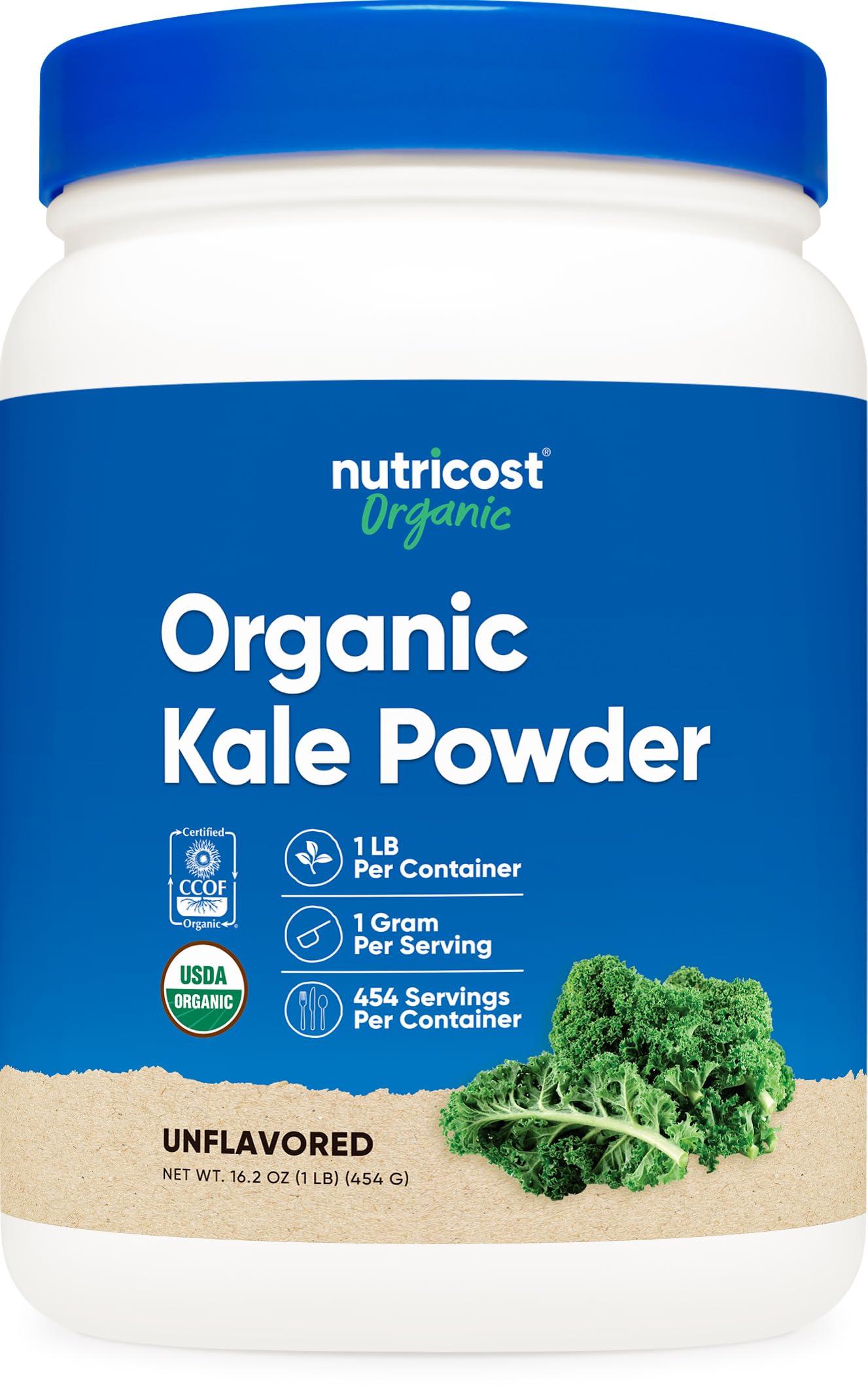
Nutricost Organic Kale Powder 1LB
Pure organic kale powder, 1LB — perfect for smoothies, juices, and baking. Non-GMO, gluten-free, made in a GMP-compliant facility. One easy way to get a concentrated dose of kale’s nutrients daily.
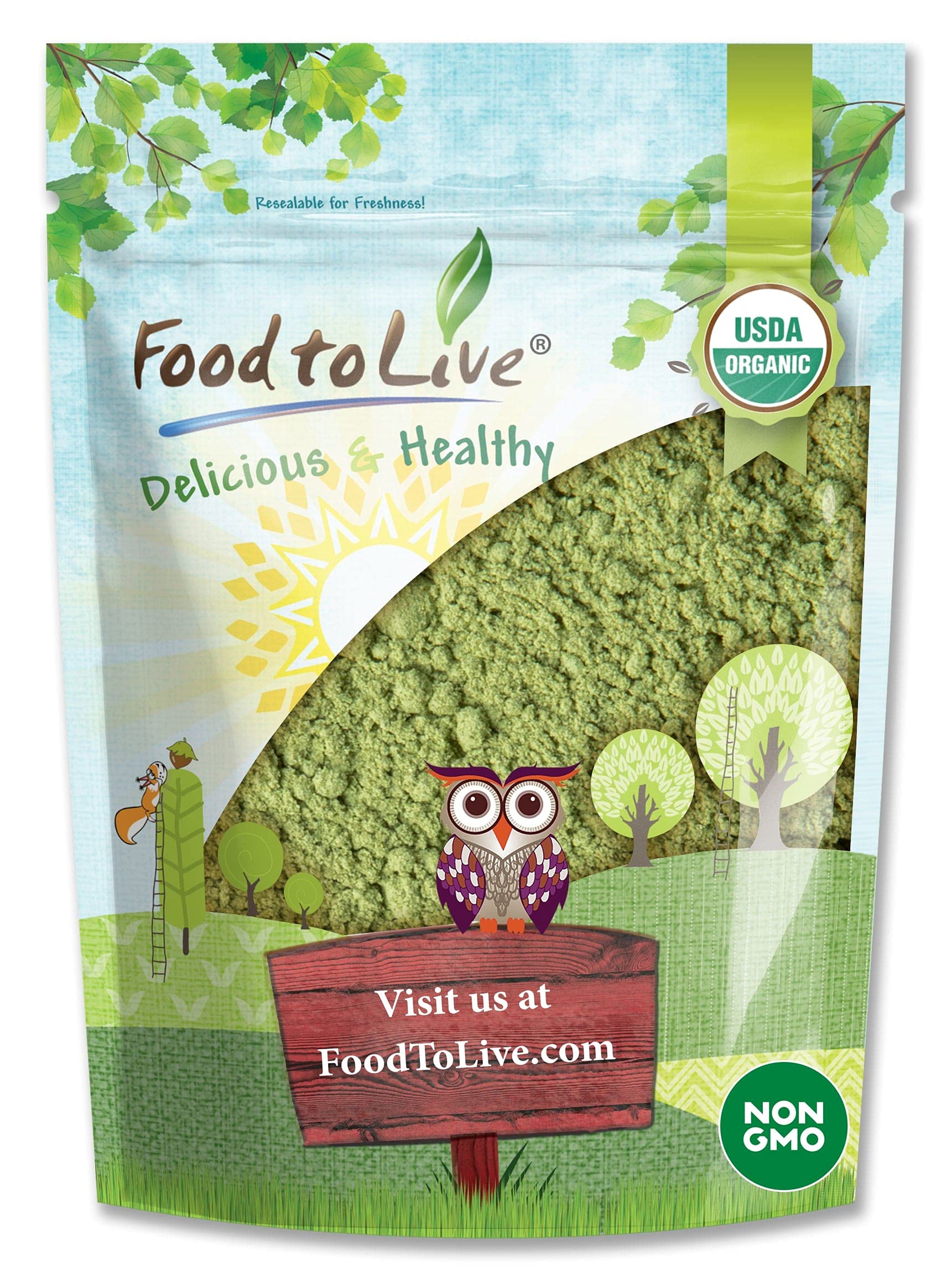
Food to Live Organic Kale Powder
USDA Organic raw kale powder from whole dried kale leaves. No additives, no fillers — just kale. Blend into smoothies or stir into water for a quick greens boost.
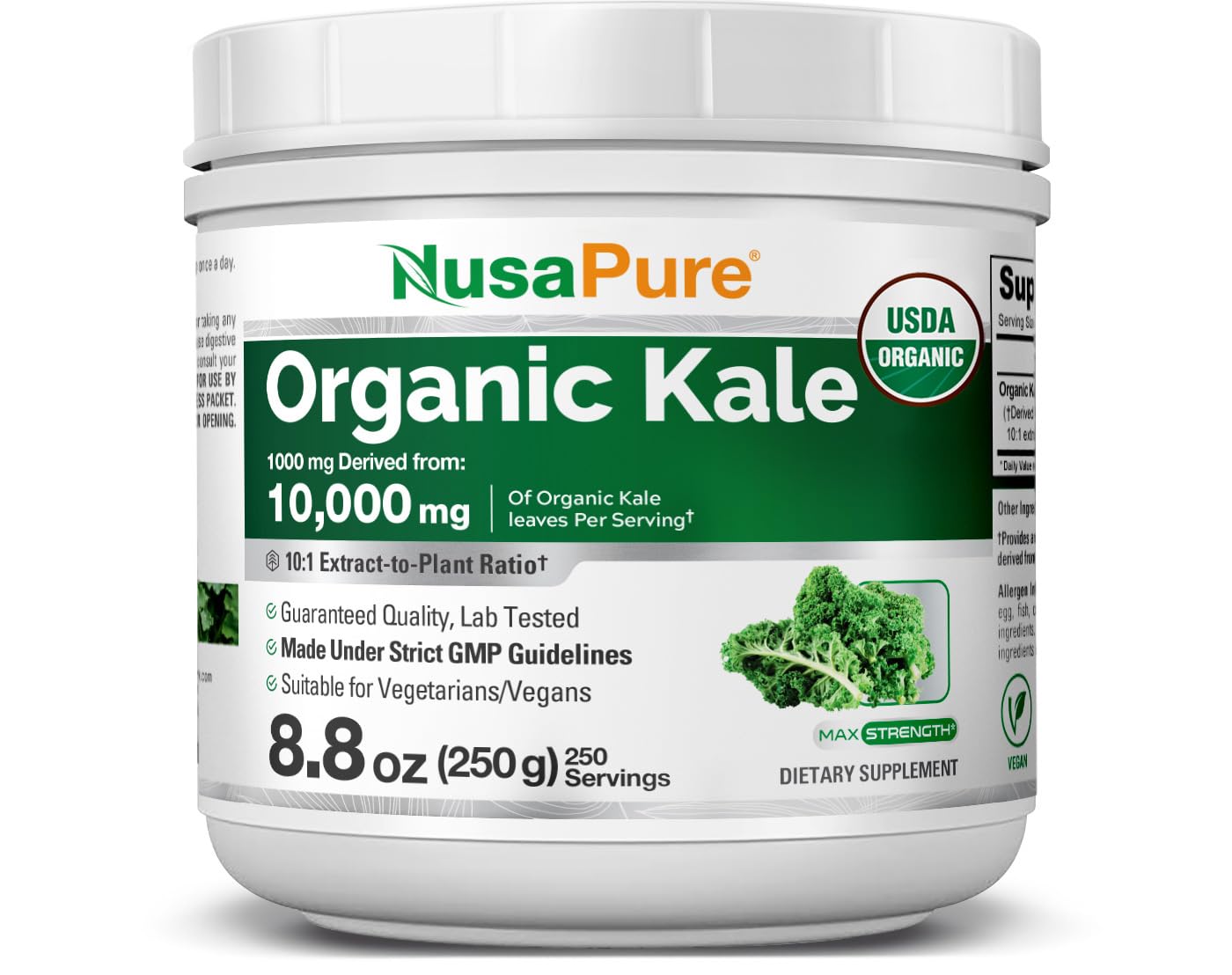
NusaPure Organic Kale Extract Capsules
Concentrated 10:1 kale extract in capsule form — 10,000mg equivalent per serving. Great if you want the benefits without the prep or taste. Organic, non-GMO, vegan.
You’ll Also Love
- Vitamin C Supplement Benefits: What Taking It Daily Actually Does for Your Body
- The Best Probiotic for Women: Why Gut Health Changes Everything
- Magnesium Glycinate Benefits for Women
Free Download
Get My Daily Supplement Stack Guide
Everything I take, why I take it, and what I noticed — morning, midday, and evening. Free when you join the list.
No spam, ever. Unsubscribe anytime.