

Here’s a fact that changed how I thought about vitamin C forever: your body doesn’t store it. At all. Vitamin C is water-soluble, which means whatever your cells don’t use today gets excreted. Every single day, you’re starting from scratch. And every single day, your body is burning through it faster than most people realize.
Stress burns through it. Poor sleep burns through it. Environmental pollution burns through it. Strenuous exercise burns through it. Smoking burns through it dramatically. Even just spending hours in front of a screen with blue light exposure increases oxidative stress, which accelerates vitamin C depletion. By the time you factor in the general demands of modern life — cortisol spikes, inflammatory foods, suboptimal sleep — your daily vitamin C needs are almost certainly higher than the outdated RDA of 75mg would suggest.
An orange has about 70mg. A bowl of strawberries has 85mg. On the surface, that seems fine — until you realize that the 75mg RDA was set to prevent scurvy (a severe deficiency disease), not to optimize health. Researchers studying optimal vitamin C levels for immune function, collagen synthesis, and antioxidant protection consistently work with doses in the range of 500–2,000mg per day. That’s 7–27 times what the RDA recommends.
What Vitamin C Actually Does in Your Body

Collagen Production: The Skin-From-Within Connection
Vitamin C is an absolutely essential cofactor for collagen synthesis. Without it, the enzyme processes that build and cross-link collagen fibers simply can’t function. This is the mechanism behind scurvy — without vitamin C, connective tissue literally falls apart. Your skin, joints, blood vessel walls, and wound healing all depend on adequate vitamin C for the collagen they’re constantly renewing.
This is why “vitamin C serum” became such a massive skincare trend — topical vitamin C directly stimulates collagen synthesis in skin fibroblasts. But here’s what the serum industry doesn’t want you to think too hard about: topical application is competing with limited penetration, oxidation instability, and the fact that your skin is constantly pulling vitamin C from internal stores. Supplementing orally ensures the fibroblasts throughout your body have the raw material they need. Skin that’s well-supplied with vitamin C from within looks firmer, brighter, and heals faster. The two approaches — topical and oral — complement each other beautifully.
Antioxidant Protection Against Everyday Damage
Vitamin C is one of the body’s primary water-soluble antioxidants. It neutralizes free radicals in the aqueous (watery) compartments of cells and plasma. Free radicals are generated constantly — by metabolism, by UV exposure, by air pollution, by inflammatory processes, by stress hormones. They damage cell membranes, proteins, and DNA. Chronic high levels of oxidative stress are implicated in aging, cancer, cardiovascular disease, and virtually every chronic inflammatory condition.
What’s particularly elegant about vitamin C is that it can “recharge” vitamin E, another major antioxidant, after it’s been oxidized. They work synergistically — vitamin C donates an electron to vitamin E, allowing it to continue protecting cell membranes. This is why antioxidant status is interconnected: low vitamin C undermines the effectiveness of other antioxidants throughout the body.
Immune System Function
Vitamin C accumulates in immune cells at concentrations 50–00 times higher than plasma levels — which tells you something about how critical it is to immune function. It supports the production and activity of neutrophils (the first-line immune responders), enhances natural killer cell activity, supports T-cell differentiation, and stimulates antibody production. During an infection, immune cells use vitamin C at an accelerated rate, which is why vitamin C levels can plummet during illness.
A comprehensive 2017 Cochrane review found that regular vitamin C supplementation (at least 200mg daily) significantly reduced the duration and severity of colds, and in people under high physical stress (marathon runners, soldiers in subarctic conditions), it cut the incidence of colds in half. The protective effect is real, though it’s most pronounced in people under stress or with suboptimal baseline intake.
Iron Absorption Enhancement
This is one of vitamin C’s most practically important but least talked-about roles. Vitamin C dramatically enhances non-heme iron absorption — the form of iron found in plant foods (as opposed to heme iron in meat). It converts non-heme iron from its ferric form to the more absorbable ferrous form. Studies show that taking vitamin C with a plant-based iron source can increase absorption by 300–600%.
For women — who are disproportionately affected by iron deficiency anemia — this is genuinely important. If you eat a plant-forward diet and struggle with iron levels, vitamin C with your iron-rich meals is one of the most effective interventions available. And if you’re taking an iron supplement, take it with vitamin C to maximize absorption.
Stress Regulation and Cortisol
The adrenal glands contain the highest concentration of vitamin C in the body — they use it to synthesize the stress hormones cortisol and adrenaline. During periods of psychological or physiological stress, adrenal demand for vitamin C surges and plasma levels drop measurably. This creates a feedback loop where stress depletes vitamin C, which impairs adrenal function and further stress response regulation.
Clinical trials have found that supplementing with vitamin C can reduce the cortisol response to acute stress, lower resting blood pressure, and reduce the subjective experience of anxiety. A 2001 study in Psychopharmacology found that participants given 1,000mg of vitamin C before a stressful event showed significantly lower cortisol and blood pressure responses compared to placebo. For women who feel chronically wired and depleted, this mechanism matters.
Liposomal vs. Regular Vitamin C: Which Is Worth It?
Here’s where it gets interesting. Your intestinal cells have a limited capacity to absorb vitamin C via the standard sodium-dependent vitamin C transporter. At doses above about 200mg, absorption efficiency drops significantly — by 1,000mg, you’re absorbing perhaps 50%. The rest passes through and can cause digestive upset (loose stools are the classic sign you’ve exceeded your bowel tolerance).
Liposomal vitamin C bypasses this limitation by encapsulating the vitamin C in phospholipid spheres (liposomes) that mimic cell membranes. These liposomes fuse directly with cell membranes, delivering vitamin C directly into cells without relying on the intestinal transporter system. Studies show that liposomal delivery can achieve plasma levels significantly higher than equivalent oral doses of standard vitamin C. One study found liposomal vitamin C achieved levels comparable to intravenous vitamin C at a fraction of the cost and invasiveness.
So is it worth the premium? If you’re taking 500mg or less daily for general wellness, regular vitamin C is fine. If you want higher functional doses — 1,000mg+ — for immune support, anti-aging, or recovery, liposomal is meaningfully better absorbed and gentler on digestion. It’s the form I personally use.
My Top Pick: Sports Research Liposomal Vitamin C

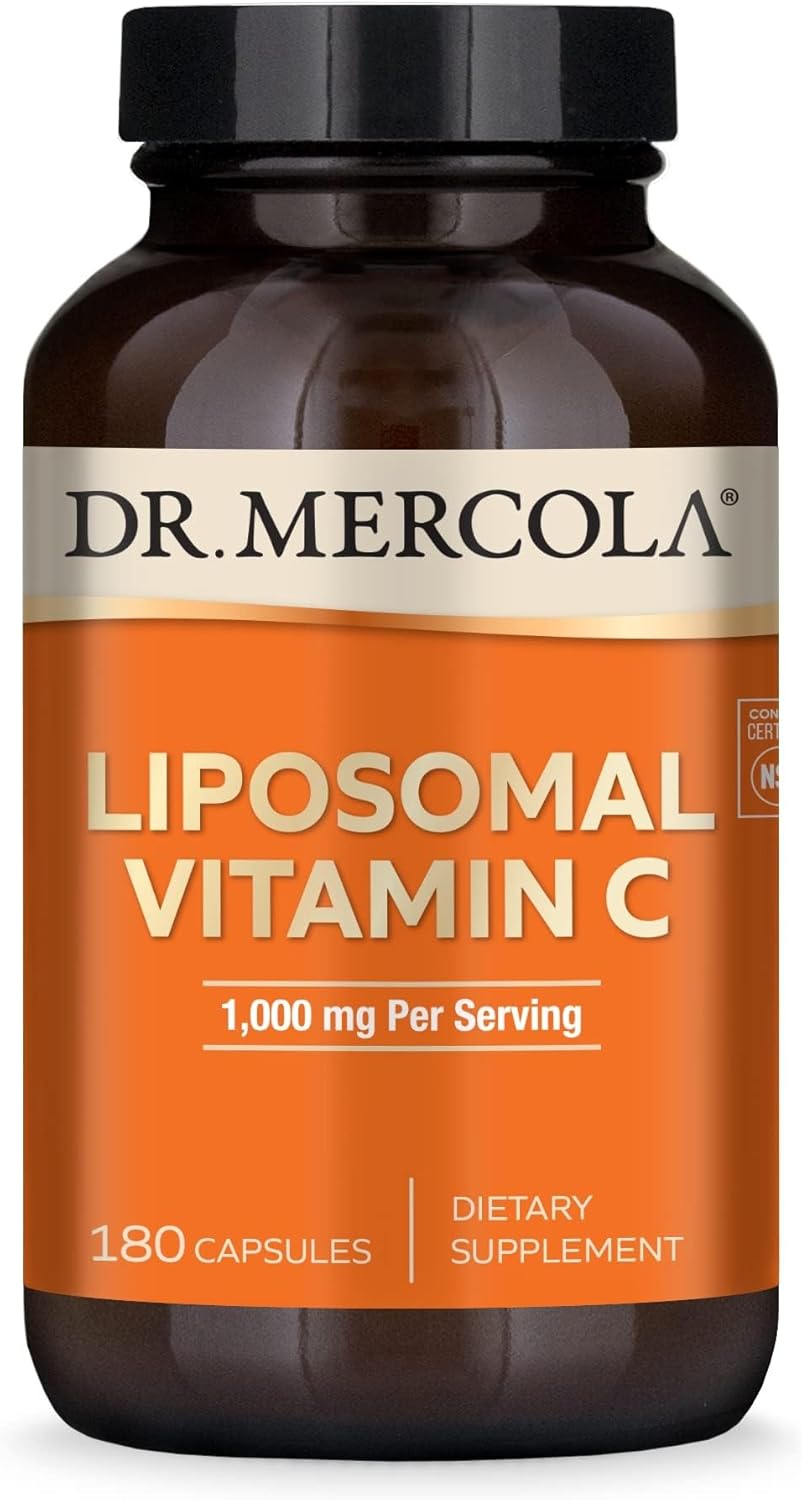
Sports Research Liposomal Vitamin C 1000mg
Certified vegan, non-GMO, gluten-free liposomal vitamin C. 1,000mg per serving in a phospholipid delivery system using sunflower lecithin (not soy). Liquid veggie capsules. Third-party tested for purity. One of the cleanest formulations available at a reasonable price point.
How Much to Take and When
The research on optimal vitamin C dosing is actually quite interesting. Rather than following the RDA, consider this approach:
- Maintenance (generally healthy adult): 500–1,000mg per day, split into 2 doses. Splitting the dose maintains more consistent plasma levels throughout the day and reduces any digestive sensitivity.
- Active illness or high stress: Up to 2,000–3,000mg per day in divided doses. Some functional medicine practitioners go higher, but stick to divided doses and watch for bowel tolerance (loose stools = too much).
- Post-workout/recovery: 500–1,000mg within a few hours of intense exercise supports tissue repair and reduces exercise-induced oxidative damage.
Take it with food to minimize stomach upset. For maximum collagen synthesis benefit, take it between meals or before bed — collagen production ramps up during sleep.
More Liposomal Vitamin C Options
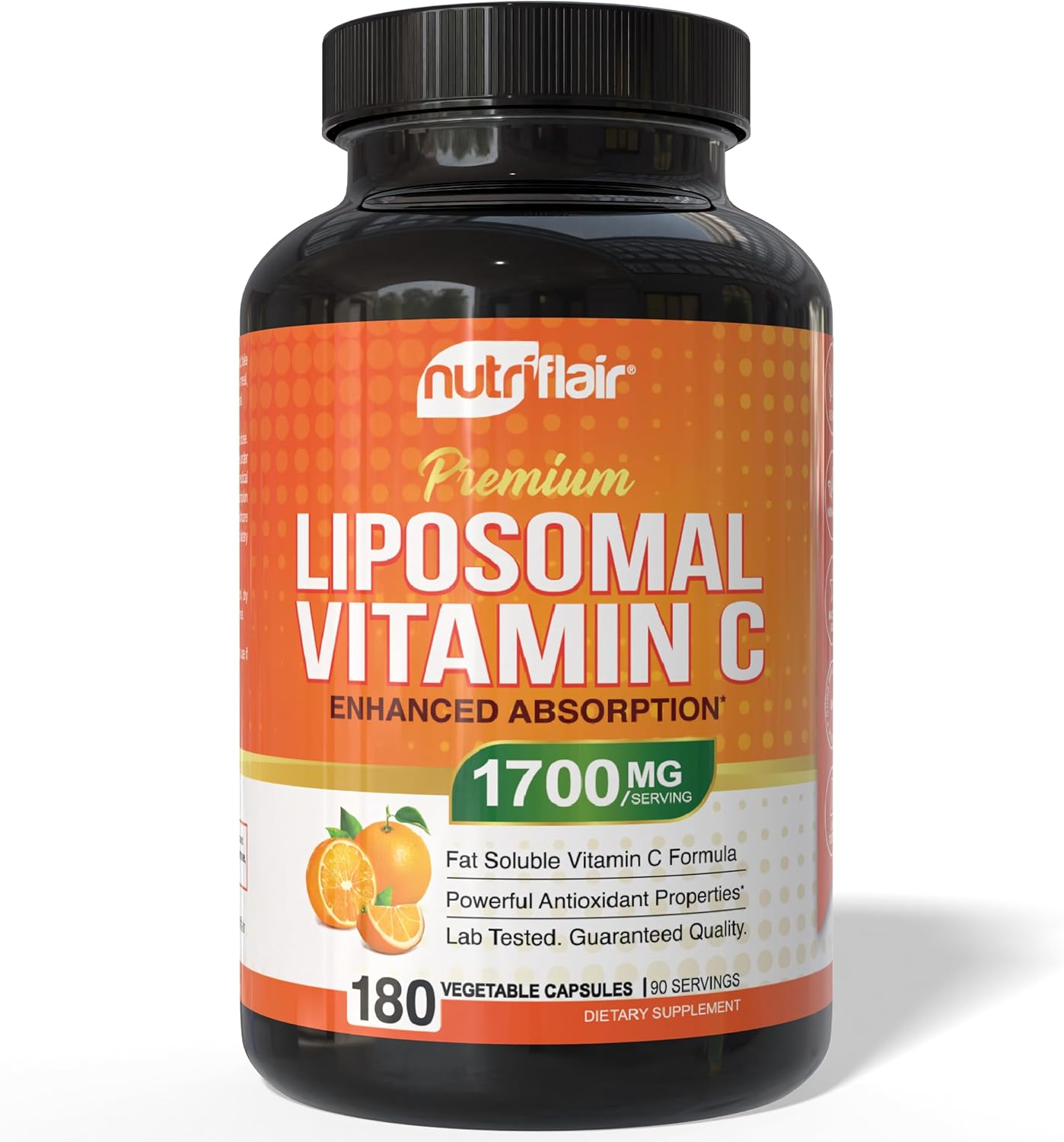
NutriFlair Liposomal Vitamin C 1700mg
The bestseller for liposomal vitamin C — 22,000+ reviews at 4.7 stars is hard to argue with. Higher dose per serving at 1,700mg, 180 capsules per bottle. Non-GMO, vegan. If you want maximum dose at the best price point, this is the one. Great for when you feel something coming on.
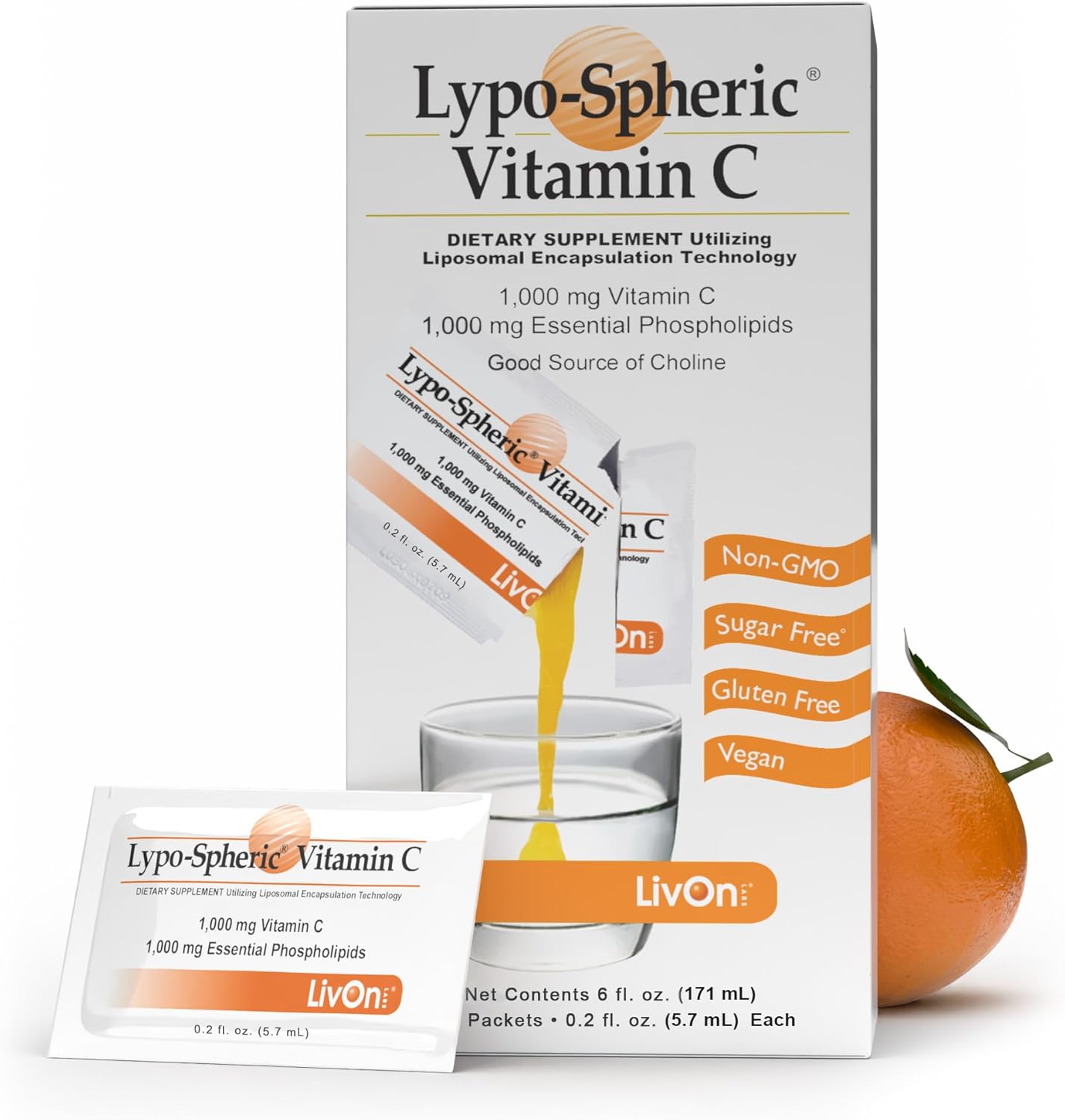
LivOn Labs Lypo-Spheric Vitamin C
The original liposomal vitamin C — LivOn Labs pioneered this delivery technology and it’s still one of the best. Individual gel packets make dosing convenient and ensure freshness. No sugar, gluten-free, non-GMO. Clinical-quality for people who want the most studied form of liposomal delivery.
Frequently Asked Questions
Can you actually absorb vitamin C from supplements as well as from food?
Yes, and in some ways better. Studies comparing equivalent doses of ascorbic acid in food vs. supplements show essentially equivalent bioavailability for doses below 200mg. At higher doses, food delivery is actually less efficient because it comes embedded in a food matrix that slows absorption. Liposomal supplements outperform both food and standard supplements at high doses. The form of vitamin C matters more than the source.
Will taking a lot of vitamin C cause kidney stones?
This concern is specifically about oxalate kidney stones, since vitamin C can be metabolized to oxalate. The actual risk at supplemental doses (up to 2,000mg per day) for people without a history of kidney stones or hyperoxaluria is very low. A large prospective study found no association between vitamin C intake up to 1,500mg/day and kidney stone risk in women. If you have a history of calcium oxalate stones, consult your doctor before supplementing above 500mg/day.
Does vitamin C help with dark spots and hyperpigmentation?
Yes — this is one of the better-evidenced cosmetic benefits. Vitamin C inhibits tyrosinase, the enzyme that drives melanin production, which is why it’s used in brightening serums. Taken orally, adequate vitamin C supports the skin’s antioxidant defenses against UV-induced pigmentation and helps regulate melanogenesis from within. The combination of oral and topical vitamin C is more effective than either alone for hyperpigmentation.
What’s the best time of day to take vitamin C?
The short answer is: whenever you’ll actually remember to take it consistently. For people with sensitive stomachs, with food is better. For maximum antioxidant protection during the day, morning is logical. Splitting your dose — some in the morning, some in the evening — maintains more consistent plasma levels. Before sleep is an option if you’re targeting collagen synthesis, since growth hormone and collagen production peak overnight.
You’ll Also Love
- Niacinamide vs Vitamin C — Can You Use Both?
- 10 Benefits of Collagen for Women (And How to Actually See Results)
- Vitamin D3 Benefits for Women: Why Almost Everyone Is Deficient
- Magnesium Glycinate Benefits for Women
Free Download
Get My Daily Supplement Stack Guide
Everything I take, why I take it, and what I noticed — morning, midday, and evening. Free when you join the list.
No spam, ever. Unsubscribe anytime.