
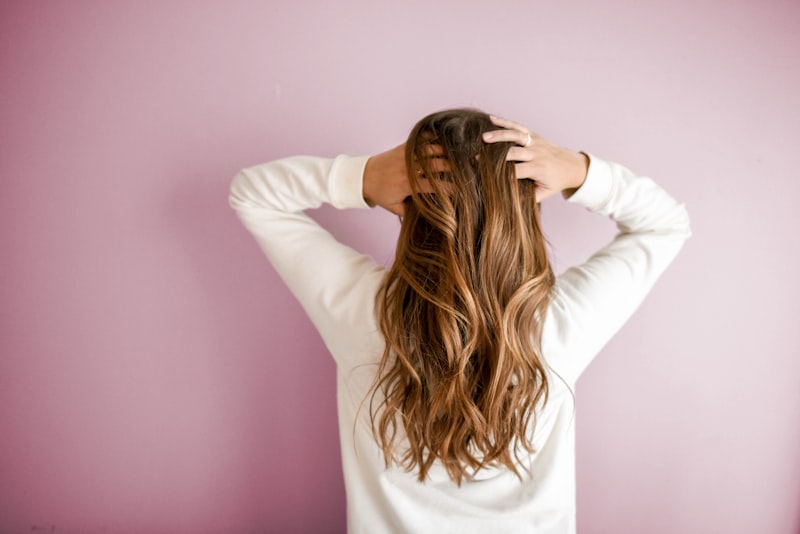

Okay, I’m just going to say the thing everyone’s thinking when they first hear about biotin for hair growth: this sounds like a beauty myth.
I was firmly in that camp. When a friend suggested I try biotin 10,000mcg after I mentioned I’d been noticing more shedding than usual, I nodded politely and thought, sure, I’ll buy a bottle of expensive placebo pills. I was skeptical in the way you get when you’ve been burned by too many “make your hair grow 2 inches a month!” Instagram ads. But I was also desperate enough to try something. So I did.
That was six months ago. I’ve been tracking the changes, paying attention to what’s shifted and what hasn’t, and I want to give you the most honest possible account of what I’ve noticed — including the parts that were less dramatic than I hoped.
What Even Is Biotin?
Biotin is vitamin B7, a water-soluble B vitamin that’s involved in fat, carbohydrate, and protein metabolism. It plays a specific role in the synthesis of keratin — the structural protein that makes up your hair, skin, and nails. Without adequate biotin, your body can’t produce keratin efficiently, which is why biotin deficiency shows up so dramatically in hair and nail health.
Here’s the thing that most supplement companies conveniently leave out of their marketing: full-blown biotin deficiency is actually pretty rare. You can get biotin from eggs, nuts, seeds, sweet potatoes, and leafy greens. Most people who eat a reasonably varied diet aren’t truly deficient in the clinical sense.
So why do so many people swear by high-dose biotin supplements? The theory is that even a subclinical insufficiency — not enough to show up as a deficiency on bloodwork, but below optimal levels — can affect hair and nail quality. And for people in certain categories (which I’ll get into), supplementing at 10,000mcg may genuinely help. The research is less conclusive than the marketing suggests, but the anecdotal evidence is hard to ignore when it’s staring back at you in the mirror.
Who Is Most Likely to Actually Benefit?
Before I get into my results, it’s worth knowing who’s in the most likely-to-benefit camp, because this affects how much you should expect from supplementation:
- People with restricted diets (vegans, people avoiding eggs, people with food allergies to biotin-rich foods)
- People experiencing higher-than-normal stress (stress depletes B vitamins)
- Women who are postpartum — hormonal fluctuations after pregnancy deplete biotin and cause significant shedding
- People on certain medications, including long-term anticonvulsants or antibiotics that disrupt gut flora
- People with gut health issues that affect nutrient absorption
- People experiencing hair thinning from nutritional causes rather than genetic hair loss (biotin will not reverse androgenetic alopecia)
I’m in a few of these categories. I eat mostly plant-based, I’d been going through a genuinely stressful year, and my shedding had increased noticeably around the time I started tracking it. So the conditions were right for biotin to potentially help.
My Actual 6-Month Results

Months 1–2: Basically Nothing (Don’t Give Up)
I want to be real about this because I almost quit at month two. I took my 10,000mcg every single morning with breakfast, and for the first eight weeks, I noticed absolutely nothing. Not one difference. My hair still shed the same amount. My nails looked the same. I was starting to feel like the skeptic in me had been right all along.
Here’s what I didn’t understand at the time: hair growth cycles. Your hair grows in phases — a growth phase (anagen), a transition phase (catagen), and a resting/shedding phase (telogen). New hair growth from any intervention isn’t going to be visible at the scalp until it’s grown enough to see. If you start biotin in month one, you might not see evidence of new growth until month three or four. So if you’re in weeks six and see nothing, that doesn’t mean it’s not working.
Month 3: My Nails Changed First
This was actually the first tangible sign that something was happening. Around week ten, I noticed my nails had stopped breaking. I’m not being dramatic — I have historically terrible nails. They peel, split, and break before they get anywhere close to a nice length. By month three they were noticeably longer, harder, and not snapping off. My nail beds also looked pinker and healthier.
This was unexpected because I’d been focused on hair, but nails have the same keratin structure as hair, so it makes total sense that they’d respond first (nails grow faster than hair, so the evidence accumulates sooner). The nail change gave me confidence to keep going.
Months 4–5: The Baby Hairs Around My Hairline
This was the hair result I’d been waiting for, and it came in a form I didn’t expect. I didn’t suddenly have dramatically longer hair — biotin doesn’t make existing hair grow faster, exactly. What I noticed was a halo of short baby hairs around my hairline and temples that hadn’t been there before. These were new growth hairs coming in, which meant that the hairs that had previously shed were being replaced and the growth cycle was active.
I also noticed my ponytail felt slightly thicker. Not dramatically different — I’m not going to lie and say I went from a thin ponytail to a thick one. But if I compared photos from before and after, there was a visible difference in density at the roots and along the hairline.
Month 6: Where I Am Now
Six months in, here’s my honest assessment. My shedding has reduced noticeably — my shower drain and hairbrush collect less hair than they did before I started. My hair feels stronger and less prone to breakage, which means length retention is easier. The texture has improved slightly — less brittle, slightly more shine. My nails are genuinely better than they’ve been in years.
What hasn’t changed: I don’t have magically Rapunzel-length hair. My hair hasn’t grown at a visibly faster rate than normal. The improvements are real but they’re subtle — the kind you notice most when you compare before and after photos rather than looking in the mirror every day.
Verdict: Yes, it works — but not the way the dramatic before-and-afters on the internet suggest. It’s more like a foundation for healthier hair than a miracle growth serum.
My Top Pick for Biotin 10,000mcg
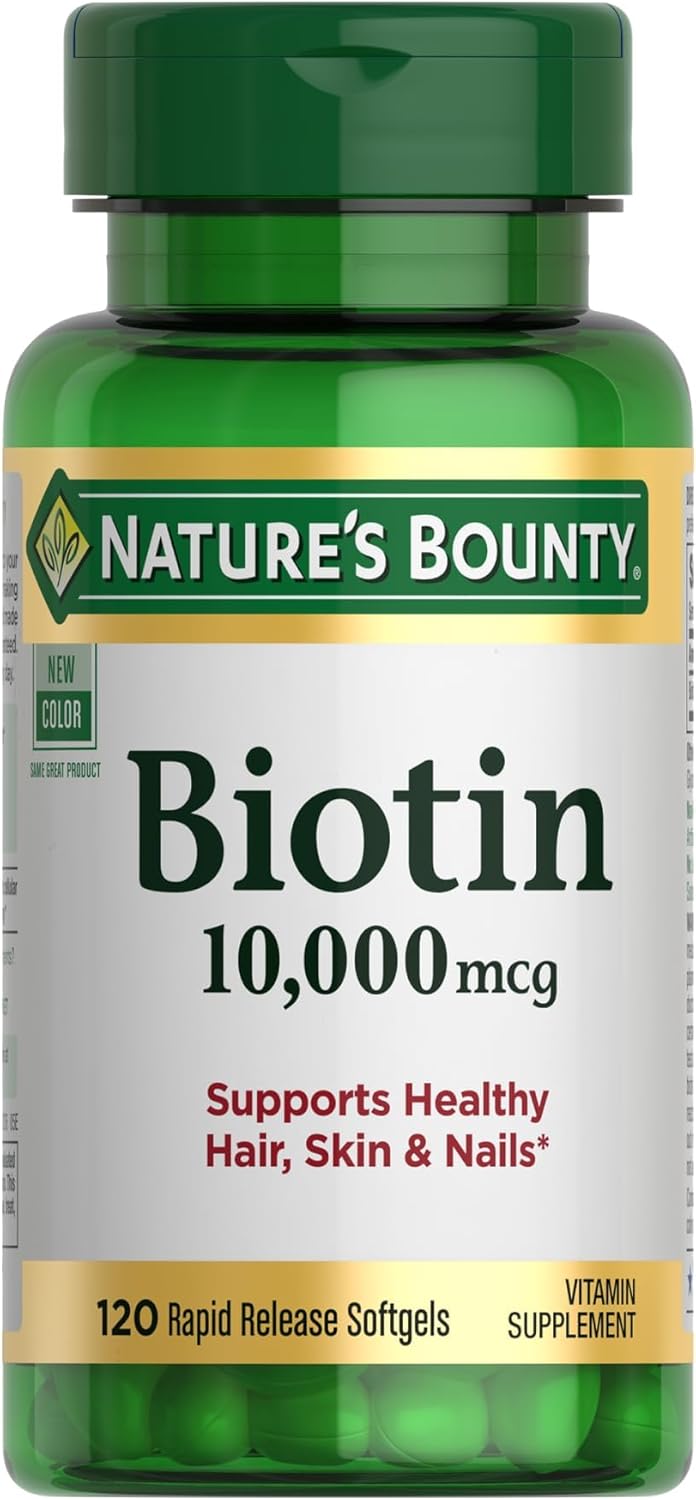
Nature’s Bounty Biotin 10,000mcg — Hair, Skin & Nails
This is what I personally took for my 6-month trial and still take today. Rapid release softgels, 120,000+ verified reviews at 4.7 stars. One of the most trusted biotin supplements on the market and won’t break the bank. No junk ingredients, just biotin at the right dose.
What Does the Research Actually Say?
Time for some honest science. The research on biotin supplementation for hair growth in people without a true deficiency is limited and mixed. A 2017 review in the journal Skin Appendage Disorders found evidence that biotin supplementation was associated with clinically meaningful improvement in hair growth and nail strength — but importantly, it noted that all the cases studied involved an underlying cause of biotin deficiency (pregnancy, restrictive diet, certain gut conditions, medications).
A 2015 study found significant hair growth improvement in women taking biotin compared to a placebo, but the study size was small. Another review concluded that while biotin supplementation is generally safe and may support hair and nail health, the evidence is not yet strong enough to recommend it universally for hair growth in people with adequate dietary intake.
The takeaway: if you’re deficient or insufficiently supplied (which more people are than realize), biotin supplementation can make a real difference. If you’re genuinely well-nourished with adequate biotin from food, the effects may be minimal. And importantly, biotin will not reverse hair loss caused by genetics, thyroid issues, or other medical conditions — those require separate evaluation.
Why 10,000mcg? Is Higher Better?
The RDA for biotin in adults is a measly 30mcg per day. So 10,000mcg is 333 times that — which sounds alarming until you understand that biotin is water-soluble, meaning excess is excreted in urine. You can’t really toxically overdose on biotin through supplementation. It flushes through.
The reasoning behind high-dose biotin is that the hair follicle and nail matrix cells may be able to utilize more biotin than the minimum required to prevent deficiency. Think of it like giving your body extra building materials for the keratin production line. Some researchers also believe the therapeutic threshold for hair and nail benefits may be significantly higher than the RDA.
That said, there is one important warning: high-dose biotin can interfere with certain lab tests, including thyroid panels and some cardiac markers. If you’re getting bloodwork done, stop taking biotin at least 48–72 hours beforehand and tell your doctor. This is genuinely important and massively underreported.
More Options Worth Trying
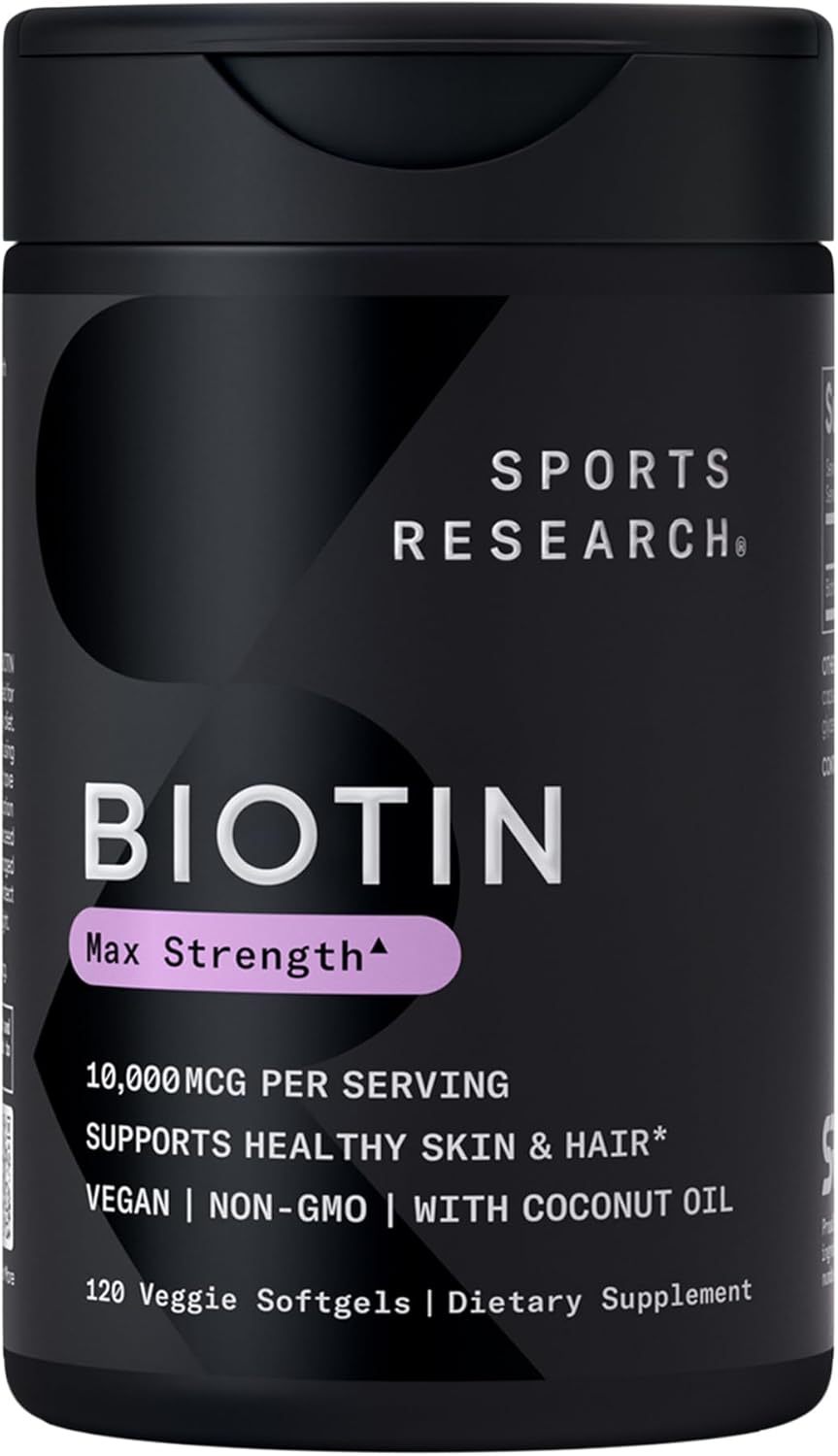
Sports Research Biotin 10,000mcg with Organic Coconut Oil
Formulated with organic coconut oil in the softgel for better fat-soluble absorption. Vegan, non-GMO, gluten-free and soy-free. 99,000+ reviews. Coconut oil helps transport the biotin into cells more efficiently than dry capsule formulations.
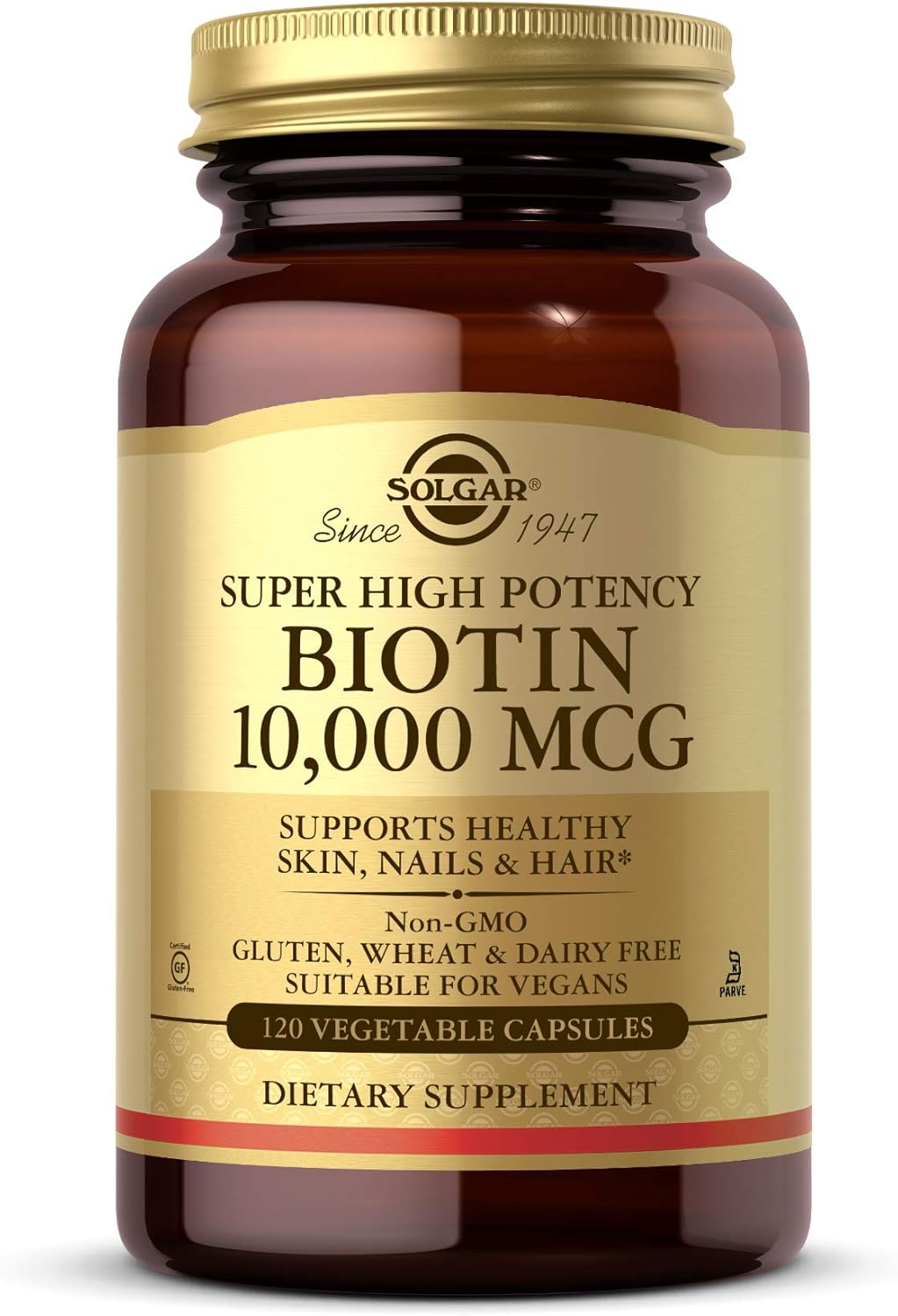
Solgar Biotin 10,000mcg Vegetable Capsules
Premium quality from a brand with 75+ years in the supplement industry. Non-GMO, vegan, gluten-free, dairy-free and kosher. Vegetable capsules instead of softgels if you prefer that format. Consistent purity and potency standards.
Tips to Maximize Your Results
After six months of paying close attention, here’s what I actually noticed made a difference beyond just taking the pill:
- Take it consistently every day. I skipped a week once and noticed increased shedding around two weeks later. Consistency is everything with biotin — it’s building a nutrient reserve, not a quick fix.
- Take it with a meal that contains fat. Biotin is more efficiently absorbed when taken alongside dietary fat. Even just a small handful of nuts alongside your capsule makes a difference.
- Pair it with collagen. Biotin supports keratin production; collagen supports the dermal layer that anchors hair follicles. Together they’re more effective than either alone. I added collagen around month three and think it contributed to the improvement I saw.
- Manage stress in parallel. I noticed that during a particularly stressful two-week period in month four, my shedding temporarily increased again. Stress is a major biotin depleter. The supplement helps, but it doesn’t fully counteract chronic stress.
- Be patient. Seriously. Set a calendar reminder for three months from today and don’t evaluate before then.
Frequently Asked Questions
Can biotin cause acne?
This is the most common concern I see online, and the answer is: it’s possible for some people. High-dose biotin may compete with pantothenic acid (vitamin B5) for absorption. B5 is used in sebum regulation, so if biotin displaces B5, it could theoretically worsen acne in people already prone to it. If you notice breakouts after starting biotin, try a lower dose (2,500–5,000mcg) or add a B-complex that includes pantothenic acid. I personally had zero acne issues, but I want to flag it because it’s real for some people.
Does biotin help with postpartum hair loss?
Postpartum hair loss (telogen effluvium) is one of the situations where biotin has the most research support. The hormonal crash after pregnancy depletes biotin and causes dramatic shedding around 3–6 months postpartum. High-dose biotin supplementation during and after this period is often recommended by dermatologists. That said, always check with your doctor if you’re breastfeeding.
How long until I see results from biotin?
For nails: 6–8 weeks. For hair shedding reduction: 2–3 months. For visible hair thickness/density changes: 4–6 months minimum. Set realistic expectations and track your progress with photos — daily looking in the mirror won’t show you the gradual changes that photos will.
Can biotin replace a good diet for hair health?
No, and this is important. Biotin is one piece of the puzzle. Iron deficiency is probably the most common nutritional cause of hair loss in women, and biotin will do nothing for iron-deficiency hair loss. Protein, zinc, and vitamin D also play major roles. If you’re experiencing significant hair loss, get a full panel including ferritin, thyroid, vitamin D, and zinc before attributing it entirely to biotin deficiency.
Is biotin safe for long-term use?
Yes — it’s water-soluble and excreted, so there’s no known toxicity from long-term high-dose biotin. The main ongoing consideration is the lab test interference issue — just pause supplementation before any bloodwork and tell your doctor you’ve been taking it.
You’ll Also Love
- What Is Hair Porosity & Why It Changes Everything About Your Routine
- 10 Benefits of Rice Water for Hair (And How to Use It)
- 10 Benefits of Collagen for Women (And How to Actually See Results)
- Magnesium Glycinate Benefits for Women (And Why This Form Is Worth It)
Free Download
Get My Daily Supplement Stack Guide
Everything I take, why I take it, and what I noticed — morning, midday, and evening. Free when you join the list.
No spam, ever. Unsubscribe anytime.