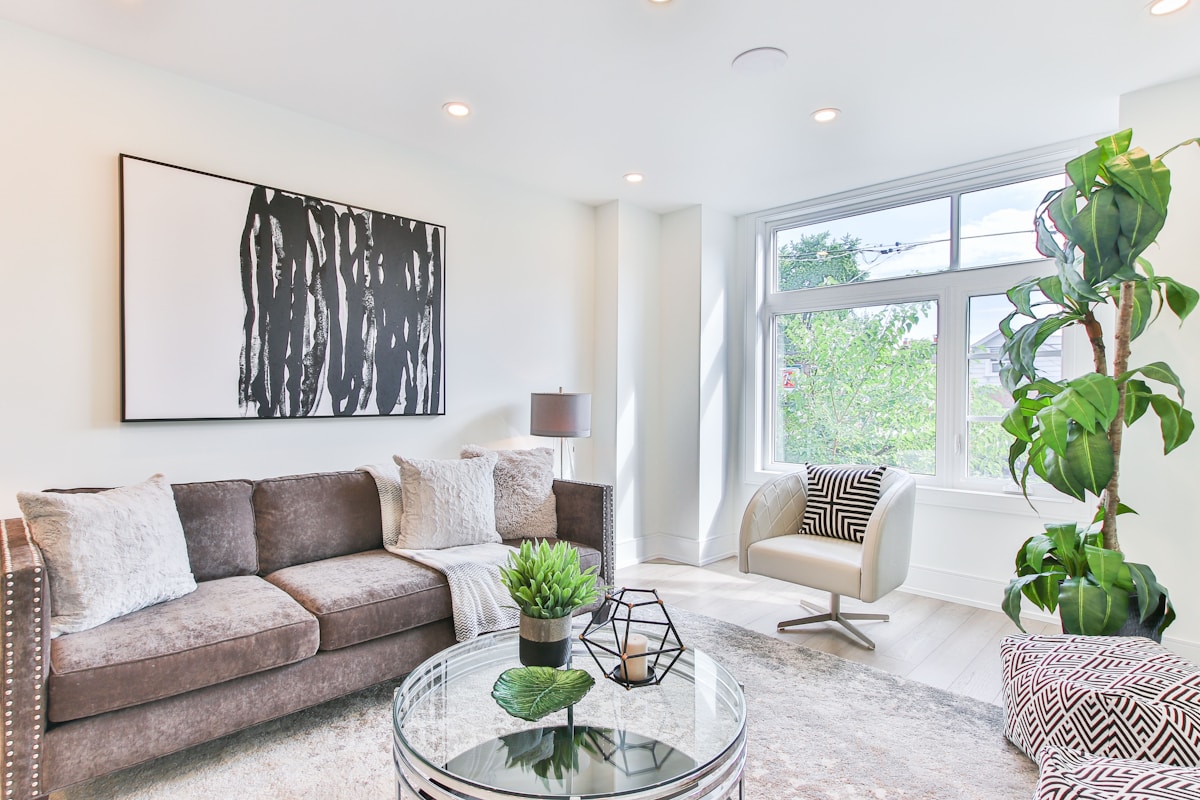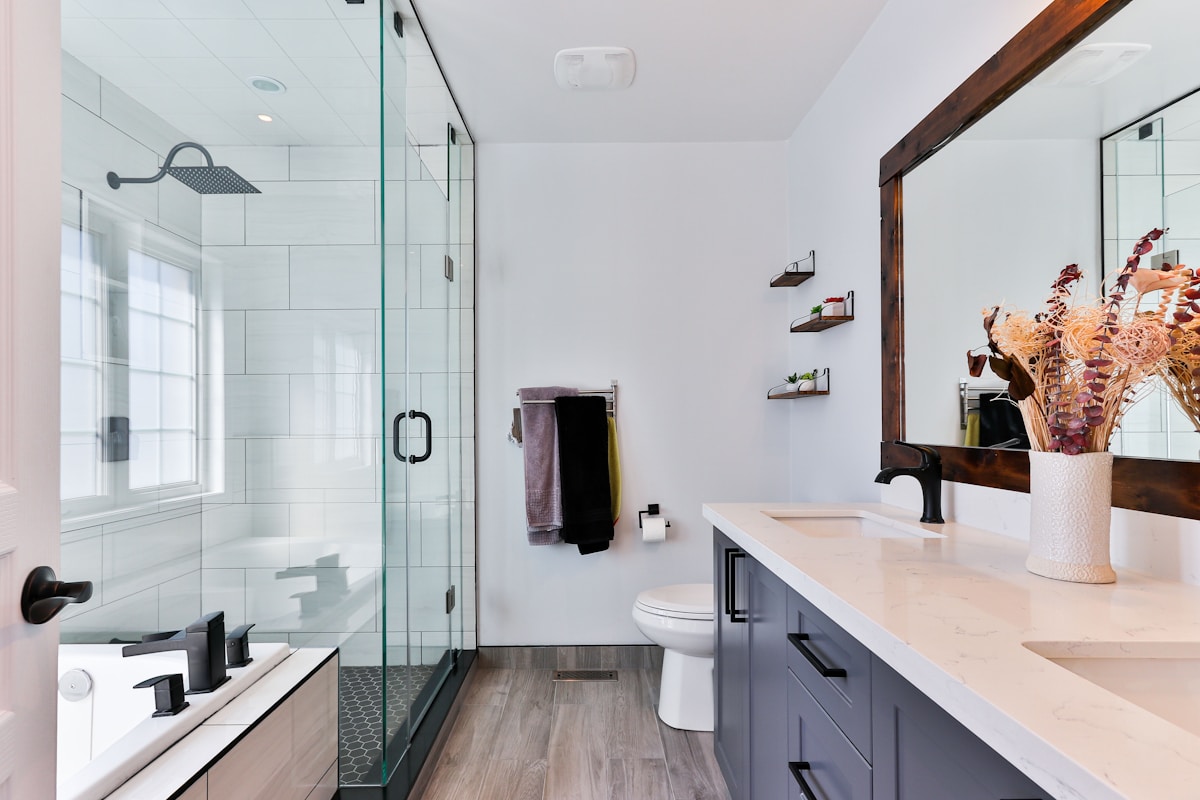

It started as a regular Sunday. I’d been putting off dealing with my kitchen for months — the cabinets stuffed so full that something fell out every time I opened a door, the pantry a graveyard of half-used spice jars and mystery cans, the container drawer an absolute disaster. That morning I finally sat down on my kitchen floor with three bags — one for keeps, one for donate, one for trash — and just started. Four hours later, I stood in a kitchen I barely recognized. The countertops had breathing room. The pantry shelves were visible. I could open every drawer without bracing myself. And I felt — this is the word I keep coming back to — lighter. Genuinely, physically lighter, like I’d set something down that I hadn’t even realized I was carrying. That feeling is what this whole post is about, because it wasn’t just about the kitchen. It was the beginning of something much bigger.
Affiliate Disclosure: This post contains affiliate links. If you purchase through my links, I may earn a small commission at no extra cost to you. I only recommend products I genuinely love and use. Thank you for supporting The Madison Effect!
Why Clutter Affects You More Than You Realize
We tend to think of clutter as a purely visual problem — a messy room, a crowded countertop. But research consistently shows that clutter affects us on a much deeper level. A study from Princeton University found that physical clutter in your environment competes for your attention, reducing your ability to focus and increasing cognitive load. Another study published in the Personality and Social Psychology Bulletin found that women who described their homes as “cluttered” had higher levels of the stress hormone cortisol throughout the day compared to women who described their homes as “restful.”
In plain terms: your stuff is stressing you out, even when you’re not actively thinking about it. The visual noise of clutter keeps part of your brain perpetually occupied — cataloging, worrying, half-planning to deal with it someday. Decluttering isn’t just tidying. It’s actually quieting a persistent low-level alarm that’s been running in the background of your life.
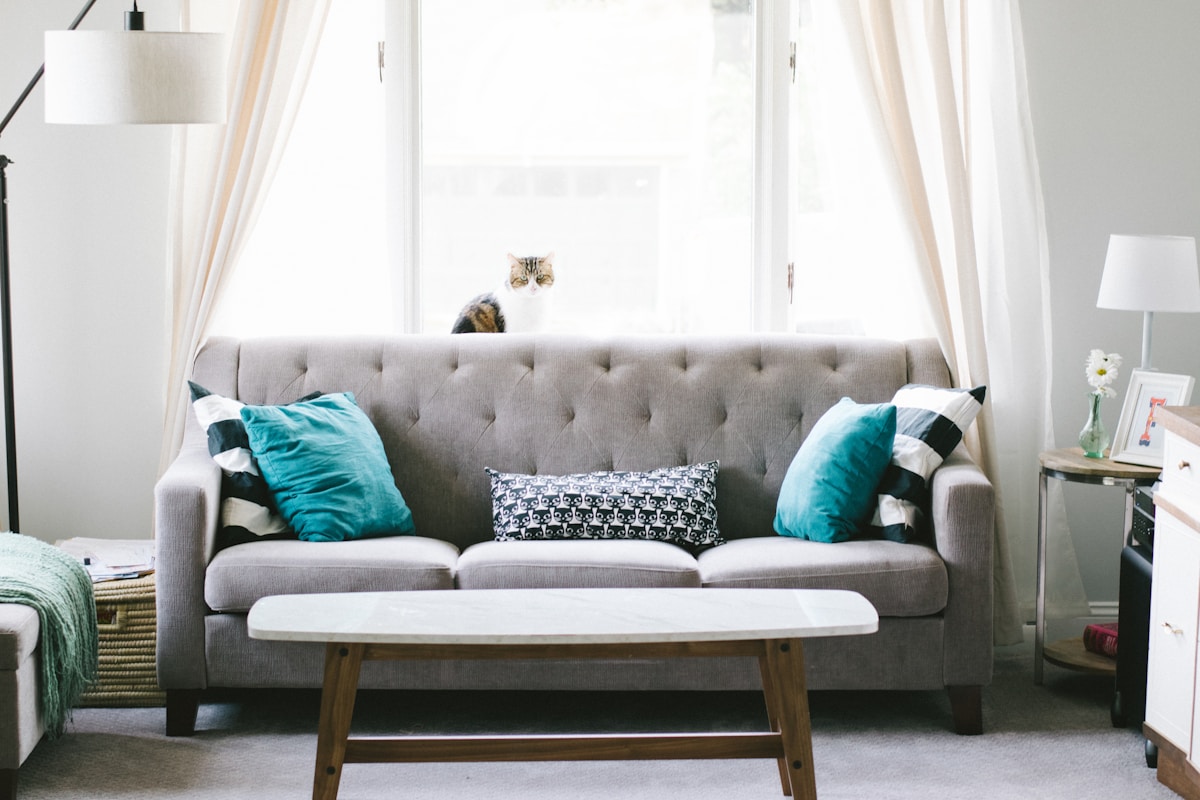
Benefit #1 – You Feel Calmer Immediately
This is the benefit that surprises people most, because it’s so instant. You don’t have to wait for decluttering to compound over time to feel it — the moment you clear a surface, an entire shelf, or a single drawer, you feel it. There’s a tangible sense of relief. The visual field gets quieter. Your nervous system responds.
I’ve done this with clients and friends who were skeptical. I always say: just do one shelf. Just one. And every single time, they come back saying it felt better than they expected. When you reduce the number of things competing for your attention in a space, your brain can actually relax in that space. That’s the beginning of calm.
The follow-up step — getting what remains organized — amplifies this effect enormously. When things have clear homes and the space looks intentional, it communicates “order” to your brain in a very satisfying way.
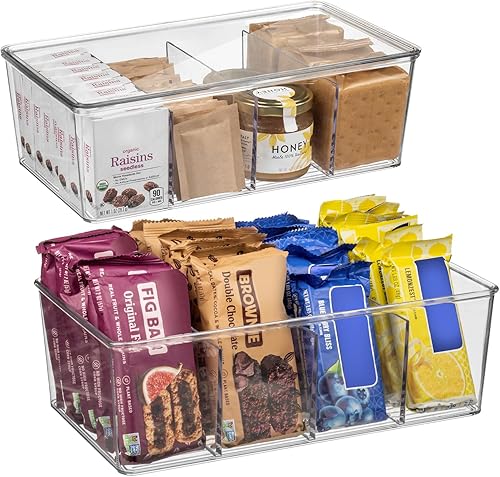
ClearSpace Pantry Organization Bins with Dividers
~$35
These bins transformed my pantry — the removable dividers make them so versatile
Benefit #2 – Cleaning Takes a Fraction of the Time
Think about the last time you tried to clean a cluttered surface. You didn’t just wipe it down — you first had to move everything off it, find a place for the things you were keeping, decide what to do with the things you weren’t, and then actually clean. Cleaning a cluttered home can take three times as long as cleaning a decluttered one because half the time is spent managing stuff rather than actually cleaning.
When surfaces are clear and items have dedicated homes, cleaning becomes simple and fast. Wiping down a kitchen counter takes 45 seconds when it’s clear. Vacuuming a living room takes 10 minutes when you’re not moving piles of things around. Guests-are-coming panic-cleaning becomes a thing of the past. You can maintain a clean home with dramatically less effort, which means it actually stays clean consistently — not just right after a big cleaning session.
Benefit #3 – You Stop Buying Duplicates of Things You Already Own
This one saves real money. When you can’t see what you have, you buy more of it. How many black pens do you own? How many pairs of scissors? How many of the same spice because you couldn’t find the one that was hiding in the back of the cabinet? How many phone chargers bought out of frustration when the “real” one couldn’t be located?
Clutter creates invisible inventory. You genuinely don’t know what you have, so you keep acquiring more of the same things. Once you declutter and organize, you can actually see your stuff. You know what you have. You stop the cycle of buying duplicates and buying things out of frustration. Most people are genuinely surprised by what they find — and by how much money they’ve been effectively throwing away on things they already owned.
Benefit #4 – Your Home Feels Bigger Without Spending Anything
One of the most striking transformations in any declutter is how much larger a space feels afterward. Clutter compresses rooms — not physically, but visually and psychologically. A bedroom with clear nightstands, visible floor space, and organized closets reads as significantly more spacious than the same room filled with stuff. You don’t need to renovate, move, or spend money on storage solutions to achieve this effect. You just need less in the space.
This is especially powerful in smaller homes and apartments, where every square foot matters. I’ve helped people transform tiny apartments into genuinely comfortable, airy-feeling homes just by removing what wasn’t needed. The home was always big enough — it was just buried.
Benefit #5 – You Find Things Instantly
The “I know it’s here somewhere” scramble is one of the most quietly maddening parts of a cluttered home. You need something, you know you have it, and you spend 15 minutes hunting through piles and drawers and cabinets to find it. Add this up over a week, a month, a year, and it’s a remarkable amount of wasted time and mental energy.
When your home is decluttered and organized, things have homes. The scissors are always in the scissors spot. The extra phone charger is always in the charger drawer. The birthday cards are always in the stationery box. You stop hunting. You stop accumulating duplicates out of frustration. You stop the low-level stress of not being able to find things when you need them.

ClearSpace Plastic Storage Bins with Handles
~$29
Perfect for shelves, the fridge, or anywhere you need to corral loose items
Benefit #6 – It Reduces Decision Fatigue
Every decision you make depletes a finite daily reserve of mental energy — this is what psychologists call “decision fatigue.” Your brain makes thousands of micro-decisions each day, and clutter adds to that load constantly. What should I do with this pile? Should I keep this? Does this belong here? Where did I put that thing?
A decluttered home removes a significant chunk of those micro-decisions. When everything has a place and there’s less stuff overall, you’re not constantly negotiating with your environment. This frees up mental energy for things that actually matter — your work, your relationships, your creative projects. It sounds abstract until you experience a week in a truly decluttered space and notice how much more clarity you have throughout the day.
Benefit #7 – It Can Actually Help You Save Money
Beyond the duplicate-buying issue, decluttering creates a shift in your relationship with stuff that tends to make you more intentional about purchases going forward. When you’ve just spent a weekend removing things you bought but never used, you become much more thoughtful before adding new things. You start asking: Do I actually need this? Do I love it? Where will it live? Will it still be here in six months?
That pause — that one question before buying — can save you a remarkable amount of money over time. Many people find that decluttering is the beginning of a more mindful consumption habit that pays dividends far beyond the initial clean-out. Less impulse buying. Less “I might use this someday” purchasing. More intentional, considered spending.
Benefit #8 – Better Sleep
This one surprises people, but it’s backed by actual research. A 2015 study published in the journal Sleep found that people who slept in cluttered rooms were more likely to have sleep problems, including difficulty falling asleep and disrupted rest. The visual noise of a cluttered bedroom — stacks of clothes, piles on the floor, stuff everywhere — keeps your nervous system in a mild state of alertness that works against relaxation and deep sleep.
Your bedroom specifically should be treated as a sanctuary. When you clear it out — clothes put away or donated, nightstands cleared down to the essentials, nothing piled on the floor — you’re creating an environment that signals “rest” to your body. I’ve heard from so many people that decluttering their bedroom was the single most impactful change they made for their sleep quality. It costs nothing except a few hours of honest sorting.
Benefit #9 – It Feels Like a Reset
There’s something emotionally significant about decluttering that goes beyond the practical. When you clear out old things — especially things from past seasons of your life, past relationships, past versions of who you were — there’s a felt sense of release. You’re not just cleaning a closet; you’re making space for what’s next. You’re choosing, consciously, what belongs in your present life and what was from before.
This emotional dimension of decluttering is real and worth honoring. A lot of people find themselves feeling genuinely lighter and more energized after a big declutter — not because their home is tidier, but because they’ve done something intentional and clarifying. It’s an act of self-care disguised as housework.
One of the areas where this reset feeling is most powerful is in the kitchen — particularly in the zones that tend to collect the most chaos, like the food storage cabinet.

YouCopia StoraLid Food Container Lid Organizer
~$22
One of the most satisfying declutter purchases — finally taming the lid chaos
Benefit #10 – It Creates Space for What You Actually Want
This is the one that ties everything together. All of the benefits above — the calm, the clarity, the saved money, the better sleep — they’re all pointing at the same thing: when you have less of what you don’t want, there’s room for more of what you do. Decluttering isn’t deprivation. It’s the opposite. It’s choosing what belongs in your life and letting go of what doesn’t.
After my kitchen Sunday, I set up a little reading corner in the space where a pile of random stuff had been living. After clearing out my closet, I finally had room to store the crafting supplies I’d been wanting to dig back into. After decluttering my bedroom, I bought the one piece of art I’d been eyeing for two years and finally had a wall visible enough to hang it. Less stuff created the space — literal and figurative — for the things that actually light me up.
Where to Start When Everything Feels Overwhelming
The biggest barrier to decluttering is the feeling of overwhelm. You look around and there’s so much that needs addressing that you don’t know where to start, so you don’t start at all. Here’s what I always tell people: do not start big. Do not try to declutter your whole home in a day or even a weekend. Start with one drawer. Literally one drawer.
Set a timer for 15 minutes. Pick the most annoying drawer in your home — usually the kitchen junk drawer, the bathroom cabinet, the nightstand. Pull everything out. Keep only what you actually use. Toss the broken things, the duplicates, the mystery items you can’t identify. Put the keepers back neatly. That’s it. You’re done for today.
That single drawer will give you a tangible win and a little momentum. Momentum is everything with decluttering. One drawer leads to another, leads to a cabinet, leads to a closet, leads to a room. But you don’t have to think about any of that today. Just the drawer.
My Decluttering Method: Keep / Donate / Trash
I use a very simple three-category system. Before I start any area, I set up three zones: Keep, Donate, and Trash. (Sometimes I add a fourth: Relocate — for things that belong somewhere else in the house.) Then I go through items one at a time and make a quick decision. The key is to actually make the decision and put the item in a pile, not hold it and think about it indefinitely.
I work one category at a time — not one room at a time. So I might spend a session doing all the books in the house, then another doing all the kitchen small appliances, then another doing all the linen closet items. Working by category helps you see duplicates clearly and make better decisions about what you actually need.
The Donate pile goes out of your house within 48 hours. This is important. If it sits in your hallway too long, things start migrating back. Get it into a box, get it to a Goodwill or donation center, and let it go. The moment it’s out of your home, you’ll feel it.
Frequently Asked Questions
Where should I start when decluttering?
Start with one small area — a single drawer, one shelf, the bathroom counter — not an entire room. Small wins build momentum, and momentum is what carries you through the bigger areas. Avoid starting with sentimental items; those require more emotional energy. Begin with the easiest, most obvious stuff: expired food, broken items, duplicates, things you haven’t touched in years.
How do I declutter when I’m overwhelmed?
Set a very short timer — 15 minutes — and work on only one specific area. The container principle helps here: pick a defined space (one shelf, one drawer) so you know exactly when you’re done for that session. You don’t have to see the whole mountain; you just have to move the first rock. Also: make your donate bag easy to fill. If it feels like a big effort to donate something, it often goes back in the drawer.
What’s the difference between decluttering and organizing?
Decluttering is the process of removing things you no longer need, use, or love. Organizing is creating systems for the things you’re keeping. The critical order is: declutter first, organize second. If you organize before you declutter, you’re creating neat homes for things that shouldn’t be there in the first place. Declutter down to only what belongs, then figure out how to store it well.
How often should you declutter?
Most organizational experts recommend a light seasonal declutter (every 3 months) and a deeper annual pass through every room. In practice, maintaining a decluttered home is easier than getting there — once things have homes and you’ve broken the “just in case” habit, stuff doesn’t accumulate as fast. I do a quick sweep of a different area every few weeks and a full room or two each season.
What do I do with things I want to donate?
Get them out of the house quickly — that’s the most important thing. Local Goodwill, Salvation Army, or thrift stores take most clothing, housewares, and furniture. Facebook Marketplace and Nextdoor are great for furniture and larger items (and you might make a little money). Buy Nothing groups let you offer things to neighbors directly. For specialty items like children’s gear, look for local family resource centers or shelters. And for books, libraries, Little Free Libraries, and used bookstores are wonderful options.
Reminder: This post contains affiliate links. Shopping through my links supports The Madison Effect at no extra cost to you — thank you so much! As an Amazon Associate, I earn from qualifying purchases.
Free Download
Get My Daily Supplement Stack Guide
Everything I take, why I take it, and what I noticed — morning, midday, and evening. Free when you join the list.
No spam, ever. Unsubscribe anytime.