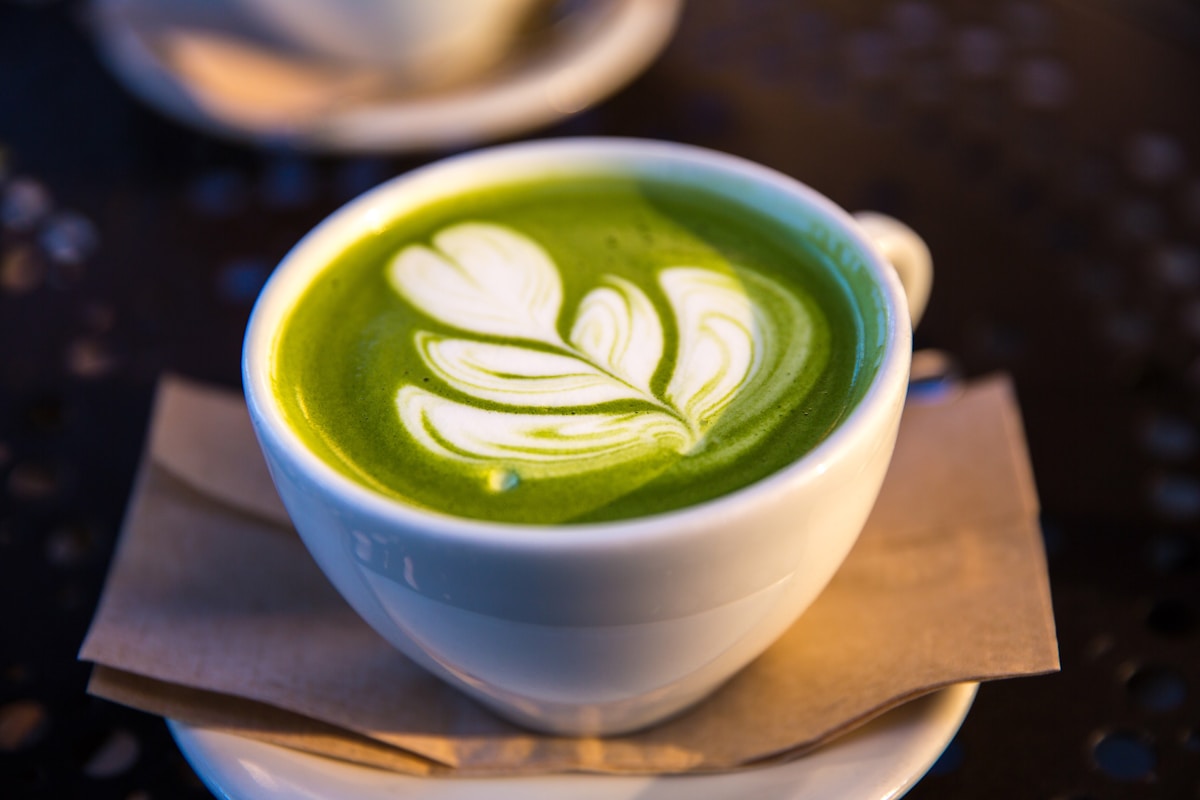

I used to be a two-cups-of-coffee-before-9am kind of person. Then a friend handed me a matcha latte one slow Saturday morning, and everything shifted. Not dramatically — just quietly, steadily. I felt calm and awake at the same time, which is not something coffee had ever managed to pull off for me. I started swapping one cup of coffee for matcha, then two, and before long I was making matcha every single morning without thinking about it. My energy felt smoother. My skin started looking better. I was less anxious before big meetings. I thought it was a placebo at first, so I did my homework — and the research backed it all up. If you’ve been curious about what drinking matcha every day actually does for your body, this post is for you. Here are the ten benefits I keep coming back to, plus the matcha I actually use and recommend.
This post contains affiliate links. If you purchase through my links, I may earn a small commission at no extra cost to you. 🤍
What Is Matcha, Exactly?
Matcha is powdered green tea — but not just any green tea. The plants used for matcha are shade-grown for the last few weeks before harvest, which spikes their chlorophyll levels, deepens their green color, and dramatically increases their amino acid content. The leaves are then stone-ground into a superfine powder, which means when you drink matcha, you’re consuming the whole leaf — not just a water extraction like you get from a tea bag.
That distinction matters a lot. Because you’re getting the full leaf, matcha delivers a much higher concentration of antioxidants (particularly a catechin called EGCG), L-theanine (an amino acid that promotes calm focus), and other bioactive compounds than you’d get from steeped green tea. It’s basically green tea, but turned up significantly.
Two main grades exist: ceremonial grade (meant for drinking straight) and culinary grade (great for lattes and baking). If you’re just getting started, culinary grade is a perfect, affordable entry point:

Jade Leaf Matcha Organic Culinary Grade
~$14
A great everyday culinary matcha for lattes and cooking
Benefit #1 – Sustained Energy Without the Jitters
This is the one that converted me. Matcha has caffeine — about 70mg per serving — but it behaves completely differently in your body compared to coffee. The reason comes down to L-theanine, which modulates how your body absorbs caffeine. Instead of a sharp spike followed by a crash, you get a slow, steady rise in energy that lasts for hours without the jitteriness, heart racing, or anxiety that a lot of people experience with coffee.
The combination of caffeine and L-theanine is actually studied specifically for this effect — researchers call it “alert calm.” You’re energized and focused, but not wired. If you’ve ever felt like coffee makes you anxious or crashes you mid-afternoon, matcha is genuinely worth trying as a replacement or complement.
Benefit #2 – Packed With Antioxidants (EGCG)
You hear “antioxidants” thrown around constantly, but matcha genuinely earns the label. Matcha is one of the highest dietary sources of a specific antioxidant called epigallocatechin gallate, or EGCG. Compared to other forms of green tea, matcha provides significantly more — some studies suggest up to 137 times more EGCG than a standard brewed green tea.
Why does this matter? Antioxidants neutralize free radicals — unstable molecules that damage cells, accelerate aging, and contribute to chronic disease. EGCG specifically has been studied for its anti-inflammatory properties, its potential role in reducing cancer cell growth, and its benefits for heart and metabolic health. Drinking matcha every day is one of the most effortless ways to get a significant antioxidant boost into your routine.
Benefit #3 – Supports Focus and Mental Clarity
I write for a living, and nothing has improved my ability to sit down and actually get into flow state more than my morning matcha. The combination of L-theanine and caffeine is particularly powerful for cognitive performance. L-theanine increases alpha brain wave activity, which is the brain state associated with relaxed alertness — the same state you’re in when you’re meditating or in creative flow.
Multiple studies have confirmed that the L-theanine + caffeine combo improves attention, working memory, and reaction time more than caffeine alone. It’s not just about being awake — it’s about being focused. If you want a matcha that’s genuinely smooth and high-quality for your daily ritual, this is my go-to:

Naoki Matcha Superior Ceremonial Blend
~$24
Our top pick for a smooth, high-quality ceremonial grade matcha
Benefit #4 – Boosts Your Metabolism
Green tea and matcha have been studied pretty extensively in the context of metabolic health. The EGCG in matcha, combined with caffeine, has been shown to increase thermogenesis — the process by which your body generates heat and burns calories. Some research suggests matcha can boost metabolic rate by 8–10% in the short term.
It’s not a magic weight-loss pill — nothing is — but as part of a balanced diet and active lifestyle, matcha can provide a real, measurable metabolic boost. It also helps regulate blood sugar levels, which prevents energy crashes and the subsequent sugar cravings that derail a lot of people trying to eat well. Replacing a sugary morning drink or high-calorie coffee order with a simple matcha latte is itself a meaningful swap.
Benefit #5 – Supports Liver Health
Your liver does a lot of heavy lifting — filtering toxins, metabolizing medications, processing everything you eat and drink. Keeping it healthy matters more than most people realize, and it turns out matcha may be genuinely beneficial for liver function.
Several studies have looked at the relationship between green tea consumption and liver health markers. A review of 15 studies found that drinking green tea (and by extension matcha, which concentrates these compounds) was associated with decreased risk of liver disease, including non-alcoholic fatty liver disease. The antioxidants in matcha help reduce oxidative stress in liver cells and may help prevent fat accumulation. This is one of the benefits I find most compelling because it’s not just about how you feel — it’s about long-term health at the cellular level.
Benefit #6 – Good for Your Skin (From the Inside Out)
I noticed this one before I even started researching it. After a few weeks of daily matcha, my skin had a different quality to it — brighter, more even. Turns out there’s science behind that observation. The antioxidants in matcha, particularly EGCG and chlorophyll, have measurable effects on skin health.
EGCG has been shown to help protect skin from UV damage, reduce inflammation, and support collagen production. Chlorophyll — which matcha has in abundance due to the shade-growing process — is thought to help detoxify the skin from the inside out. And because chronic inflammation is one of the leading causes of premature skin aging, matcha’s powerful anti-inflammatory properties have a direct effect on how your skin looks over time. Skincare from the inside isn’t a wellness buzzword — it’s biology.
Benefit #7 – Helps Manage Stress (L-Theanine + Cortisol)
Stress is everywhere, and most stimulants make it worse — coffee raises cortisol (your primary stress hormone), which is fine in short bursts but problematic when it’s chronically elevated. Matcha takes a different approach. The L-theanine content actively works to promote a calmer mental state, even as the caffeine keeps you alert.
Research shows that L-theanine reduces the psychological and physiological responses to stress. It modulates neurotransmitter activity, increasing GABA (calming), serotonin, and dopamine while reducing cortisol. The practical result is that matcha gives you energy without adding to your anxiety load. For people who find coffee makes them feel anxious, irritable, or wired-and-tired, matcha is often a genuinely transformative switch.
Benefit #8 – Supports Immune Function
Matcha is loaded with compounds that actively support your immune system. The EGCG catechins have antiviral and antibacterial properties — they’ve been studied for their ability to inhibit the growth of certain pathogens, including influenza viruses. Matcha also contains significant amounts of vitamins C, A, and E, as well as zinc and selenium, all of which play important roles in immune function.
The anti-inflammatory effects of matcha are also directly relevant here — chronic inflammation suppresses immune function over time, so anything that reduces systemic inflammation helps your immune system do its job more effectively. Daily matcha isn’t a guarantee against getting sick, but it’s a legitimate, research-backed contribution to your immune defense system.
Benefit #9 – May Support Heart Health
Heart disease is the leading cause of death globally, and diet plays a massive role in cardiovascular risk. Green tea consumption has been studied extensively in this context, and the findings are consistently encouraging. Regular green tea (and matcha) consumption has been associated with reduced LDL cholesterol, lower blood pressure, reduced inflammation, and decreased risk of cardiovascular events.
A large Japanese study following over 40,000 participants found that those who drank five or more cups of green tea per day had a significantly lower risk of dying from heart disease. The catechins in matcha help prevent the oxidation of LDL cholesterol (which is a key step in the development of arterial plaque) and help improve blood vessel function. One or two servings of matcha a day is an easy, enjoyable way to get these cardiovascular benefits.
Benefit #10 – It Makes Your Morning Ritual Actually Enjoyable
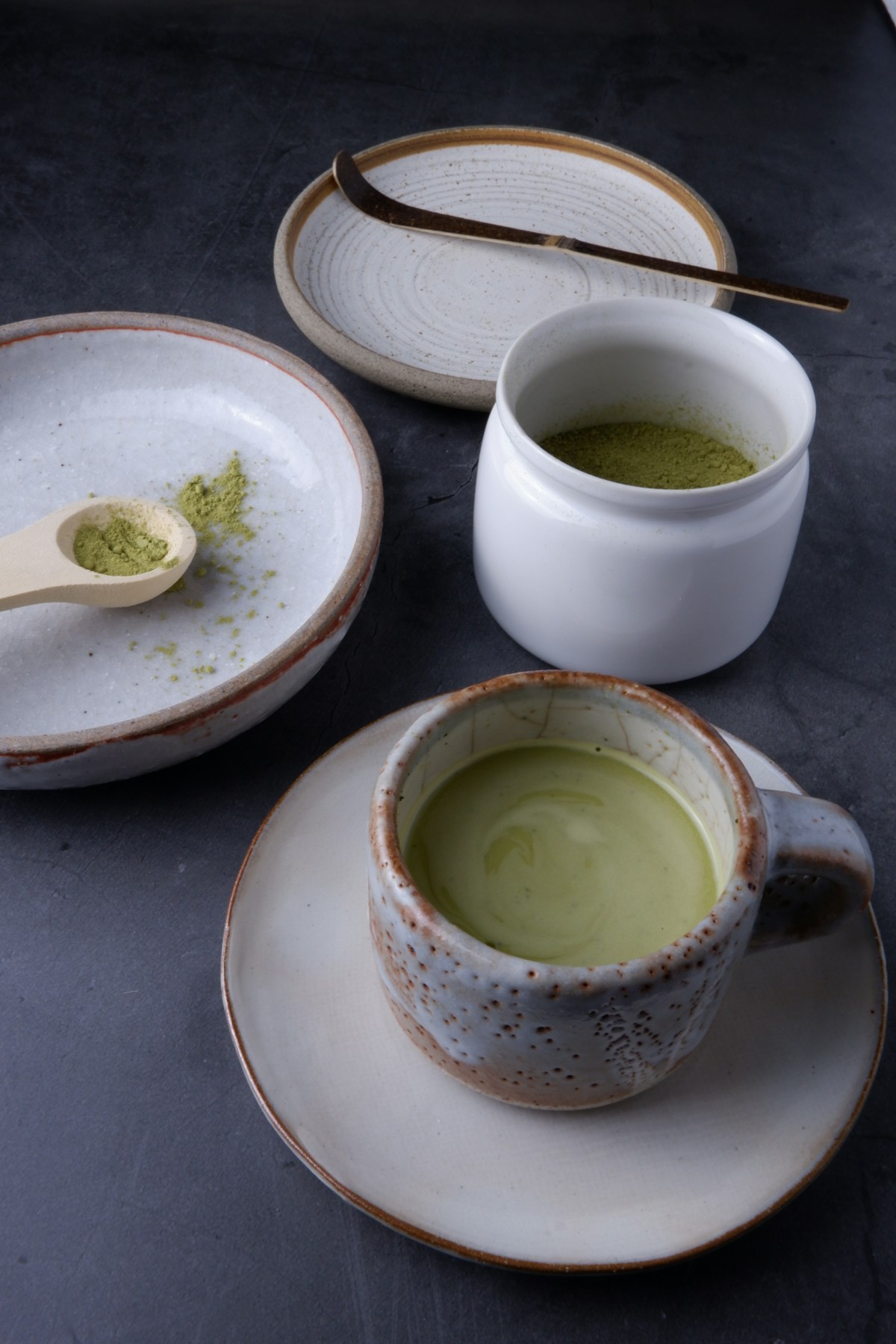
I saved this one for last because I think it’s underrated as a health benefit. There’s something about having a morning ritual that you genuinely look forward to that sets a completely different tone for your day. Matcha prep — sifting the powder, whisking it with hot water, watching that froth build up — is meditative in a way that brewing coffee isn’t.
It slows you down for five minutes. It signals to your brain that the day is beginning intentionally. And the experience is genuinely sensory and pleasurable, especially with a high-quality, naturally sweet first-harvest matcha like this one:

Naoki Matcha Organic Ceremonial First Spring Blend
~$28
Premium first-harvest matcha with a naturally sweet, complex flavor
How to Make the Perfect Matcha
You don’t need much equipment. Here’s the simple version:
- Sift 1–2 teaspoons of matcha into your bowl or mug to break up clumps.
- Add 2 oz of hot water — not boiling, around 175°F (80°C). Boiling water makes matcha bitter.
- Whisk in a W or M motion until frothy, about 30–60 seconds. A bamboo whisk (chasen) is ideal, but a small frother works too.
- Drink it straight for the full ceremonial experience, or add 6–8 oz of steamed oat milk or regular milk for a latte.
That’s it. The whole ritual takes about five minutes and the result is genuinely better than most coffeehouse drinks.
Ceremonial vs Culinary Grade — Which Should You Buy?
The grade really depends on how you plan to drink it:
- Ceremonial grade is higher quality, often first-harvest, with a naturally sweeter, more complex flavor. It’s meant to be whisked with water and drunk straight. It costs more but tastes noticeably better for drinking.
- Culinary grade has a slightly more robust, earthy flavor. It holds up well in lattes, smoothies, and baking where you’re mixing it with other ingredients. It’s more affordable and perfect for daily use.
My honest recommendation: if you’re just getting started, grab culinary grade — Jade Leaf’s organic culinary matcha is a fantastic value. Once you’ve got the habit down and want to upgrade your drinking experience, try a ceremonial grade like Naoki’s Superior Ceremonial Blend for your morning whisked matcha.
Frequently Asked Questions
Is it okay to drink matcha every day?
Yes, for most healthy adults, drinking matcha daily is perfectly safe and beneficial. The general guidance is 1–3 servings per day. Because matcha contains caffeine, you’ll want to be mindful of your total daily caffeine intake and avoid it late in the day if you’re sensitive to caffeine.
How much matcha per day is safe?
Most research suggests up to 3–4 cups per day is safe for healthy adults. The main consideration is caffeine (roughly 70mg per serving) and the fact that large amounts of green tea catechins on an empty stomach can cause nausea in some people. Starting with one serving daily with food is a good approach.
Does matcha have more caffeine than coffee?
No — matcha typically has less caffeine than coffee. A serving of matcha contains roughly 60–80mg of caffeine, while a standard cup of coffee has 95–200mg. The key difference isn’t the amount — it’s how the caffeine is delivered. The L-theanine in matcha creates a smoother, more sustained energy experience with fewer side effects.
What’s the best time of day to drink matcha?
Morning is ideal for most people — usually about 30 minutes after waking, after you’ve had some water. Some people also enjoy a mid-morning matcha around 10–11am as a pre-work focus boost. Avoid matcha after 2pm if you’re caffeine-sensitive, as it can affect sleep quality.
Can matcha help with weight loss?
Matcha can support weight management as part of a healthy lifestyle. The combination of EGCG and caffeine boosts thermogenesis and fat oxidation, and matcha helps regulate blood sugar, which reduces cravings. That said, it’s not a standalone solution — it works best as one part of a balanced diet and active routine.
This post contains affiliate links. If you purchase through my links, I may earn a small commission at no extra cost to you. 🤍
Free Download
Get My Daily Supplement Stack Guide
Everything I take, why I take it, and what I noticed — morning, midday, and evening. Free when you join the list.
No spam, ever. Unsubscribe anytime.