
Tinted sunscreen is the lazy girl’s answer to foundation — and I mean that as the highest compliment possible. It gives you a bit of coverage, evens out your skin tone, and provides real SPF protection, all in one single step. Once I found the right tinted sunscreen for my skin, I genuinely stopped wearing foundation on most days. My morning routine went from eight steps to four, and somehow my skin looks better than it ever did when I was layering full coverage foundation over it. Here’s everything you need to know about tinted sunscreen: why it works, how to choose it for your skin type, and the products I genuinely recommend.
Why Tinted Sunscreen Is Better Than Regular Sunscreen (For Many Women)
Standard sunscreens — even good ones — come with practical problems that make daily wear harder than it should be. Mineral formulas can leave a white or grayish cast that’s especially visible on medium and deeper skin tones. Chemical formulas can feel greasy or sticky under makeup. Both can cause flashback (a ghostly glow) in photos from flash photography.
Tinted sunscreens address all of these issues. The tint (usually iron oxides in various pigments) neutralizes the white cast, blends with your skin tone, and provides light coverage that evens out redness, minor discoloration, and general unevenness. The result is a natural, skin-like finish that’s noticeably more wearable than untinted SPF — especially in social situations or at work.
There’s also a functional benefit that’s often overlooked: the iron oxides in tinted sunscreens block visible light. Regular SPF blocks UV rays (UVA and UVB), but not visible light or HEV (high-energy visible) blue light from screens and artificial sources. Visible light and HEV light can trigger and worsen hyperpigmentation, melasma, and uneven tone — particularly in women with deeper skin tones. Tinted SPF with iron oxides addresses this gap that regular sunscreen misses entirely. This makes tinted sunscreen genuinely superior for hyperpigmentation treatment and prevention, not just cosmetically more convenient.

EltaMD UV AOX Elements Tinted Mineral Face Sunscreen SPF 50
$46.00
Beloved by dermatologists worldwide. Antioxidant-infused mineral SPF with a beautiful tinted finish.
SPF 30 vs. SPF 50: Which Do You Actually Need?
This is one of the most common sunscreen questions, and the answer is more nuanced than the marketing suggests. Here’s the actual science:
SPF 30 blocks approximately 97% of UVB rays. SPF 50 blocks approximately 98%. SPF 100 blocks approximately 99%. The difference between SPF 30 and SPF 50 is a single percentage point of additional protection. That’s real, but it’s not dramatic.
For daily, incidental sun exposure — driving, walking to your car, sitting near a window, running errands — SPF 30 is genuinely sufficient. You don’t need SPF 50+ for your morning commute.
Where SPF 50+ matters: prolonged direct sun exposure. Beach days, outdoor sports, hiking, sitting in outdoor cafés, outdoor events that last more than an hour. In these situations, the extra 1% protection compounds with repeated UV exposure throughout the day, and the higher SPF provides meaningful additional coverage.
The variable that matters more than the SPF number: reapplication. No sunscreen lasts all day. Every two hours of sun exposure requires reapplication. A diligently reapplied SPF 30 provides better protection than a single-application SPF 50. Most women don’t reapply over makeup — which is exactly why tinted SPF powders and SPF setting sprays exist. Keep one at your desk for midday reapplication.
Chemical vs. Mineral Tinted Sunscreen
There are two main sunscreen technologies, and they work differently:
Chemical sunscreens (active ingredients: avobenzone, oxybenzone, homosalate, octinoxate) absorb UV radiation and convert it to heat, which is then released from the skin. They typically have lighter, more cosmetically elegant textures that work beautifully under and over makeup. The tradeoff: some people find certain chemical filters irritating (particularly oxybenzone), and chemical sunscreens must be applied 15–20 minutes before sun exposure to be fully effective.
Mineral sunscreens (active ingredients: zinc oxide and/or titanium dioxide) sit on top of the skin and physically deflect UV rays. They’re effective immediately upon application, are generally better tolerated by sensitive and acne-prone skin, and are the safer choice for pregnant women and for use on children. The historical tradedown was a white or greyish cast — which tinted mineral formulas address directly.
Hybrid formulas combine both technologies and represent the sweet spot for most women: the elegant texture of chemical sunscreens plus the gentle, immediate efficacy of mineral, with the tint addressing any cast concerns.

ISDIN Eryfotona Ageless Tinted Mineral Sunscreen SPF 50+ — Zinc Oxide, Anti-Aging
$50.00
A cult-favorite tinted SPF that also contains DNA-repair enzymes. Worth every penny.

Obagi Sun Shield Tinted Sunscreen Broad Spectrum SPF 50
$59.00
A clinical-grade tinted sunscreen with a beautiful satin finish and real SPF 50 protection.
Best Tinted Sunscreens for Different Skin Types
Not every tinted SPF works on every skin type. Here’s how to narrow it down:
Oily or acne-prone skin: Look for “matte finish,” “oil-free,” and “non-comedogenic” on the label. Gel-based or water-based formulas absorb quickly and don’t contribute to midday shine. Mineral zinc oxide formulas are often a good choice because zinc has mild anti-inflammatory properties.
Dry or dehydrated skin: Look for hydrating ingredients in the formula — hyaluronic acid, glycerin, ceramides, or squalane. You want a formula that delivers both moisture and SPF without the need for a separate moisturizer step. “Dewy finish” formulas work well for dry skin because the natural sheen reads as healthy rather than oily.
Sensitive or reactive skin: Mineral-only formulas (zinc oxide and titanium dioxide, no chemical filters) are the gentlest option. Fragrance-free is non-negotiable. Look for calming ingredients like niacinamide, centella asiatica, or ceramides. Patch-test any new sunscreen on your inner wrist for 24 hours before applying to your full face.
Combination skin: Lightweight, water-based formulas that control shine in the T-zone without drying out the cheeks. A medium-coverage tint works well for combination skin because it evens out the visual difference between oily and drier zones without heavy foundation.
Deeper skin tones: Iron oxide tinting is essential — the ratio and selection of pigments determines whether a tinted SPF actually blends with your skin rather than sitting on top of it. Black Girl Sunscreen, EltaMD UV AOX Elements, and ISDIN Eryfotona all perform well across a range of deeper skin tones.

Black Girl Sunscreen Moisturizing SPF 30 — No White Residue, Natural Ingredients
Check price
Specifically formulated for melanin-rich skin — no white cast, lightweight, and genuinely moisturizing.
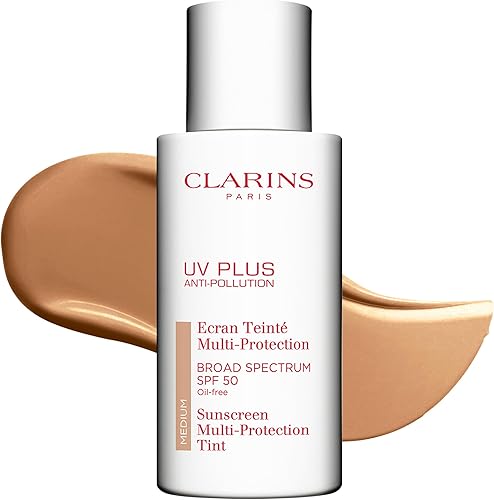
Clarins UV Plus Anti-Pollution Tinted Face Sunscreen SPF 50 — Sheer Finish
$50.00
Lightweight, non-greasy formula with pollution protection and a sheer-to-medium tinted coverage.
How to Apply Tinted Sunscreen for the Best Coverage
The how matters as much as the what when it comes to tinted SPF. A few application techniques that make a significant difference:
Apply last in your skincare routine, before makeup. Tinted SPF goes after moisturizer (if you use one separately), after serum, after eye cream. The sunscreen is your final skincare step, not your first.
Use a damp makeup sponge to blend. This gives you more coverage and a more seamless finish than fingertips alone. Pat, don’t rub — rubbing moves product around without building coverage, while pressing motion presses product into skin for better adherence and longer wear.
Build in thin layers rather than one thick application. A thin layer blended well looks more like skin than a thick layer applied quickly. If you want more coverage, wait 30 seconds for the first layer to set, then apply a second thin layer over areas that need more attention.
Set with a light powder if you’re oily. A translucent setting powder over tinted SPF extends wear time significantly and controls shine without adding coverage. This is the move for anyone who finds their sunscreen has migrated by noon.
Don’t forget your neck and chest. If you’re applying SPF to your face, extend it down to your neck and décolletage. These are the areas most often forgotten and most visibly aged by cumulative sun exposure over time.
Can Tinted Sunscreen Replace Foundation?
For many women, yes — at least on most days. The key is knowing what coverage you realistically need and what gaps tinted SPF leaves.
Tinted SPF provides sheer-to-medium coverage: it evens out skin tone, reduces the appearance of mild redness and discoloration, and creates a polished, healthy look. It does not cover deep acne scars, significant hyperpigmentation, or pronounced redness without additional product.
The hybrid approach that works for most women: tinted SPF as a base (for overall tone-evening), plus concealer applied only where needed (under-eye circles, specific blemishes or spots), plus a setting powder (optional), plus mascara and brow fill. This “no-makeup makeup” look takes 3–4 minutes and photographs remarkably well.
Full makeup days still exist — events, special occasions, days when you want the full routine. But for an average Tuesday? Tinted SPF, concealer, and mascara. That’s a complete, polished look that protects your skin, improves its appearance, and takes less time than choosing what to eat for breakfast.
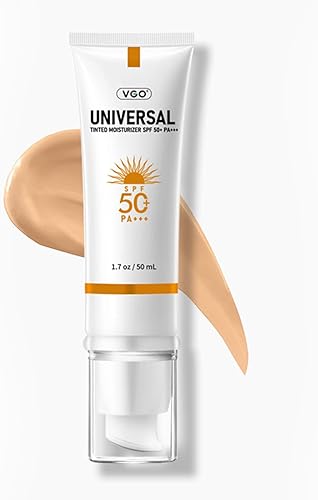
VGO Tinted Sunscreen for Face SPF 50 — Hydrating, Non-Sticky, Travel Size
$13.99
An affordable tinted SPF option that punches well above its price point for daily use.
Frequently Asked Questions
Does tinted sunscreen actually provide SPF protection?
Yes — the tint is a cosmetic addition; the SPF is the functional active ingredient. Any tinted sunscreen labeled SPF 30 or SPF 50 has been tested and certified to provide that level of protection. The tint does not reduce the SPF efficacy. The same coverage and reapplication rules apply as for any other sunscreen. The one important note: tinted SPF still needs to be applied in sufficient quantity — a thin, insufficient layer of SPF 50 doesn’t provide SPF 50 protection. Apply generously.
Can I wear tinted sunscreen instead of foundation?
Yes, for everyday wear, absolutely. Tinted SPF provides sheer-to-medium coverage that evens out skin tone, reduces the appearance of redness and minor discoloration, and gives a natural, polished finish. Pair it with targeted concealer where needed and you have a complete base that takes less time to apply than full foundation. Most women who try this approach don’t go back to daily foundation use.
What’s the best tinted sunscreen for dark skin tones?
For deeper skin tones, the critical factor is iron oxide pigment quality — you want a formula specifically designed to complement melanin-rich skin without ashy or grey undertones. Black Girl Sunscreen and EltaMD UV AOX Elements are both formulated with a range of undertones in mind. ISDIN Eryfotona also performs well on deeper skin tones. Always check reviews from women with similar skin tones before purchasing, and buy from a retailer with an easy return policy so you can try it without risk.
How often do I reapply tinted sunscreen?
Every two hours of direct sun exposure requires reapplication. For indoor days or incidental sun exposure (commuting, short errands), a morning application is typically sufficient. For days that involve prolonged outdoor time — a walk, an outdoor lunch, a beach or park day — reapplication matters. SPF setting sprays and tinted SPF powders are designed specifically for midday reapplication over makeup and are far more practical than re-applying a liquid sunscreen over a full face.
Does tinted sunscreen cause breakouts?
This depends on the formula. Non-comedogenic, oil-free, and lightweight formulas are generally safe for acne-prone skin. Mineral-based formulas are often better tolerated than chemical ones for reactive or breakout-prone skin. If you experience breakouts from any tinted SPF, try a mineral-only formula first. The most common culprit is fragrance — fragrance-free formulas are safer for sensitive, reactive, or acne-prone skin types.
Shop All Recommendations
All of my top tinted sunscreen picks for every skin type and budget:
EltaMD UV AOX Elements Tinted Mineral Face Sunscreen SPF 50
$46.00
Beloved by dermatologists worldwide. Antioxidant-infused mineral SPF with a beautiful tinted finish.
ISDIN Eryfotona Ageless Tinted Mineral Sunscreen SPF 50+ — Zinc Oxide, Anti-Aging
$50.00
A cult-favorite tinted SPF that also contains DNA-repair enzymes. Worth every penny.
Obagi Sun Shield Tinted Sunscreen Broad Spectrum SPF 50
$59.00
A clinical-grade tinted sunscreen with a beautiful satin finish and real SPF 50 protection.
Clarins UV Plus Anti-Pollution Tinted Face Sunscreen SPF 50 — Sheer Finish
$50.00
Lightweight, non-greasy formula with pollution protection and a sheer-to-medium tinted coverage.
VGO Tinted Sunscreen for Face SPF 50 — Hydrating, Non-Sticky, Travel Size
$13.99
An affordable tinted SPF option that punches well above its price point for daily use.
Black Girl Sunscreen Moisturizing SPF 30 — No White Residue, Natural Ingredients
Check price
Specifically formulated for melanin-rich skin — no white cast, lightweight, and genuinely moisturizing.