
Gut health is one of those topics that’s simultaneously everywhere and deeply confusing. Your Instagram feed probably contains at least a dozen posts per week about probiotics, prebiotics, microbiome diversity, and the gut-brain axis — and the advice is often contradictory. Take this supplement. Avoid that food. Do a juice cleanse. Don’t do a juice cleanse. Start over.
I went down this rabbit hole seriously after dealing with persistent bloating, irregular digestion, and what I can only describe as a skin that seemed directly connected to whatever I’d eaten the night before. After a lot of reading and a lot of trial and error, I’m finally in a place where I understand the basics — and more importantly, I know what actually made a difference. This is the honest, no-overwhelm starting point I wish someone had given me.
Why Gut Health Matters More for Women
Women experience gut-related conditions at higher rates than men. IBS (irritable bowel syndrome) affects women at roughly twice the rate of men. Inflammatory bowel conditions, celiac disease, and autoimmune conditions affecting the gut also skew heavily female. Part of this is hormonal — estrogen and progesterone directly influence gut motility, pain sensitivity, and the composition of the gut microbiome. As hormones fluctuate through the menstrual cycle, perimenopause, and menopause, gut symptoms often fluctuate too.
Beyond digestion, the gut microbiome plays a central role in several areas of women’s health that often go undiscussed:
The gut-hormone connection: A community of gut bacteria called the “estrobolome” is responsible for metabolizing and recycling estrogen. When the microbiome is imbalanced, estrogen metabolism can be disrupted — contributing to estrogen dominance, PMS, and hormonal symptoms. This means supporting your gut directly supports your hormonal health.
The gut-brain axis: Approximately 90–95% of the body’s serotonin is produced in the gut. The gut and brain communicate bidirectionally through the vagus nerve — which explains why stress affects digestion and why gut dysfunction affects mood. Anxiety, depression, and brain fog are all influenced by gut health.
The gut-skin axis: Skin conditions like acne, eczema, and rosacea are frequently linked to gut microbiome imbalance. This isn’t pseudoscience — the research connecting gut inflammation and skin inflammation is robust and growing. If your skin isn’t responding to topical treatments, looking at your gut may be the missing piece.
Immune function: Roughly 70% of the immune system resides in and around the gut. A healthy microbiome supports immune regulation; a dysbiotic (imbalanced) microbiome is associated with increased susceptibility to infection, autoimmune conditions, and chronic inflammation.
Signs Your Gut Health Needs Work
Most people don’t have obvious digestive symptoms when their gut health is compromised — the signs are often systemic and easy to attribute to other causes. Common indicators that your gut microbiome may be out of balance:
- Bloating after most meals — especially if it’s not related to a specific food, but seems to happen regardless of what you eat
- Constipation or irregular stools — ideally you should have one or two well-formed bowel movements daily
- Skin issues — acne that doesn’t respond to topical treatments, eczema flares, rosacea, general dullness
- Frequent illness — getting every cold and flu that goes around suggests compromised immune function
- Mood issues and anxiety — particularly if they seem to fluctuate without clear external cause
- Fatigue — especially post-meal fatigue or energy that never quite feels restored even with adequate sleep
- Food intolerances developing in adulthood — a sign of increased intestinal permeability (leaky gut)
- Strong sugar and carbohydrate cravings — candida overgrowth and dysbiotic bacteria feed on sugar and send signals to the brain to consume more

Garden of Life Raw Probiotics Colon Care 50 Billion CFU, 30 Capsules
$29.06
50 billion CFU from 33 different probiotic strains plus prebiotics — one of the most complete probiotic supplements available.
The Foundation: What to Eat for a Healthy Gut
Before we talk about supplements, let’s talk about food — because no supplement can compensate for a diet that actively harms your microbiome. The research on gut health consistently shows that dietary diversity is the single most important factor for a healthy, resilient microbiome.
Fiber diversity: Aim for 30 different plant foods per week. Yes, 30. This sounds overwhelming until you start counting — every type of vegetable, fruit, legume, nut, seed, and whole grain counts as a separate plant food. The more diverse your plant intake, the more diverse your microbiome. A diverse microbiome is a resilient microbiome.
Fermented foods: Yogurt with live cultures, kefir, kimchi, sauerkraut, tempeh, miso, and kombucha all provide live beneficial bacteria that support microbiome health. Research from Stanford shows that a diet high in fermented foods increases microbiome diversity and reduces inflammatory markers more effectively than a high-fiber diet alone. Try to include at least one fermented food daily.
Prebiotic foods: These are the foods that feed your beneficial bacteria — they’re the fertilizer for your microbiome. Key prebiotic foods include garlic, onion, leeks, asparagus, green (unripe) bananas, chicory root, and Jerusalem artichokes. A simple habit: add raw garlic or cooked onion and leeks to as many meals as possible.
Bone broth: Rich in collagen, gelatin, and amino acids including glycine and glutamine, bone broth supports the integrity of the gut lining. This is particularly valuable if you’re healing from a period of poor gut health, recent antibiotic use, or symptoms of leaky gut.
The Supplements Worth Taking
Once you’ve established a gut-supportive dietary foundation, targeted supplementation can accelerate healing and maintain balance. Here’s what the evidence supports:
Probiotics introduce beneficial bacterial strains directly into your gut. Look for products with multiple strains of Lactobacillus and Bifidobacterium, a minimum of 10–50 billion CFU (colony-forming units), and ideally refrigerated storage or a shelf-stable formula with enteric coating to ensure the bacteria survive stomach acid. Quality matters enormously — not all probiotics are created equal.
Garden of Life Raw Probiotics Colon Care 50 Billion CFU, 30 Capsules
$29.06
50 billion CFU from 33 different probiotic strains plus prebiotics — one of the most complete probiotic supplements available.
L-Glutamine is an amino acid that is the primary fuel source for intestinal enterocytes — the cells that line your gut wall. It’s essential for maintaining and repairing the gut lining, making it particularly valuable after antibiotic use, for anyone with leaky gut symptoms, or during periods of high stress (stress depletes glutamine). A dose of 5g daily in powder form mixed into water is a standard therapeutic protocol.
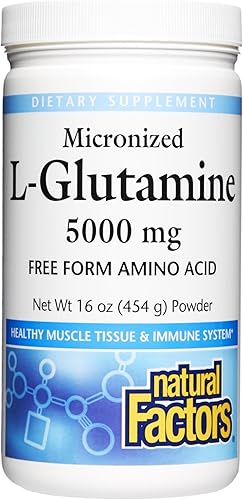
Natural Factors Micronized L-Glutamine 5,000mg Powder – Gut Lining Support
$27.97
Pure L-glutamine powder for gut lining repair. Ideal after antibiotics or for anyone with leaky gut symptoms.
Digestive enzymes support the breakdown of food when the gut is compromised. When the gut is inflamed or dysbiotic, enzyme production can be reduced, leading to incompletely digested food particles that cause bloating, gas, and inflammation. A broad-spectrum enzyme supplement taken with meals can dramatically reduce these symptoms while the underlying gut issues are being addressed.

BIOptimizers MassZymes Complete Digestive Enzymes – Bloating Relief
$19.34
A comprehensive digestive enzyme blend for bloating, gas, and discomfort after meals. Includes protease, amylase, and lipase.
The OLLY Beat The Bloat capsule is specifically formulated for women and combines digestive enzymes with a probiotic blend and dandelion — making it a convenient, multifunctional option for targeted bloating relief.

OLLY Beat The Bloat Capsules – Digestive Support for Women
$16.39
Specifically formulated for women — combines digestive enzymes with probiotics and dandelion for bloating relief.
Collagen peptides provide glycine, proline, and hydroxyproline — amino acids that support the structural integrity of the gut lining. While not a replacement for L-glutamine in therapeutic contexts, collagen powder added to smoothies, coffee, or soups is a simple way to support gut lining health daily while also supporting skin, hair, and joints.

Ancient Nutrition Multi Collagen Protein Powder, Unflavored
$24.92
Multi-collagen protein from 5 sources including bovine and marine. Supports gut lining, skin, and joints.
What to Reduce or Eliminate
Supporting gut health isn’t only about what you add — it’s equally about removing the factors that actively harm your microbiome.
Ultra-processed foods are the greatest single threat to microbiome health. They’re low in fiber, high in additives and emulsifiers that disrupt the gut lining, and devoid of the plant diversity that beneficial bacteria need to thrive. The research is unequivocal: a diet dominated by ultra-processed foods produces a less diverse, more inflammatory microbiome.
Artificial sweeteners — even the “zero-calorie” ones like aspartame, sucralose, and saccharin — have been shown in multiple studies to disrupt microbiome balance, impair glucose tolerance, and reduce microbiome diversity. If you’re trying to improve gut health, consider eliminating artificial sweeteners entirely for at least 30 days.
Alcohol increases intestinal permeability (leaky gut) even in moderate amounts. Regular alcohol consumption also disrupts sleep quality (which independently harms gut health) and depletes key nutrients including B vitamins and zinc. During an active gut reset, eliminating alcohol for 30 days can make a significant difference.
Unnecessary antibiotic use is worth mentioning because antibiotics are the most powerful disruptor of the microbiome. Obviously use antibiotics when medically necessary — but discuss with your doctor whether they’re truly needed before automatically accepting a prescription for viral infections (which antibiotics can’t treat).
Chronic stress directly harms gut health through multiple pathways: altering gut motility, reducing the integrity of the gut lining, and changing the composition of the microbiome. Stress management is a genuine gut health intervention.
The 30-Day Gut Reset Protocol
If you want to make meaningful progress on gut health, I recommend a focused 30-day protocol. Here’s a simplified version of what worked for me:
Week 1 — Eliminate: Remove ultra-processed foods, artificial sweeteners, and alcohol. Start a probiotic and L-glutamine daily. Prioritize 8 hours of sleep and one stress-management practice (even just 10 minutes of walking or deep breathing).
Week 2 — Add plant diversity: Make it a game to add 10 new plant foods this week. Add one new vegetable or fruit at every grocery trip. Start keeping a simple food diary — just what you ate and how your gut felt afterward.
Week 3 — Introduce fermented foods: Add a small portion of fermented food daily — start with plain yogurt or kefir if you’re new to fermented foods; work up to sauerkraut, kimchi, or kombucha. Start digestive enzymes if you’re still experiencing post-meal discomfort.
Week 4 — Assess and identify triggers: Review your food diary. By now, most people notice reduced bloating, more regular digestion, and often improvements in energy and skin. Use this week to identify any remaining foods that consistently cause symptoms and experiment with reducing them.
Tracking Your Progress
Gut health improvements don’t always follow a linear path, which is why tracking matters. I kept a simple daily log noting: energy level (1–10), bloating (none/mild/moderate/severe), skin clarity, mood, and any notable foods eaten or stressors experienced.
What you can realistically expect and when:
- Bloating reduction: 2–4 weeks with consistent dietary changes and probiotic/enzyme supplementation
- Skin improvement: 4–8 weeks — skin cell turnover takes time, but gut-driven inflammation reduction can be visible within a month
- Mood and energy improvement: 2–6 weeks — the gut-brain connection changes more gradually
- Microbiome diversity: Research suggests meaningful diversity changes occur within 2–4 weeks of significant dietary changes
Progress is real but not always dramatic. You may not wake up one morning feeling completely transformed — instead you’ll notice that your pants aren’t tight after dinner, your skin is clearer, you’re getting sick less often, your mornings feel better. These are the cumulative effects of a healthier gut.
Frequently Asked Questions
How long does it take to fix gut health?
The research suggests that meaningful microbiome changes can happen within 2–4 weeks of consistent dietary and lifestyle changes. However, “fixing” gut health is less of a destination and more of an ongoing practice. For many people, significant and lasting improvement takes 3–6 months. Factors that influence the timeline include the severity of current dysbiosis, dietary changes made, whether any underlying conditions (like SIBO or candida overgrowth) are present, and stress management.
What is leaky gut?
Leaky gut (intestinal permeability) refers to increased permeability of the intestinal lining — essentially, the tight junctions between gut wall cells loosen, allowing incompletely digested food particles, bacteria, and toxins to pass into the bloodstream. This triggers an immune response and systemic inflammation. Symptoms can include food sensitivities, skin issues, brain fog, joint pain, and fatigue. It’s associated with dysbiosis, chronic stress, alcohol use, certain medications (especially NSAIDs), and inflammatory diets.
Is bloating normal?
Some degree of gas and bloating is normal — it’s a byproduct of bacterial fermentation of fiber in the colon. However, persistent bloating after most meals, severe bloating that causes significant discomfort, or bloating accompanied by pain, changes in stool, or blood is not normal and should be evaluated by a doctor. For many women, hormonal fluctuations also cause bloating — estrogen and progesterone affect gut motility, which is why many women bloat more in the second half of their cycle.
Should I take a probiotic every day?
For most people, yes — daily probiotic supplementation is safe and beneficial, especially if your diet is moderate in fermented foods. Consistency matters: probiotics don’t permanently colonize the gut (they’re transient residents), so regular intake maintains their benefits. Take probiotics in the morning with breakfast, or in the evening away from antibiotic medications if you’re on a course.
What foods are worst for gut health?
The research consistently points to ultra-processed foods as the most damaging category — particularly those containing emulsifiers (like carboxymethylcellulose and polysorbate-80), which have been shown to damage the gut lining and alter microbiome composition. Artificial sweeteners, excessive alcohol, and a diet very low in plant diversity are also significantly damaging. Interestingly, the research on specific “bad” foods is more nuanced than popular culture suggests — it’s the overall pattern of diet that matters most, not any single food.
Shop All Recommendations
Garden of Life Raw Probiotics Colon Care 50 Billion CFU, 30 Capsules
$29.06
50 billion CFU from 33 different probiotic strains plus prebiotics — one of the most complete probiotic supplements available.
Natural Factors Micronized L-Glutamine 5,000mg Powder – Gut Lining Support
$27.97
Pure L-glutamine powder for gut lining repair. Ideal after antibiotics or for anyone with leaky gut symptoms.
BIOptimizers MassZymes Complete Digestive Enzymes – Bloating Relief
$19.34
A comprehensive digestive enzyme blend for bloating, gas, and discomfort after meals. Includes protease, amylase, and lipase.
OLLY Beat The Bloat Capsules – Digestive Support for Women
$16.39
Specifically formulated for women — combines digestive enzymes with probiotics and dandelion for bloating relief.
Ancient Nutrition Multi Collagen Protein Powder, Unflavored
$24.92
Multi-collagen protein from 5 sources including bovine and marine. Supports gut lining, skin, and joints.