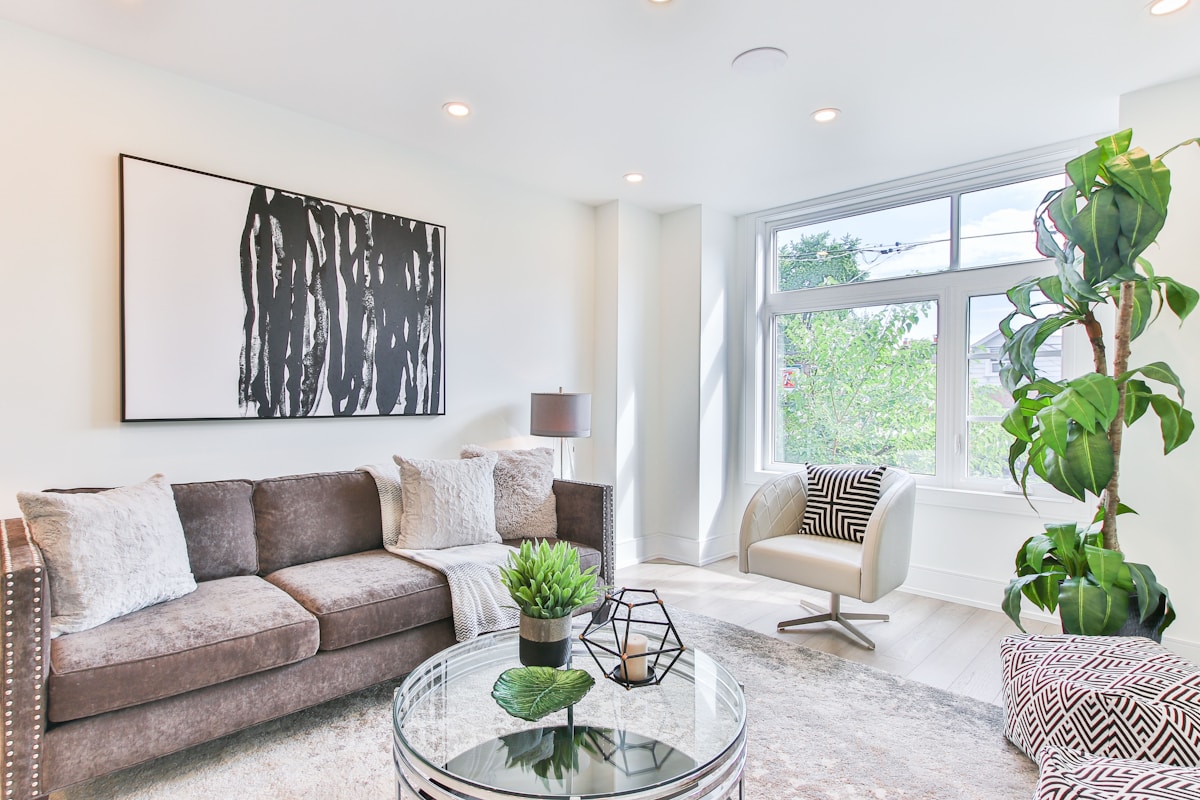

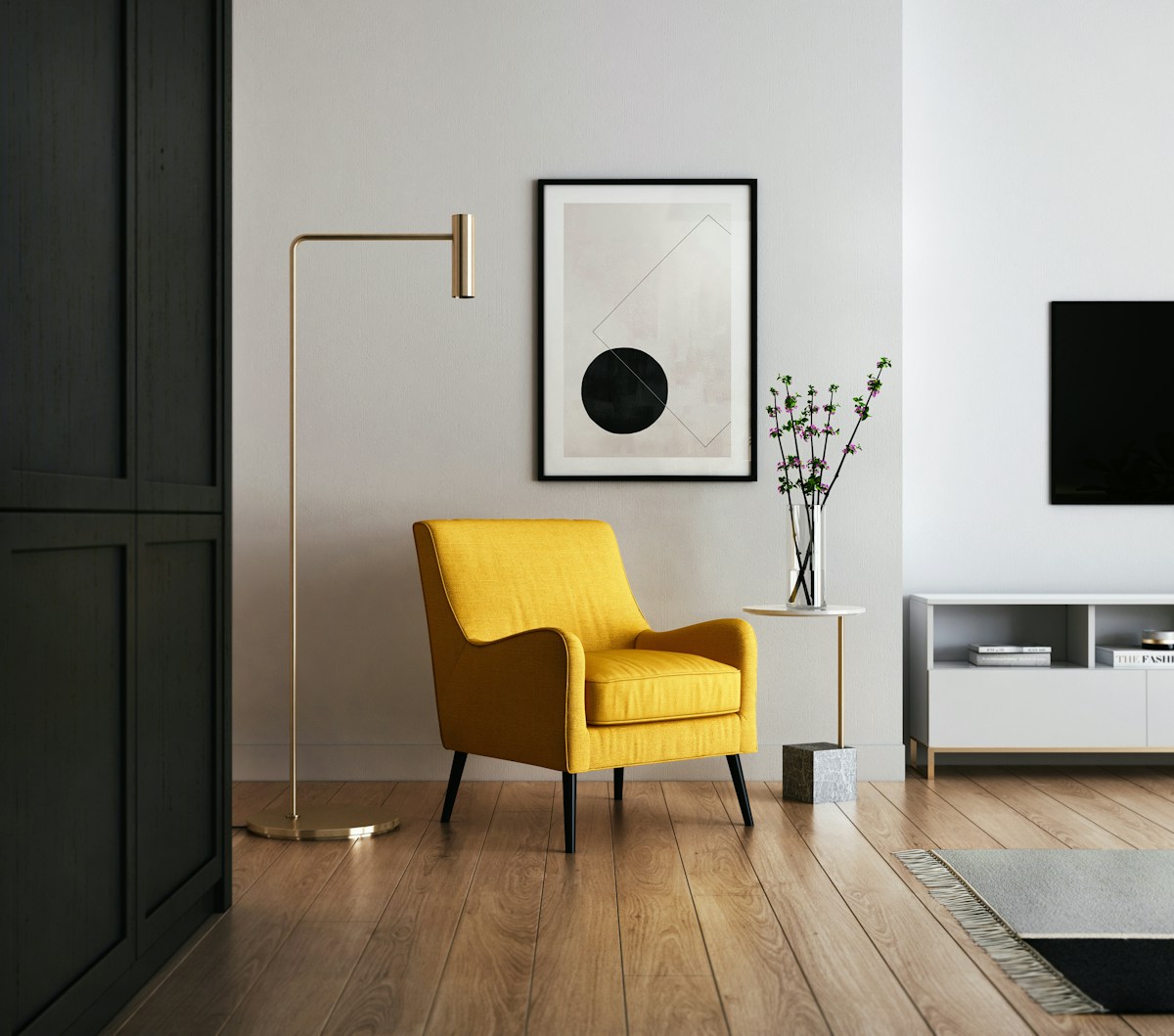
Living in a small apartment doesn’t have to mean living in a space that feels cramped and overwhelming. I’ve lived in some genuinely tiny places — and I’ve learned that the difference between a small space that feels cozy and livable versus one that feels like it’s closing in on you is almost entirely about intentional design choices. Not expensive ones. Mostly just smart ones. Here’s what I wish I’d known from the beginning: the visual tricks that actually expand a space, the furniture choices that pay dividends, and the common mistakes that make small spaces feel even smaller.
The Visual Tricks That Actually Work
The number one tool for making a small space feel bigger is mirrors — and most people don’t use them aggressively enough. A large mirror on a wall doesn’t just reflect light; it literally doubles the visual depth of a room. Place a floor-to-ceiling mirror across from a window and you’ll feel like you’ve added a whole other room. Mirrors on closet doors, leaned against a wall, or clustered in a gallery arrangement all work. If you do nothing else on this list, get a large mirror.
Light is the second biggest lever. Natural light makes any space feel larger — so remove heavy curtains, use sheer panels instead, and position furniture so it doesn’t block windows. For artificial light, layer it: ceiling light plus floor lamps plus table lamps creates depth and warmth that makes a room feel like a destination, not a box. Avoid the single-overhead-light trap — it’s the fastest way to make a room feel institutional and flat.
Vertical lines draw the eye up and make ceilings feel higher. Tall bookshelves, floor-length curtains hung from ceiling height (even if the window is smaller), vertical shiplap or wallpaper patterns, and tall plants all exploit this optical trick. The eye reads “tall” and the brain translates it to “spacious.”

Space Saving Storage Solution
Versatile storage that works in any room — keeps surfaces clear which instantly makes spaces feel larger.

SPACELEAD 3 Tier Rolling Cart
$18.99
A rolling cart that can serve as extra kitchen storage, bathroom organizer, or craft station.
Multi-Function Furniture: The Real Game Changer
In a small apartment, every piece of furniture needs to earn its place — ideally by doing two jobs. A storage ottoman replaces both a coffee table and a storage unit. A Murphy bed transforms a bedroom into a living room during the day. A fold-out dining table disappears when you’re not using it. A rolling cart moves from kitchen to bathroom to craft station as needed.
The principle is simple: anything that does one thing takes up just as much space as something that does two things. When you’re working with limited square footage, every square foot has to justify itself. Nesting furniture (tables that stack inside each other, stools that slide under a console) is especially useful because it lets you expand your surface area when you need it and collapse it when you don’t.
The investment in good multi-function furniture pays off in livability — your space feels functional, organized, and intentional rather than chaotic and stuffed.

Folding Table
$75.99
A fold-away table that disappears when you don’t need it — perfect for small dining areas or studios.
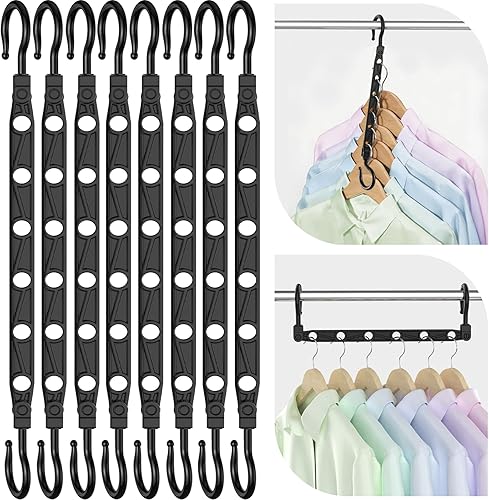
Space Saving Hangers 48 Clothes
$9.49
Doubles your closet capacity instantly — one of the best $10 buys for a small apartment.
Color and Lighting Principles for Small Spaces
Light colors make rooms feel larger — this is conventional wisdom that actually holds up. White, off-white, cream, light grey, and soft warm beiges reflect more light and make walls visually recede. That said, you don’t have to live in an all-white box. One dark accent wall can actually add depth and make a room feel more dynamic without shrinking it. The key is keeping the other three walls and the ceiling light.
Monochromatic color schemes (using different shades of the same color family throughout a room) are especially good for small spaces because they create visual continuity — the eye moves through the room without stopping, which feels expansive. A room with lots of different colors and patterns reads as busy and crowded, even if it’s not physically full.
Rugs can define spaces and make them feel more intentional — but undersized rugs are one of the most common mistakes in small apartments. A rug that’s too small makes the room look cluttered. Choose a rug that fits the furniture arrangement properly (front legs of all seating on the rug) and extends close to the walls.

Homleke Narrow Side Tables Set of 2
$45.99
Skinny end tables that don’t take up floor space but still give you a surface next to the sofa.

Weenson Bathroom Corner Shelf
$22.99
Use vertical bathroom space — corners are almost always wasted in small apartments.
5 Things Making Your Small Space Feel More Cramped
Even after doing everything right, these common mistakes will undercut your work. 1. Too much furniture. Edit ruthlessly. If something doesn’t serve a purpose or bring genuine joy, it’s taking up space — physical and visual. 2. Clutter on every surface. Clear surfaces read as spacious. Covered surfaces read as chaotic. Find storage for things you use but don’t need to display. 3. Blocking pathways. Every walkway should be clear and generous — bumping into furniture every time you cross the room makes the space feel tiny. 4. Too many small items. One large art piece looks curated; six small ones look like a yard sale. Group small things together or replace them with one statement piece. 5. Inadequate storage. When you don’t have enough storage, everything lives on surfaces or the floor, and the room feels chaotic regardless of its actual size. Invest in storage solutions that use vertical space — shelves, over-door organizers, under-bed storage.
Lighting: The Most Overlooked Tool
If there’s one change that transforms a small apartment more than any other, it’s lighting — and most people never touch it beyond screwing in whatever bulb came with the fixture.
Harsh overhead lighting is the enemy of a cozy, spacious-feeling home. A single ceiling light casts flat, institutional light that makes rooms look smaller and less inviting. The fix is layered lighting: combining multiple light sources at different heights to create depth and warmth.
The layering formula:
- Floor lamps — anchor the room and create height without taking floor space you don’t have
- Table lamps — add intimacy and zones within a larger space
- Under-cabinet or strip lights — make kitchens feel more functional and intentional
- Candles or dim accent lights — the evening shift that makes any space feel like a sanctuary
Bulb temperature matters enormously. Warm white bulbs (2700K to 3000K) make spaces feel cozy and residential. Bright white or cool white bulbs (4000K+) feel clinical — save those for a home office, not your living room.
And never underestimate natural light. Keep windows clear of heavy, light-blocking curtains. Sheer linen panels filter light beautifully without sacrificing brightness — and they make ceilings feel higher.
How to Use Color to Open Up a Space
Color is one of the most powerful and most misunderstood tools in small-space design. The conventional wisdom is “keep everything light and neutral” — and that’s a good starting point, but it’s not the whole picture.
Light walls do reflect more light and make rooms feel airier. White, off-white, light grey, and greige are reliable choices that almost never feel wrong. But here’s what most people don’t know:
- An accent wall in a deeper color can actually make a small space feel longer — the darker color recedes visually, creating an illusion of depth. This works particularly well on the wall at the far end of a narrow room.
- Monochromatic color schemes — varying shades of one color family — look sophisticated and create visual continuity that feels calming rather than cluttered. It’s why Instagram-worthy small apartments often look so cohesive.
- Multiple different wood tones fragment the eye — a light oak desk, a dark walnut shelf, and a medium cherry table all fighting for attention make a room feel busier than it is. Unify your wood tones or choose one as a clear dominant.
The overall principle: visual continuity creates the perception of space. The more the eye has to jump between competing colors and tones, the smaller the room feels.
The Entryway Problem (And How to Fix It)
Small apartments often have the most chaotic entry situation: shoes scattered by the door, bags dumped on the floor, coats piled on a single hook. It’s the first thing you see when you come home and the first thing guests see when they visit — and it sets the tone for how the entire apartment feels.
The solution isn’t a grand renovation. It’s intentional use of a small footprint:
- Wall-mounted hook rack — zero floor footprint, handles coats and bags completely. Install it at a height that works for your ceiling.
- Slim console table — 14 inches deep maximum. This is the magic number that fits in even the narrowest entry and gives you a drop zone for keys, mail, and small items without taking over the space.
- Mirror above the console — reflects light, makes the entry feel larger, and is functional. A round or arched mirror adds softness.
- One small plant — brings the space to life and signals intention. A pothos or snake plant that thrives in lower light is perfect.
This combination creates an entry that feels designed, not thrown together — and that perception ripples through how the whole apartment reads.
Storage You’re Probably Not Using
Most small apartment dwellers focus on furniture storage and miss the surfaces right in front of them. Here are the storage opportunities people consistently overlook:
- Over-door organizers — the back of your bathroom door, pantry door, and bedroom door is prime real estate. Over-door racks can hold shoes, cleaning supplies, pantry overflow, accessories — all off the floor and out of sight.
- Under-the-bed storage — if your bed frame sits on legs, rolling bins or flat storage boxes can hold seasonal clothing, extra linens, or rarely-used items. Vacuum storage bags are game-changing for bulky items like winter comforters.
- Above kitchen cabinets — the gap between cabinet top and ceiling is often 12 to 18 inches of wasted space. Use it for items you access rarely: a slow cooker, holiday serving pieces, infrequently used appliances. Attractive baskets make it look intentional.
- Vertical wall space above the toilet — a floating shelf or over-toilet rack turns unused air into functional storage for towels, toiletries, and decor.
The mindset shift: stop thinking in square footage and start thinking in cubic footage. Vertical space and hidden surfaces are everywhere once you start looking.
Shop All Recommendations
Space Saving Storage Solution
Versatile storage that works in any room — keeps surfaces clear which instantly makes spaces feel larger.
SPACELEAD 3 Tier Rolling Cart
$18.99
A rolling cart that can serve as extra kitchen storage, bathroom organizer, or craft station.
Folding Table
$75.99
A fold-away table that disappears when you don’t need it — perfect for small dining areas or studios.
Space Saving Hangers 48 Clothes
$9.49
Doubles your closet capacity instantly — one of the best $10 buys for a small apartment.
Homleke Narrow Side Tables Set of 2
$45.99
Skinny end tables that don’t take up floor space but still give you a surface next to the sofa.
Weenson Bathroom Corner Shelf
$22.99
Use vertical bathroom space — corners are almost always wasted in small apartments.
Frequently Asked Questions
What’s the single most impactful change for a small apartment?
A large mirror, without question. It’s inexpensive, requires no renovation, and the impact on how spacious a room feels is dramatic and immediate. Pair it with better lighting and you’ll feel like you’ve moved into a different apartment.
Should I use light or dark colors in a small apartment?
Primarily light. Light colors reflect light and make walls visually recede, which reads as spacious. You can incorporate darker accents — one feature wall, darker furniture — but keep the overall palette light to maintain an open feel.
How do I make a small bedroom feel bigger?
Use a bed frame with legs (so floor is visible under it, which makes the room feel larger), mount your nightstands to the wall instead of using bulky bedside tables, use vertical storage like tall dressers or wall shelves, and hang curtains from ceiling height to draw the eye up.