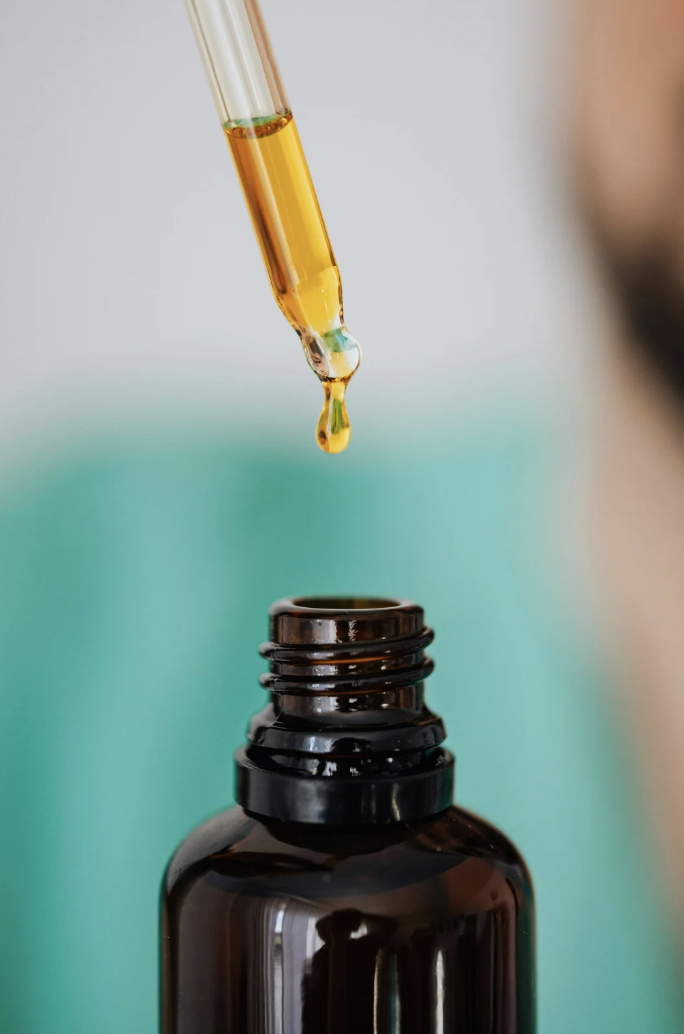

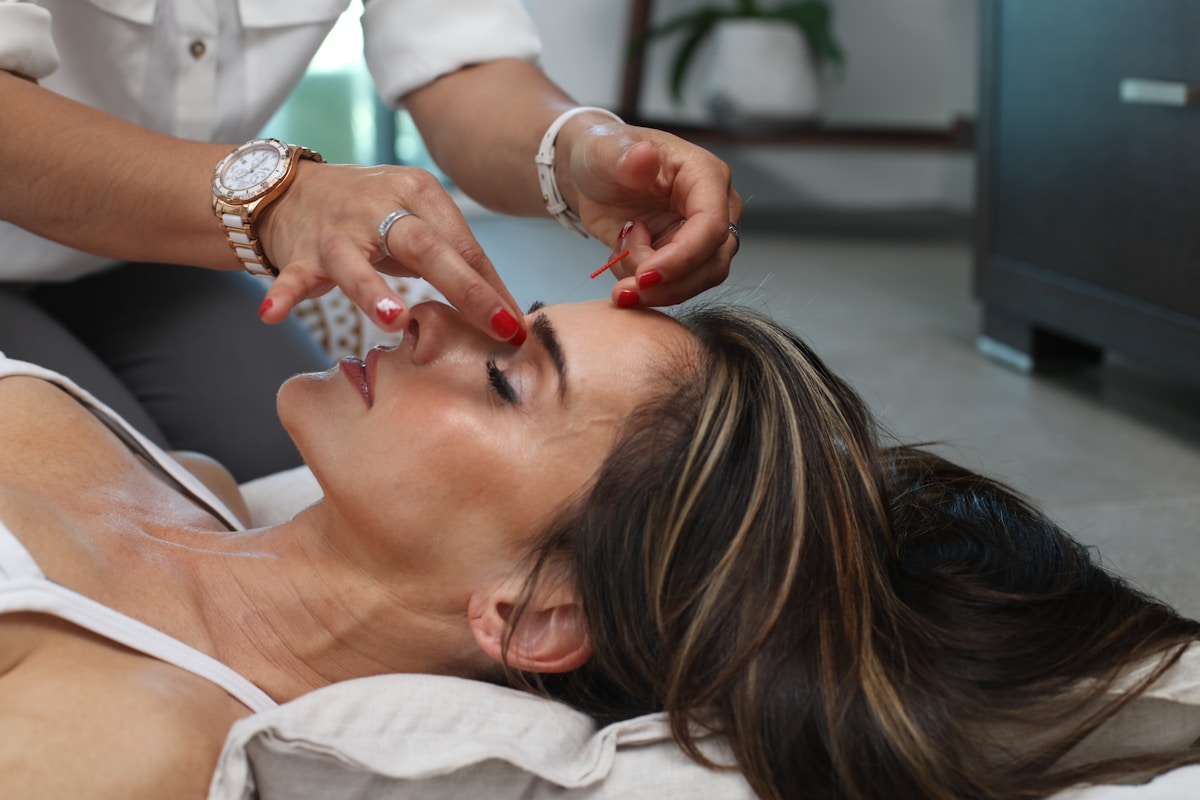
Castor oil for lashes is one of those beauty remedies that sounds too simple to be real. Like, surely you need a $120 serum with clinical-grade peptides, not something that costs $10 and has been sitting in people’s medicine cabinets for decades? And yet — I’ve been using castor oil on my brows and lashes consistently for months, and the difference is genuinely visible. My lashes look thicker and longer, my brows are fuller in the sparse spots I used to fill in religiously. Here’s what the science actually says, why the type of castor oil matters more than most people realize, and exactly how to use it for real results.
Does the Science Actually Support Castor Oil for Lashes and Brows?
The honest answer: castor oil isn’t going to create new hair follicles where none exist. But that’s not really how it works. The mechanism behind castor oil’s effectiveness is its extremely high ricinoleic acid content — a fatty acid that makes up about 90% of castor oil and that has documented anti-inflammatory and circulation-boosting properties. Better circulation around hair follicles means better delivery of nutrients to the follicle, which supports the existing growth cycle and can help push follicles that are in a resting phase back into active growth.
Castor oil is also deeply moisturizing — it coats the hair shaft and reduces breakage, which means your lashes and brow hairs get longer over time simply because they’re not breaking off at the ends. For sparse brows especially, a lot of what looks like “thin brows” is actually brow hairs that have been over-plucked, bleached by sun exposure, or broken. Castor oil addresses all of that.
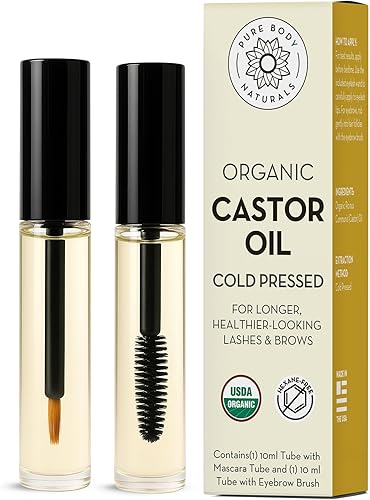
Pure Body Naturals Castor Oil
$9.99
Pure cold-pressed castor oil specifically packaged for lash/brow application — comes with a brush.

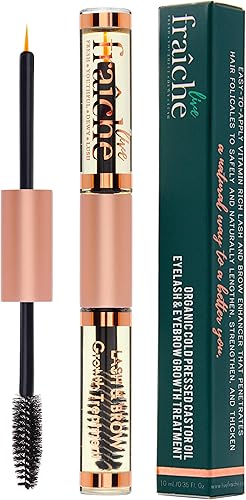
Live Fraiche Organic Castor Oil Lash Serum
$15.19
100% organic with a precision applicator — exactly what you want for lash-line application.
Cold-Pressed vs. Regular Castor Oil: Why It Matters
This is the detail most people skip, and it makes a real difference. Cold-pressed castor oil retains all of its active compounds — the ricinoleic acid, the fatty acids, the antioxidants. Regular or heat-processed castor oil loses some of these during the extraction process. For skincare and hair use, you want cold-pressed, ideally also hexane-free (hexane is a solvent sometimes used in extraction that you don’t want near your eyes).
Look for these terms on the label: cold-pressed, organic, hexane-free, 100% pure. If the label doesn’t specify cold-pressed, assume it isn’t. Jamaican black castor oil is a different product — it’s made from roasted castor beans and has a stronger scent and darker color. It works well for scalp and hair but isn’t ideal for the delicate eye area. For lashes and brows specifically, stick with clear, cold-pressed castor oil.
USDA Organic Castor Oil Lash Serum
$13.99
USDA certified organic, cold-pressed, hexane-free — the cleanest option on the list.

Seven Minerals Organic Castor Oil
$9.99
Great for eyebrows specifically — the thicker formula stays in place overnight.
Exact Application Method for Lashes vs. Brows
The application method is different for each, and precision matters — especially around the eyes. For lashes: use a clean mascara wand or the applicator brush that comes with the product. Dip it in the oil and tap off the excess — you want a very thin coating, not dripping oil. Apply it like mascara to the upper lash line, coating the base of the lashes. Don’t apply it to the lower lash line or inside the waterline, as oil near the eye can blur vision and potentially cause irritation. Let it dry slightly before lying down.
For brows: use a clean spoolie or a cotton swab. Apply the oil to sparse or thin areas and comb it through in the direction of hair growth. You can be a bit more generous with brows than lashes since there’s less risk of it migrating into the eyes. Massaging the brow area gently for 30 seconds while applying helps stimulate circulation.
Both should be done at night, as part of the last step in your skincare routine, so the oil has hours to absorb without interference from makeup or other products.

Kate Blanc Cosmetics Castor Oil
$12.95
Cold-pressed and hexane-free — a cult favorite for both lashes and brows.

UpNature Lash Serum
$8.80
Combines castor oil with peptides and biotin for extra lash-strengthening support.
Realistic Timeline for Results
Manage your expectations here, because this is where a lot of people give up too soon. Lashes grow in cycles, and a full lash cycle takes about 90 days. In the first few weeks, you likely won’t notice much — the oil is working at the follicle level, and changes in lash length and thickness take time to become visible. By week six to eight, most people start noticing their lashes looking thicker and darker. By the three-month mark, if you’ve been consistent, the difference is usually quite noticeable.
Brows tend to respond a bit faster because the follicles there are often just dormant rather than absent. Many people see brow improvement within four to six weeks. Stick with it — daily application is ideal, but even five times a week is enough to see results.
What NOT to Do with Castor Oil on Your Eyes
A few things to avoid. Don’t apply castor oil inside the waterline — this can cause blurry vision and irritate the eye. Don’t use it if you’re prone to styes or have active eye irritation. Don’t apply too much — a thin, even coat is all you need, and excess oil is more likely to migrate into the eye and cause irritation. Don’t skip washing it off in the morning, as leaving thick oil on the lash line all day can clog follicles over time. And don’t expect miracles if you’ve had permanent lash loss from a medical condition — castor oil supports healthy growth, it doesn’t create follicles where none exist.
How to Build It Into Your Nighttime Routine
The biggest barrier to consistency with castor oil is not remembering to do it — so the simplest strategy is habit stacking: attach it to something you already do every night. Here’s how I do it:
After your PM skincare routine is completely done — moisturizer on, everything absorbed — take your applicator, dip it lightly into the castor oil, and apply to the lash line and brow. That’s it. It literally takes 45 seconds. Within a week, you won’t even think about it; it becomes as automatic as brushing your teeth.
A few important hygiene notes:
- Use a dedicated clean mascara wand or the small applicator that often comes with castor oil bottles — not your fingers.
- Wash your applicator once a week with gentle soap and let it dry completely before the next use.
- Never double-dip a used wand back into the bottle. Bacteria transfer is real, and you’re applying this near your eyes.
- If you use a small glass dropper bottle, keep the castor oil in there rather than dipping from a large bottle — much easier to control.
If you wear a night eye mask or have restless sleep, apply the oil to brows and lash line conservatively so it doesn’t transfer. A thin layer is all you need for the ricinoleic acid to do its work overnight.
Can You Use Castor Oil on Your Scalp Too?
Yes — and many people who start using castor oil for lashes end up incorporating it into a scalp routine as well. The same active compound, ricinoleic acid, works through the same mechanisms: boosting circulation to hair follicles, reducing prostaglandin-related inflammation that can contribute to hair loss, and nourishing the follicle itself.
The main difference with scalp application is texture — pure castor oil is very thick and can be difficult to distribute and wash out. The fix is simple:
- Dilute it with a lighter carrier oil (jojoba, argan, or sweet almond oil work well) — a 1:2 or 1:3 ratio of castor to carrier makes it much more workable.
- Apply to the scalp (not the hair length) and massage in for a few minutes before shampooing.
- Leave on for at least 30 minutes before washing out — the longer the better.
This is a great option if you’re addressing multiple hair concerns at once. Same product, same principles, two different areas. Just don’t apply it the same way to your scalp as your lashes — the volume and dilution are different.
Castor Oil vs. Lash Growth Serums (Like RevitaLash)
This is a question I get a lot, so let’s be honest about the comparison.
Prescription serums (like bimatoprost, the active in Latisse) and OTC peptide serums (like RevitaLash, GrandeLASH) can produce more dramatic, faster results. They work through different mechanisms — prostaglandin analogs in prescription formulas actually extend the growth phase of the hair cycle.
But they come with trade-offs:
- Potential eye irritation and redness, especially at first
- Prostaglandin analogs carry a documented risk of iris darkening in light-colored eyes with long-term use
- Cost: $80 to $150+ per bottle
- Some people experience skin darkening around the lash line with prolonged use
Castor oil is slower — expect 6 to 8 weeks before noticeable change — but it has zero documented serious side effects, costs $10 to $15 for a bottle that lasts months, and produces real, measurable results with consistent use.
Different tools for different goals. For most people starting out, castor oil is the right first step.
Frequently Asked Questions
Can castor oil irritate my eyes?
Pure castor oil is one of the gentler options for eye-area application — it’s thick and doesn’t migrate quickly. That said, avoid direct contact with the eyeball itself. If you experience redness, itchiness, or any irritation, discontinue and consult a doctor. Hexane-free, cold-pressed castor oil is less likely to cause irritation than processed versions.
What if I skip a few nights?
Don’t stress about it. Skipping a few nights won’t undo your progress — hair growth cycles are measured in weeks, not days. Just get back on track without guilt or doubling up. Consistency over time is what drives results, not perfection.
Can I use castor oil with lash extensions?
No — and this is important. Oil of any kind breaks down lash extension adhesive, which will cause your extensions to fall off prematurely. Wait until your extensions are fully removed before incorporating castor oil into your routine. Once you’re extension-free, it’s one of the best ways to restore and strengthen natural lashes that may have weakened from extension use.
Does it matter if it’s cold-pressed vs. regular?
Cold-pressed, hexane-free castor oil retains more of its natural ricinoleic acid content and is less processed — it’s worth the slight price premium and is widely available.
Shop All Recommendations
Pure Body Naturals Castor Oil
$9.99
Pure cold-pressed castor oil specifically packaged for lash/brow application — comes with a brush.
Live Fraiche Organic Castor Oil Lash Serum
$15.19
100% organic with a precision applicator — exactly what you want for lash-line application.
USDA Organic Castor Oil Lash Serum
$13.99
USDA certified organic, cold-pressed, hexane-free — the cleanest option on the list.
Seven Minerals Organic Castor Oil
$9.99
Great for eyebrows specifically — the thicker formula stays in place overnight.
Kate Blanc Cosmetics Castor Oil
$12.95
Cold-pressed and hexane-free — a cult favorite for both lashes and brows.
UpNature Lash Serum
$8.80
Combines castor oil with peptides and biotin for extra lash-strengthening support.
Frequently Asked Questions
Can I use castor oil if I wear eyelash extensions?
No — castor oil (and oils in general) break down the adhesive used for lash extensions. Wait until your extensions have grown out or been removed before starting a castor oil routine.
What if castor oil irritates my eyes?
Discontinue use. Some people are sensitive to castor oil, and it should never be used if it causes redness, itching, or stinging. If you have sensitive skin, patch test on your inner arm first before applying near your eyes.
Do I need to wash castor oil off in the morning?
Yes. Rinse it off with your morning cleanser. Leaving thick oil on the lash line during the day can clog follicles and won’t add any benefit — all the absorption happens overnight while you sleep.