

Cycle syncing is the practice of aligning your food, exercise, and lifestyle with the four phases of your menstrual cycle — the idea being that your hormones create predictable rhythms throughout the month, and working with those rhythms rather than against them produces better energy, mood, and results.
It sounds niche, but the underlying science is solid. Here’s what it actually means and how to start.

The Four Phases of Your Cycle
Understanding cycle syncing starts with understanding that your hormones don’t stay constant throughout the month. They follow a predictable pattern across four distinct phases:
Menstrual phase (Days 1–5): Estrogen and progesterone are at their lowest. Physically, this is your lowest-energy phase. Mentally, the drop in hormones actually brings a clarity and introspective quality that many women find useful for reflection and planning.
Follicular phase (Days 6–13): Estrogen begins rising as follicles develop in the ovaries. This is typically the highest-energy, most creatively alive phase of the cycle. New projects, social plans, and challenging workouts often feel easier here.
Ovulatory phase (Days 14–16): Estrogen peaks and LH surges, triggering ovulation. This is often the phase when women feel most confident, outgoing, and communicative — the physiological basis is real, not imagined.
Luteal phase (Days 17–28): Progesterone rises while estrogen drops. The first half often feels stable and productive. The second half (days 22–28), when both hormones drop significantly, is when PMS symptoms typically emerge — fatigue, cravings, mood shifts.
How to Sync Your Exercise
One of the most immediately practical applications of cycle syncing is adjusting workout intensity to match your energy rather than fighting it:
Menstrual phase: Honor the low energy. Gentle movement — walking, restorative yoga, light stretching — supports recovery without taxing a system that’s already working hard. Many women find that pushing through intense workouts during their period leads to longer recovery and worse performance anyway.
Follicular phase: Energy is rising. This is a great time to try new workout classes, increase intensity, or start a new training block. Your body responds well to new challenges here.
Ovulatory phase: Peak energy and coordination. High-intensity interval training, heavy lifting, group classes, competitive activities — this is when your body is most capable of high output.
Luteal phase: Transition gradually from higher intensity in the early luteal phase to moderate and gentle movement in the late luteal phase. Strength training remains effective here; very high-intensity cardio often feels harder than it should.
How to Sync Your Nutrition
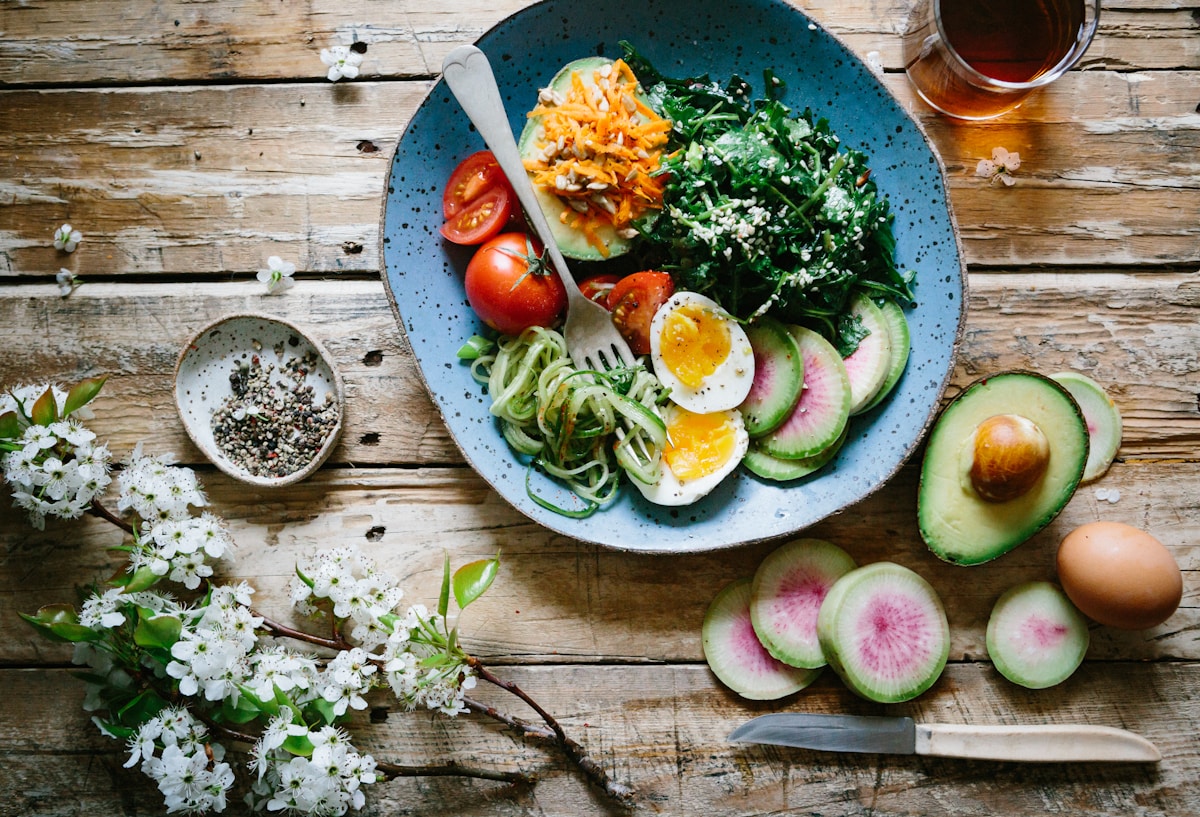
Hormone production requires specific nutrients, and those needs shift across the cycle:
Menstrual phase: Focus on iron-rich foods to replenish what’s lost (red meat, lentils, leafy greens with vitamin C for absorption). Anti-inflammatory foods — omega-3 rich fish, ginger, turmeric — help manage cramping. Warm, cooked foods are easier on the digestive system than raw salads.
Follicular phase: Lighter, fresher foods align well with rising energy — salads, sprouts, lean proteins, fermented foods to support gut-hormone health. Cruciferous vegetables (broccoli, Brussels sprouts, kale) support estrogen metabolism.
Ovulatory phase: Fiber-rich foods help the liver process the estrogen spike. Raw vegetables, fruits, and seeds are all supportive. Zinc from shellfish and pumpkin seeds supports LH function.
Luteal phase: Progesterone requires more calories — the metabolic rate rises slightly, and cravings increase for a real physiological reason. Complex carbohydrates (sweet potato, oats, brown rice) help stabilize blood sugar and reduce PMS cravings. Magnesium (dark chocolate, leafy greens, nuts) addresses the drop in magnesium that drives PMS symptoms.
How to Actually Start
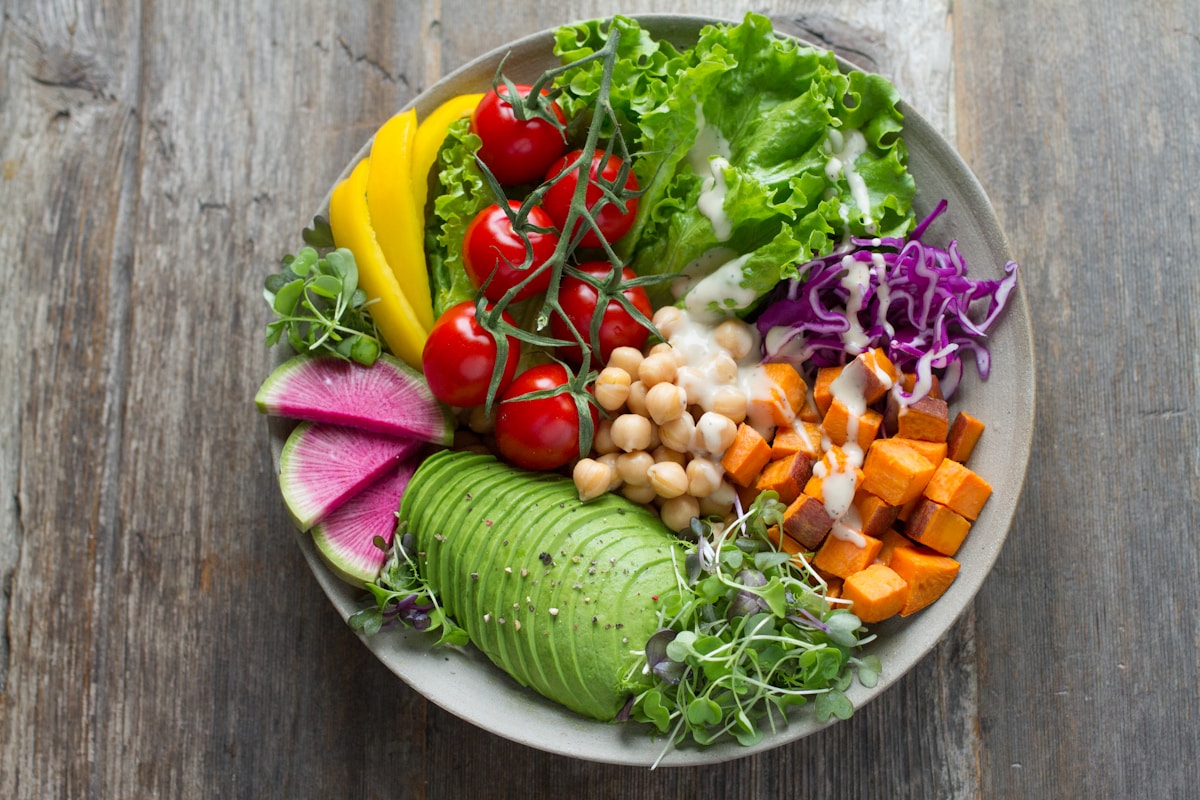
Cycle syncing sounds complex but starting is simple. The most important first step is just tracking your cycle — knowing where you are in your month. Apps like Clue or Flo do this well.
From there, start with the most impactful changes first: adjusting workout intensity and prioritizing iron during your period. You don’t need to overhaul everything at once. Most women notice a difference within 1–2 cycles just from working with their energy instead of overriding it.
A note on irregular cycles: cycle syncing is still useful, but tracking is harder. Focus on symptoms as signals rather than strict day counts — rising energy indicates follicular/ovulatory phase, fatigue and cravings indicate luteal phase.
Frequently Asked Questions
What is cycle syncing?
Cycle syncing is the practice of adjusting your diet, exercise, and daily habits to align with the four phases of your menstrual cycle — menstrual, follicular, ovulatory, and luteal. The premise is that hormonal shifts across the cycle create predictable changes in energy, metabolism, and mood that you can work with rather than against.
Does cycle syncing actually work?
The underlying hormonal science is well-established — estrogen and progesterone do follow predictable patterns that affect energy, metabolism, mood, and physical performance. Whether systematically syncing your lifestyle to those patterns produces measurable benefits depends on the individual, but many women report significant improvements in energy, PMS symptoms, and workout results.
Can you cycle sync with an IUD or hormonal birth control?
Hormonal birth control (including hormonal IUDs) suppresses the natural hormonal cycle, so traditional cycle syncing doesn’t apply in the same way. A copper IUD (non-hormonal) preserves the natural cycle. Women on hormonal birth control can still benefit from listening to their body’s energy signals and eating in a cycle-supportive way generally.