


A capsule wardrobe isn’t a trend and it’s not a minimalist lifestyle statement. It’s a practical system for getting dressed more easily, spending less on clothes, and actually wearing everything you own. Most women open a full closet and feel like they have nothing to wear — a capsule wardrobe fixes exactly that.
Here’s how to actually build one, without throwing out everything you own.

What a Capsule Wardrobe Actually Is
The original concept comes from Susie Faux, a London boutique owner who coined the term in the 1970s to describe a small collection of timeless, high-quality pieces that form the foundation of a wardrobe. The idea was later popularized by Donna Karan’s “Seven Easy Pieces” collection.
In practice: a capsule wardrobe is a core set of versatile pieces that work together in multiple combinations. Everything earns its place. Nothing just hangs there.
The number doesn’t matter — 33 pieces, 37 pieces, 10 pieces. What matters is that everything you own can be combined with at least 3 other things in your wardrobe.
Step 1: Audit What You Have
Before buying anything, take everything out of your closet. Not metaphorically — physically pull it all out. Then sort into three groups:
- Wear regularly and love it: These are your capsule foundation pieces — they stay.
- Keep but rarely wear: Ask why. Is it the fit? The occasion? If you can’t picture wearing it in the next month, it probably doesn’t belong in a capsule wardrobe.
- Haven’t worn in a year: Donate, sell, or store. It’s not serving you in the closet.
Most women are surprised to find that their actual “capsule” — the pieces they reach for repeatedly — is already 15–20 items. The rest is clutter.

The Pieces Every Women’s Capsule Wardrobe Needs
These aren’t prescriptive — adjust for your actual lifestyle. A woman who works from home needs different capsule pieces than someone in an office. But these categories apply almost universally:
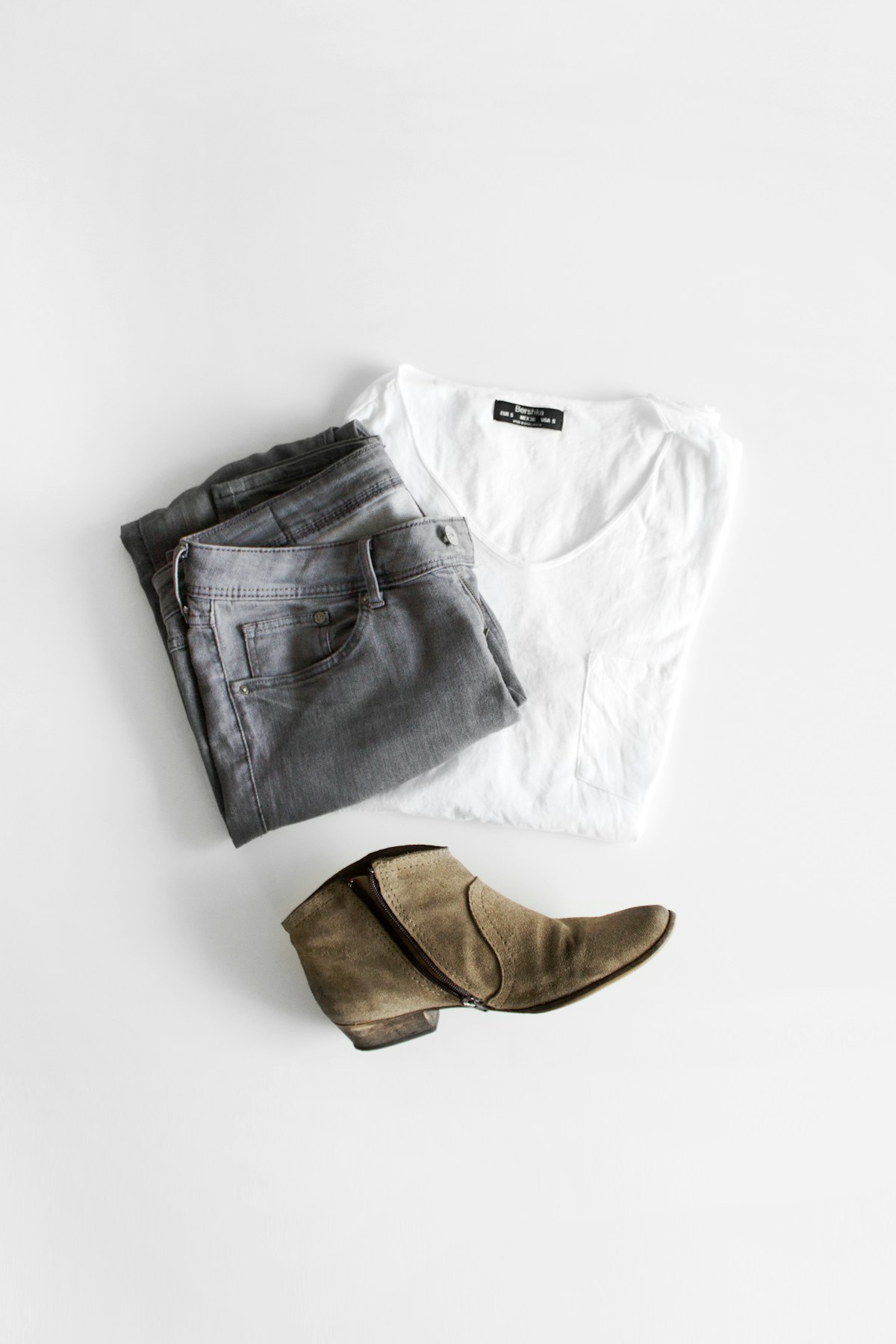
Tops (5–7): A white button-down, 2–3 quality basics in neutral colors (black, white, cream, navy), one slightly elevated option (silk or structured). Avoid novelty prints — they limit combinations.
Bottoms (4–5): One pair of well-fitting dark jeans, one pair of tailored trousers, one versatile skirt (midi length works for the most occasions), one casual bottom (wide-leg jeans, relaxed trousers).
Dresses (2–3): One that works for casual wear, one that works for elevated occasions. A wrap dress covers both for many women.
Outerwear (2–3): A classic coat for your climate, a lighter jacket or blazer, and a casual layer (denim jacket, cardigan).
Shoes (3–4): One comfortable flat or sneaker, one heel or wedge, one sandal, one boot if climate-relevant. The goal is that each pair works with at least 70% of your capsule.
Accessories (a few): A leather or structured bag, a belt, and one or two jewelry pieces you actually wear daily. Accessories do significant work in making the same outfit feel different.
The Color Rule That Makes Everything Work
A capsule wardrobe works best when built around a neutral foundation with 1–2 accent colors you genuinely love and wear. The classic framework:
- Base neutrals (60%): Black, white, cream, navy, camel, grey — pieces that go with everything
- Secondary neutral (30%): An earth tone or soft color that bridges your base and accents
- Accent color (10%): One color you love that ties your capsule together
The goal is that every piece can be worn with every other piece. You’re not building outfits — you’re building a system where outfits assemble themselves.
What a Capsule Wardrobe Is Not
It’s not about buying expensive things. Quality matters, but a capsule wardrobe built on well-chosen mid-range pieces outperforms a collection of expensive items that don’t work together.
It’s not about deprivation. You can still buy new things — a capsule wardrobe just means you buy intentionally, with a clear picture of what you already have and what would actually get worn.
It’s not permanent. Seasons change, lifestyles change, bodies change. Review and refresh your capsule twice a year — what works for you in summer may not apply in winter.
Frequently Asked Questions
How many pieces is a capsule wardrobe?
There’s no magic number. Most capsule wardrobe guides suggest 30–40 pieces including shoes and outerwear, but the number matters less than the principle: every piece should work with multiple other pieces, and you should reach for everything you own regularly.
How do I start a capsule wardrobe on a budget?
Start with what you already own. Audit your closet first — most women already have the foundation of a capsule in their existing wardrobe. Fill genuine gaps with versatile neutrals, and prioritize fit above brand. A well-fitting affordable piece beats an expensive one with the wrong cut every time.
What is a capsule wardrobe for women in their 30s?
In your 30s, most women benefit from shifting toward quality over quantity — fewer pieces in better fabrics and cuts that actually fit. The specifics depend on your lifestyle, but the foundation is always the same: neutral basics that work together, a few elevated pieces, and shoes and bags that do real work.