
If you’ve spent time in skincare communities, you’ve probably seen azelaic acid mentioned alongside the big names — retinol, vitamin C, niacinamide. But unlike those ingredients, it doesn’t get nearly the mainstream attention it deserves. Which is a shame, because for the right skin concerns, it genuinely outperforms them.
Here’s what azelaic acid actually does, who it’s for, and the best products to try.
What Is Azelaic Acid?
Azelaic acid is a naturally occurring dicarboxylic acid found in grains like wheat, barley, and rye. It’s been used in dermatology for decades — it’s actually available as a prescription at higher percentages (15–20%) for rosacea and acne, and over-the-counter at 10% for general use.
What makes it unusual is how many things it does well simultaneously:
- Fades hyperpigmentation — inhibits tyrosinase, the enzyme responsible for melanin overproduction. This makes it one of the most effective ingredients for post-acne marks, melasma, and sun spots.
- Treats acne — antibacterial properties kill acne-causing bacteria while reducing inflammation, making it effective for both existing breakouts and prevention.
- Reduces rosacea redness — one of very few OTC ingredients with clinical evidence for rosacea. Calms the chronic redness and visible capillaries.
- Exfoliates gently — mild keratolytic action keeps pores clear without the irritation of AHAs.
- Safe during pregnancy — one of the only active skincare ingredients considered safe to use while pregnant. Huge for women dealing with pregnancy-related melasma.
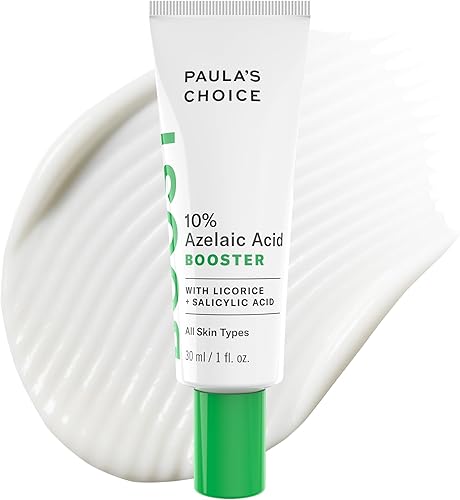
Paula’s Choice BOOST 10% Azelaic Acid Booster Cream Gel Face Serum wit
The cult-status formula from Paula’s Choice — 10% azelaic acid in a silky texture that works on hyperpigmentation, redness, and breakouts simultaneously.
Who Should Use Azelaic Acid?
Azelaic acid is genuinely versatile but it particularly shines for:
- Women with persistent post-acne marks (PIH) that won’t fade
- Anyone with rosacea or diffuse facial redness
- Melasma — especially hormonal melasma from pregnancy or birth control
- Sensitive skin that can’t tolerate retinol or high-percentage vitamin C
- Anyone wanting to brighten overall skin tone without harsh exfoliants
It’s also one of the most sensitive-skin-friendly actives available. While retinol causes peeling and vitamin C can sting, azelaic acid rarely causes significant irritation even at 10%.
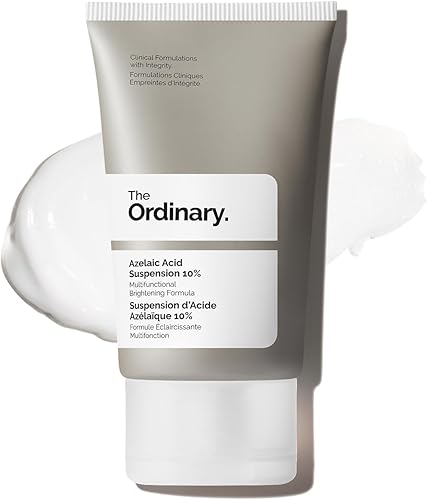
The Ordinary Azelaic Acid Suspension 10%, Formula for Uneven and Blemi
The budget-friendly entry point into azelaic acid — a slightly grittier texture but genuinely effective formula at a price that’s hard to beat.
The Best Azelaic Acid Products on Amazon
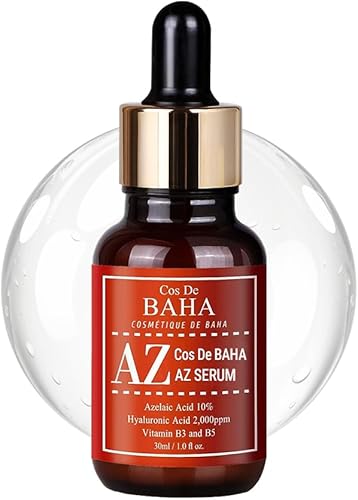
Cos De BAHA Premium Azelaic Acid 10% Serum 1 Fl Oz – Niacinamide &
A higher-strength 20% formula for more stubborn hyperpigmentation or rosacea — start slow and build tolerance if you’re new to the ingredient.
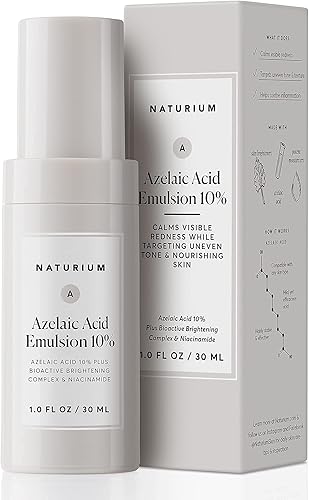
Naturium Azelaic Acid Emulsion 10% Plus Bioactive Complex & Niacin
A newer but well-loved option — lightweight emulsion texture that layers beautifully under moisturizer without any grittiness.
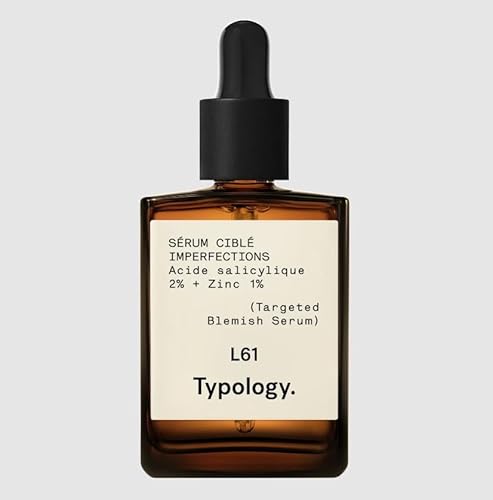
Typology Targeted Blemish Serum with 2% Salicylic Acid + 1% Zinc 0.5 F
A targeted spot serum with azelaic acid plus niacinamide — ideal for using directly on dark spots, acne scars, or areas of uneven tone.
How to Use Azelaic Acid in Your Routine
Azelaic acid is fairly forgiving with layering but here’s what works best:
- When: Morning or evening — it works both ways. Many women prefer mornings because it doesn’t sensitize skin to sun the way AHAs do.
- After: Cleanser and toner (if you use one). Apply to dry skin.
- Before: Moisturizer. If using a serum texture, apply before heavier products.
- With retinol: Don’t layer directly — alternate AM/PM or use on separate nights if you’re also using retinol.
- Results timeline: Most women see improvement in redness within 4 weeks. Hyperpigmentation typically takes 8–12 weeks of consistent use.
Frequently Asked Questions
What does azelaic acid do for skin?
Azelaic acid fades hyperpigmentation, reduces acne, calms rosacea redness, and gently exfoliates — often doing all four simultaneously. It’s one of the few active ingredients that’s also safe during pregnancy.
Can I use azelaic acid every day?
Yes — azelaic acid is gentle enough for daily use at 10%. Start with every other day if you have very sensitive skin, then build to daily once your skin adjusts.
Is azelaic acid better than vitamin C for dark spots?
For post-acne marks and melasma specifically, azelaic acid often outperforms vitamin C because it targets the root cause (tyrosinase inhibition) more directly. They work via different mechanisms and can be used together — just not layered at the same time.
You Might Also Like
Shop All Recommendations
Paula’s Choice BOOST 10% Azelaic Acid Booster Cream Gel Face Serum wit
The cult-status formula from Paula’s Choice — 10% azelaic acid in a silky texture that works on hyperpigmentation, redness, and breakouts simultaneously.
The Ordinary Azelaic Acid Suspension 10%, Formula for Uneven and Blemi
The budget-friendly entry point into azelaic acid — a slightly grittier texture but genuinely effective formula at a price that’s hard to beat.
Cos De BAHA Premium Azelaic Acid 10% Serum 1 Fl Oz – Niacinamide &
A higher-strength 20% formula for more stubborn hyperpigmentation or rosacea — start slow and build tolerance if you’re new to the ingredient.
Naturium Azelaic Acid Emulsion 10% Plus Bioactive Complex & Niacin
A newer but well-loved option — lightweight emulsion texture that layers beautifully under moisturizer without any grittiness.
Typology Targeted Blemish Serum with 2% Salicylic Acid + 1% Zinc 0.5 F
A targeted spot serum with azelaic acid plus niacinamide — ideal for using directly on dark spots, acne scars, or areas of uneven tone.
As an Amazon Associate I earn from qualifying purchases at no extra cost to you.