

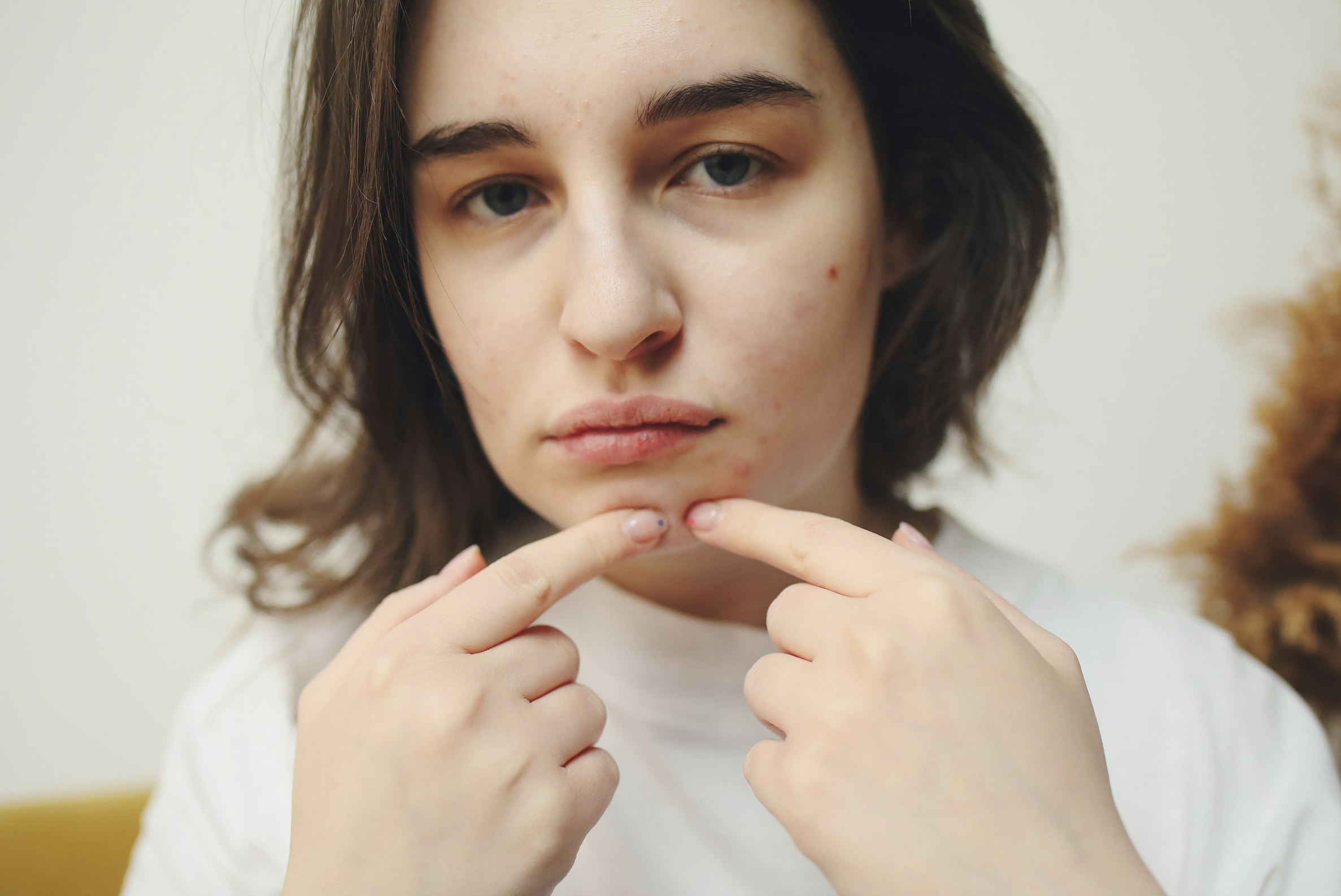
Acne Types of Acne: A Complete Guide to the Types of Acne and Natural Treatments
Acne is one of the most common skin conditions in the world, yet it affects everyone differently. Understanding the acne types of acne you experience is essential for choosing the right treatment and preventing future breakouts. Acne forms when pores become clogged with excess oil, dead skin cells, and bacteria, leading to inflammation within the skin. Hormones, stress, diet, skincare habits, and environmental factors all influence how acne appears and how severe it becomes.
Because acne has many causes, it presents itself in several distinct forms. Each type of acne requires a different approach, especially when focusing on natural remedies that support the skin rather than irritate it.
What Causes Acne and Why Acne Types Differ
The skin naturally produces oil to stay hydrated and protected. When oil production becomes excessive, it can mix with dead skin cells and block pores. Bacteria then multiply inside these clogged pores, triggering the immune system and causing inflammation. Hormonal changes often increase oil production, which explains why acne is common during puberty, menstrual cycles, pregnancy, and stressful periods.
Diet and lifestyle also play a significant role. High sugar intake, processed foods, and certain dairy products may increase inflammation in the body. Chronic stress raises cortisol levels, which can stimulate oil glands and worsen acne. Using pore clogging skincare products or over cleansing the skin can further disrupt balance and lead to different acne types forming.

Types of Acne and Natural Ways to Treat Them
Whiteheads
Whiteheads occur when a pore becomes clogged and remains closed beneath the skin. They appear as small white or flesh colored bumps and are often linked to excess oil production.
Natural remedies for whiteheads include gentle exfoliation with oatmeal or rice powder, aloe vera to soothe inflammation, and witch hazel (our favorite) to help regulate oil without stripping the skin.
Blackheads
Blackheads form when clogged pores remain open and the trapped oil oxidizes, turning dark at the surface. They are not caused by dirt and cannot be scrubbed away aggressively.
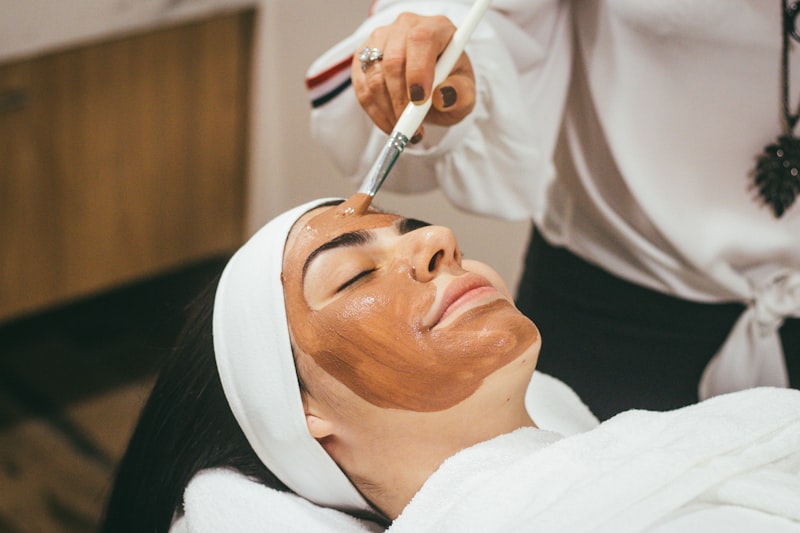
Natural treatments for blackheads include clay masks to draw out impurities, steam facials to help loosen buildup, and jojoba oil which closely mimics the skin’s natural sebum and helps regulate oil production.
Papules
Papules are small red inflamed bumps that do not contain pus. They can be tender and indicate irritation or bacterial activity within the skin.
Natural treatments include green tea extract for its anti inflammatory properties, cold compresses to reduce redness, and raw honey masks to support antibacterial healing.
Pustules
Pustules are inflamed pimples that contain pus and often appear red with a white or yellow center. These are commonly referred to as classic pimples.
Natural remedies for pustules include turmeric spot treatments, manuka honey, and zinc rich foods such as pumpkin seeds and legumes to support skin repair from within.
Nodules
Nodules are large painful lumps that form deep beneath the skin. They are caused by severe inflammation and trapped bacteria and often take a long time to heal.
Natural support for nodular acne includes anti inflammatory diets rich in omega three fatty acids, castor oil packs to improve circulation, and stress reduction practices that help balance hormones.
Cystic Acne and Acne Cysts
Cystic acne is the most severe form of acne and involves deep painful acne cysts beneath the skin. These cysts can lead to scarring if not treated properly and are often linked to hormonal imbalances and chronic inflammation.
Treatment of acne cyst naturally focuses on reducing inflammation and supporting hormonal balance. Cold compresses can help relieve swelling, spearmint tea may help lower androgen levels, evening primrose oil supports hormonal regulation, and probiotics improve gut health which plays a key role in skin clarity. Severe cystic acne may require professional care, but natural remedies can be powerful supportive treatments.

Acne Tree Oil and Its Benefits for Acne
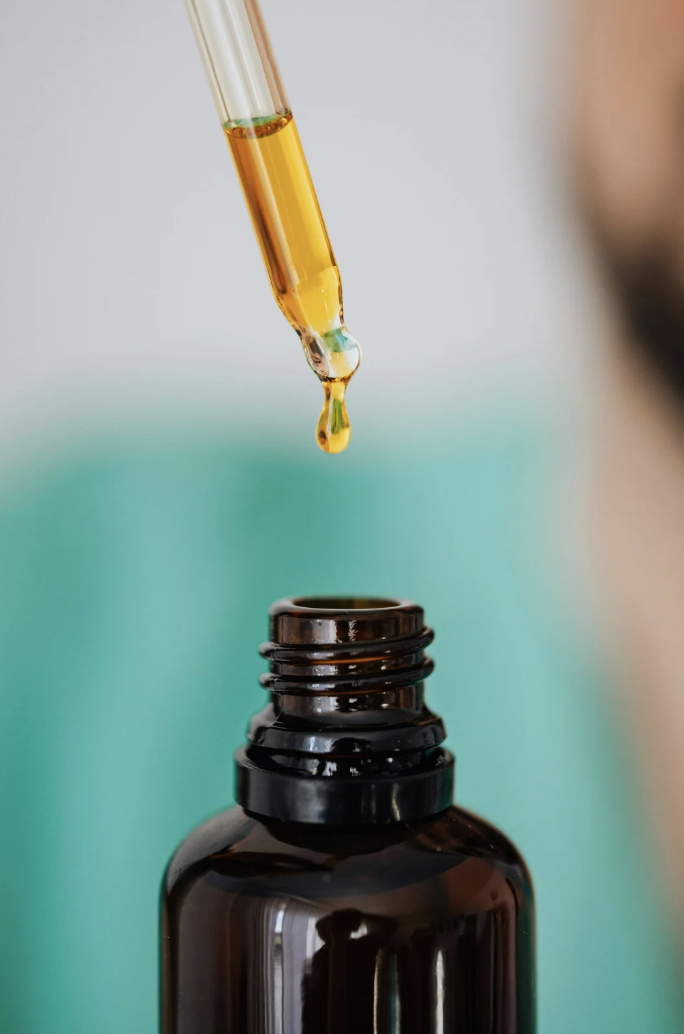
Acne tree oil, commonly known as tea tree oil, is one of the most popular natural remedies for acne. It has strong antibacterial and anti inflammatory properties that help reduce acne causing bacteria and calm redness.
To use acne tree oil safely, it should always be diluted with a carrier oil such as jojoba or coconut oil. Apply it only to affected areas and use once daily to avoid irritation. Acne tree oil is especially effective for mild to moderate acne types when used consistently.
We love this 100% pure tea tree oil by Cliganic to treat acne and acne scars! Just remember to dilute it if it is to strong for you.

Lifestyle Habits That Support Clear Skin Naturally
Clear skin starts from within. Drinking enough water supports detoxification and skin hydration. Eating whole foods rich in antioxidants reduces inflammation. Managing stress through movement, meditation, or adequate sleep helps regulate hormones. Avoiding harsh skincare products and sticking to gentle routines allows the skin to heal naturally.
You Might Also Like
Frequently Asked Questions
What are the different types of acne?
The main types of acne include whiteheads, blackheads, papules, pustules, nodules, and cysts. Hormonal acne typically appears along the jawline and chin.
What is the fastest way to get rid of acne?
Spot treatments with benzoyl peroxide or salicylic acid work fastest for surface breakouts. Cystic acne may require a dermatologist visit for prescription options.
Final Thoughts on Acne Types of Acne
Understanding the acne types of acne you experience allows you to treat breakouts more effectively and prevent future flare ups. Each type of acne has unique causes and requires a tailored approach. Natural remedies such as acne tree oil, anti inflammatory foods, and lifestyle changes can support long term skin health without harsh side effects.
Clear skin is not about quick fixes but about understanding your skin and giving it the care it needs to heal.
The information provided in this article is for educational and informational purposes only and is not intended as medical advice. Natural remedies and skincare suggestions discussed are not a substitute for professional diagnosis or treatment. Individual results may vary, and some remedies may cause irritation or allergic reactions. Always perform a patch test before using new products and consult a qualified healthcare professional or dermatologist for persistent, severe, or cystic acne or before starting any new treatment regimen.
Related reading: Regular facials can help manage acne — read about the benefits of getting a facial. And if your travel skincare routine is triggering breakouts, check out our travel skincare guide.
Pingback: Best Travel Skincare Products for Long Flights: Your Complete Guide - The Madison Effect
Pingback: Benefits of Getting a Facial: Why Every Woman Needs One - The Madison Effect